

Army Wants More Sensor-Laden Surveillance Balloons Over The Pacific
The use of high-altitude balloons is becoming ever-more routine for U.S. Army units in the Pacific. The service is pushing to deploy more of these lighter-than-air platforms as a key component of a new persistent surveillance and reconnaissance ecosystem across the region. The same kinds of balloons could also perform these and other missions, including communications relay, electronic warfare, or even launching kinetic strikes, around the globe. This is all underscored by a recent contracting notice about the potential purchase of commercial-off-the-shelf high-altitude balloons, sensor packages, and datalinks connected to SpaceX’s space-based Starlink network.
“This is a commodity requirement for commercial-off-the-shelf (COTS) or modified-COTS high-altitude balloon systems and associated equipment,” according to the contracting notice from the Army’s 921st Contracting Support Battalion, which was posted online earlier this week. “The required supplies and software licenses will be delivered to locations within the INDOPACOM AOR [U.S. Indo-Pacific Command area of responsibility] (specifically Hawaii).”

The notice stresses that the 921st is currently only conducting “market research” and that a “full and open competition” could follow, but is not guaranteed. The battalion is headquartered in Hawaii, but is the Army’s main contracting arm in the Pacific, and has elements spread across the region.
The “commodity requirement” the 921st outlined in the notice includes a call for 15 high-altitude balloons, five each of three different sizes (12-, 16-, and 24-gore). The term gore here refers to the individual segments making up the balloon’s exterior. A greater number typically translates to a larger inflated volume, and, by extension, to higher altitude capability and/or payload capacity. The contracting notice mentions a desired “burst altitude (90k–120k ft class)” for the 24-gore type, but does not otherwise lay out specific performance or payload requirements for any of the balloons.
The notice also includes a call for several different sensor packages, described as follows:
- Five “EO/IR [Electro-optical/infared]” types with “resolution (1080p/4K/MWIR/LWIR); gimbal stabilization; telemetry bandwidth (Starlink/LTE/MPU5); power draw; onboard processing; environmental hardening.”
- Five “Long Wave Infrared” types with “Spectral band (8–14 μm); NETD sensitivity (≤50 mK ideal); optics (germanium lenses, FOV options); thermal stabilization; data interface (Ethernet/SDI/USB-C).”
- Seven “Electronic Sensing” types capable of providing “(RF/EM/atmospheric/SIGINT); frequency coverage; antenna configuration (omni/directional/array); data logging (local vs. downlink); EMI shielding for high-altitude ops.”
The Army would also want eight payload buses with Starlink connectivity and MPU5 radios, as well as seven more with Starlink only. This separately speaks to the growing prevalence of Starlink, and its government-focused cousin, Starshield, across the U.S. military, something TWZ just recently highlighted.
There is also a call for helium and other ancillary items to complete the full package. The contracting notice does not say whether or not these balloons and other equipment would be intended for operational use, training, and/or supporting test and evaluation activities. TWZ has reached out to U.S. Army Pacific (USARPAC) for more information.
Use of balloons by the Army and other branches of the U.S. military, as well as other countries globally, both historically and as part of more contemporary activities, is not new. This is something TWZ had been calling attention to for years before a Chinese spy balloon passing over parts of the United States and Canada in 2023 thrust the topic into the public consciousness. China has used balloons and other kinds of lighter-than-air craft for intelligence-gathering and other purposes across the Pacific. The use of high-altitude balloons as launch platforms for swarms of drones and other payloads has also been an active area of development in China. This is something the U.S. military and others have also been experimenting with.
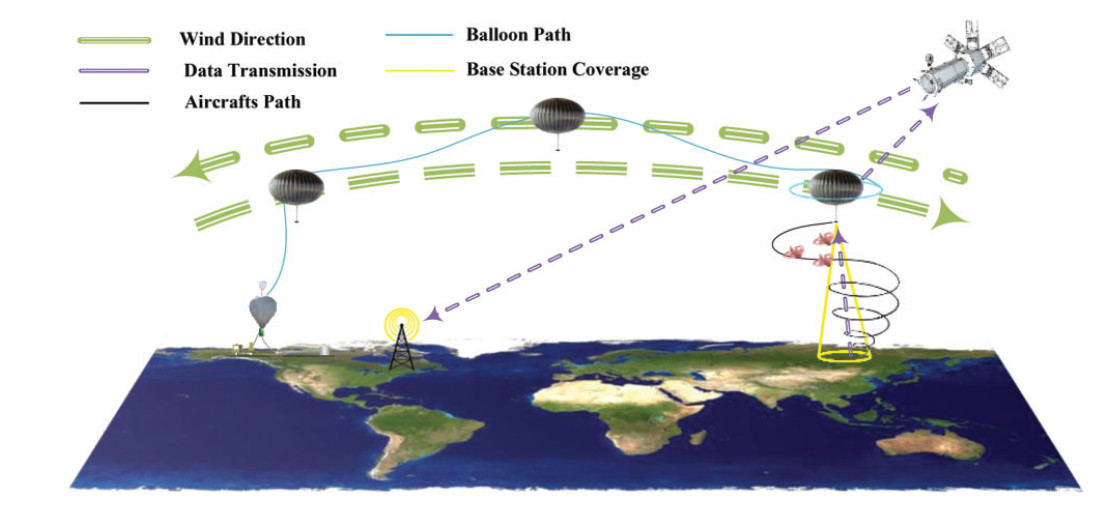
Modern high-altitude balloons can stay aloft for days, weeks, or even months on end. There are designs that can be precisely navigated to areas of interest and then hold their general position in spite of prevailing winds, moderating their altitudes to remain on station persistently for very long periods at a time. As the recent contracting notice makes clear, these balloons also have sufficient payload capacity to act as intelligence, surveillance, and reconnaissance (ISR) platforms, as well as signal relay nodes. They could perform other missions, too.
In 2024, the Army made a particularly public demonstration of the value of high-altitude balloons in modern operations during Exercise Valiant Shield 24. Balloons fitted with “electromagnetic spectrum sensors and radio networking equipment” were part of the kill chain in a live-fire test of Precision Strike Missile (PrSM) short-range ballistic missiles against a moving target ship. Valiant Shield 24 involved forces deployed to various locations across the Pacific.
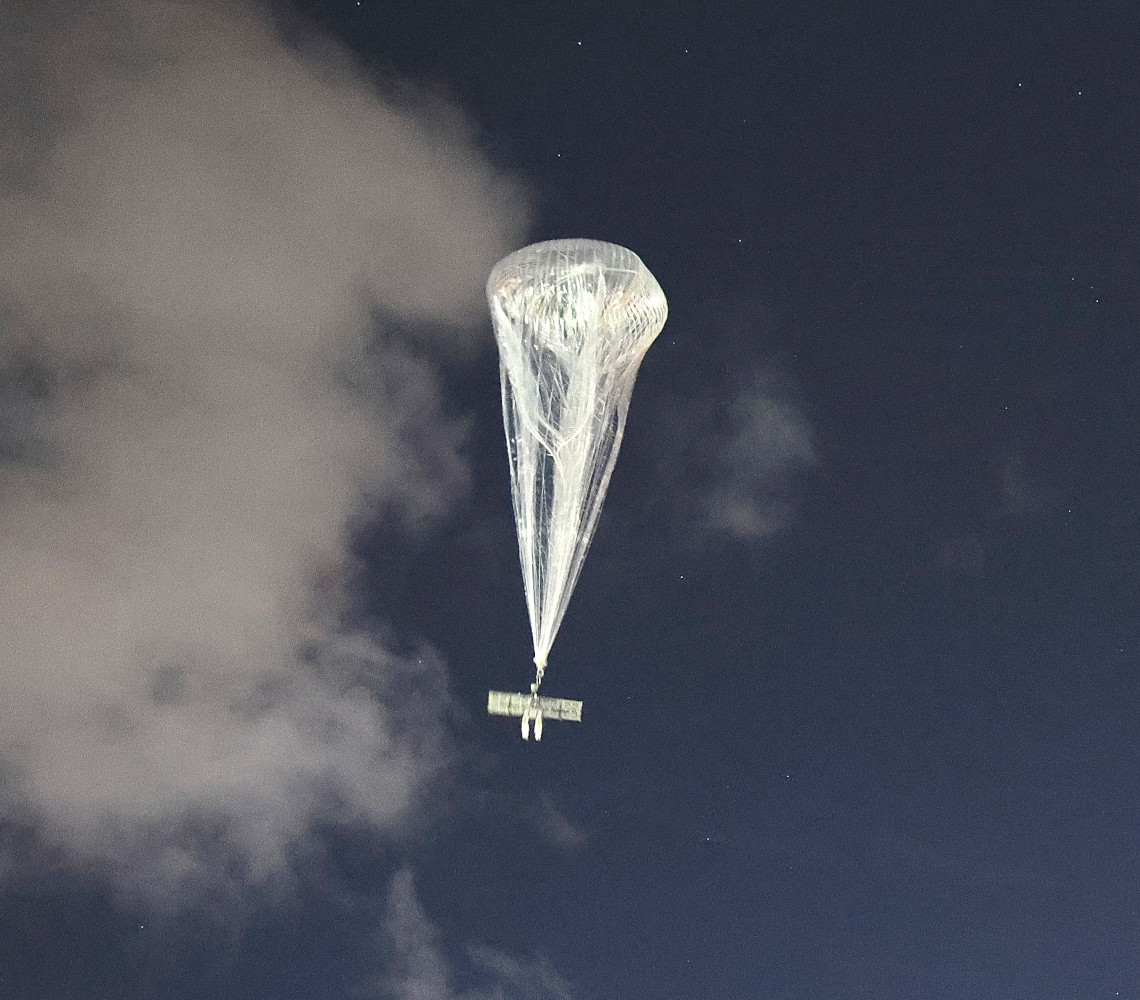
Also in 2024, the Army’s Communications-Electronics Command (CECOM) put out a contracting notice seeking details about prospective small radars and signals intelligence suites for use on high-altitude balloons. The mention of radars here highlighted how balloons could provide another layer of ground-moving target indicator and synthetic aperture radar imaging (GMTI/SAR) capability.
CENCOM’s request for information was specifically tied to an experimentation and demonstration effort called High-Altitude Platform-Deep Sensing (HAP-DS). The Army said at the time that the goal was for HAP-DS to feed into a larger program called the High-Altitude Extended-Range Long-Endurance Intelligence Observation System (HELIOS).
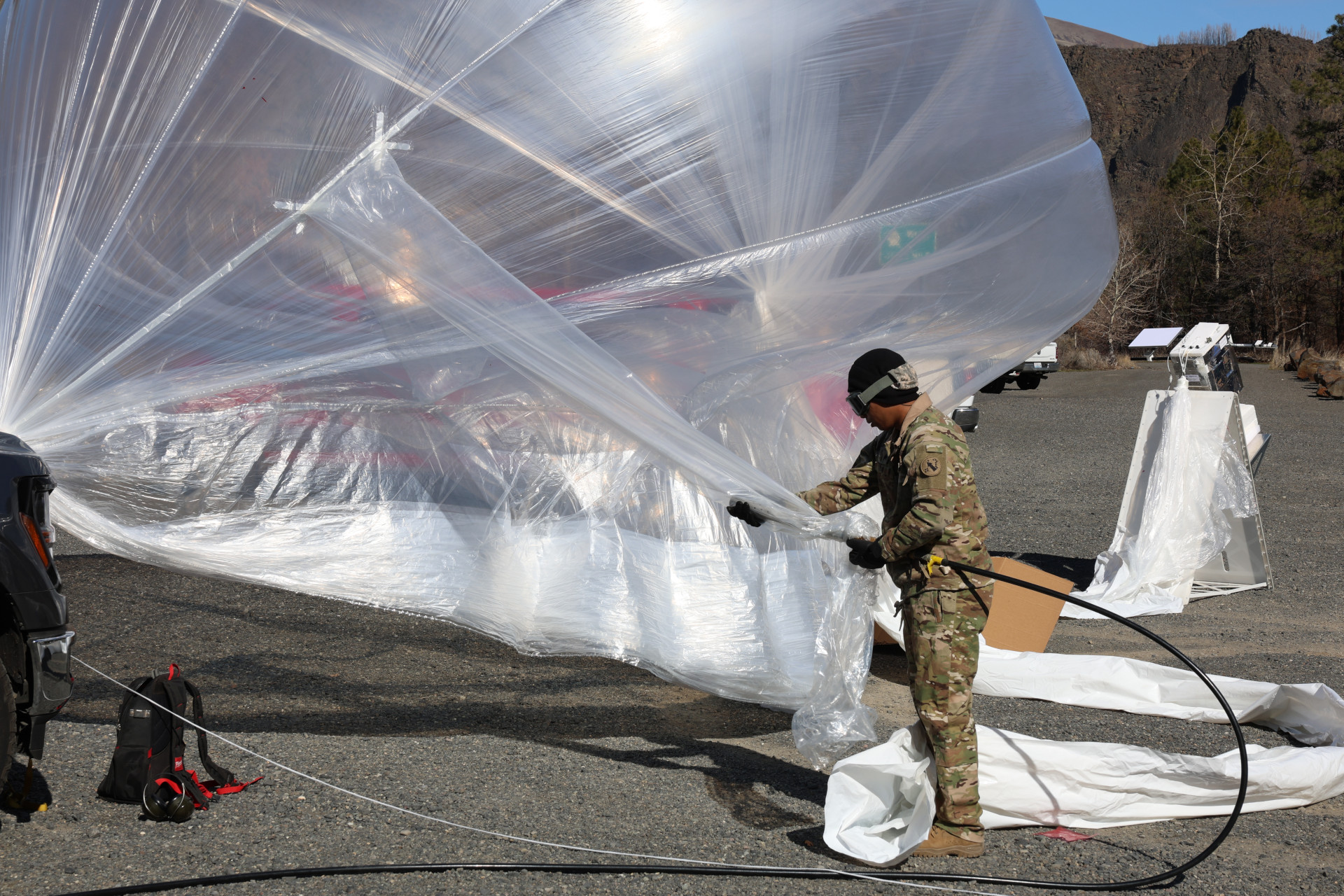
The Army has continued to expand its experimental efforts since then with a clear eye toward future operational capabilities. Last year, the service disclosed plans to launch as many as 100 balloons, and maybe even more, in an upcoming exercise.
“Our primary goal is to demonstrate autonomous swarming capabilities that generate a persistent, cost-effective presence in the stratosphere,” Andrew Evans, Director of Strategy and Transformation with the Office of the Deputy Chief of Staff of the Army, or G-2, told Breaking Defense in an interview in August 2025. “Once operationalized, this type of capability will enable us to conduct a range of military operations including enhanced intelligence, surveillance, and reconnaissance (ISR), the extension of tactical communications, and the rapid reconstitution of on-orbit capabilities when space is denied or degraded.”
At that time, Evans also highlighted how large groups of high-altitude balloons networked together could help provide resiliency against potential losses, including just due to bad weather.
Large numbers of balloons would be needed to provide wide-area persistent coverage for ISR and other missions. They could also be used to create mesh and other kinds of hub-and-spoke-type networks, which could be espcially valiable of communications assets in low Earth orbit (LEO) are threatened.
Earlier this year, the Army shared that it had established a new schoolhouse for high-altitude balloon training, including a basic skills course for “High-Altitude Soldiers”, at Joint Base Lewis-McChord in Washington State. As of March, Army Green Berets, as well as Air Force personnel from weather units, and even individuals from unnamed civilian agencies, were said to have gone through the training program.
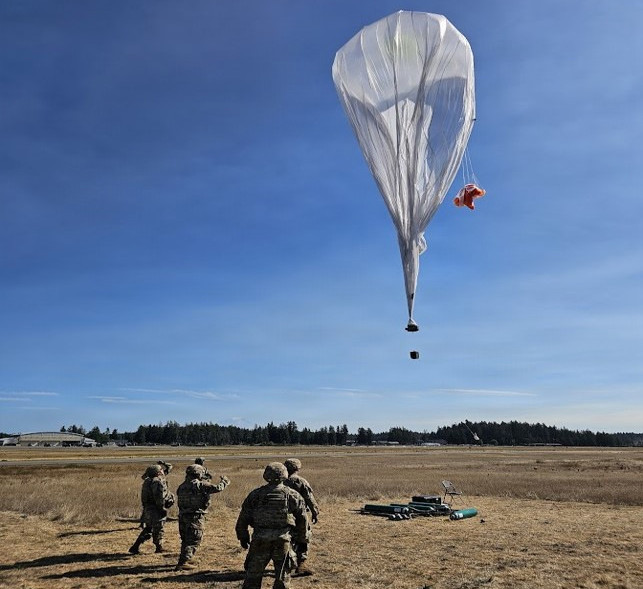
The Army has said that the training program includes the use of 16-gore high-altitude balloons – one of the types mentioned in the recent contracting notice – made by a company called Urban Sky. This is from a line of what the firm markets as “Microballoons,” which can be deployed by relatively small teams in minutes. Urban Sky says its 16-gore design can soar at altitudes up to 70,000 feet and carry payloads weighing up to 50 pounds. The company also offers a payload called Wallabbee that combines “EO/IR imaging, signals intelligence, and communications downlink in a single package,” again fully in line with the “commodity requirement” recently outlined by the 921st Contracting Support Battalion.
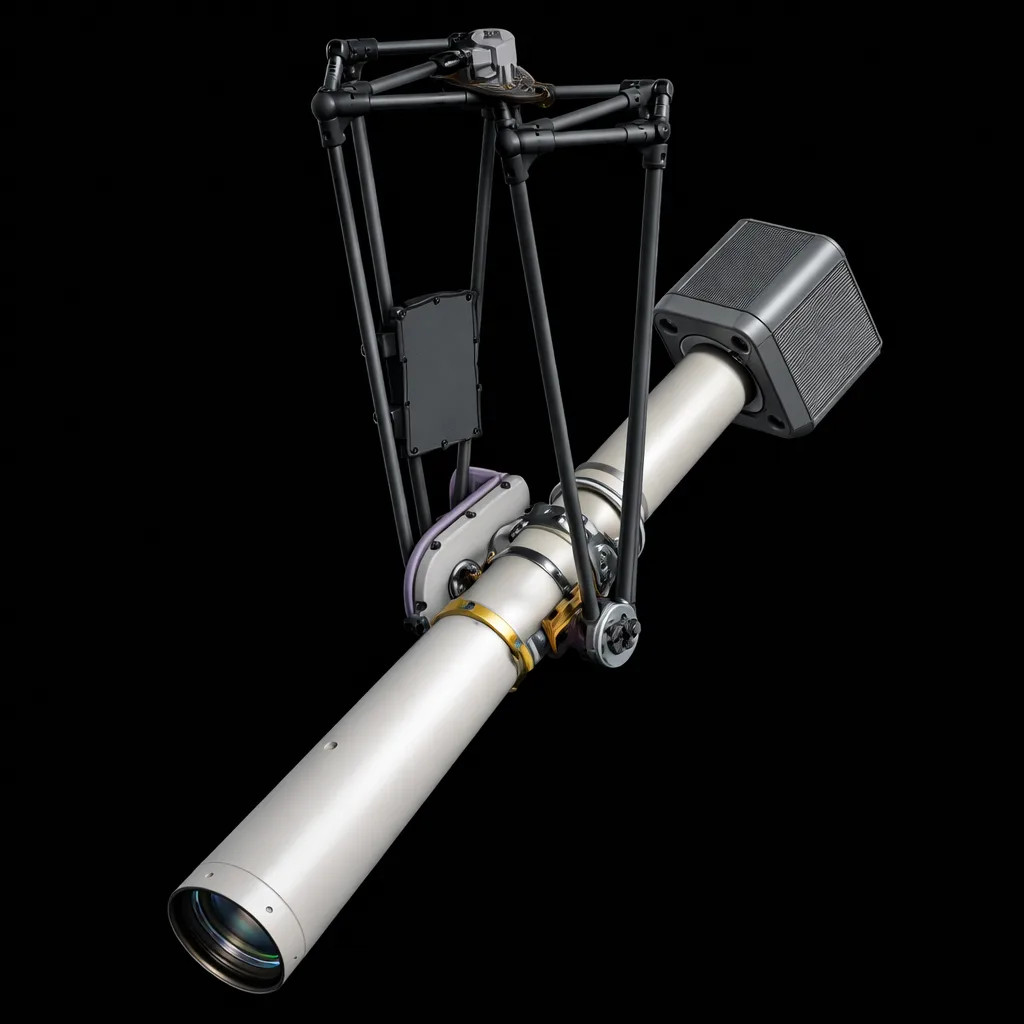
Other companies, including Raven Industries subsidiary Aerostar and the Sierra Nevada Corporation, also offer broadly similar designs that can be configured for ISR, signal relay, and other missions.

Raven Aerostar – Thunderhead Balloon System
“Routine events such as the AHABC [Army High-Altitude Basics Course], conducted here at home station, have enabled our unit to both maintain individual proficiency and provide more repetitions to leaders to sharpen their HA skills,” Army Capt. Tyler McWilliam, described as a “High-Altitude Planner,” said in an official release in March. “The plan for the future is to offer more High-Altitude Basic Courses for service members in other units to spread High-Altitude knowledge across the joint force.”
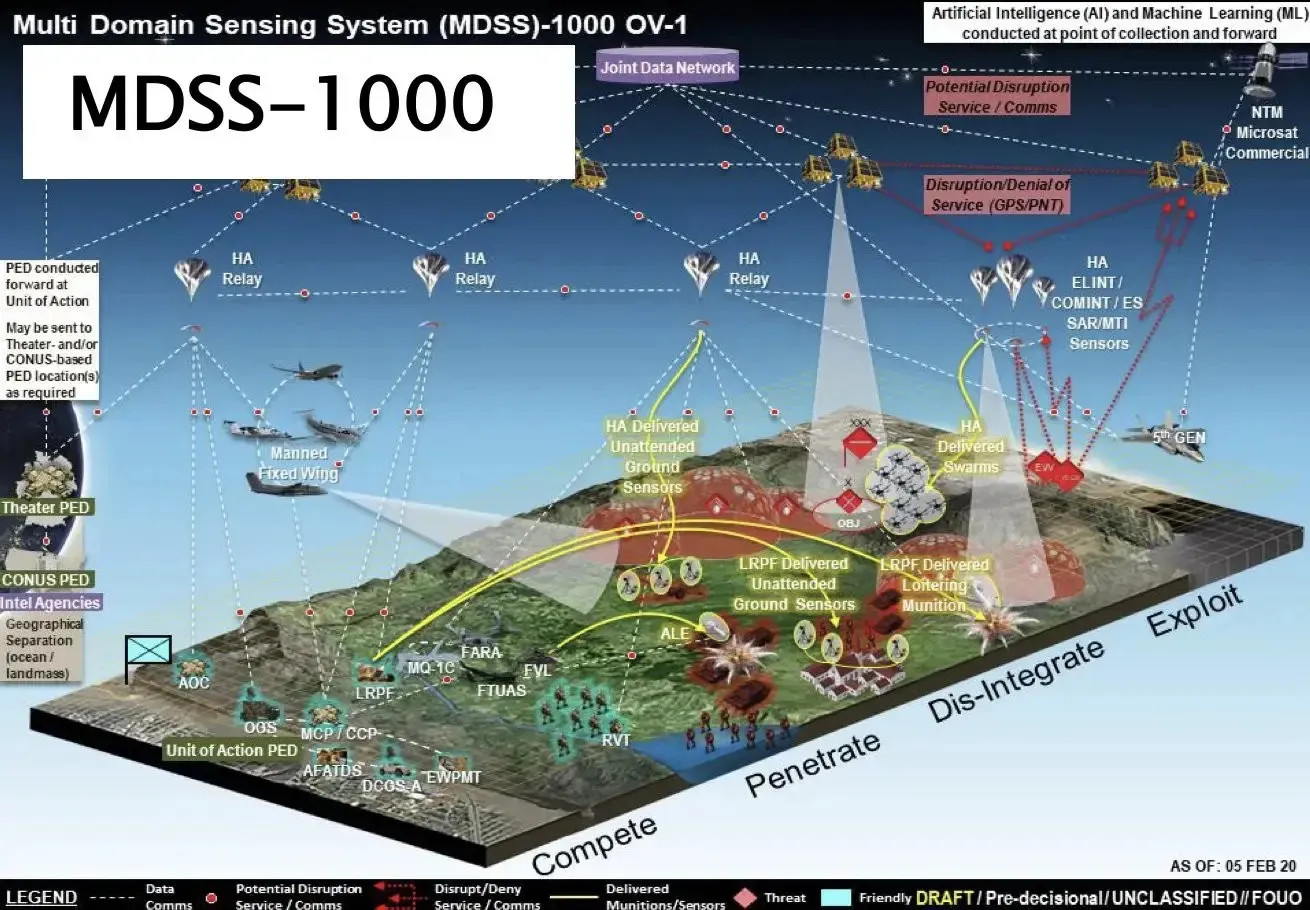
The Army has made no secret about the about overarching end-goal of its current high-altitude balloon plans. The service is moving “forward in building a persistent, all-domain sensor architecture for the Indo-Pacific theater,” the March press release stated right up front.
The complete architecture is also set to include other components, including the Army’s new High Accuracy Detection and Exploitation System (HADES) ISR business jets. Glider-like drones also designed to operate in the stratosphere are something else the service has been actively experimenting with in recent years. As noted, like China and others, the U.S. military has also been exploring high-altitude balloons as launch platforms for swarms of drones deep inside hostile territory. This, in turn, has opened the door to the potential for using balloons to launch kamikaze drones and other kinds of munitions. They could carry electronic warfare payloads or seed small sensors on the ground, too.
All this being said, despite the Army’s clear support for high-altitude balloons, and years of experimentation, the service still has yet to put them into more widespread operational use. There is a distinct and continued disparity here compared to China’s extensive use of balloons and other lighter-than-air craft in the Pacific.
The capabilities that high-altitude balloons stand to offer the U.S. military could be very relevant for providing persistent surveillance and supporting other missions elsewhere globally, too. U.S. Central Command has previously highlighted interest in using lighter-than-air platforms to help meet high demand for ISR capacity across the Middle East.
The recent contracting notice, as well as the establishment of the new training programs at Joint Base Lewis-McChord, do show that the Army is pressing ahead with its plans to make high-altitude balloons a more regular aspect of its operations, especially in the Pacific.
Contact the author: joe@twz.com
editor's pick
latest video

news via inbox
Nulla turp dis cursus. Integer liberos euismod pretium faucibua


