University of North Carolina vaguely ‘retract[s]’ threat of punishment for April Fools’ Day satire
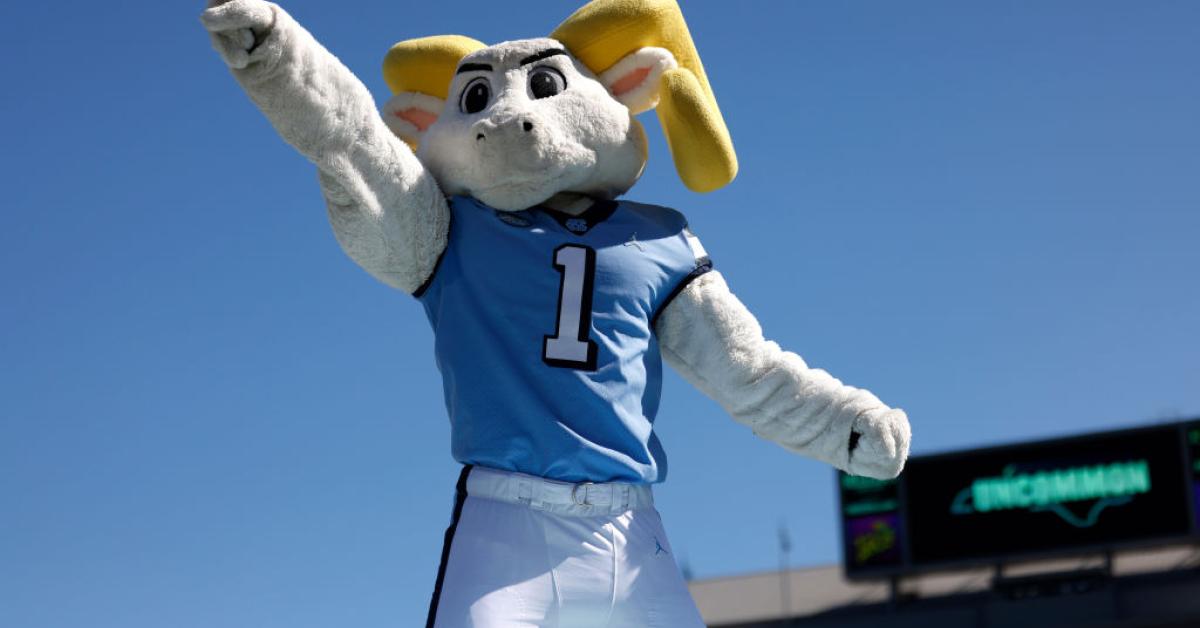
The University of North Carolina’s flagship campus is having second thoughts about jawboning an independent student newspaper and a student-run comedy show for their “racist and insensitive” April Fools’ Day content. Exactly what it regrets isn’t clear.
The taxpayer-funded institution reached out to Just the News on Thursday night with a new statement reiterating it is “not investigating any student or student group” for satirical articles in The Daily Tar Heel and a mockumentary-style video by Hill After Hours, after Senior Vice Provost James Orr’s first statement saying Student Affairs was meeting with both groups.
The newspaper’s April 1 article claimed Immigration and Customs Enforcement was coming to Chapel Hill, the flagship’s home, to enforce alcohol laws and that the university was bringing back diversity, equity and inclusion “for whites,” among others. An editorial also mocked progressive orthodoxy such as land acknowledgments and DEI consultants.
The Hill After Hours video showed a white blonde traveling with bodyguards to a remote part of campus historically associated with black students, in a plausible mashup of 20th century anthropologist Margaret Mead’s ethnographic work in Samoa and 21st century white influencers’ patronizing visits to poor countries.
“Our April 6, 2026, statement was issued out of concern for members of our community, many of whom were clearly distressed,” Orr’s new statement reads, but it was “in no way intended to chill free speech on our campus.”
Though Orr said, “We retract those portions of our message that may have suggested our students and student groups were engaged in unlawful conduct or conduct that could subject them to discipline,” nothing on the statement page has changed, and UNC did not answer Just the News queries Friday on what specifically it retracted and what “we retract” means.
“Students and student organizations are expected to conduct themselves in ways that respect the rights, dignity, worth, and freedom of others,” the page still says, no different from an April 8 archived page.
While Orr emphasized the newspaper is “legally and financially independent of the University” and the articles were “meant to represent satire,” he implied DTH staff could be subject to student conduct proceedings for producing “harmful” content that violated UNC “values” and was “hurtful to so many on our campus.”
“Student Affairs will meet with DTH leadership to engage in a conversation that reinforces our values and commitment to fostering a welcoming environment for all students,” he said.
Orr’s comments about Hill After Hours were more clear, noting that unlike DTH it is a “registered student organization” subject to campus conduct codes.
“Student Affairs is investigating this incident to determine more information about how and by whom the video was authorized and produced as well as next steps needed to address concerns,” the statement still reads.
What ‘portions’ did UNC retract?
The Foundation for Individual Rights and Expression – which twice warned UNC Chapel Hill that its response to the April Fools’ Day content violated North Carolina law on institutional neutrality and the First Amendment – applauded the new statement.
“UNC deserves credit for addressing FIRE’s concerns and acknowledging that its initial response […] chilled speech on campus,” FIRE Student Press Counsel Marie McMullan said. “The university’s follow-up begins to reverse that damage by making clear that UNC takes its duty to protect even unpopular or provocative speech seriously.”
Despite Orr’s use of “portions,” McMullan told Just the News she believes “UNC retracted its announced investigation as we requested, and placed its First Amendment commitment and resources at the forefront of the page.”
UNC showed “transparency” by leaving Orr’s original statement on the page, which “allows future campus community members to see that UNC is committed to upholding students’ and student groups’ First Amendment rights regardless of what individual administrators make the wrong call,” she wrote in an email.
The newspaper and comedy show arguably gave veto power over their editorial decisions to student activists in response to outrage.
DTH took down its entire satire section for the semester and promised twice-yearly DEI training for editors and the addition of its first-ever “news adviser,” while Hill After Hours disavowed its sketch as “not funny” and thanked critics for “your ability to hold us accountable.”
“Please note that Hill After Hours was not mentioned in the UNC statement you quoted,” the student group told Just the News last week when asked about its conversations with UNC and how it can continue to do the show after apologizing for offending students.
Orr’s new statement makes explicit UNC was talking about Hill After Hours when he originally referred to a video by a “registered student organization” under investigation. The group did not answer a fresh query Friday on its conversations with UNC.
UNC did not respond last week when Just the News asked it to reconcile Orr’s statement about investigating Hill After Hours with Deputy General Counsel Kara Simmons’ April 10 response to FIRE, which said “we are not investigating any student or student group,” possibly using the present participle to indicate a probe had already concluded.
‘Browbeaten into submission’ after Orr’s statement
FIRE’s McMullan, who described the Hill After Hours sketch as satirizing “the genre of performative allyship that some refer to as ‘white lady liberalism,'” dismissed Simmons’ response as insufficient to redress the constitutional and statutory problems with UNC’s statement about the newspaper and comedy group.
“If UNC-Chapel Hill is to fulfill its First Amendment and institutional neutrality obligations—as the university stated it is committed to doing—the university must publicly retract Orr’s statement and publicly clarify that no group is under investigation because of constitutionally-protected satire,” McMullan wrote April 14, two days before UNC’s new statement.
The changes announced in the newspaper’s public apology “powerfully illustrate the chill being felt in the newsroom” following Orr’s statement, she wrote, emphasizing an unnamed “committee of editors” described themselves as “perpetrators.”
“Browbeaten into submission, student editors have been convinced they are guilty of wrongdoing and are opting to self-censor rather than engage in protected speech,” McMullan said. They “will feel obliged to defer their editorial judgment, at least in part, to nonstudents” for the “foreseeable future.”
As for the Hill After Hours video, McMullan said there was “no ambiguity” that Orr publicly announced an investigation and that the chill was “real” even if an investigation never happened.
“Students, therefore, have every reason to fear that unpopular expression will lead to an investigation by Student Affairs,” which houses the Office of Student Conduct.
State law requiring public universities to remain neutral “on the political controversies of the day” unambiguously prohibited Orr’s response on behalf of UNC to April Fools’ Day content, which was “most certainly the political controversy of the day,” McMullan said.
She gave UNC until April 21 to confirm it will “publicly retract its statement condemning these groups’ speech, announce that any investigations have been closed without action, and take steps to meaningfully educate university administrators on the First Amendment and institutional neutrality.”
The university has yet to confirm it never launched an investigation, with Orr’s new statement using the same present participle phrasing of “not investigating” that Simmons used. It also makes no mention of training administrators on state and constitutional law.
“Carolina is committed to upholding the First Amendment rights of our students and student groups to engage in free expression” even when “we believe those instances of expression may be offensive to members of our campus community and are not aligned with the University’s efforts to nurture an environment in which students feel welcome and can thrive,” it says.
“We support the First Amendment rights of all students and student groups to exercise those rights unburdened by the University,” Orr said, echoing Simmons’ use of “unburdened” in her response to McMullan.
He linked UNC’s free speech page, which does not mention that chilling effects of the sort allegedly prompted by Orr’s statement can violate students’ First Amendment rights.
Middle Tennessee State University’s Free Speech Center defines the legal doctrine as “government unduly deterring free speech and association rights through laws, regulations or actions that appear to target activities protected by the First Amendment.”
editor's pick
latest video

news via inbox
Nulla turp dis cursus. Integer liberos euismod pretium faucibua