Army Eyes Drone Tankers To Refuel Its New MV-75 Cheyenne II Tiltrotors
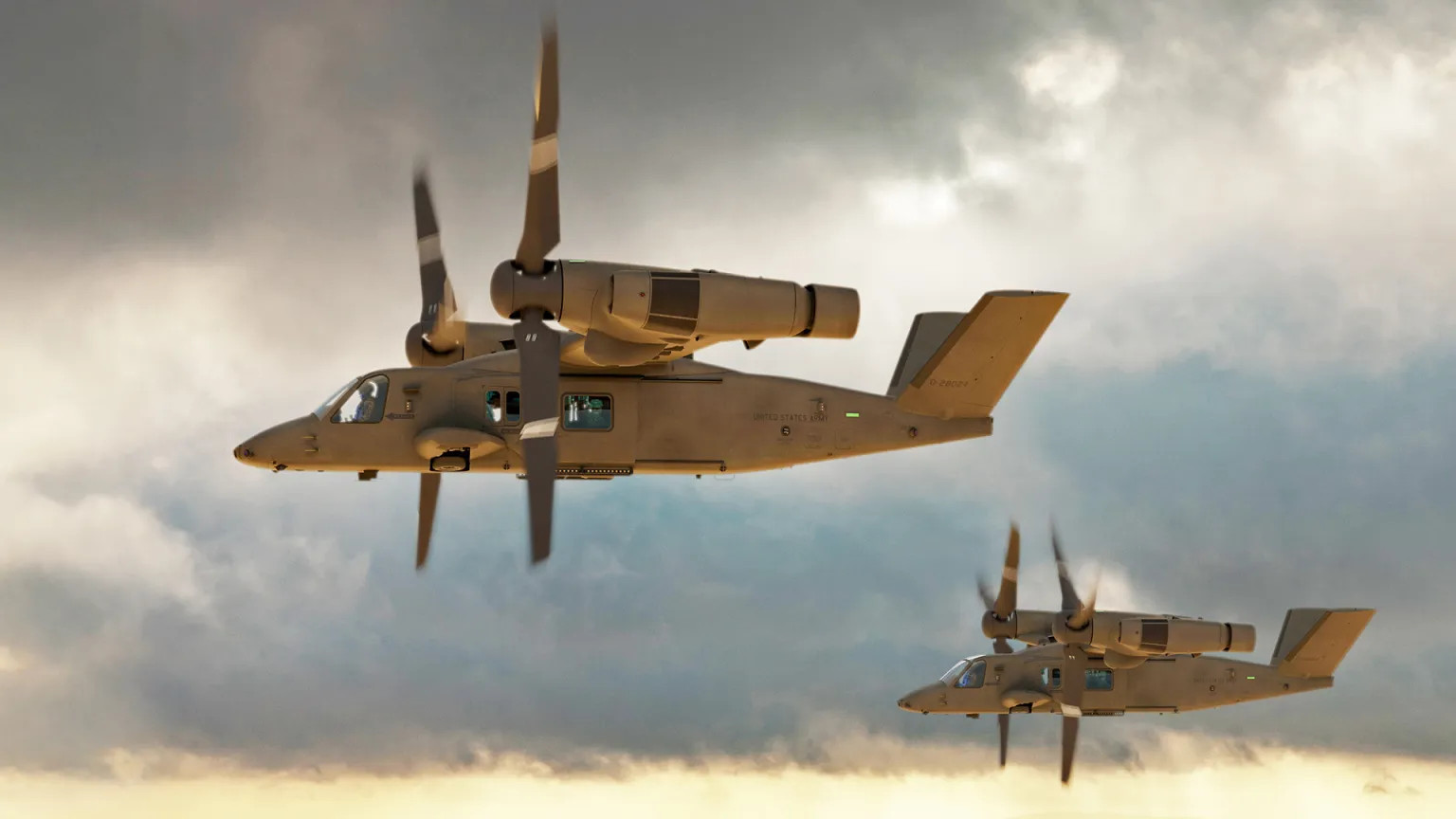
The U.S. Army is considering configuring at least a portion of its new MV-75A Cheyenne II tiltrotors to be able to refuel in flight using the probe-and-drogue method. This, in turn, has raised the question of how the service will ensure there is adequate tanker capacity to support that capability. Army officials and the MV-75A’s prime contractor, Bell, have both now pointed to a future where tanker drones like the U.S. Navy’s forthcoming MQ-25 Stingray could help extend the Cheyenne II’s reach.
Army Maj. Gen. Clair Gill discussed aerial refueling capability for the MV-75A, as well as other aspects of the Cheyenne II, during a talk yesterday at the Army Aviation Association of America’s (AAAA) 2026 Warfighting Summit, at which TWZ is in attendance. Gill is currently the service’s Program Acquisition Executive for Maneuver Air. The Army plans to replace a substantial portion of its H-60 Black Hawk helicopters with the MV-75A in the coming years.
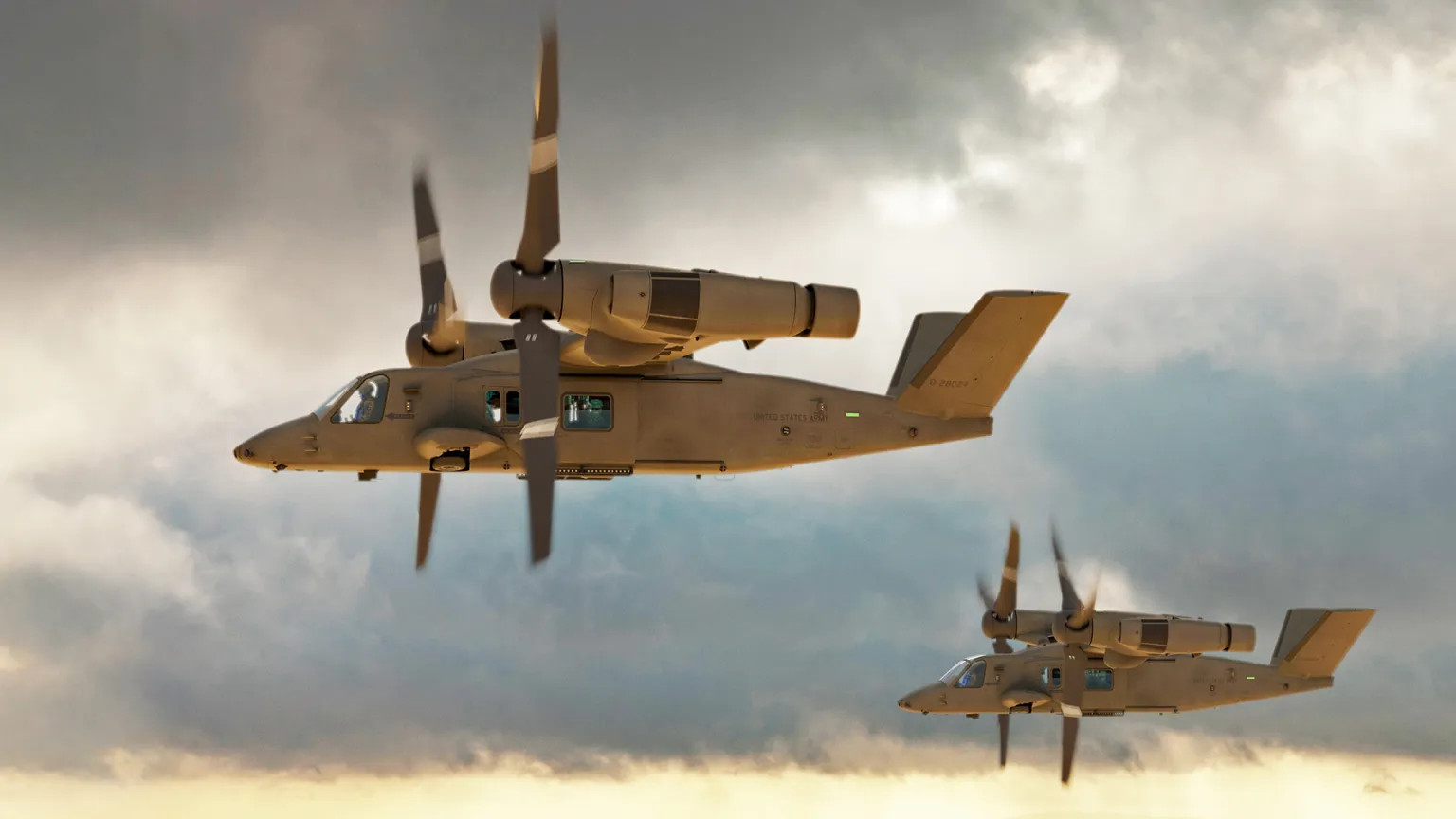
“Our last chief used to talk to me all the time about aerial refueling. We think that’s something. Maybe we don’t get all of them [the MV-75As] configured for that, but they’ll have the capability,” the Army’s top aviation acquisition officer added. “For industry, I want you to think about how are we going to refuel ourselves, right? One of the challenges, even the Regiment will tell you, and make it top priority – their challenge isn’t you know how good they are on par, their challenge is getting somebody to give them the gas.”
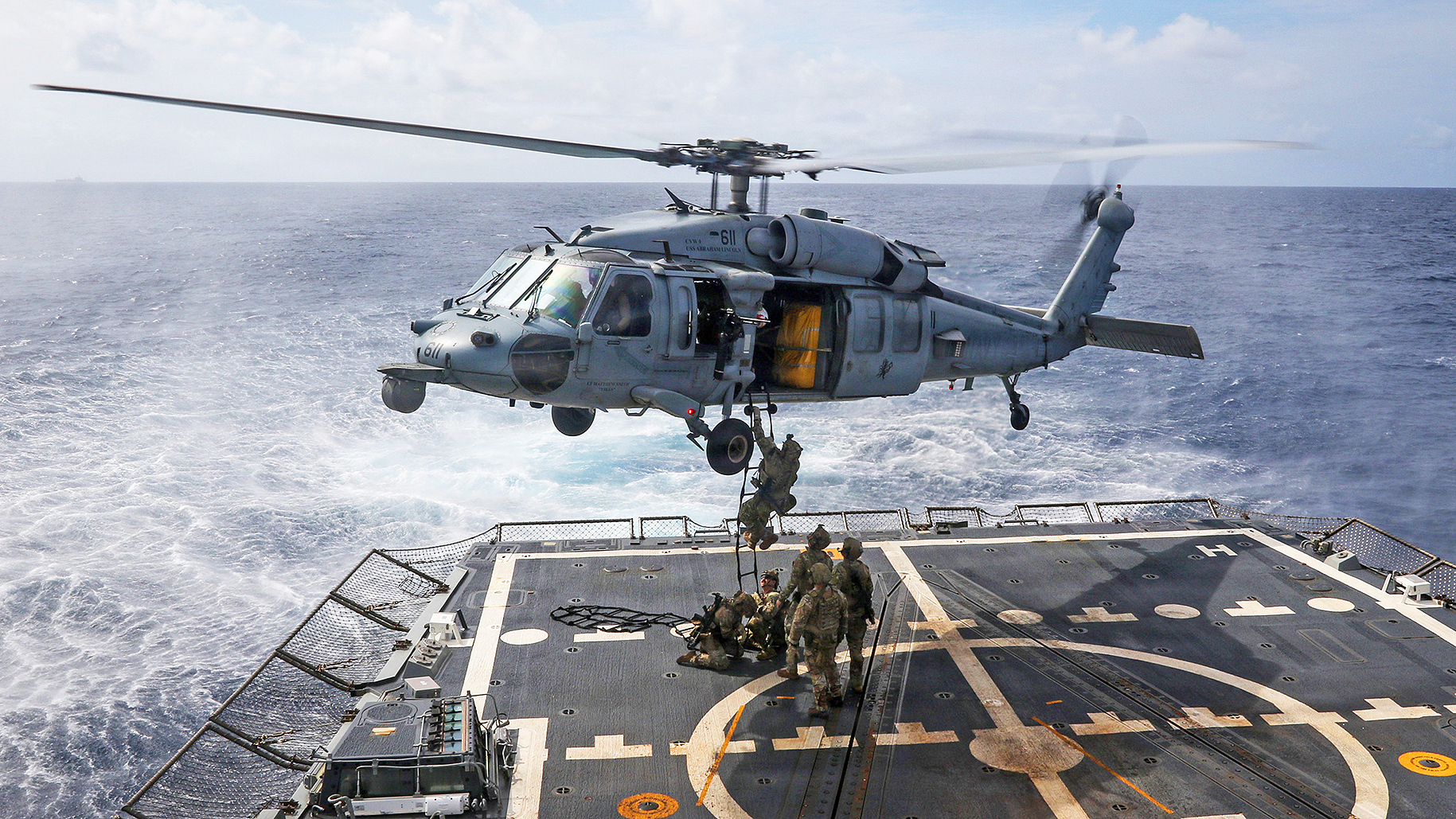
The “Regiment” that Gill refers to here is the Army’s elite 160th Special Operations Aviation Regiment (SOAR), also commonly known as the Night Stalkers. The 160th is expecting to eventually receive a special operations-specific configuration of the MV-75, which will include in-flight refueling capability by default, as you can read more about here. Existing Night Stalker MH-60M Black Hawk and MH-47G Chinook special operations helicopters also have the ability to refuel in flight via probe-and-drogue. However, Army Black Hawks and Chinooks assigned to conventional units do not have this capability.
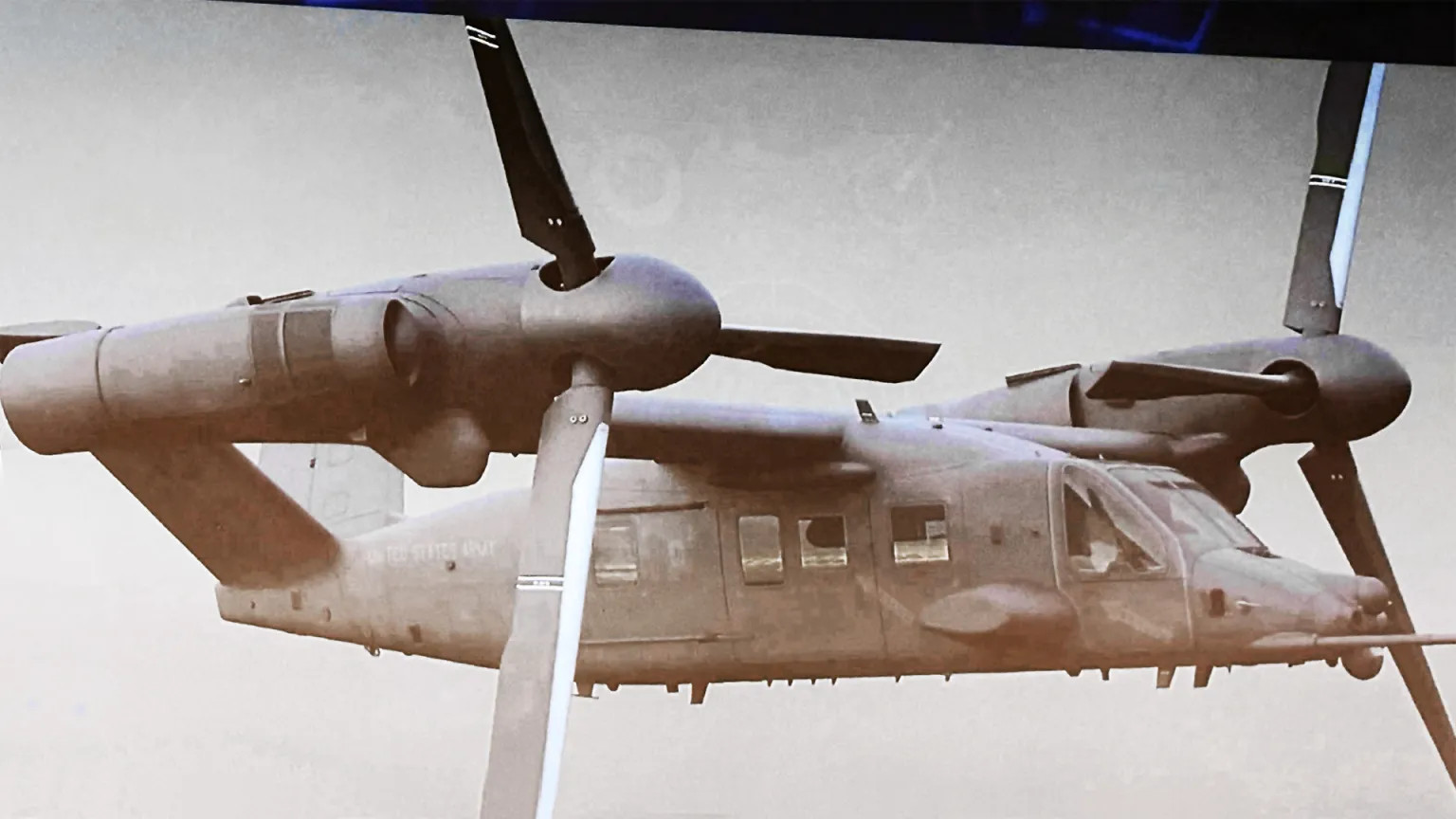
“The Navy’s got some pretty good unmanned ideas there if you want to kind of follow where we’re going,” Gill noted yesterday.
Gill did not specifically name Boeing’s MQ-25, but this is only the uncrewed tanker the Navy is currently pursuing, at least that we know about. Furthermore, Bell released a new computer-generated MV-75 promotional video yesterday around the AAAA conference, seen below, wherein a Cheyenne II is clearly depicted linking up with a Stingray, or an extremely similar-looking variant or derivative thereof.
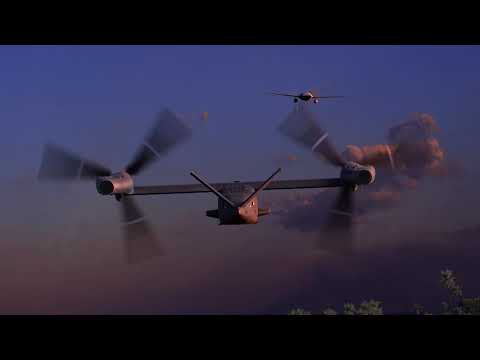
Meet the Cheyenne II
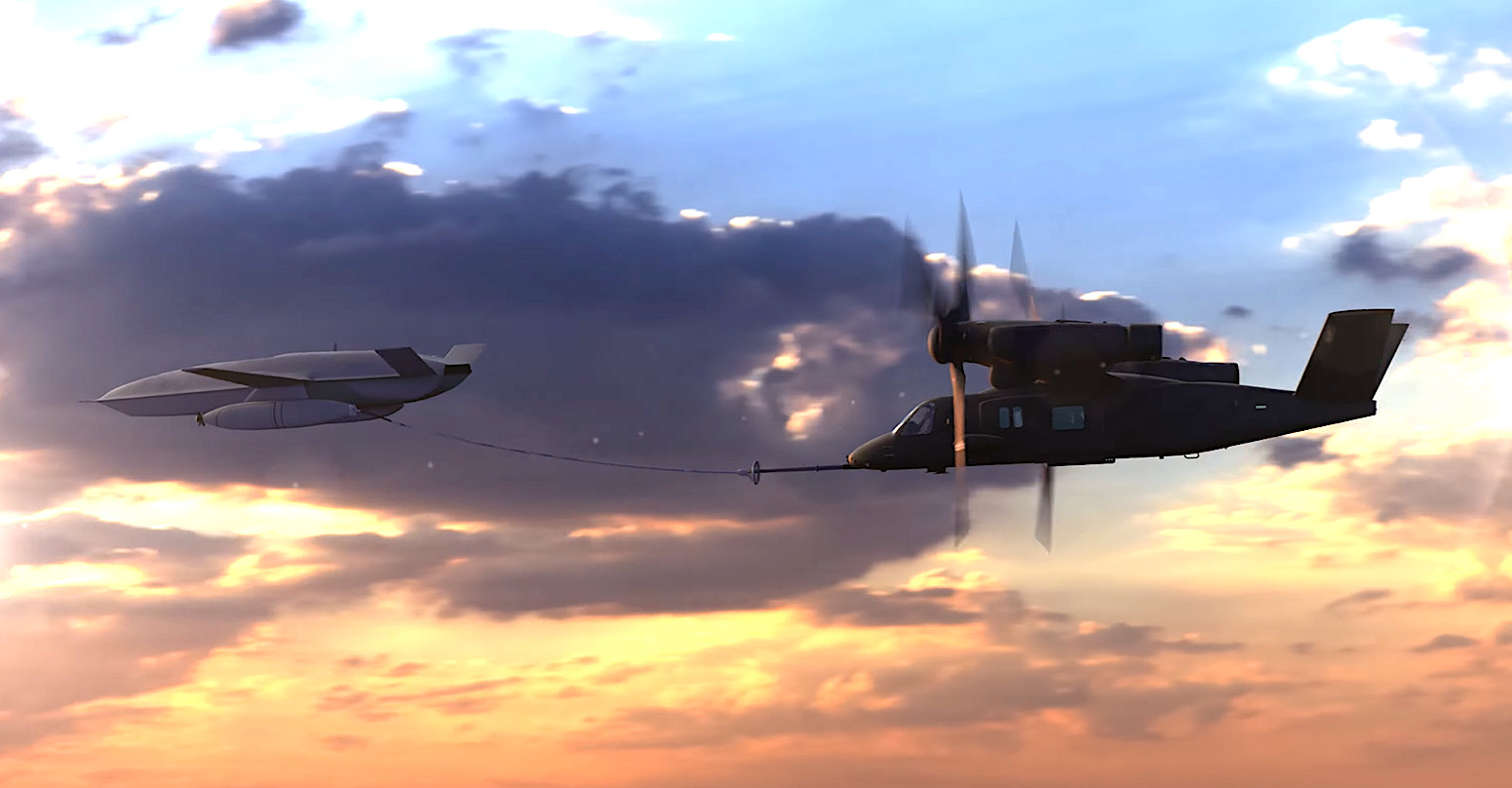
The MQ-25 is in development now primarily as a carrier-based platform, but there is no reason why it could not also operate from bases on land. Boeing has itself previously presented a concept for an enlarged, land-based derivative of the design that could help meet future U.S. Air Force tanking needs.
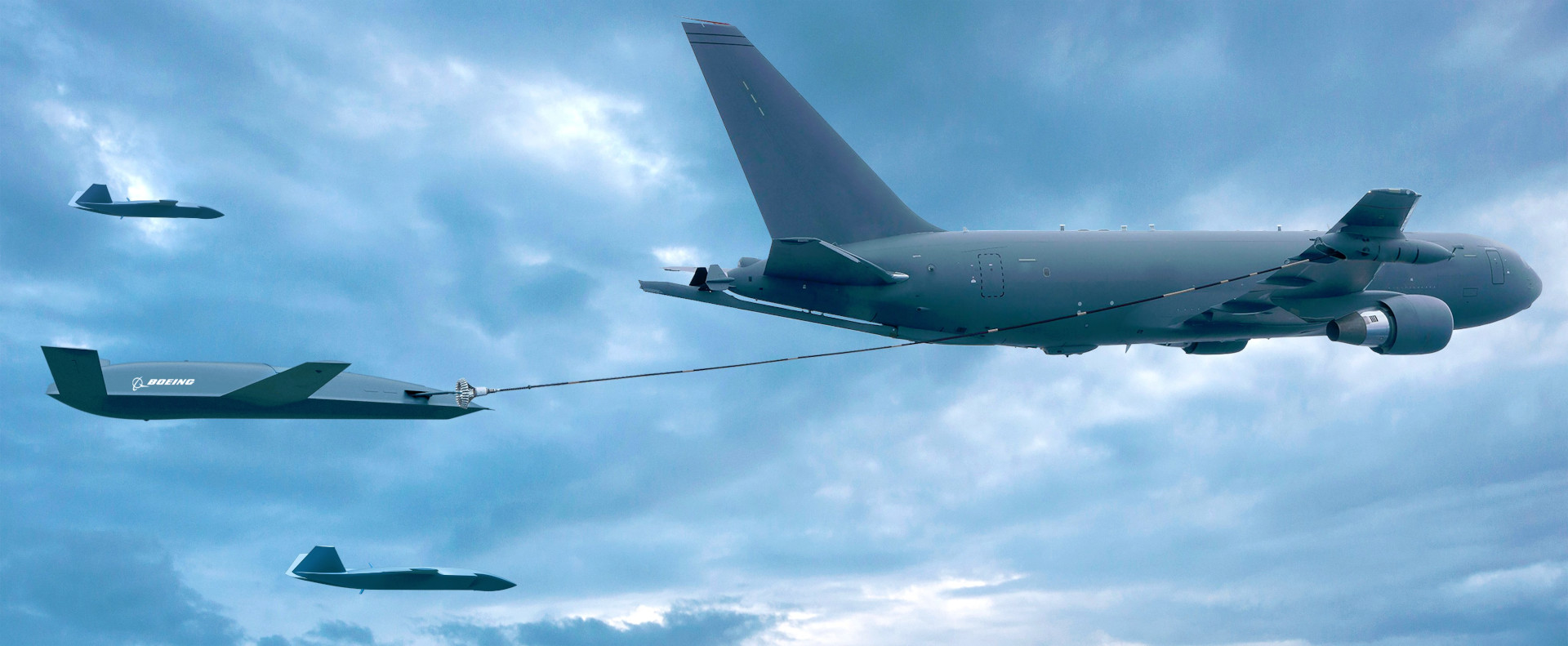
The MQ-25 by itself promised to offer very long endurance and extreme range, which could make it attractive in the land-based role, as well as when operating from carriers. TWZ has previously explored how those capabilities open the door to the Stingray being utilized as much more than a tanker, as well.
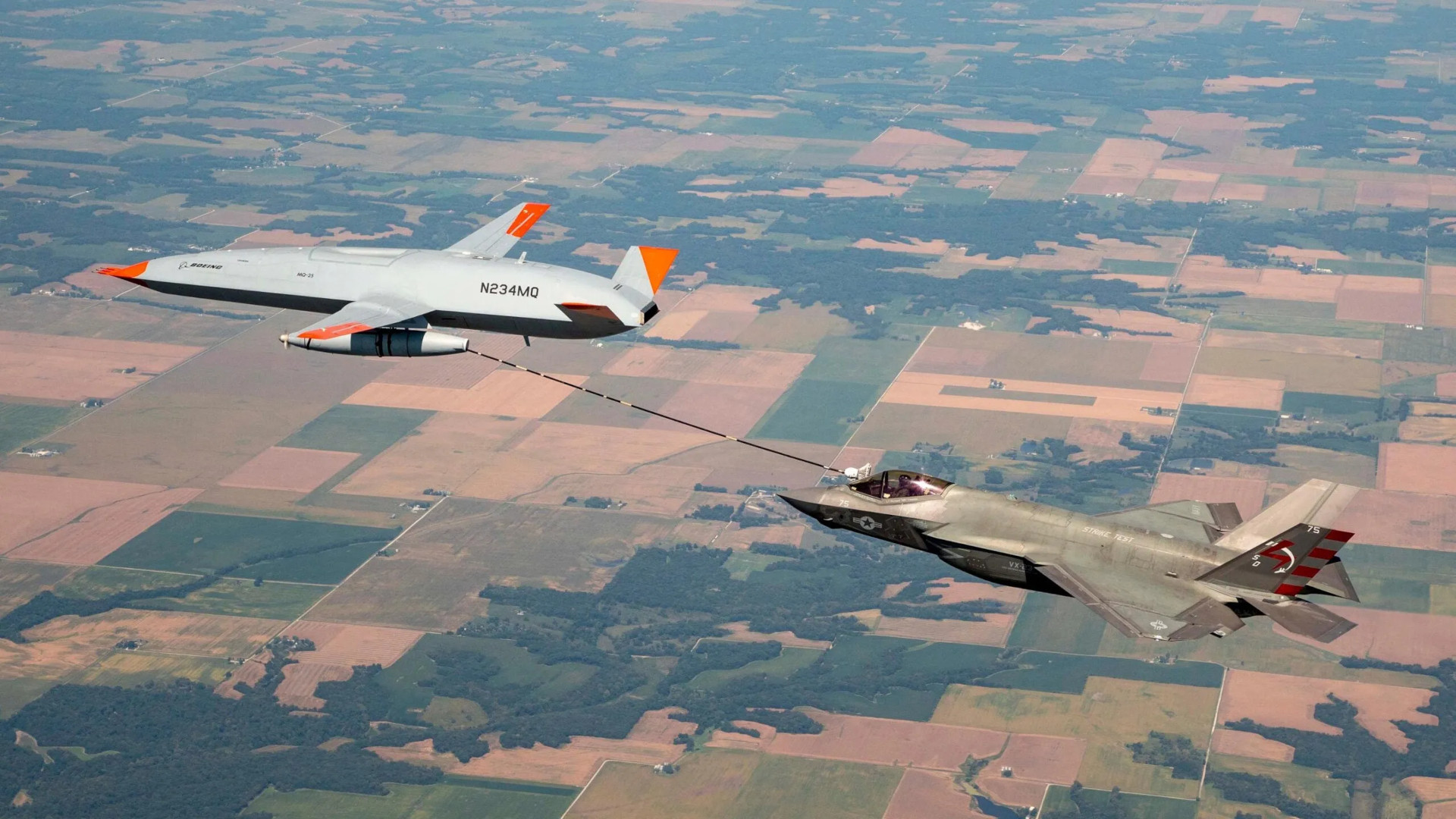
Currently, the U.S. Air Force provides probe-and-drogue aerial refueling capacity using KC-135 and KC-46 tankers, as well as HC-130J Combat King II combat search and rescue aircraft and MC-130J Commando II special operations tanker/transports. The U.S. Marine Corps and Navy also have C-130 variants that can be employed as tankers, as well as transports. Navy carrier air wings currently rely on F/A-18F Super Hornet fighters carrying buddy refueling stores and drop tanks to provide organic aerial refueling support.
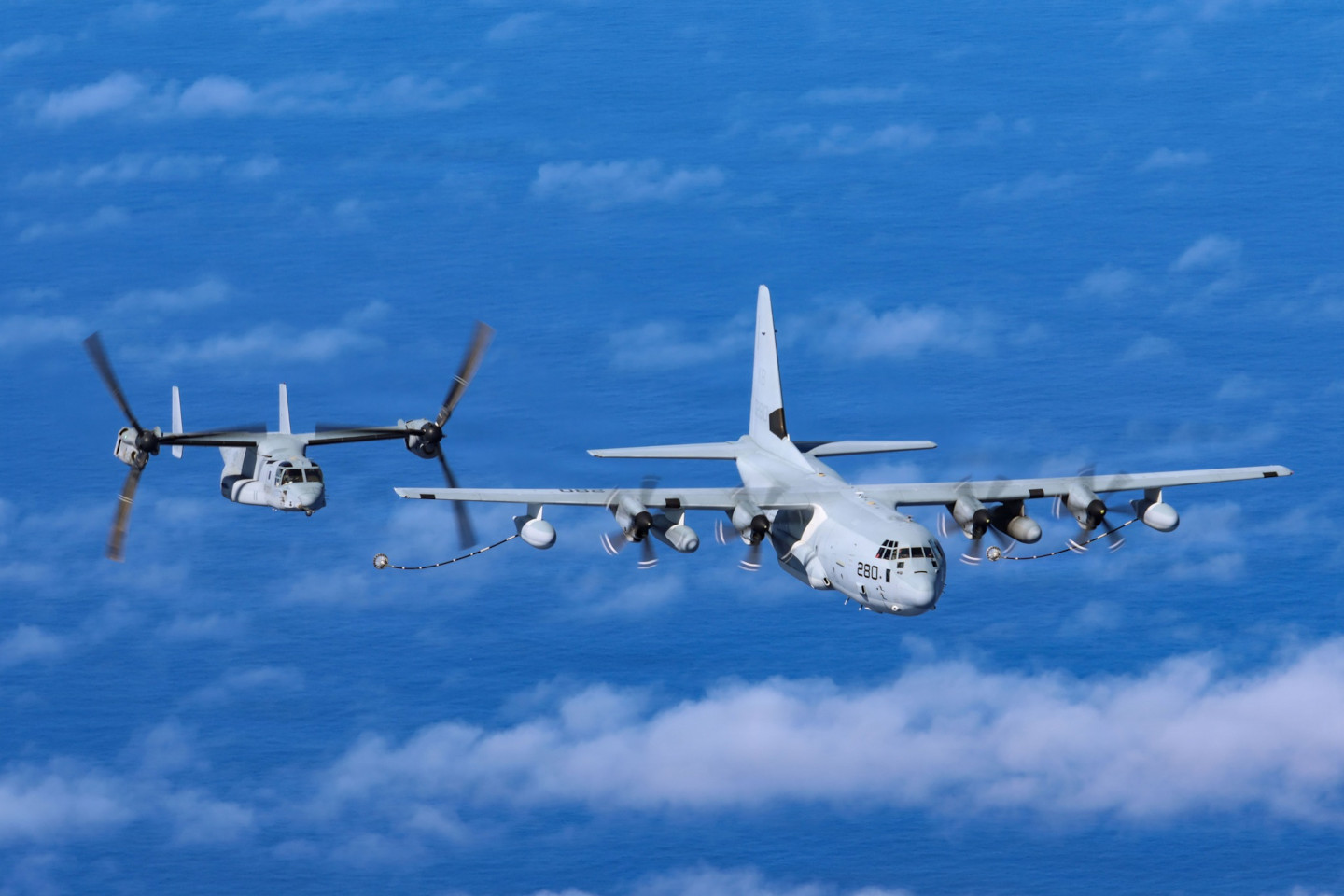
Shortfalls in aerial refueling capacity, even to meet peacetime demands, have been an increasingly concerning issue for years now. The Air Force just recently developed a system that allows A-10 Warthog attack jets to refuel via probe-and-drogue to create new operational flexibility for those aircraft, as you can read more about here. The A-10 was originally designed to refuel in flight using the boom method, which the Air Force prefers for fixed-wing aircraft.
On top of all this, the Army has no organic tanker capacity at present, at all. Furthermore, the formal division of roles and missions with the Air Force means that the service does not operate fleets of larger fixed-wing aircraft like the C-130 that could be readily adapted to this role. All of this would point to an uncrewed platform like MQ-25 as the most viable path to establishing an Army tanker force, which could also align better with its expeditionary air assault concepts of operations.
Army MV-75As could still make use of other tankers during joint operations, as well. There could be other organic air refueling options available to the service, too, including the possibility of adapting MV-75 itself to act as a buddy tanker.
The Army is separately advancing plans to acquire fleets of uncrewed aircraft capable of performing a variety of missions in close collaboration with the MV-75A and its existing fleets of crewed helicopters.
For the Army, demands for greater range and ability that cover those distances faster were key factors in the decision to acquire the MV-75A in the first place. The service sees these capabilities as particularly critical in the context of any future fight against China across the sprawling expanses of the Pacific.
“MV-75, as I mentioned, that’s our signature system,” Gen. Gill said yesterday. “Unmatched range, unmatched speed, unmatched mission flexibility.”
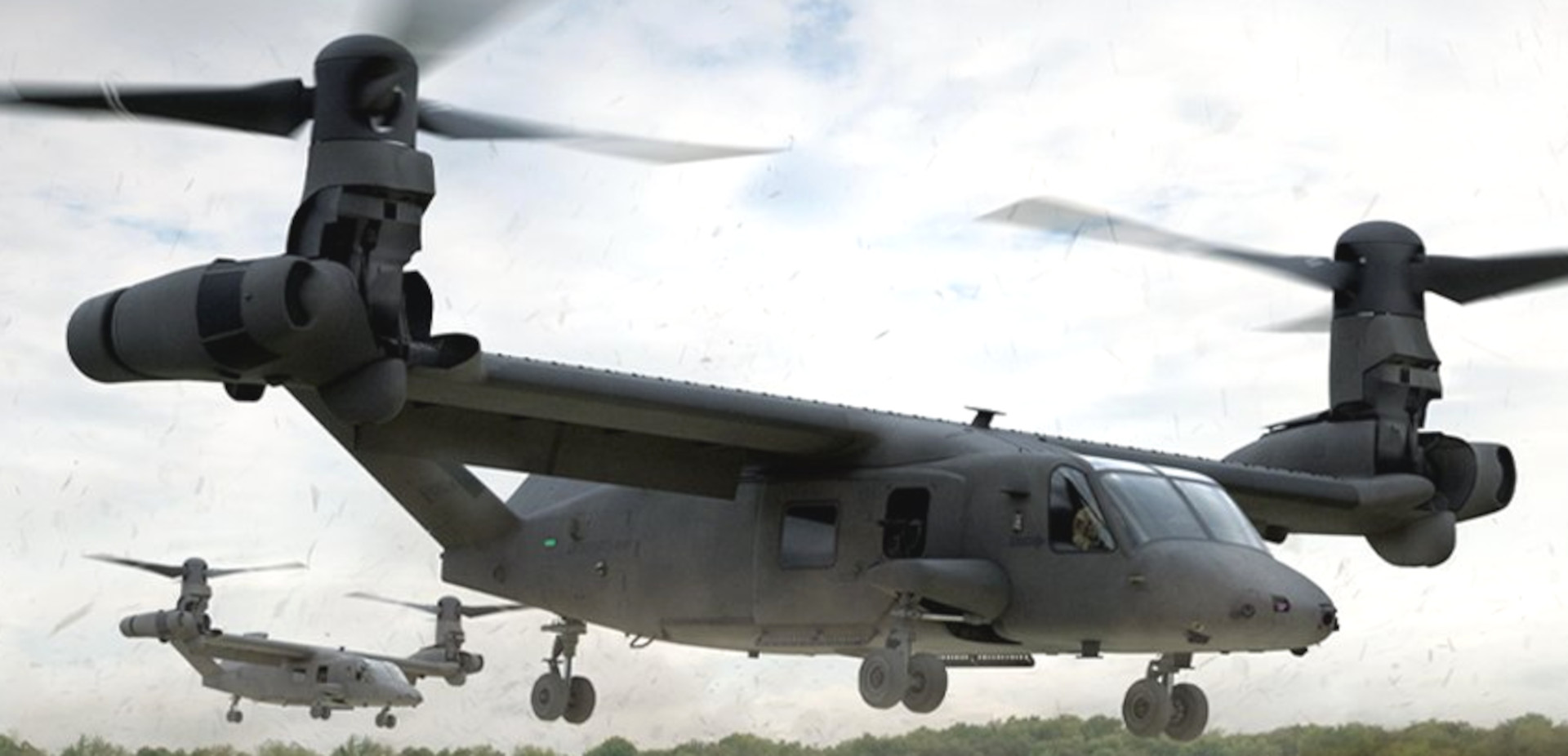
During a separate talk at the AAAA conference yesterday, Army Maj. Gen. David Gardner, head of the 101st Airborne Division, the service’s premier air assault formation, also highlighted a recent training exercise that included Marine Corps MV-22 Osprey tiltrotors. He said that was done specifically “to help our Division understand the operational reach that it will possess with the MV-75 Cheyenne.”
Units within the 101st are set to be the first to receive operation MV-75As, with or without aerial refueling capability. The Army had previously said that fielding would begin next year as part of a major acceleration of the program. However, has now stepped back from any fixed timeline for the first flight of the Cheyenne, let alone when Bell will begin delivering production examples.
“It’s going to happen when it’s going to happen. So we are moving as fast as we can,” Gen. Gill told TWZ and other outlets ahead of the AAAA conference this week. “If I was king, and I had all the money in the world and all the engineers, and there were no limits, we probably would be able to do it in a matter of months.”
As an aside, integrating aerial refueling capability onto the MV-75A, and working to pair it with tanker drones like MQ-25, could make the Cheyenne II, or variants thereof, attractive to other potential operators. The Marine Corps is now early in the process of refining requirements for a successor to the MV-22. The Navy has also said it is leveraging work the Army has done on the MV-75A to inform its plans for a Future Vertical Lift-Maritime Strike (FVL-MS) family of systems to succeed its MH-60R and MH-60S Seahawks, as well as the MQ-8C Fire Scout drone helicopter. Bell has presented concepts for variations of its V-280 Valor tiltrotor, on which the MV-75A is based, optimized for supporting amphibious assault and other naval missions in the past.
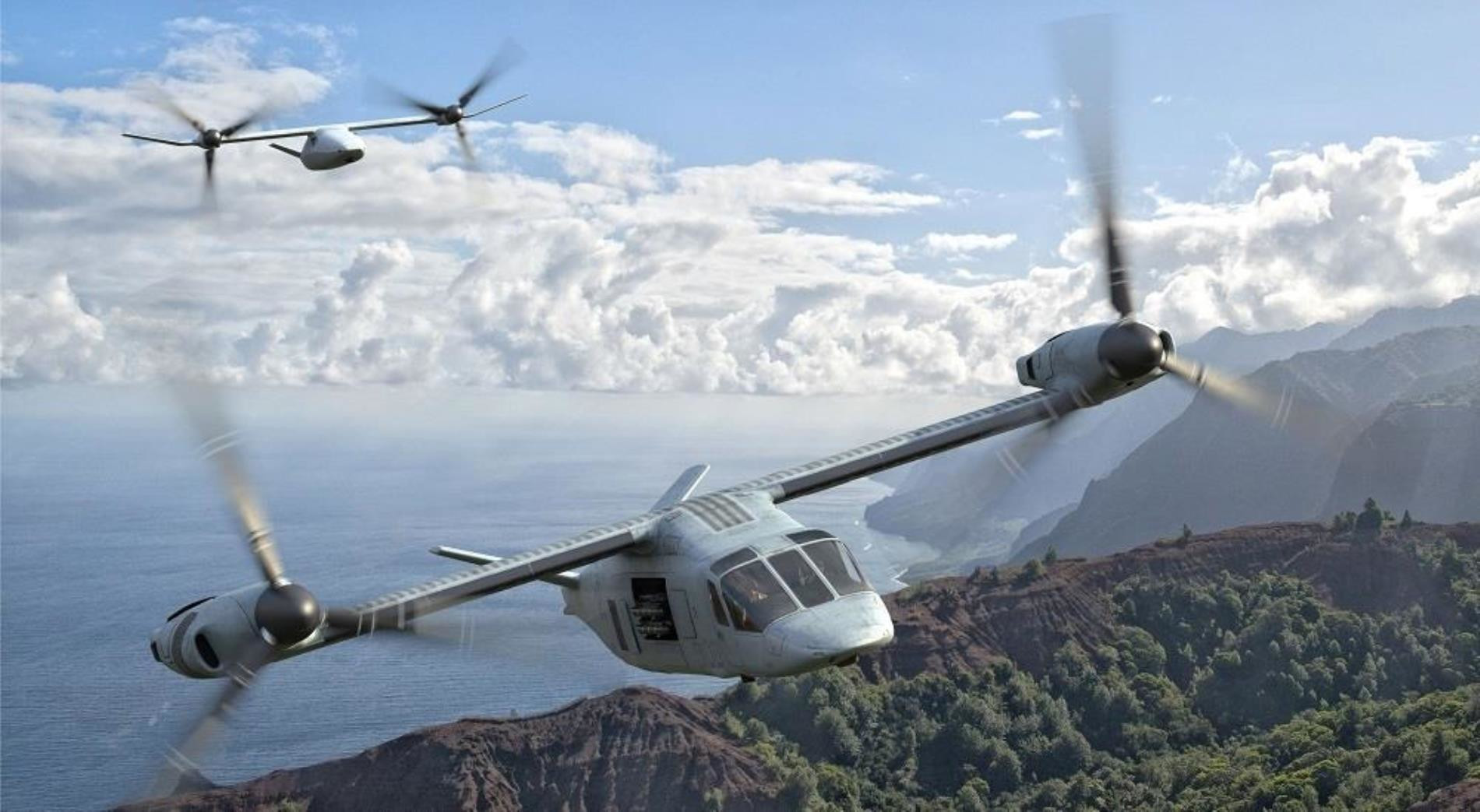
As it stands now, the Army does not appear to have made a final decision on the extent to which it expects to integrate in-flight refueling capability in its future MV-75A fleet. That will have a direct impact on any pursuit of an organic tanker capability.
Still, the Army and Bell are already pointing to the MQ-25 as an example of what could be on the horizon to help further extend the reach of the Cheyenne II.
Contact the author: joe@twz.com
editor's pick
latest video

news via inbox
Nulla turp dis cursus. Integer liberos euismod pretium faucibua