Paramount defends Warner Bros merger amid backlash, says it will benefit movie theaters
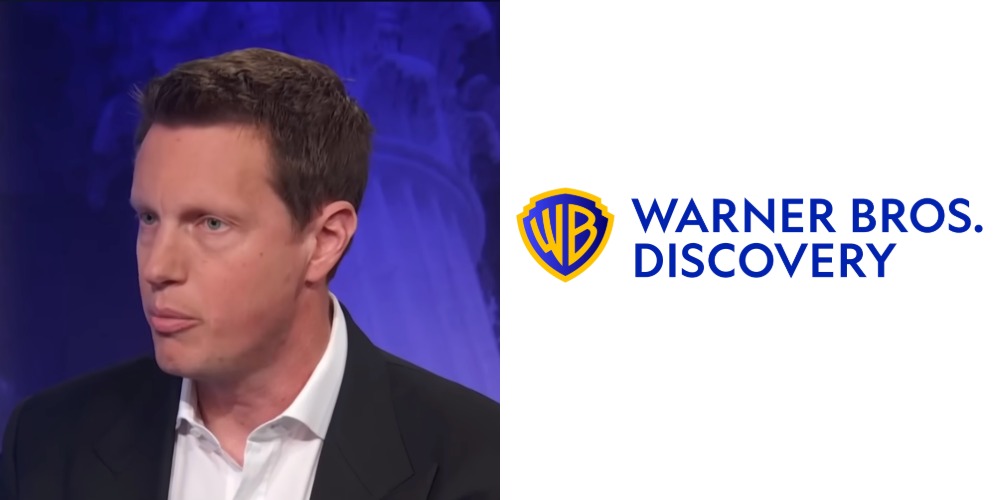
Paramount, in a recent letter to California Attorney General Rob Bonta, has defended its proposed merger with Warner Bros Discovery, saying that the move would boost theatrical distribution.
Paramount’s chief legal officer, Makan Delrahim, wrote in the letter, “The disappearance of theaters is a shame, and a waste, and a lost opportunity. The headwinds facing the movie theater industry have also presented a real challenge for studios like Paramount and WBD, which have long depended upon theatrical releases as a marketing and cultural touchstone for the feature films they create and distribute.”
“Paramount’s proposed merger with WBD will help drive meaningful improvements for movie theaters and their audiences. To compete more effectively with Netflix, and others leading services, a combined Paramount-WBD will need to capture audiences’ attention in fresh ways, and that includes broadening theatrical distribution to tap into the magic of the moviegoing experience and create momentum behind films before they reach streaming services,” the letter continued.
Delrahim wrote that Paramount’s Chairman and CEO, David Ellison, has committed to releasing at least 30 films every year post-acquisition, 15 coming from each brand, with each film having at least a 45-day theatrical release. “Paramount has repeated that commitment unequivocally multiple times in several forums—an open letter to the creative community, a letter to members of Congress, and a statement to Paramount investors. That pledge makes sense: theaters are a core part of the combined firm’s strategy to drive engagement both on and off the big screen.”
The letter states that the merger between the two companies would create “a new opportunity for the parties to compete at scale” against streaming giants such as Netflix, Amazon, and Disney, “in part by leaning into theatrical releases to attract audiences and ultimately subscribers. Theatrically released films represent an important way for streaming services to attract new customers and reduce churn.”
Noting the examples of blockbuster movies Top Gun: Maverick and Dune: Part Two, Paramount said that theatrical releases “increase awareness and anticipation through marketing and word-of-mouth, and then help convert that demand into viewing when the title later becomes available (and promoted) on the platform. With a continued focus on theatrical distribution, Paramount gains opportunities to cross-promote and engage new audiences for future releases.”
The letter also addressed concerns from industry observers, who “have suggested that the 2019 Disney-Fox merger—and Disney’s subsequent reductions in their number of theatrical releases—may be a cautionary tale for the present transaction.” Paramount said that Disney had begun reducing its theatrical releases prior to acquiring Fox, Disney acquired the company just a year before the pandemic and shortly before launching its streaming service, and the company’s motivation for acquiring Fox “was largely about acquiring majority control of Hulu,” among other reasons.
“Given all the obvious flaws with using a dated, pre-pandemic, structurally different merger as an analogy for the present transaction, we do not see any viable conclusions that one can draw from Disney-Fox. Indeed, as noted above, the more recent combination of Amazon and MGM’s studios led to a substantial increase rather than decrease of theatrical releases.”
The letter comes as Bonta is reportedly considering an antitrust challenge to the merger, per Deadline. A spokesperson for Bonta told the outlet in response to the letter, “The Paramount acquisition of Warner Brothers remains an active investigation and we do not have any updates to share at this time.” Bonta told the outlet in March, “Whenever there’s major corporate consolidation like this, there’s a concern that we might see increased prices, lower wages, reduction in competition, limits in choice, lower quality, all those things. That’s why there is antitrust law in the first place.”
editor's pick
latest video

news via inbox
Nulla turp dis cursus. Integer liberos euismod pretium faucibua