New Nuclear Bunker Buster Bomb Plans Revealed
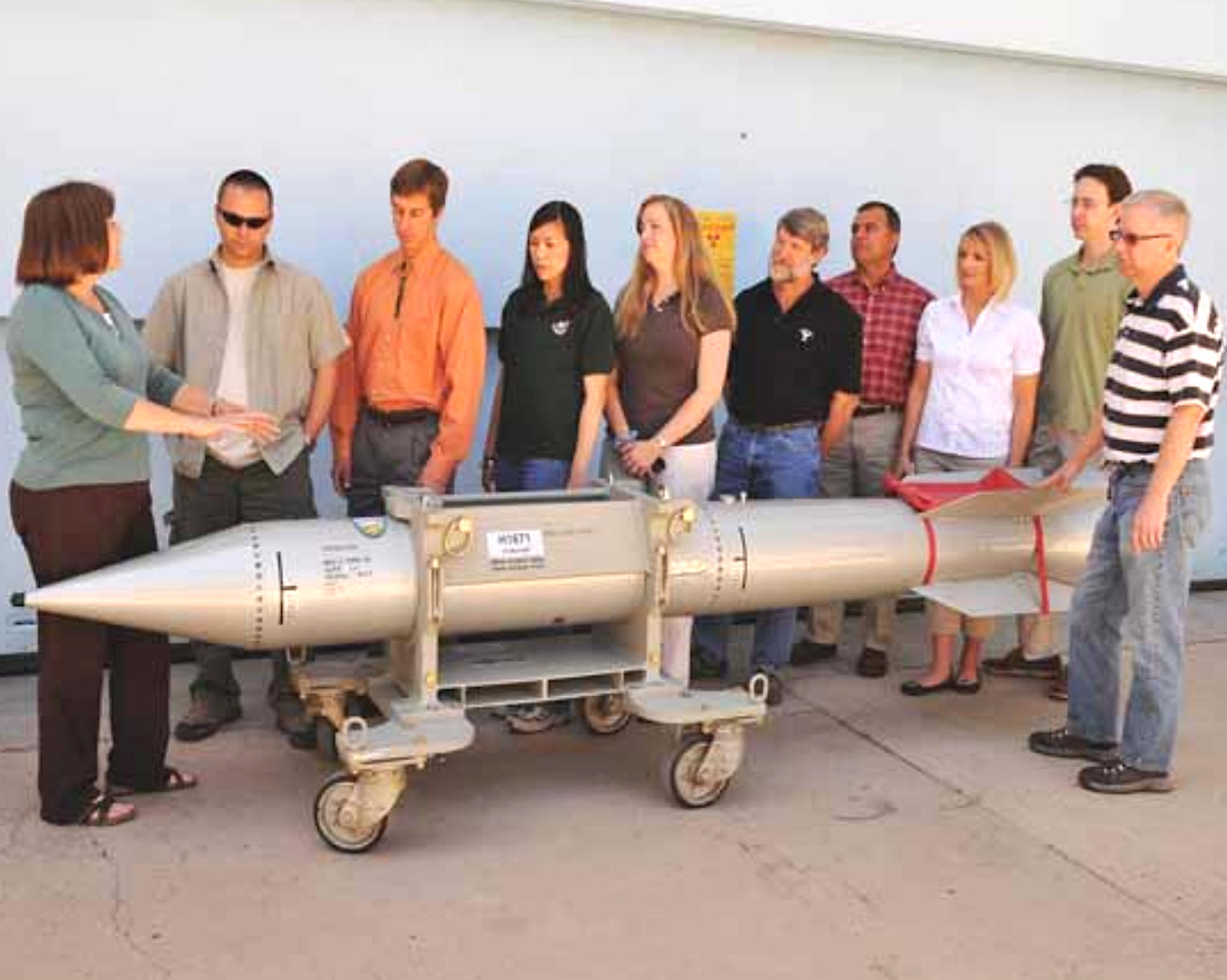
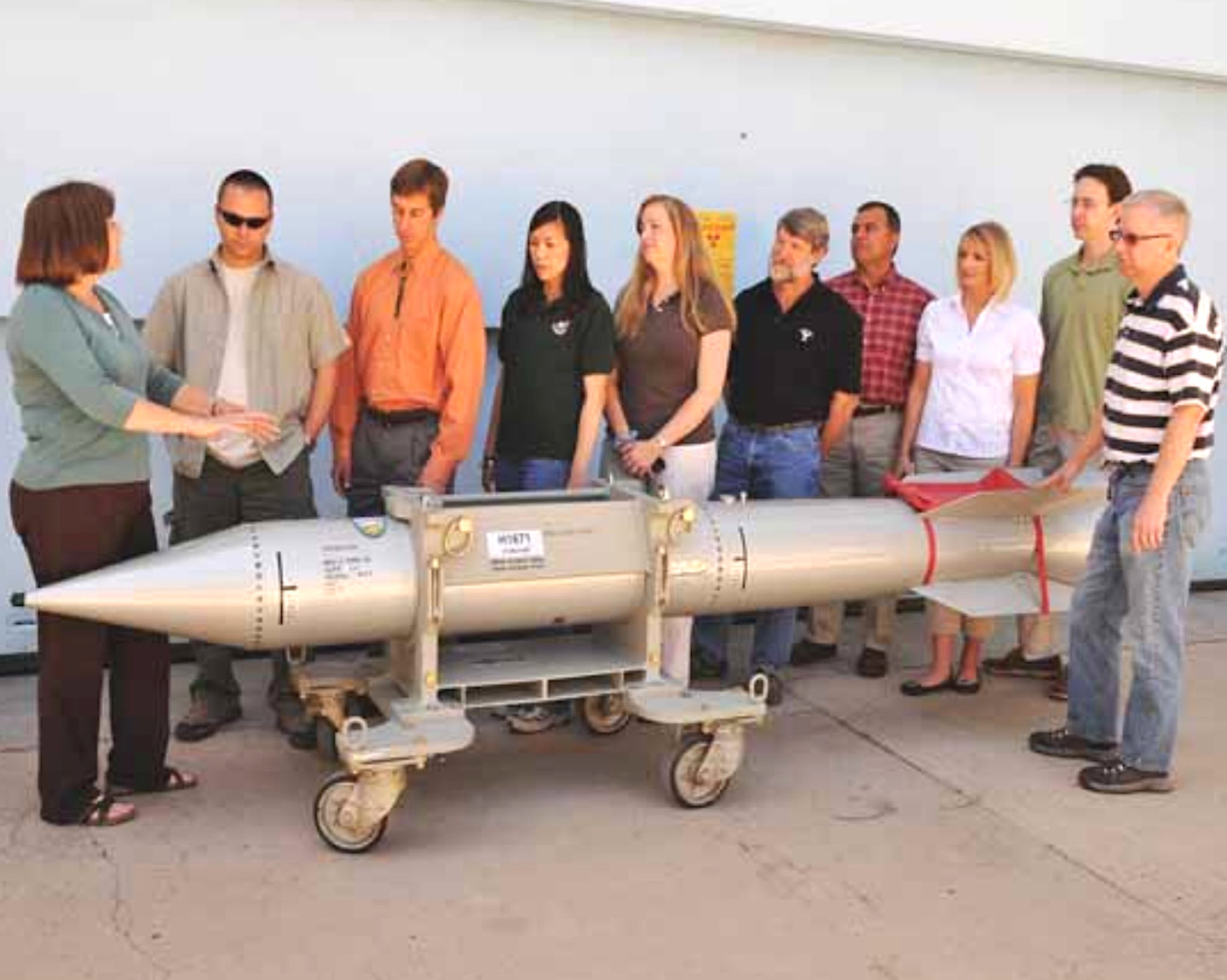
The Department of Energy is seeking millions of dollars for work in part on a new bunker-busting nuclear weapon called the Nuclear Deterrent System-Air-delivered (NDS-A) in its latest budget request. At present, there is only one specialized air-delivered deep-penetrating weapon known to be in America’s nuclear stockpile, the B61-11 gravity bomb, and there have been discussions about a potential successor for decades now.
The Fiscal Year 2027 budget request for the Department of Energy, which was released last month, includes a new line under Weapons Activities for Future Programs. The Department is asking for $99.794 million in the next fiscal cycle to support those efforts.
“The Increase represents the start of one new Phase 6.X program, currently known as Phase 1 Nuclear Deterrent System-Air-delivered (NDS-A), as well as supporting production assessments for two new Rapid Capability Team (RCT) projects,” according to a public summary of what the Future Program funding would support.
The Department of Energy, in cooperation with the U.S. military, develops, produces, and sustains nuclear weapons, and uses a multi-phase rubric to categorize where they are in their respective life cycles. The Phase 6.X process is itself broken into several stages, spanning all the way from the definition of the basic concept of a weapon and its requirements through to full-scale production.
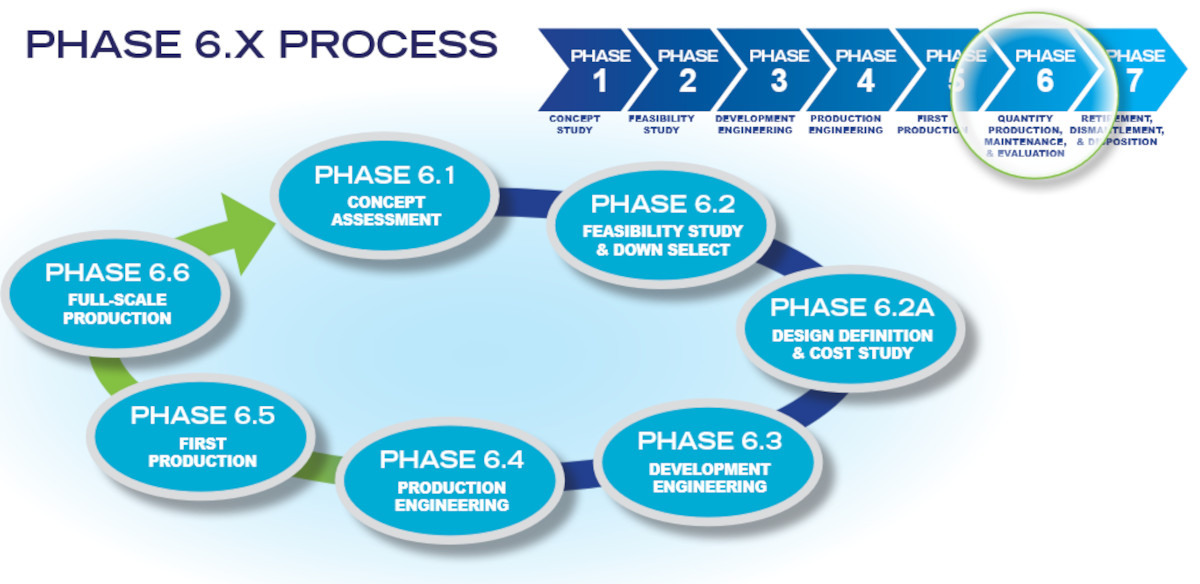
Where the NDS-A may already be in the process is unknown, but the mention of “Phase 1” here could point to Phase 6.1, which is the basic concept assessment stage. Beyond that it will be air-delivered, there are also no details currently available publicly about the weapon’s design, including whether it will be based on something already in the stockpile. It is also not known if it will be an unpowered bomb or a missile/rocket-assisted weapon of some kind. We will come back to this point later on.
“The Nuclear Deterrent System-Air-delivered will provide the President with additional nuclear options to defeat Hard and Deeply Buried Targets, ensuring that adversaries cannot place their most valued assets beyond the reach of America’s nuclear forces,” a spokesperson for the National Nuclear Security Administration (NNSA) told TWZ when asked for more information. “The program is moving aggressively, and further information will become publicly available when it is strategically beneficial to the United States.”
Within the Department of Energy, NNSA is specifically responsible for nuclear weapons-related activities.
As noted, at present, the B61-11 is the only air-delivered nuclear weapon in the U.S. stockpile today that is specifically designed to address this target set. The B61-11 is based on the earlier B61-7, but is substantially different in form and function. It has a heavily reinforced outer shell, possibly with a depleted uranium penetrating nose section, and a rocket booster at the rear to help it penetrate down into underground facilities. Sources differ on the maximum yield of the B61-11, but it is said to either be between 340 and 360 kilotons (identical to that of the B61-7) or to be closer to 400 kilotons. There are also reportedly fewer than 100 of these bombs in the stockpile.
You can learn more about the entire B61 family, the first versions of which entered service in the 1960s, here.
For a time, the newer B61-12 variant, which has a precision guidance package in a new tail kit, was considered as a potential successor to the B61-11. The B61-12 is also a dial-a-yield design with multiple yield settings, but the highest one is reportedly 50 kilotons. The logic was that improved accuracy would allow for more precise placement of the bomb, and, by extension, of its explosive force. This, in turn, would make up for its lack of deep-penetrating capability and more limited yield. The plan to supplant the B61-11 with the B61-12 was subsequently abandoned.
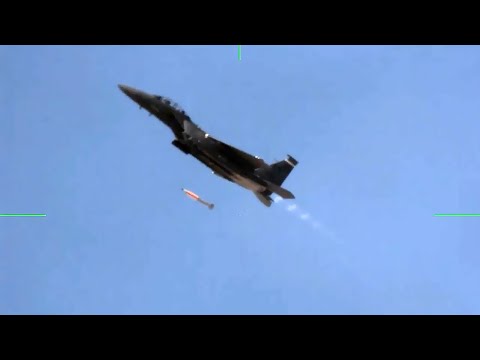
B61-12 full-weapon system demonstration at Tonopah Test Range
More recently, a more powerful B61-13 variant, which features the same precision guidance tail kit as the B61-12, was developed explicitly to provide “the President with additional options against certain harder and large-area military targets.” This version is understood to have a maximum yield in line with the B61-7. However, the U.S. government has also previously said that the B61-13 is not intended as a direct replacement for the B61-11, according to the Federation of American Scientists (FAS).
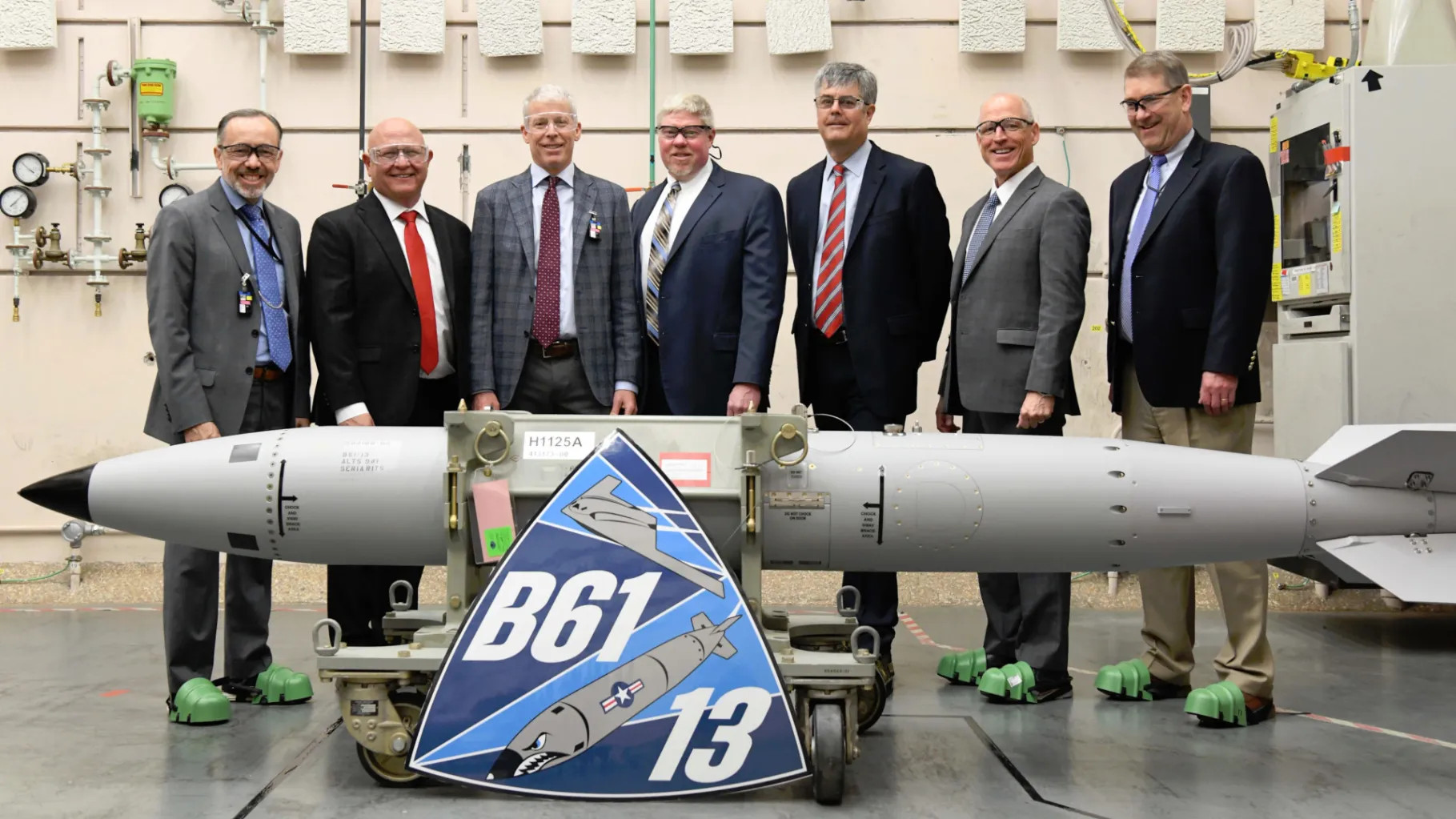
The U.S. military also has B83-1 nuclear gravity bombs in the stockpile, which are of a completely different design from the B61 series and have a far more powerful megaton-class maximum yield. By virtue of that high yield, the B83-1 is also intended to be used against certain deeply buried and otherwise hardened facilities, as well as large-area targets.
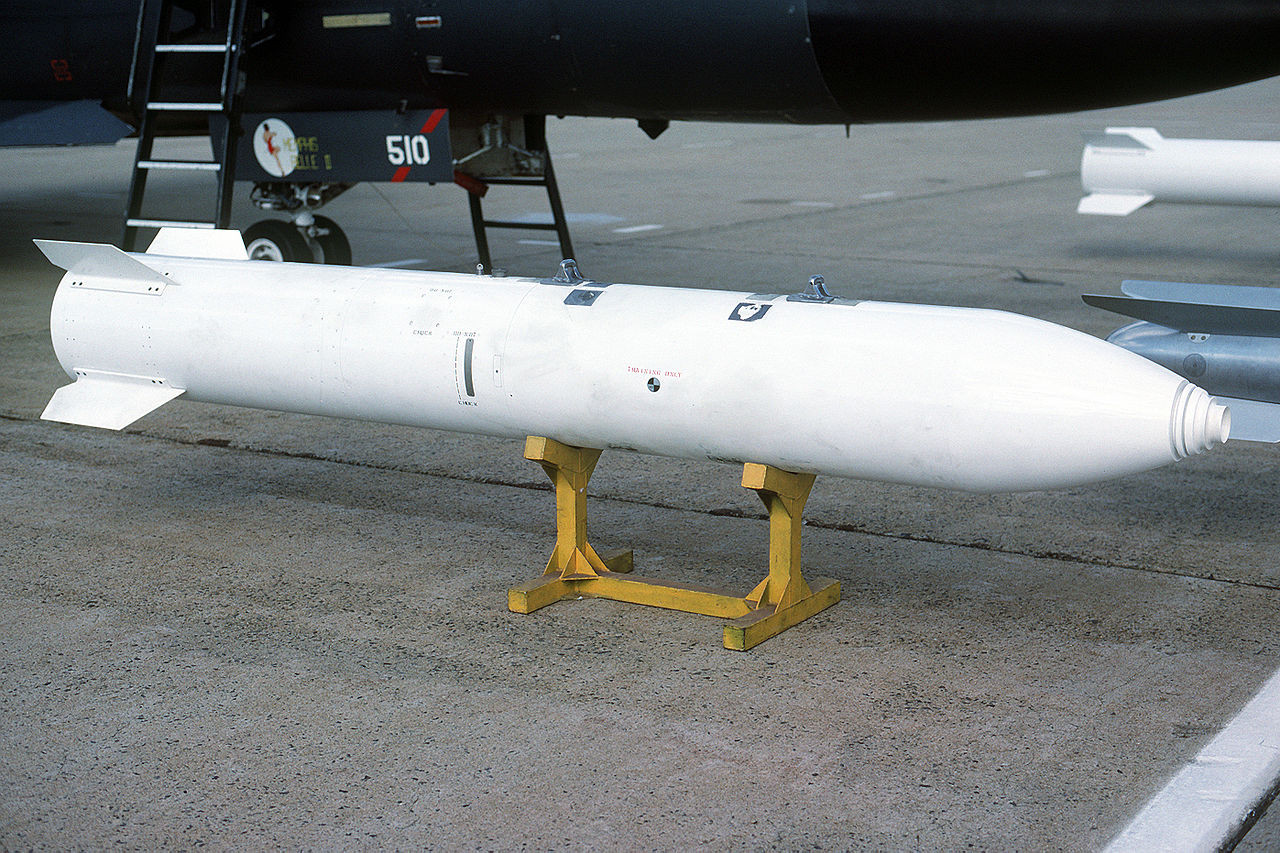
In the early 2000s, NNSA, in cooperation with the U.S. Air Force, did explore the possibility of developing a B61-11-like bomb on the basis of the B83-1, as well as a new deep-penetrating version of the B61 itself. In 2005, Congress brought a halt to work on what was dubbed the Robust Nuclear Earth Penetrator (RNEP).
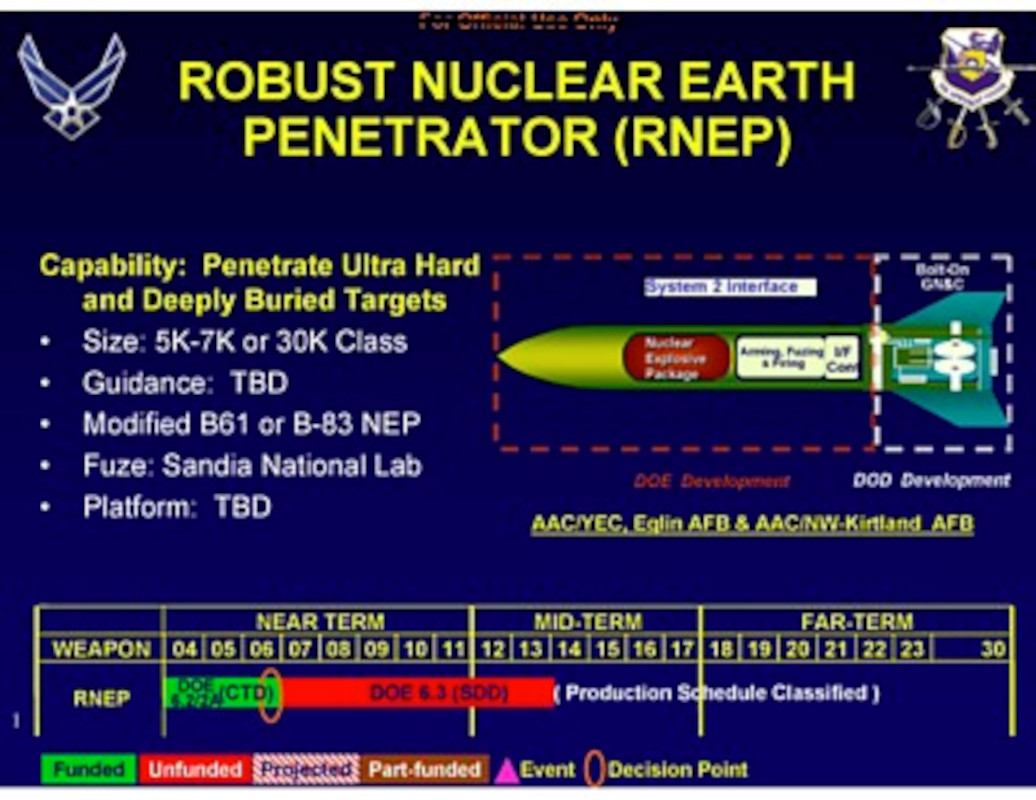
There have been hints since then, however, about possible revivals of the RNEP concept and/or other plans for a true successor to the B61-11.
What may be prompting the requirement for the NDS-A now is unknown. There are deeply-buried targets only a nuclear weapon can realistically destroy. The development of the B61-11 is understood to have been prompted heavily by one such facility in particular, Russia’s Kosvinsky Kamen bunker. Kosvinsky Kamen is a key node in the Russian nuclear command and control enterprise and was built under a mountain of the same name in the northern Urals. The nature of its location and design also means it could serve as a so-called “continuity of government” site for senior leadership to operate from before or after a nuclear strike or in response to some other major emergency.
However, the landscape of deeply-buried, hardened facilities that U.S. authorities would be interested in holding at risk has grown substantially in the past two decades since work, at least publicly, on RNEP came to an end.
The Russian and Chinese governments have been expanding on their already significant arrays of subterranean facilities. In China, this includes the construction of vast fields of new intercontinental ballistic missile (ICBM) silos, as well as work on a new underground command center outside of the capital, Beijing, just in recent years.
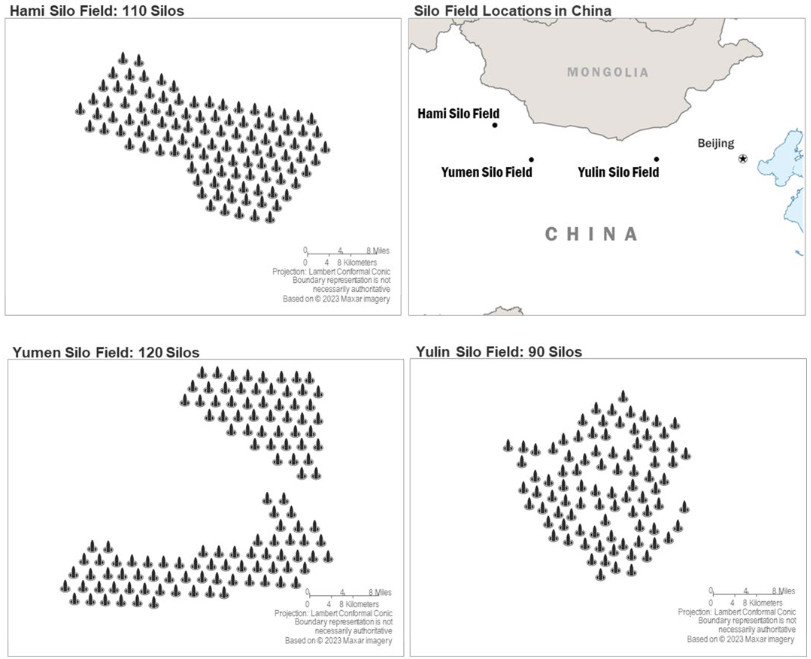
Other, smaller countries, like North Korea and Iran, have been investing in new underground and other hardened facilities, as well. This has been driven in many cases by concerns about the prospect of conventional strikes carried out by the U.S. military and others.
In the past year, the matter of Iran’s deeply buried nuclear facilities, and the limits of U.S. conventional options for prosecuting those targets, has been an especially hot-button issue. During Operation Midnight Hammer in June 2025, U.S. B-2 bombers struck Iranian nuclear sites at Fordow and Natanz with 30,000-pound-class GBU-57/B conventional bunker buster bombs. The outcome of that operation remains a subject of heated debate and is deeply intertwined with the justifications for U.S. and Israeli forces launching the latest campaign against Iran in February. U.S. officials are now at a crossroads with how to proceed with operations targeting Iran, which has now turned to a maritime blockade, at least for the time being, following the announcement of a ceasefire in April.
The video below is a montage of imagery from GBU-57/B MOP tests over the years.
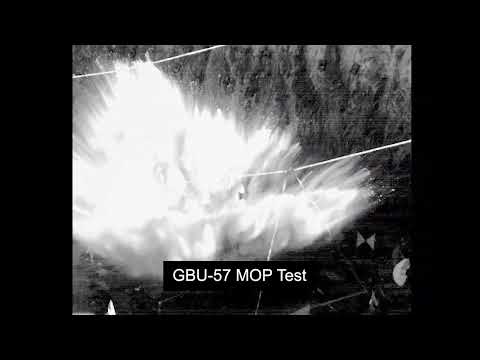
GBU-57 MOP test
Broader concerns about just getting the B61-11 to its intended target in the future may also be a factor driving plans now for the new NDS-A nuclear bunker buster. Unpowered bunker buster bombs, nuclear or conventional, need to be released relatively close to their targets. The kinds of facilities that the B61-11 is intended to be employed against are deep inside hostile territory, behind layers of integrated air defenses. Major potential adversaries, as well as smaller nation states and even non-state actors, are only expected to expand the scale and scope of their defensive architectures in the coming years. With all this in mind, it is not surprising that the more survivable B-2 is currently the only platform certified to employ the B61-11, as well as the conventional MOP. It is more or less a given that both of those weapons will be integrated onto the forthcoming B-21 Raider for the same general reasons.
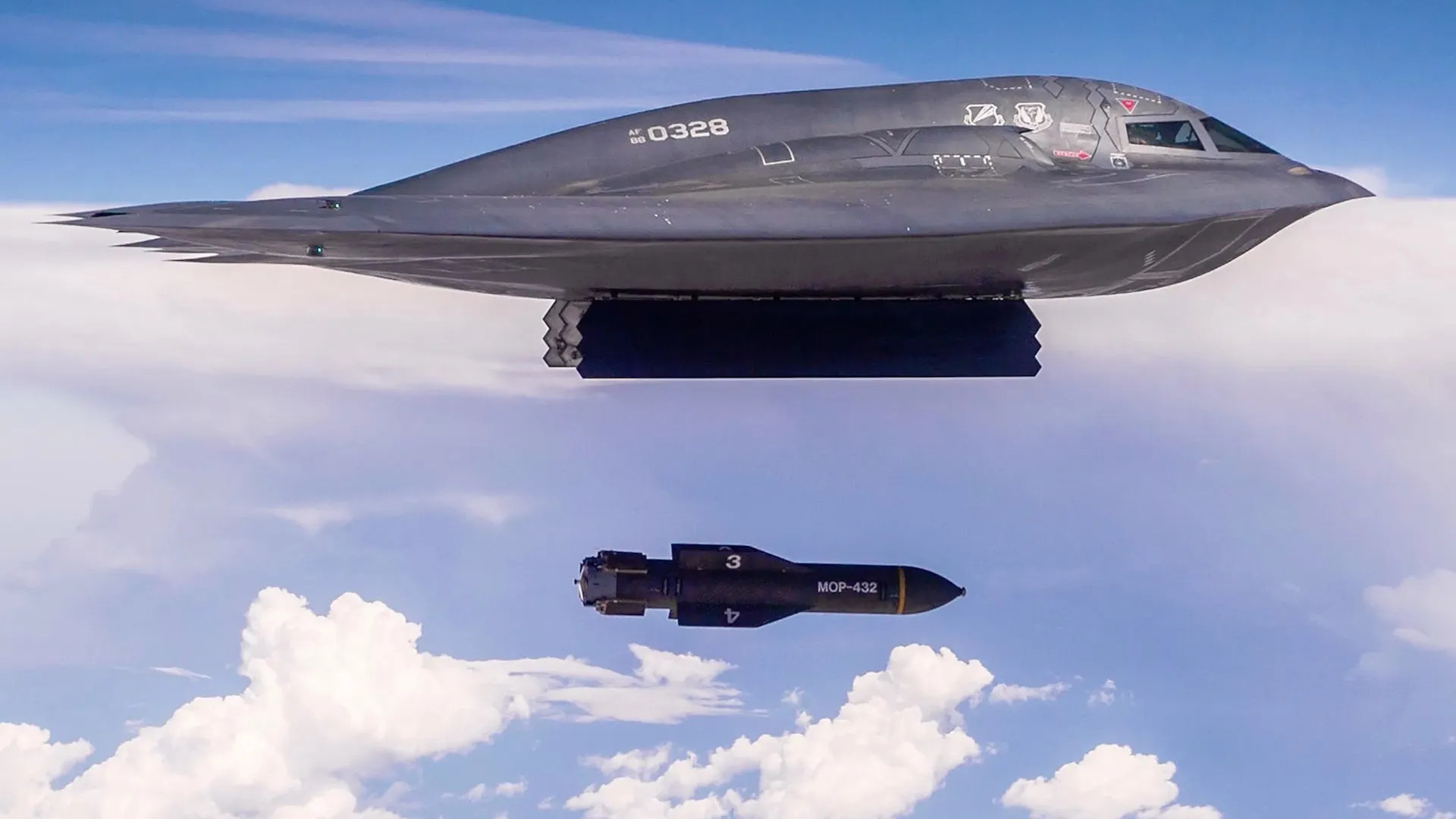
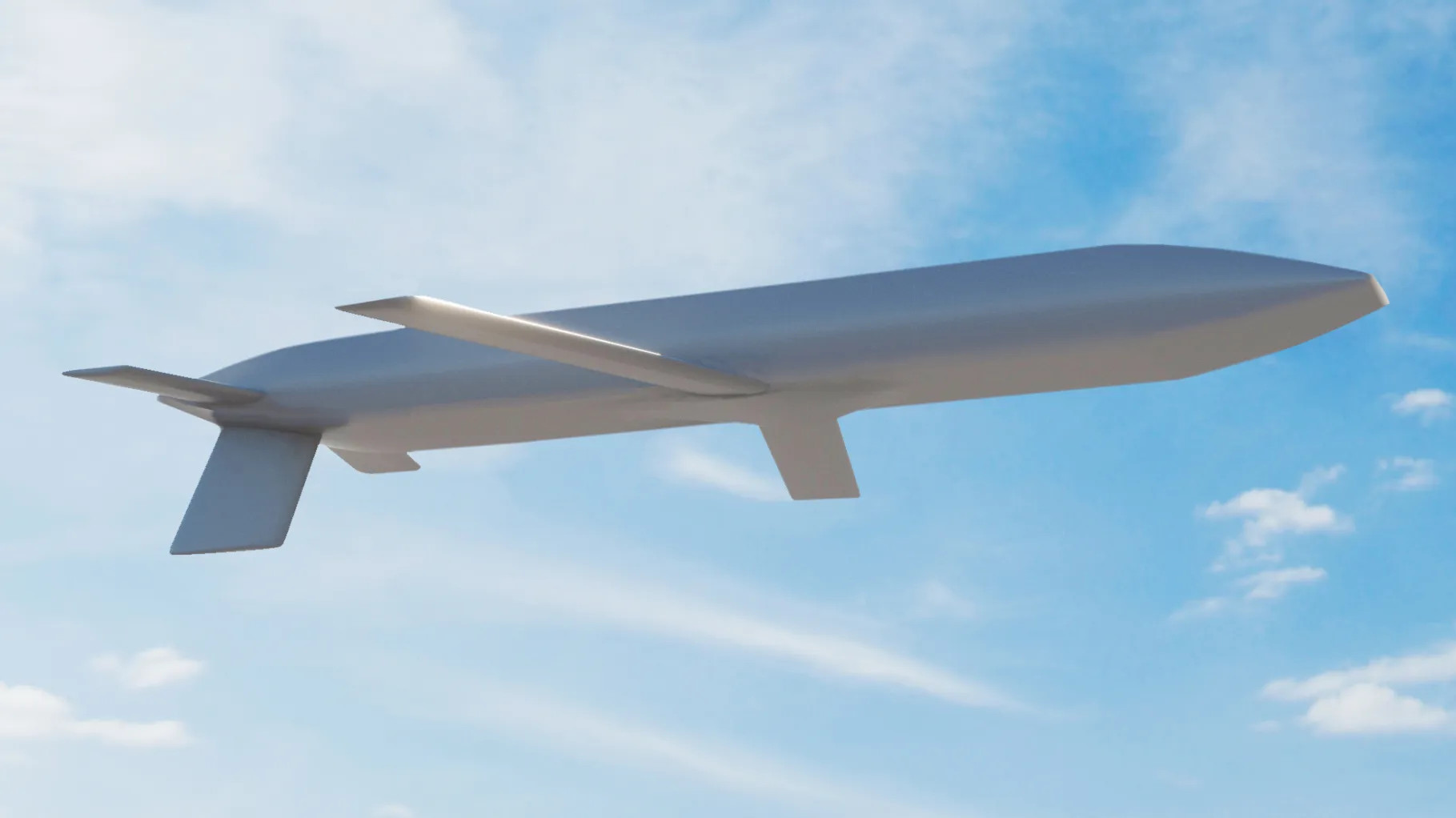
That being said, as TWZ regularly highlights, stealth aircraft are not invisible or invulnerable. This reality is part of the argument for the planned integration of the new nuclear-tipped AGM-181 Long Range Stand Off (LRSO) air-launched cruise missile onto the B-21, as well as the venerable and non-stealthy B-52. LRSO will also just extend the B-21’s reach, with that aircraft already expected to be an extremely long-range platform. This all raises the possibility of the NDS-A being a powered design offering some degree of standoff capability.
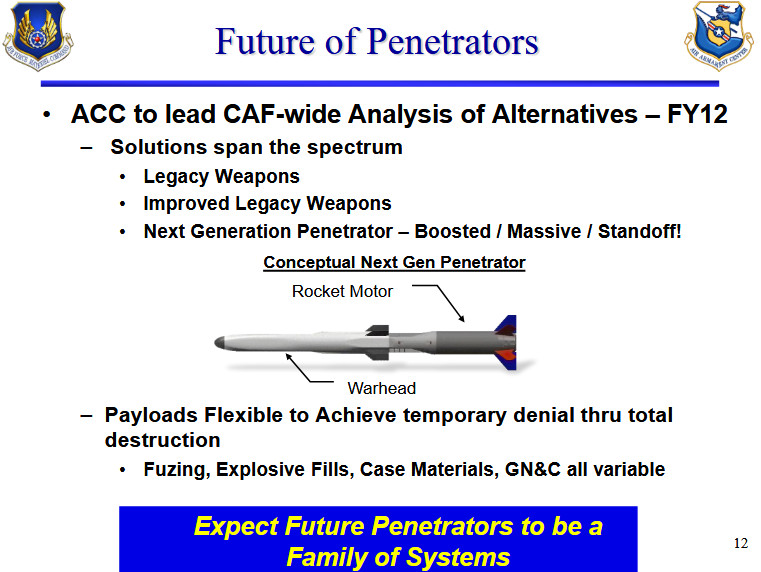
As an aside here, powered designs have also been part of the discussions about potential conventional successors to the MOP. A follow-on to the GBU-57/B, the Next Generation Penetrator (NGP), is now in development, but it is unclear whether or not that will be a powered weapon. Still, when it comes to the NDS-A, it seems more likely that it will be a traditional bomb that adapts elements of existing designs, including the B61-11, -12, and -13.
Whether or not the NDS-A effort reaches fruition also remains to be seen. The previous RNEP effort prompted significant criticism, including from members of Congress, in part because of concerns about what steps it might prompt other countries to take in response. At the same time, there has been a change in tenor in U.S. nuclear policy in recent years, driven by other global developments, especially efforts by the Chinese to rapidly and substantially expand their stockpile.
There is also a question of affordability. The U.S. military is already in the midst of a major modernization push across all three legs of America’s nuclear deterrence triad that is set to cost hundreds of billions of dollars in the coming decades. This could impact support for funding another ‘new’ nuclear weapon, even if it is derived from an existing design.
More definitely remains to be learned about the NDS-A program and the design of that weapon. What is clear is that the Department of Energy is requesting funding to kick off at least the initial development of a new air-delivered nuclear bunker buster that could succeed the B61-11.
Contact the author: joe@twz.com
editor's pick
latest video

news via inbox
Nulla turp dis cursus. Integer liberos euismod pretium faucibua