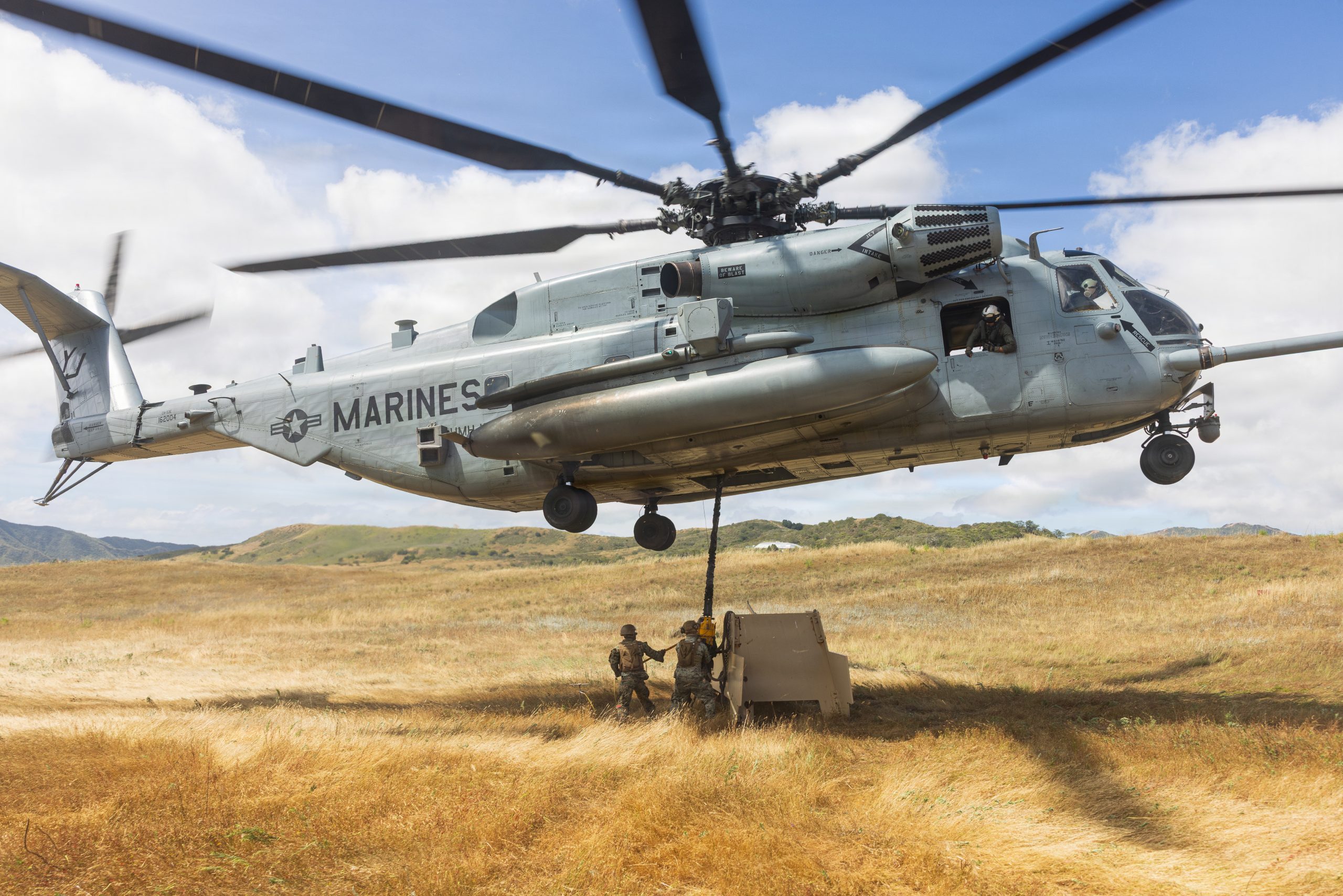
Confidence In CH-53K King Stallion Grows Ahead Of First Operational Deployment
Deliveries of the CH-53K King Stallion to the U.S. Marine Corps are starting to ramp up, with the planned 16-aircraft annual milestone now expected for Fiscal Year 2029. The Marine Corps also says that, for the future, they are open to developing a mine countermeasures version, something that would be able to replace the current MH-53E.
Updates on the latest developments within the Marine Corps’ CH-53K program were today provided by Col. Kate Fleeger, a program manager for the H-53 Helicopters Program, at the annual Modern Day Marine conference in Washington, D.C., at which TWZ is in attendance.
Fleeger confirmed that, while the legacy CH-53E and MH-53E are “both still healthy and viable” and critical components of the Marine Corps fleet, the focus is now very much on the CH-53K as the future of heavy lift.
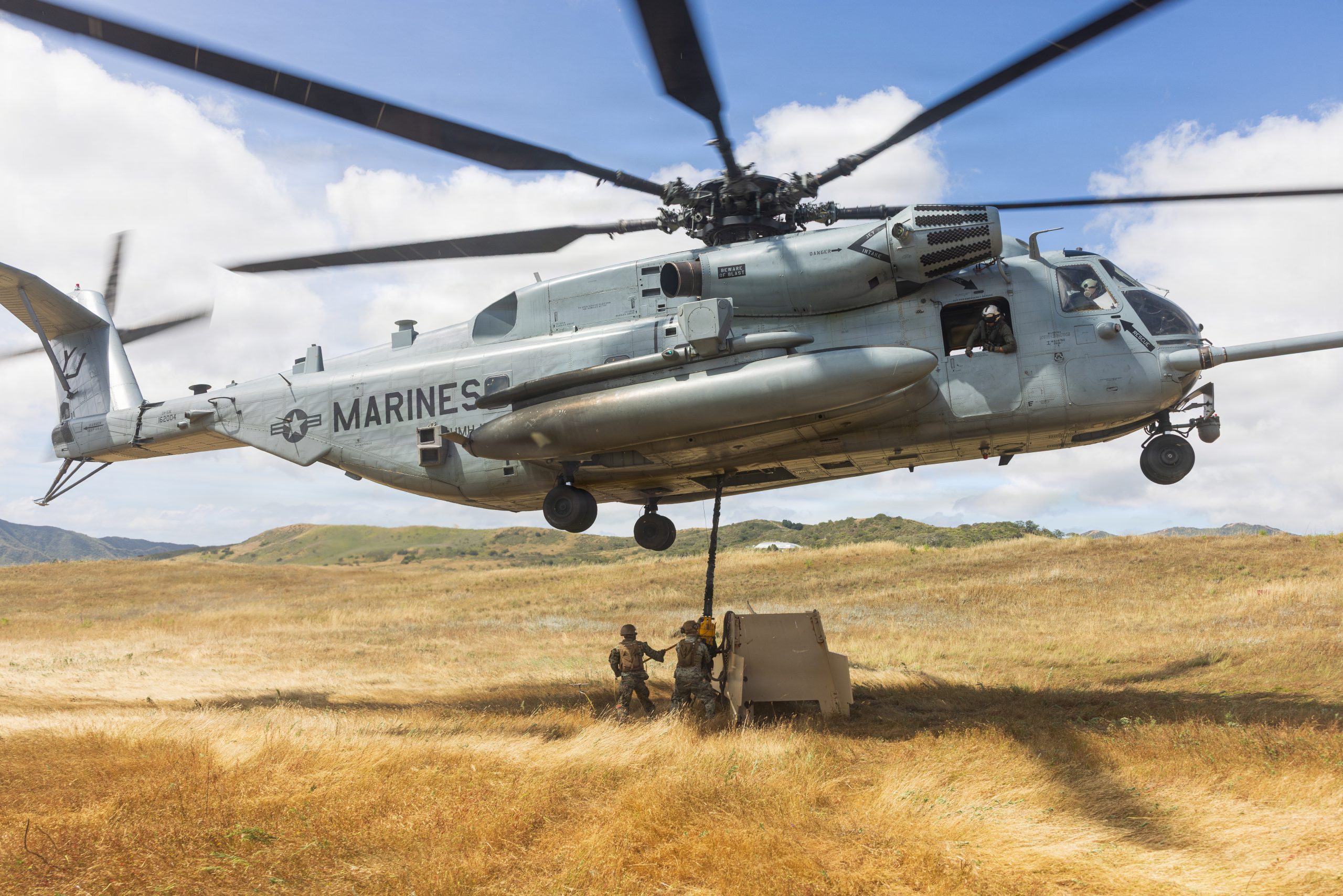
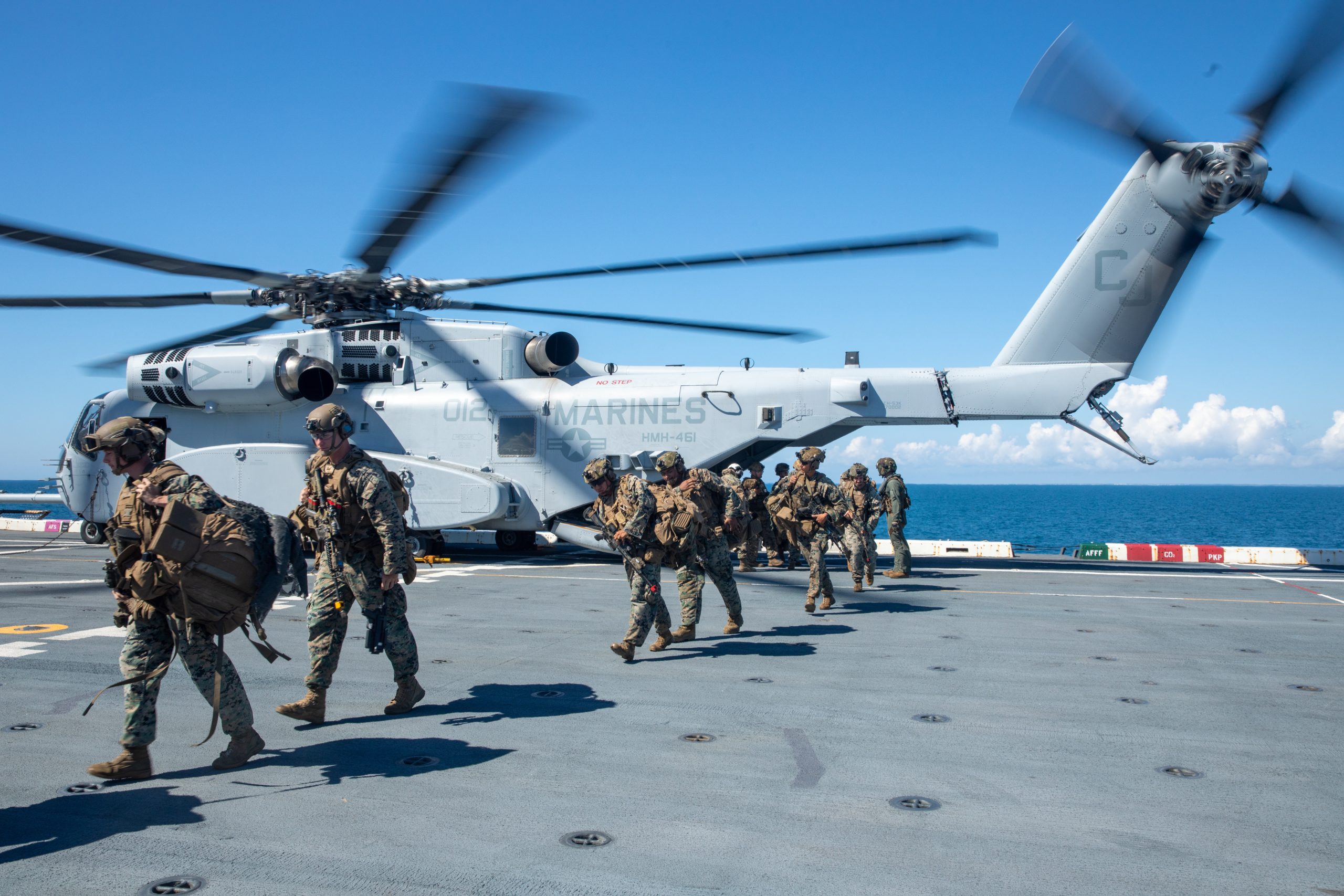
Currently, four Marine Corps squadrons have CH-53Ks as part of their stable, of which Marine Heavy Helicopter Squadron 461 (HMH-461), which was the first fleet squadron, is fully outfitted with Kilos.
“We also have our training Squadron, HMHT-302, which has received multiple CH-53Ks and will continue to be a dual type/model series training squadron throughout the transition from the Echo to the Kilo,” Fleeger explained. “We also have the CH-53K in our developmental test squadron, HX-21 at Patuxent River, and with our operational test squadron, VMX-1, in Yuma, Arizona.”
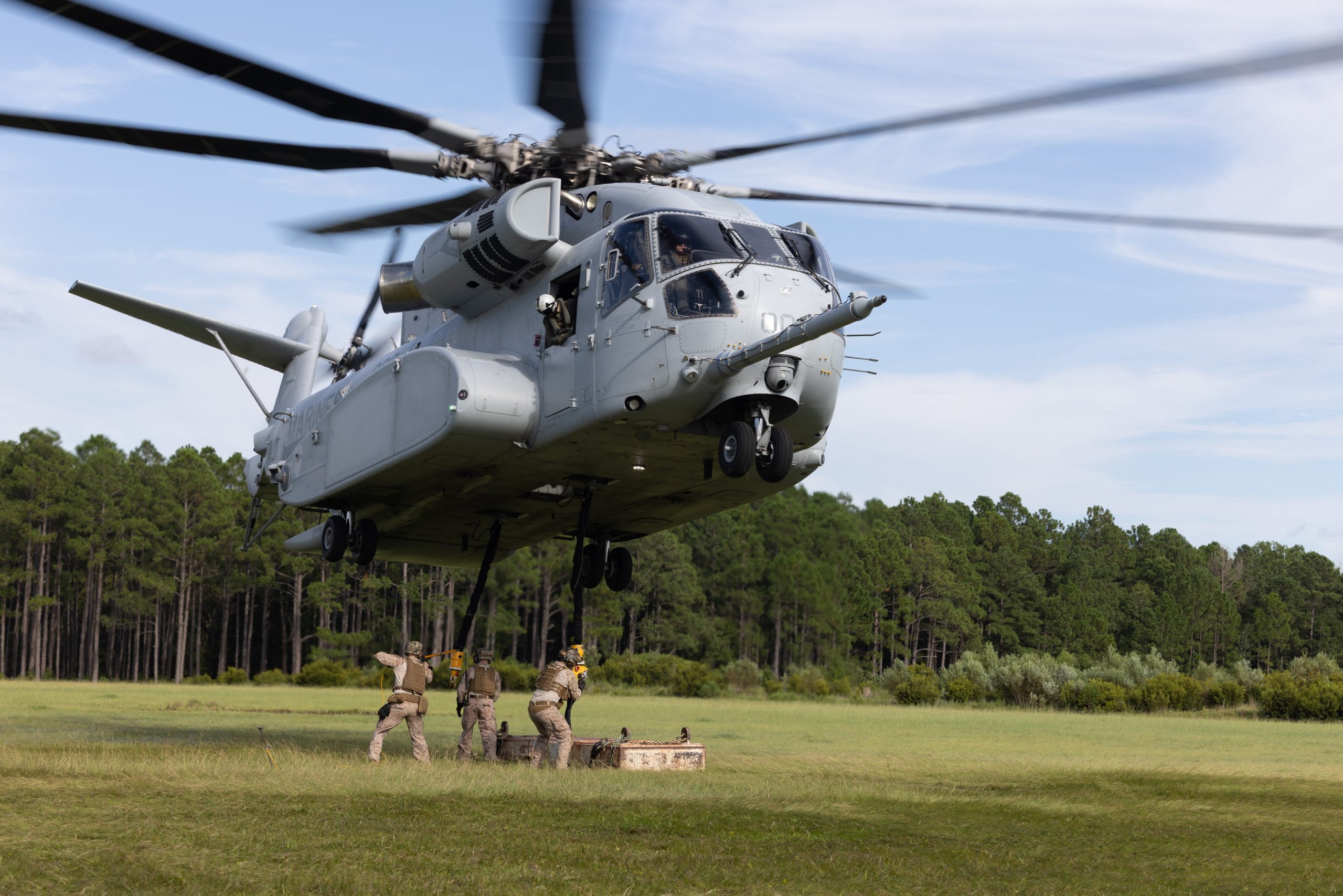
With the CH-53K “rocking and rolling across the board,” the 25th example off the Sikorsky production line in Stratford, Connecticut, was delivered earlier this week. Fleeger said that the service expects to add another eight aircraft for the rest of the year. This is part of a total Marine Corps program of record of 200 aircraft, a figure that has not changed. On top of this figure, Israel has procured 12 CH-53Ks, and Fleeger confirmed that the country is “in conversations” about the potential for additional aircraft.
As part of ongoing training work, HMH-461 has been putting the CH-53K through its bases “in every clime and place in CONUS,” Fleeger said. This has included taking the aircraft on detachments at the Weapons and Tactics Instructor (WTI) school in Yuma, and in exercises out of Twentynine Palms, California.
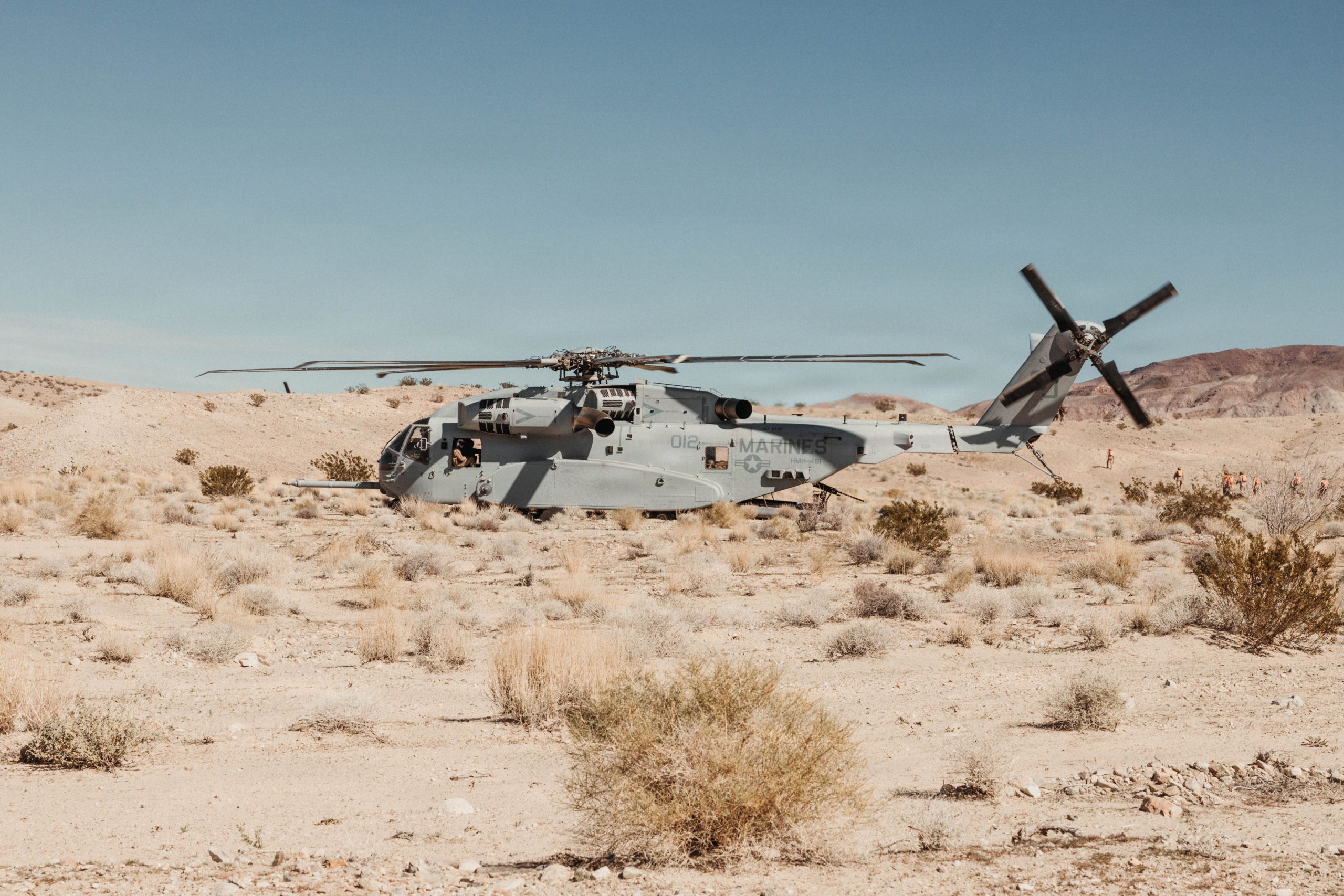
Fleeger said she is “extremely happy with how the aircraft is performing” with the operational fleet.
Meanwhile, the CH-53K is also still being tested, with the two units covering operational and developmental tests. “We are continuing to expand the envelope of the baseline aircraft that’s been delivered to the fleet, whether it’s expansion of the envelope with the existing equipment, or whether it’s modifications that allow for additional capability moving forward, and ultimately providing those modifications to fleet aircraft,” Fleeger explained.
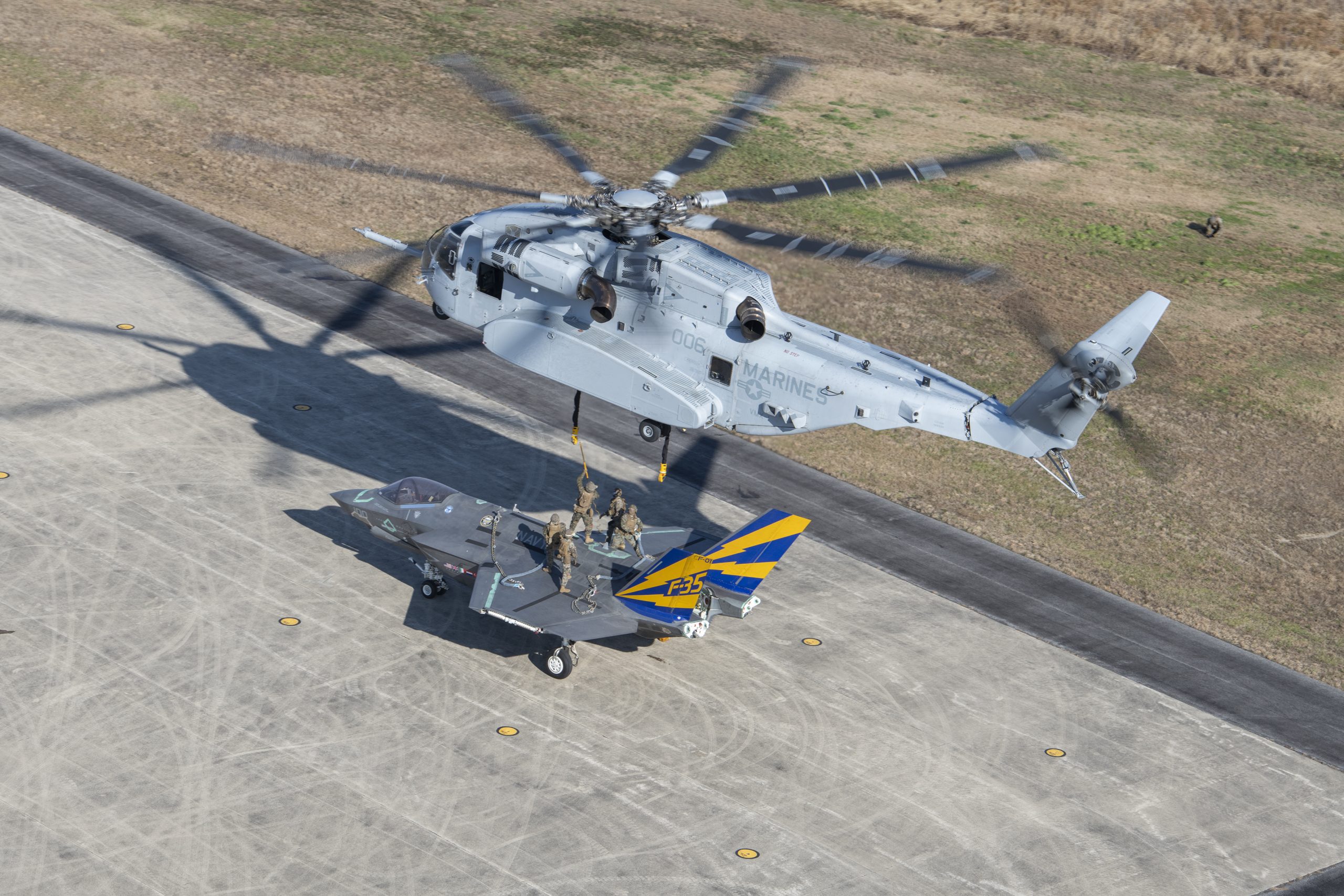
Part of the recent mission expansion saw one CH-53K lifted by another example of the same type, to broaden options for the Tactical Recovery of Aircraft and Personnel, or TRAP mission. The aircraft that was lifted had its gear boxes and engines removed, but this is common practice, Fleeger said. The purpose of the test was not only to set up and document the flight characteristics, but also the rigging procedures. In the test, the aircraft that provided the sling load weighed about 28,000 pounds, which is so well below the 36,000 pounds maximum external load for the CH-53K.
“When you talk to the pilots that lift something like that, even something that heavy, there’s very little ‘feel’ in the cockpit that you have a significant load underneath,” she added.
One of the other elements of additional testing has involved aviation ground fuel delivery. This involved a CH-53K landing with fuel and then providing this fuel to a V-22 tiltrotor that landed next to it.
At the same time, the transition to the CH-53K has involved training pilots with four Containerized Flight Training Devices (CFTD) now delivered. “They are state-of-the-art, fully immersive environments that have some of the highest fidelity visual databases and digital acuity that you’ll see in flight simulation today,” Fleeger said.
“The pilots have every opportunity to see exactly what’s going to happen in the aircraft before they even get in the aircraft. The idea here is the first time a pilot sits in that cockpit on the flight line is kind of a non-event, because he’s basically seen everything he needs to see along the way.”
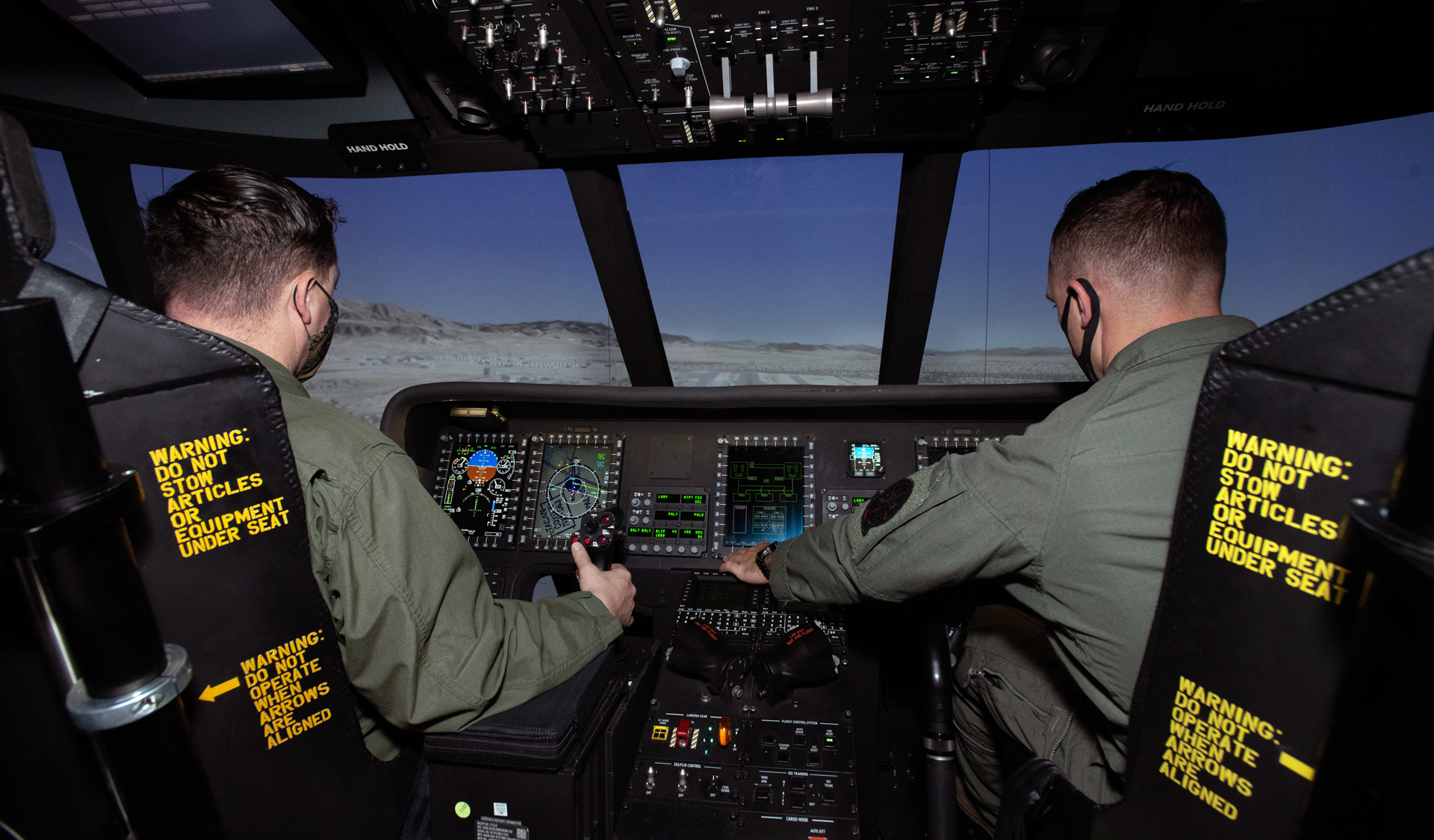
These new CFTDs consist of a mobile box with the “guts of the simulator inside.” As Fleeger explained, “Gone are the days of the big dome, fully motion-based simulators that we’ve had previously. The motion platform is no longer a big portion of what provides the training fidelity. The majority of that fidelity actually comes from the visual systems, the realism of the visual system, and the haptic cueing to the pilots.
Another training aid is the Advanced Aviation Training Device, or AATD, new for the H-53 community, but loosely based on some of the early developmental training systems that arrived with the V-22, with its interactive cockpit learning environment.
“This is a lower fidelity,” Fleeger said, “There’s just screens, computer monitors, if you will, that show the pilot the outside visuals. But the pilot also has a see-through virtual-reality goggle set that he puts on. It’s absolutely amazing technology that really allows you, with very little additional cost, to be able to get that immersive and simulated environment.”
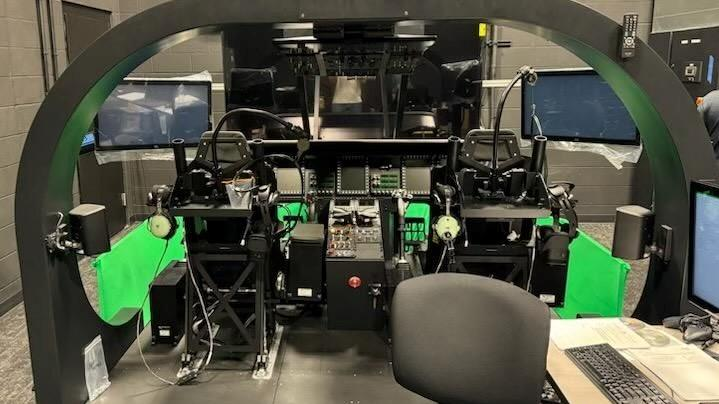
The AATD is designed primarily as a familiarization training device or for refresher-level training. “You got a few minutes, you go spend some time in here,” Fleeger explained. “You brush up on some stuff. It can also be used for some of the more advanced activities, like tactics, techniques, and procedures development. You can get in there and try some things out before you get to the aircraft and do it in the real world.”
The AATD has been so successful at its current location in New River, close to the training squadron, that the Marines expect to expand throughout the rest of the fleet as it works through the CH-53K transition.
Concurrently, Fleeger says the service has been “very forward-leaning with our Marines in the maintenance shed and making sure that they have the training tools that they need in order to prepare for a state-of-the-art, very data-intensive, data-rich aircraft.”
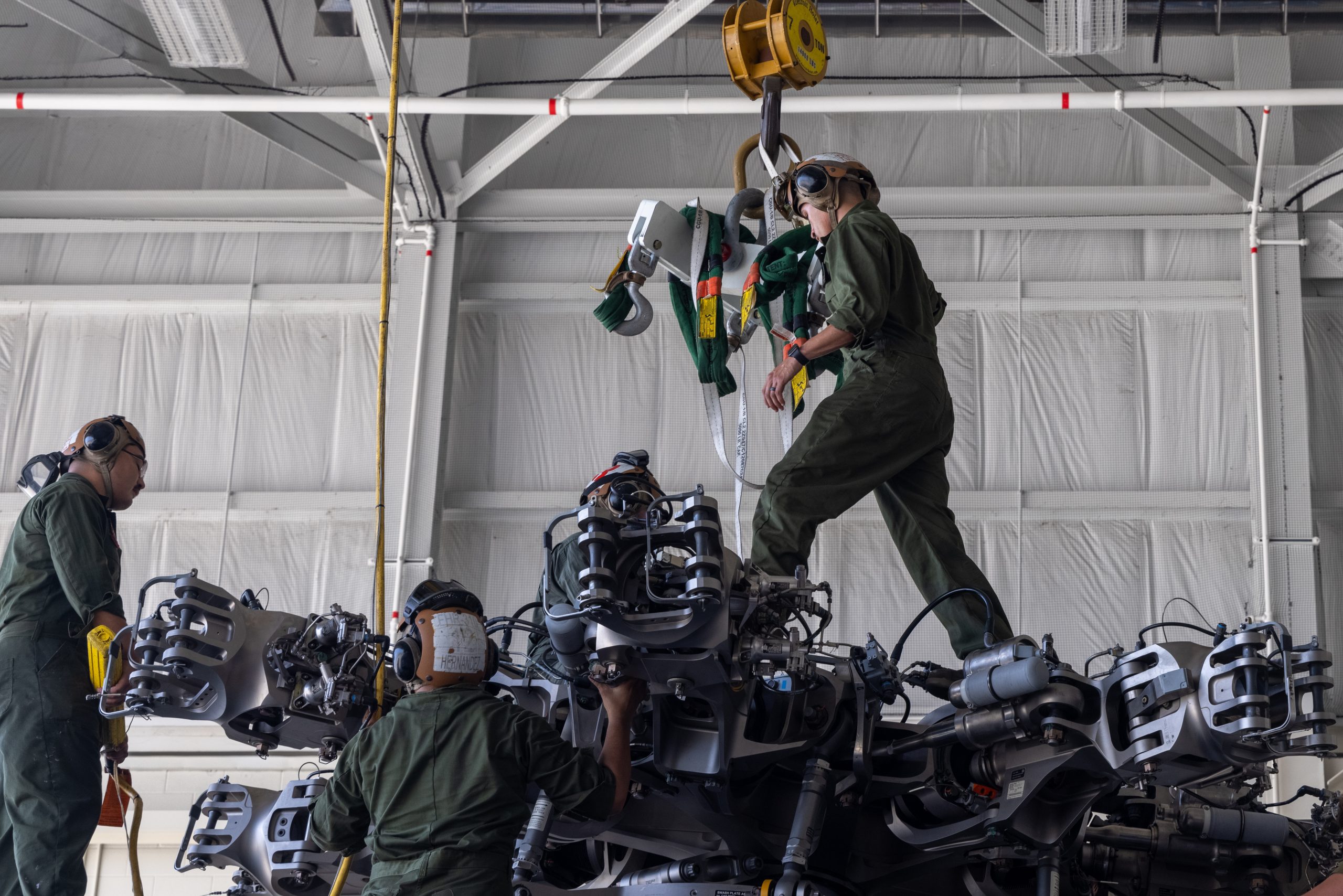
Maintenance of the fleet benefits from a fully condition-based maintenance model, at least for some of the CH-53K’s components.
“We can look at the vibratory signatures, the temperature signatures on gearboxes, for example, and we can understand when that gearbox might be approaching the end of its life.” The result is that the fleet is increasingly able to manage the maintenance rather than having the maintenance manage them. They can decide when they want to change that gearbox, for example, depending on operational commitments, the amount of flight time they may have planned, the criticality of that flight time, the availability of spares, and so on.
All of this training, including shipboard evolutions, is building up toward the first operational deployment, with the 26th Marine Expeditionary Unit, in Fiscal Year 2027. Last month, the CH-53K fleet hit 10,000 fleet flight hours, a big milestone considering there are currently only 25 aircraft in the fleet.
At this stage, there are 12 aircraft sitting on the production line in Stratford, in various phases of completion.
“The fact that there are 12 aircraft is a big improvement as we move forward in the ramp-up through low-rate initial production,” Fleeger explained.
Once Sikorsky hits the milestone of 16 production aircraft per year, this will trigger the start of the Marine Corps CH-53K transition from East Coast to West Coast, and thus across the entire heavy-lift fleet.
Fleeger said that the line will be “getting up there” toward full-rate production at the end of Fiscal Year 2028, with the milestone to be achieved in FY29.
“The East Coast squadrons will complete transition, and then the transition plan will move out to the West Coast, and we will start transitioning the West Coast squadrons there as well,” Fleeger added. The CH-53E is slated to be retired in 2032.
As for the Navy MH-53E Sea Dragon, it is slated to be withdrawn in 2027. Exactly what will happen with its primary airborne mine countermeasures mission, a general capability set that is increasingly in the spotlight, is unclear. Currently, the Navy is beefing its MH-60 Seahawk mine countermeasures capabilities to help offset the loss. Still, the unique heavy countermeasures sled-towing capability that will be gone when the MH-53E leaves the inventory is likely to be felt, as will the heaviest vertical lift capability organic to the U.S. Navy.
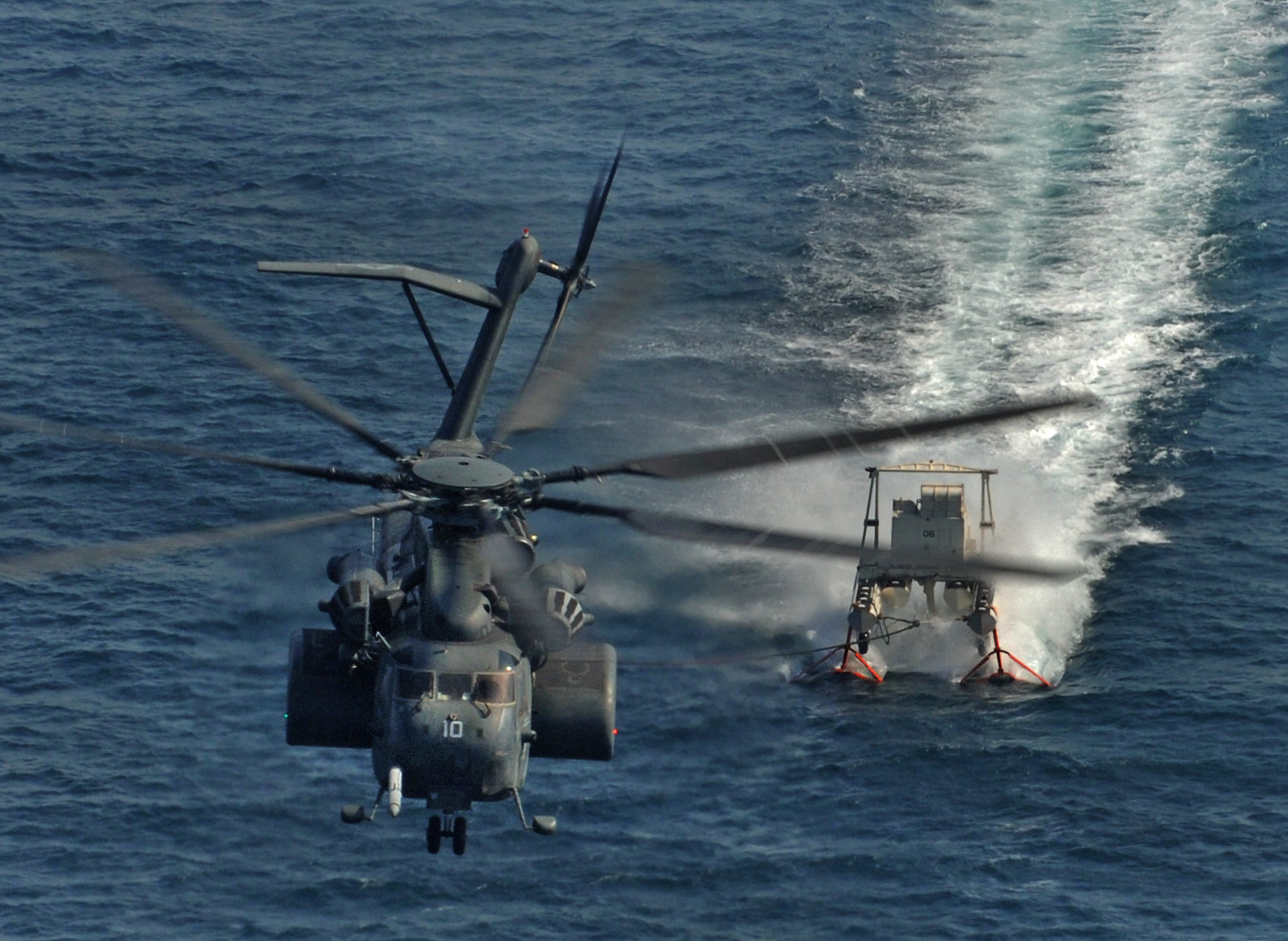
According to Fleeger, “there have not yet been conversations about the Navy procuring the CH-53K or producing a minesweeping variant.” However, she added that “we are certainly open to that in the future, should that need arise.”
Whether or not the CH-53K eventually adopts another new mission, the type is clearly keeping busy for the time being, as the Marine Corps looks forward to taking it on its first operational deployment next year.
Contact the author: thomas@thewarzone.com
editor's pick
latest video

news via inbox
Nulla turp dis cursus. Integer liberos euismod pretium faucibua