
Israel Building Factory To Pump Out Its Own FPV Drones
In another sign of how much first person view (FPV) drones have changed warfare, Israel says it is building a new factory to produce thousands of these weapons. The move comes as its forces are coming under increasing attack from Hezbollah’s FPV drones in southern Lebanon, something we were among the first to report.
“The IDF is currently establishing a factory that will produce suicide drones (FPV drones) for use in all theaters of war,” Israel Army Radio reported. “The goal of establishing the factory is to industrialize and significantly expand the arsenal of suicide drones that the IDF has, in order to increase capabilities on the battlefield.”
Israel is racing to catch up to Hezbollah in the use of this class of fast, highly maneuverable munitions that became a main strike weapon for both Ukrainian and Russian forces, as well as elsewhere in the world. In our earlier reporting about the issue, we noted that the Iranian proxy has ramped up FPV attacks the deeper Israel has pushed into southern Lebanon.
You can see some videos of those attacks below.
A big issue for Israel has been that while a domestic manufacturer is producing FPV drones, they include Chinese components, which represent both a security and a supply chain concern, the IDF-funded Israel Army Radio explained. By bringing production in-house to its Technology and Logistics Division, the IDF is looking to boost output, reduce cost and use only indigenous components.
The IDF estimates that the factory will begin supplying the army with drones in large quantities starting in July. Initially, the goal is to produce 1,000 per month, according to Israel Army Radio, with production then being boosted to tens of thousands.
Reaching that goal is not a huge leap for the IDF, one of the world’s most technologically advanced militaries in a country not devastated by the kind of war faced by Ukraine. In comparison, as we have reported in the past, Ukraine and Russia both make and use multiple millions of these drones every year.
Удари російських дронів по українському Leopard 1A5 [Січень 2025]
Seeing the lessons learned from Ukraine, the U.S. too is scaling up, with plans to significantly increase the number of FPV drones it makes.
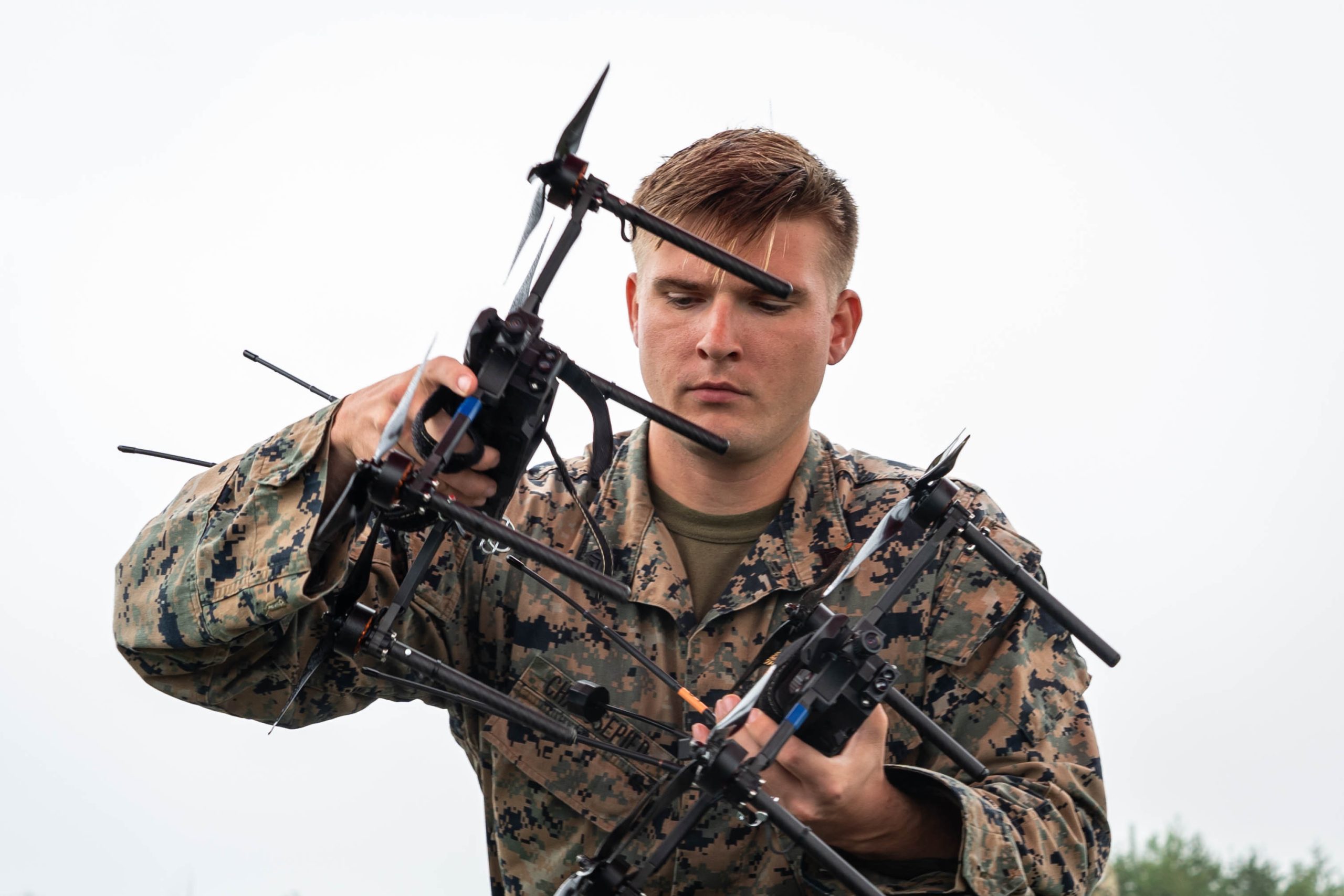
For Israel, however, boosting the number of FPV drones for its troops is only part of the equation in this realm of warfare. The IDF has been highly criticized in Israel for not reacting more quickly to defend against these weapons, especially after encountering them on a much smaller scale in 2024 and watching what has taken place in Ukraine and elsewhere.
Exacerbating the problem for Israel is that Hezbollah has been relying heavily on fiber-optic guided FPV drones. Fiber optic cables mitigate the effect of electronic warfare efforts to jam radio signals as well as some of the limitations imposed by geographical features that can impede the line-of-sight radio connection between drone and operator.
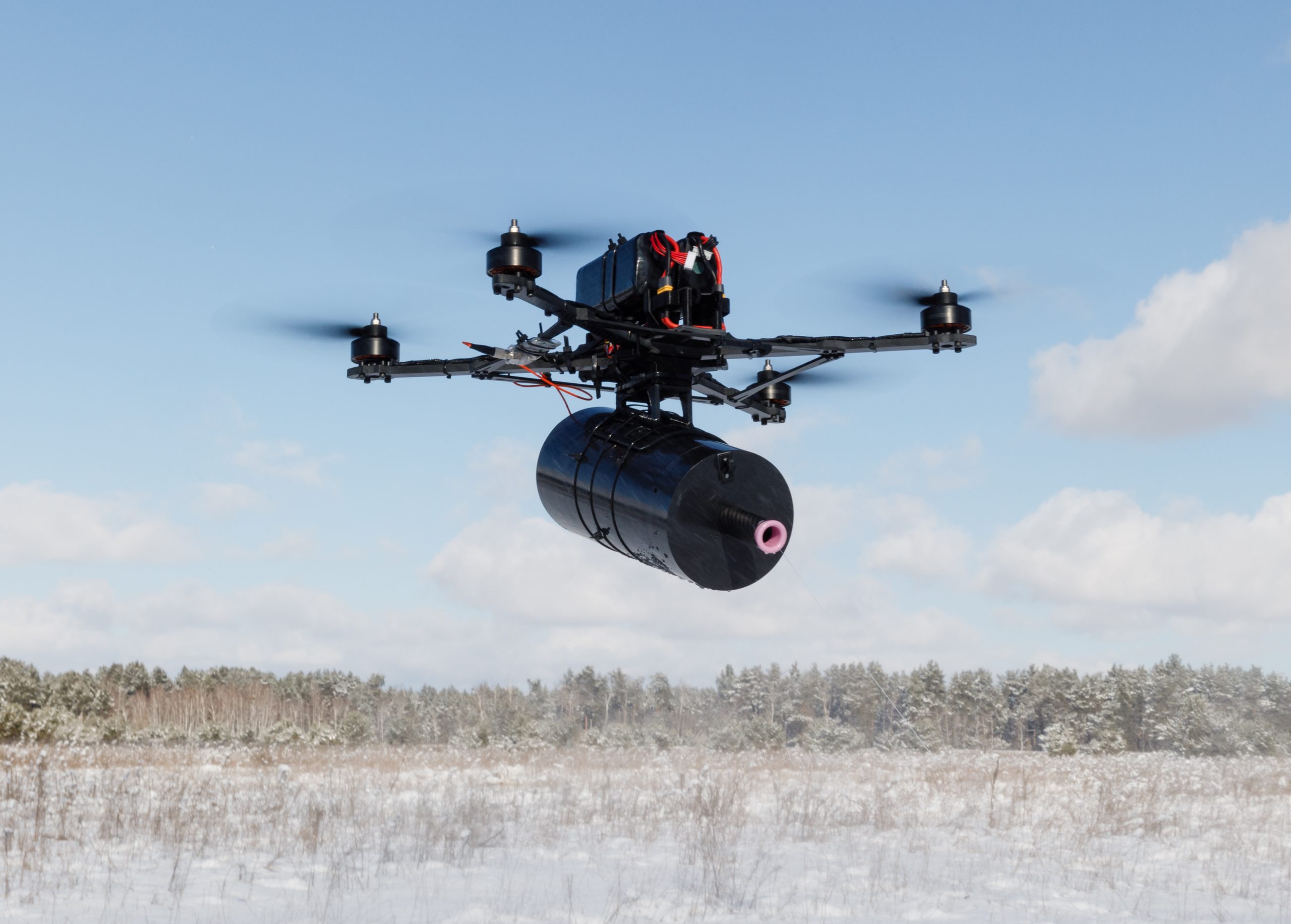
Faced with a threat that is causing casualties and damaging equipment, Israel is beginning to roll out new countermeasures. As we have previously noted, these solutions range from putting netting on vehicles to improving armor defensive systems.
In our past reporting, we explained that the idea behind netting is that drones will get caught up in these nylon or mesh metal barriers and become disabled, or, in some cases, the nets will help keep the drones far enough from the occupants before exploding to keep them from being killed.
As for protecting armor, active protection systems (APS) on its tanks and armored personnel carriers are being adapted to provide hard-kill counter-drone protection. These systems use sensors to detect incoming rocket-propelled grenades, missiles, and other similar threats, and fire projectiles to hit them before they strike the vehicle. Israel is a major pioneer in the APS space, with systems being deployed for decades, but just how soon it can upgrade existing systems, such as Iron Fist, for this application isn’t clear. Also, this doesn’t help many lighter vehicles that do not have APS capabilities.
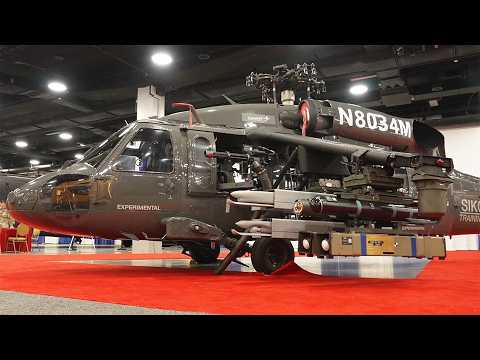
Iron Fist APS | Active Protection System for Armored Vehicles
The IDF is also working on other systems. The include equipment to better detect the drones as well as the creation of interceptor drones specifically designed to counter FPV drones, according to Israel’s YNet media outlet.
Israel is far from alone in trying to both make more FPV drones and defend against them. The U.S., for instance, recently came under attack by FPV drones in Iraq and its services are training on ways to defend against them. Given Israel’s advanced military tech base that produces weapons used around the world, we will keep an eye on the solutions to the FPV scourge it develops.
Contact the author: howard@twz.com
editor's pick
latest video

news via inbox
Nulla turp dis cursus. Integer liberos euismod pretium faucibua