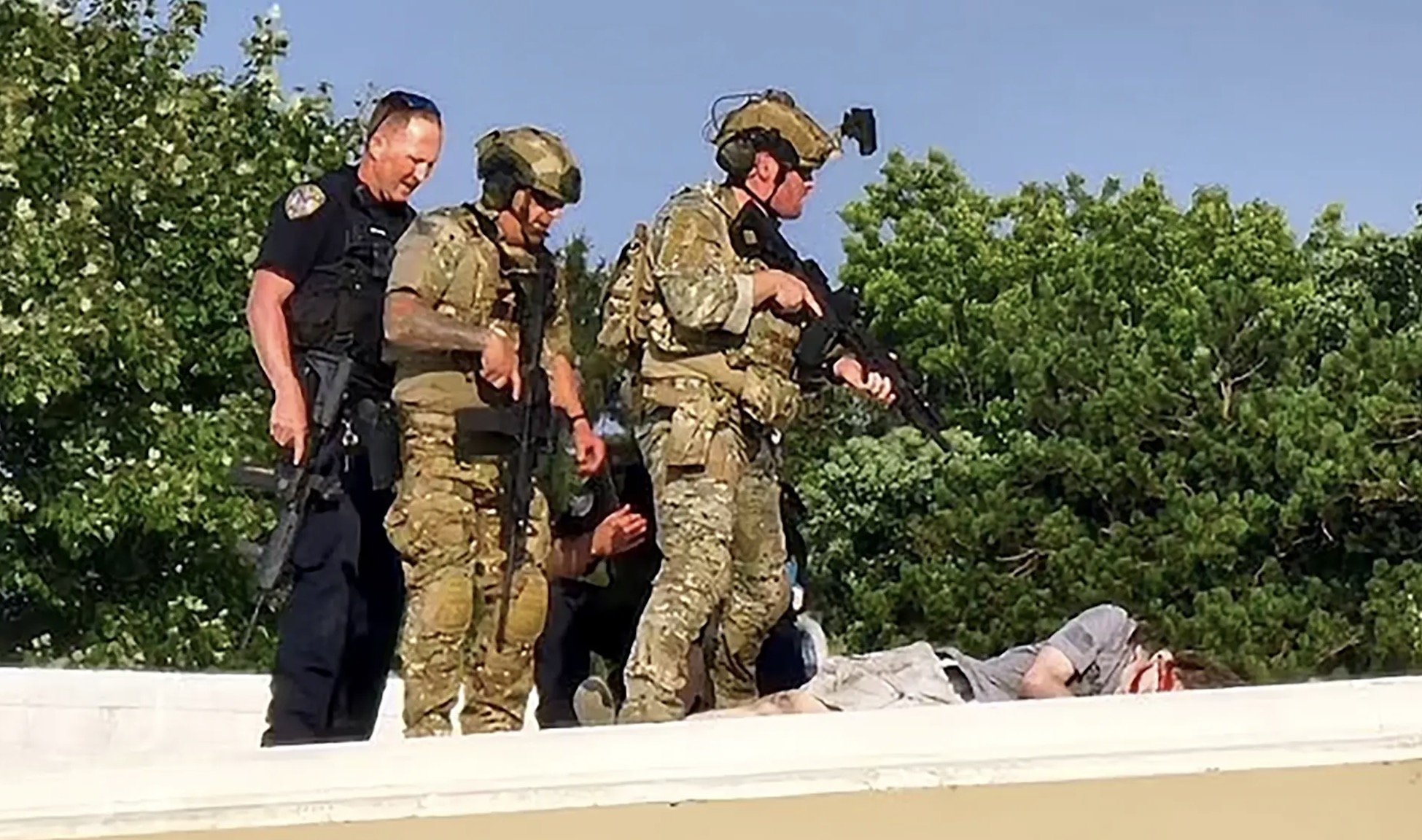
Utah argues confessions, surveillance, and rifle are enough to establish probable cause, Tyler Robinson attorneys claim they need FBI report on DNA evidence before moving forward with trial
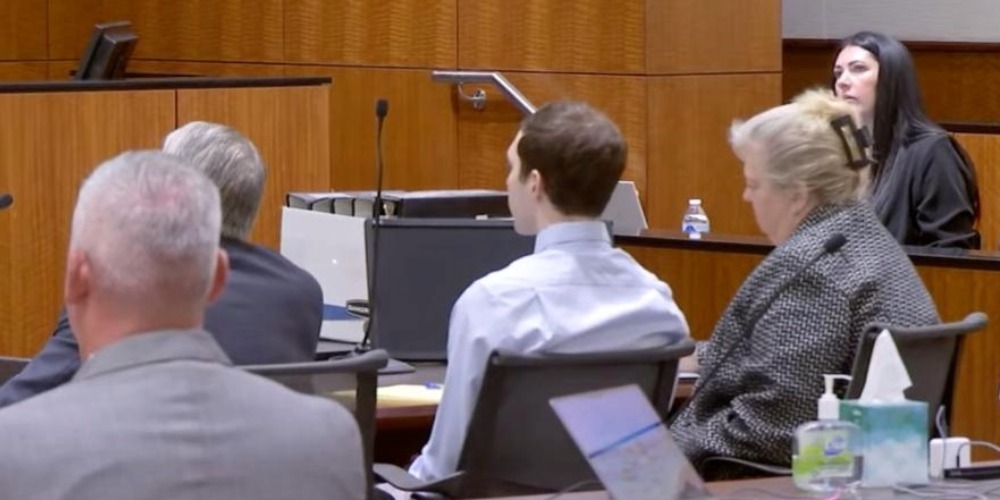
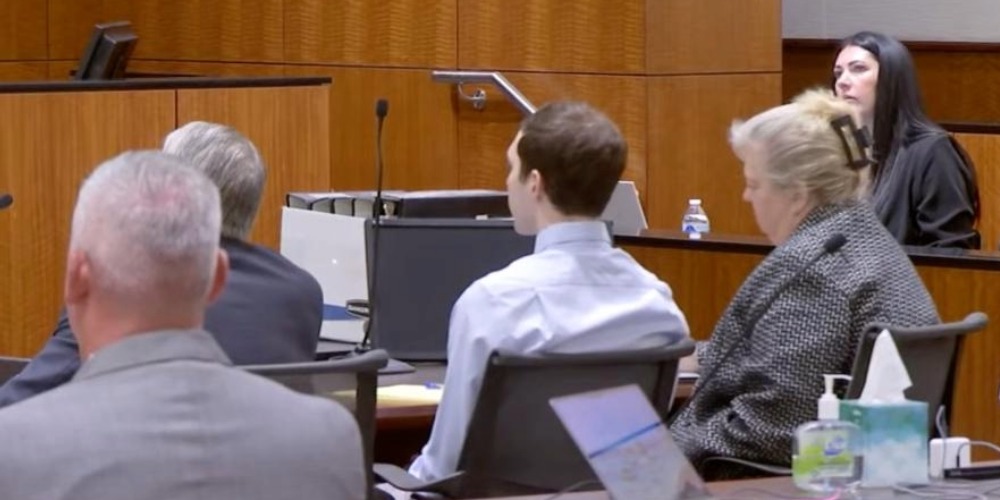
In a Friday hearing, the court heard arguments regarding a motion from the defense representing Tyler Robinson seeking at least a 4-month delay the May preliminary hearing currently set in the case. Robinson is charged with murdering Turning Point USA founder Charlie Kirk on Sept. 10 at Utah Valley University.
Richard Novak, arguing for the defense, said that it is “clear that Mr. Robinson is prejudiced by the preliminary hearing going forward as scheduled at this point, and it can’t even be remedied in the next four weeks.” Defense attorneys admitted as well that they have not yet received all the evidence they have been given.
He said that they have requested the underlying data from the ATF and FBI regarding DNA evidence, and have not received it. He said that this lack of data would interfere with their ability to go forward with a preliminary hearing, because “we cannot do that when the law enforcement partners, ATF and FBI, have not provided us with appropriate discovery.” He said the team “can’t present any expert testimony on DNA without having the underlying data.”
“We’re not interested in postponing this for the sake of postponing this, we’re interested in having a meaningful testing of expert reports,” he said.
Arguing for the state was prosecutor Ryan McBridge, who said that the defense’s motion to delay the preliminary hearing “really has nothing to do with the preliminary hearing.” He said that the defense has not shown that a continuance, or delay, of the hearing is necessary for the “limited purpose of a preliminary hearing.”
He said that the delay the defense is seeking is “not a nominal delay,” noting that while the defense has asked for a delay of six months, its “likely” it would be “even more than that, because there’s litigation surrounding some of this expert investigation, one of the tests right now has not been performed because there’s an objection to it, and we’re waiting to litigate that issue, depending on what some of the expert discovery shows. In addition, we’re probably going to object to some of the expert discovery requests the defense has made.”
He said that the preliminary hearing is “designed to protect a defendant from having to sit in custody and wait for all the trial preparations without there being any showing of any probable cause.” He added, “the court doesn’t weigh the evidence at this stage, and that’s because this is a very early stage in the proceeding.”
McBride said the continuance would “infringe on the victim’s right to a speedy trial, as well as the state’s ability to present the case. Justice delayed is justice denied, as the saying goes, and that’s because it affects a victim’s right to speedy trial. It affects the public’s perception of legitimacy of the prosecution and the judicial system. And it has real effects on the evidence that may be presented at trial, witnesses become unavailable, memories face, evidence grows stale, and so the court should not be granting a motion to continue and delaying the proceedings unless it’s necessar, especially for such a legnthy period.
He said that evidence that will be presented by the state is split into four categories: surveillance from Utah Valley University that captured Robinson’s movements on the day of the shooting, evidence tying Robinson to the rifle that was found near the scene and consistent with the shot fired, confessions given by Robinson to his lover, Lance Twiggs, as well as friends in a chatroom, and DNA evidence from items recovered.
Regarding the DNA evidence, the category of evidence the defense has taken an issue with, McBride said that the labs that conducted the testing determined “there’s astronomical odds that this DNA belongs to anyone but the defendant.” He said that the evidence together is “far exceeding what probable cause requires, and it comes from a variety of sources.”
He later said, “the defense has not shown that the motion to continue is based on the purpose of the hearing, a fair determination of probable cause. They just haven’t snown it, and they haven’t even tried. And I think one of the reasons they haven’t tried is becase they know that these are experienced practitioners. They know what the standard is here. It’s low. The evidence is viewed in the light most favorable to the state. They’re not going to be able to defeat a confession, multiple confessions, nonetheless, or DNA evidence, right?”
McBride said that the defense “knows that this kind of material is not required before the preliminary hearing,” stating that in a formal request for discovery from the defense, they wrote in the filing, “‘defendant acknowledges he does not have a right to discovery prior to preliminary hearing pursuant to Article One section 12 of the Utah State Constitution.’ That’s it. The defense concedes this point.”
During questioning from Judge Tony Graf, McBride said of the defense, “if they can make a showing that undermines probable cause, fine, give them their continuance. And at the same time have them tell exactly what data files we’re talking about here, because that’s exactly what I asked for, and they gave it to me on March 24, less than a month ago.”
Novak was pressed about the right Kirk’s widow, Erika, has to a speedy trial. He said that a victim’s right to a speedy trial does not “trump the defendant’s constitutional rights,” apologizing for the use of the word trump “in the current environment.”
“So we do respect the concerns of the victim representative and her family, but we can’t constitutionally shortcut Mr. Robinson’s right to the adequate assistance of counsel.”
editor's pick
latest video

news via inbox
Nulla turp dis cursus. Integer liberos euismod pretium faucibua