Texas oil and gas industry again reports job losses in February

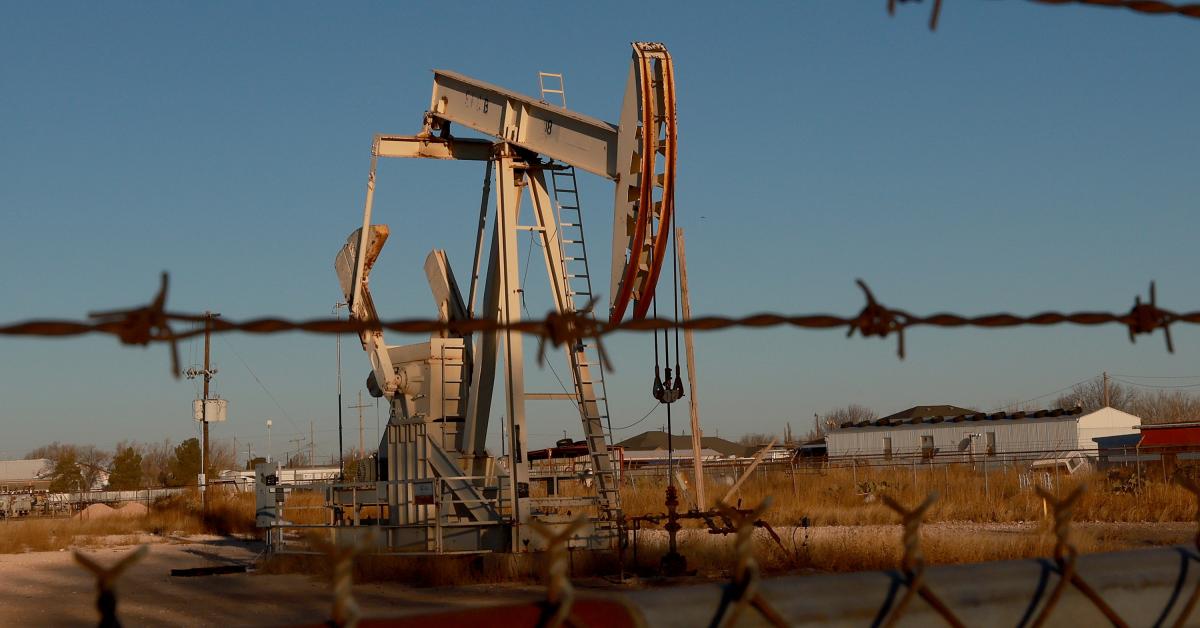
Despite President Donald Trump’s pledge to “drill baby drill,” U.S. domestic drilling growth hasn’t materialized in Texas. Rig counts are down and job losses in the Texas oil and natural gas industry were reported in January and again in February.
According to the latest employment data released by the U.S. Bureau of Labor Statistics, the industry’s upstream sector reported 900 job losses over the month in February. Federal employment data is being released later than usual due to the federal government shutdown last fall.
Texas’ overall job numbers were down in February, nonfarm jobs were down by 8,500 over the month, according to BLS data, The Center Square reported.
Upstream sector losses over the month totaled 300 in oil and natural gas extraction and 600 in support activities, subject to revisions, according to an analysis of the data by the Texas Independent Producers and Royalty Owners Association (TIPRO). This put total employment numbers for the upstream sector around 191,500 down from nearly 205,000 last year, The Center Square reported.
The upstream sector involves oil and natural gas extraction and some types of mining. It excludes other industry sectors like refining, petrochemicals, fuels wholesaling, oilfield equipment manufacturing, pipelines, and gas utilities that support hundreds of thousands of additional jobs statewide.
“Despite the downward trajectory for upstream employment in early 2026, TIPRO’s workforce data continues to indicate strong job postings for the Texas oil and natural gas industry in February,” with 8,554 unique industry job listings, following a fourth quarter 2025 decline, TIPRO notes.
As the U.S.-Israel war against Iran continues, TIPRO points to the need for robust domestic production to ensure U.S. energy security and national security, led by Texas.
“At a time when global energy markets are experiencing significant volatility due to the ongoing conflict with Iran and risks in the Strait of Hormuz, our state’s leadership on energy production is more vital than ever,” TIPRO president Ed Longanecker said. “Sustained output, disciplined workforce management and substantial tax contributions underscore Texas’ critical role from an economic standpoint, in stabilizing global supply and strengthening U.S. energy security. Federal policy must capitalize on the strong momentum now underway in Congress for permitting reform and advancing other pro-energy initiatives to support domestic producers and the buildout of critical energy infrastructure.”
According to the latest Baker Hughes rig count, the greatest number of rig count losses have been reported in the U.S. compared to rig counts overseas during the last year.
There are currently 543 rigs operating in the US, down 42 from last April; 130 rigs operating in Canada, down four from last April; and 1,058 rigs operating worldwide, down 37 from last March, according to the data.
Rig counts “are an important business barometer for the drilling industry and its suppliers,” it says. “When drilling rigs are active, they consume products and services produced by the oil service industry. The active rig count acts as a leading indicator of demand for products used in drilling, completing, producing, and processing hydrocarbons.” Baker Hughes has been issuing rig counts since 1944, and monthly international rig counts since 1975.
Even with the Strait of Hormuz reopening and oil futures dropping to $83 a barrel on the West Texas Index on Friday, they are still up 40% over the last three months and nearly 45% over the year, MarketWatch notes.
The Iran conflict resulted in a net loss of 13.5 million to 14.5 million bpd of crude oil being transported through the Strait, another nine to 10 million bpd of crude oil production had been shut off in Iraq, Kuwait, Saudia Arabia and the UAE, Andy Lipow with Houston-based Lipow Oil Associates told The Center Square.
“Even if the conflict were to end tomorrow and the Strait of Hormuz were to reopen, oil prices would not return to pre-conflict levels of $67 per barrel,” Lipow has argued. “The damage to energy infrastructure is done and will take months if not years to repair the more extensively damaged facilities.”
International Energy Agency Executive Director Fatih Birol agrees, warning that Europe may only have “maybe six weeks or so” of jet fuel, consumers can expect higher gasoline and electricity prices, and it may take years for refineries in the Middle East to recover. More than 80 assets in the region have been damaged; one third of them are severely damaged and could up to two years to recover to where they were before the conflict.
editor's pick
latest video

news via inbox
Nulla turp dis cursus. Integer liberos euismod pretium faucibua