Smaller AIM-9X Sidewinder For Stealthy Weapons Bays Is In Development
The U.S. Navy and U.S. Air Force are working on a new “Compact Variant” of the AIM-9X Sidewinder. The smaller Sidewinder is being developed with a focus on increased magazine depth when carried internally by “advanced aircraft,” while also offering improved range and performance.
The Navy manages the Sidewinder program in cooperation with the Air Force. The Navy is asking for $83.3 million for work on the AIM-9X Compact Variant (CV) in its 2027 Fiscal Year budget request. The AIM-9X CV is also mentioned in the Air Force’s proposed budget for the 2027 Fiscal Year, but with the caveat that it does not plan to contribute funding explicitly toward its development until Fiscal Year 2028.
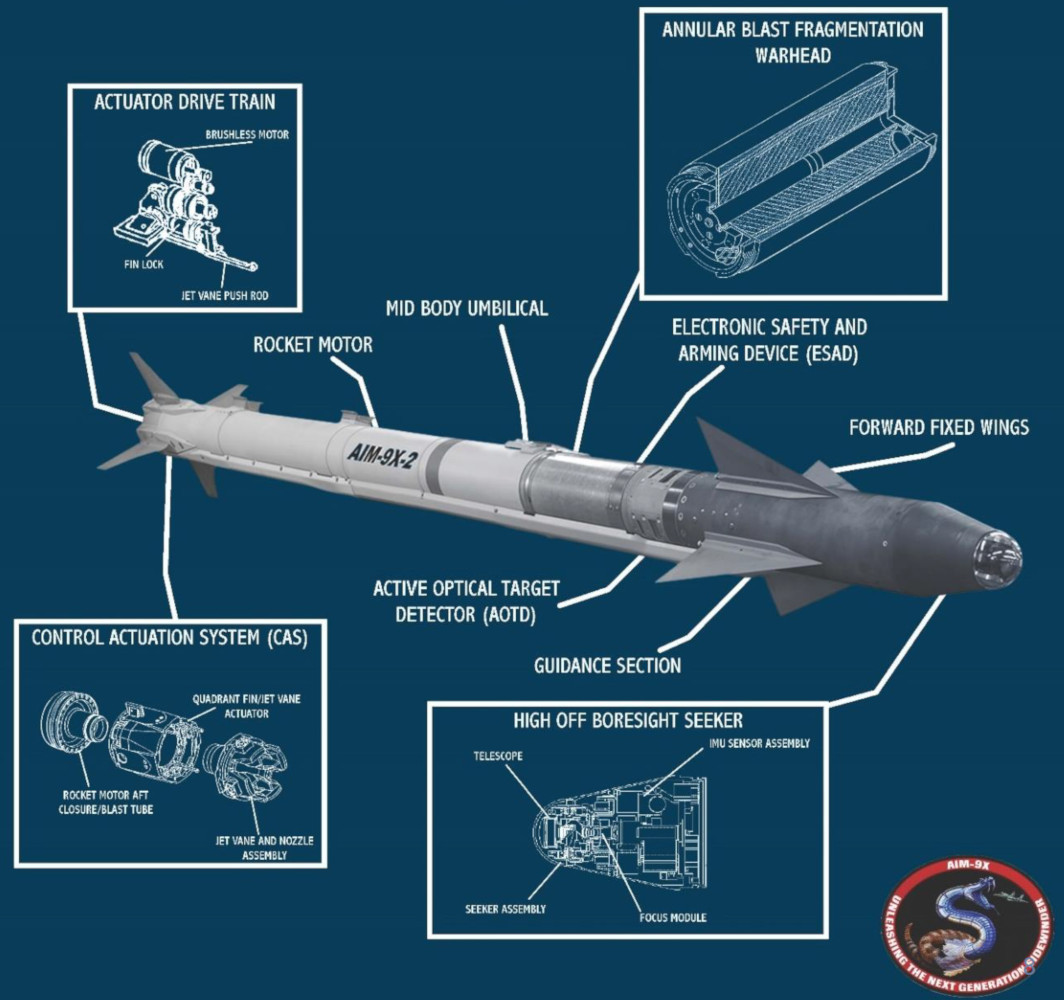
Current-generation Block II and Block II+ subvariants AIM-9X are already highly capable imaging infrared (IIR) guided anti-air missiles. They have thrust-vectoring, high-off-boresight targeting, lock-on-after-launch, and other capabilities that you can read more about in detail here.
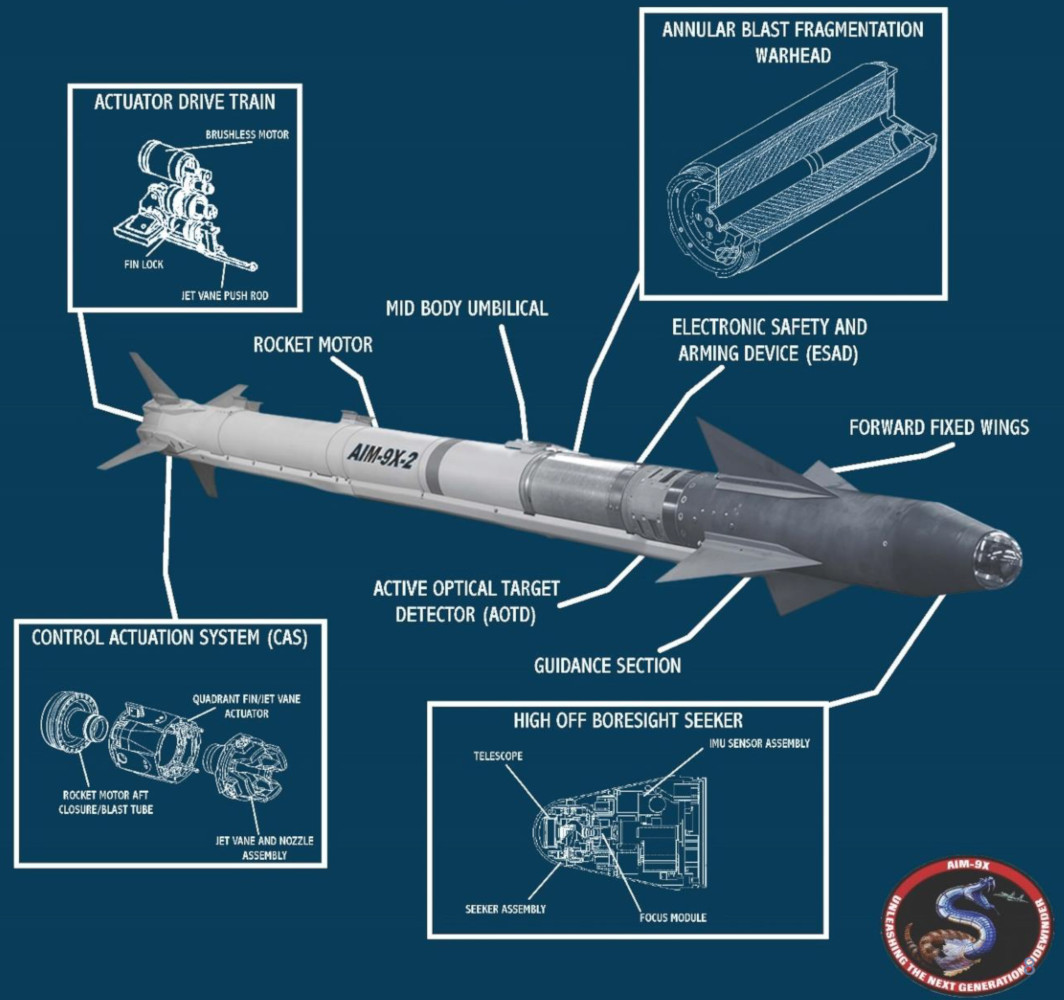
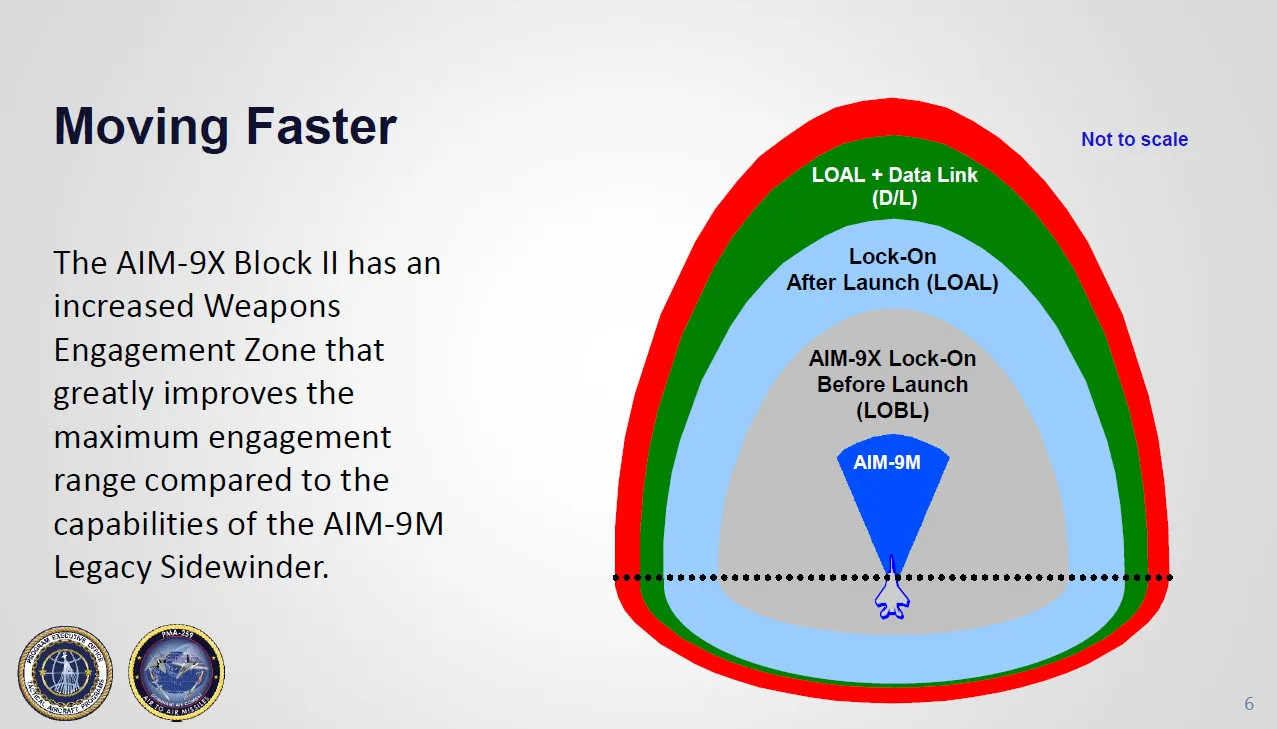
Risk reduction work on the AIM-9X CV has already been underway since Fiscal Year 2025. However, the new version does not appear to have been mentioned by name in prior Navy or Air Force budgets. Previous funding was contained under the umbrella of the larger System Improvement Plan IV (SIP IV) upgrade effort.
“The AIM-9X CV repackages the SIP IV technology into a compact airframe optimized for internal carriage on advanced aircraft with improved kinematic performance,” according to the Navy’s Fiscal Year 2027 budget request. “The program will deliver increased capability to the warfighter with greater standoff range, increased aircraft weapon station capacity, and maintains inner boundary performance.”
In Fiscal Year 2027, the goal is that “the program will advance hardware and software designs. This effort will focus on design and development of critical hardware components and compatibility with advanced platforms,” the budget documents add. “The overall scope includes platform integration, material and energetics studies, and extensive modeling, simulation, and analysis. Activities will also incorporate system safety analysis, the establishment of requisite integration and test environments, risk- reduction testing, and other engineering efforts necessary to mature the complete system baseline.”
The Navy and Air Force budget documents do not offer any further details about the AIM-9X CV’s configuration, or how it will achieve “greater standoff range” and “improved kinematic performance” in a more compact package. How truncated the AIM-9X CV’s airframe, as well as its control surfaces, might be compared to existing versions is also unknown. The core AIM-9X design is already relatively short and narrow by anti-air missile standards at just under 10 feet long and five inches in diameter (not including its fins). For comparison, all variants of the AIM-120 Advanced Medium-Range Air-to-Air Missile (AMRAAM) are some 12 feet long and have bodies that are around seven inches in diameter.
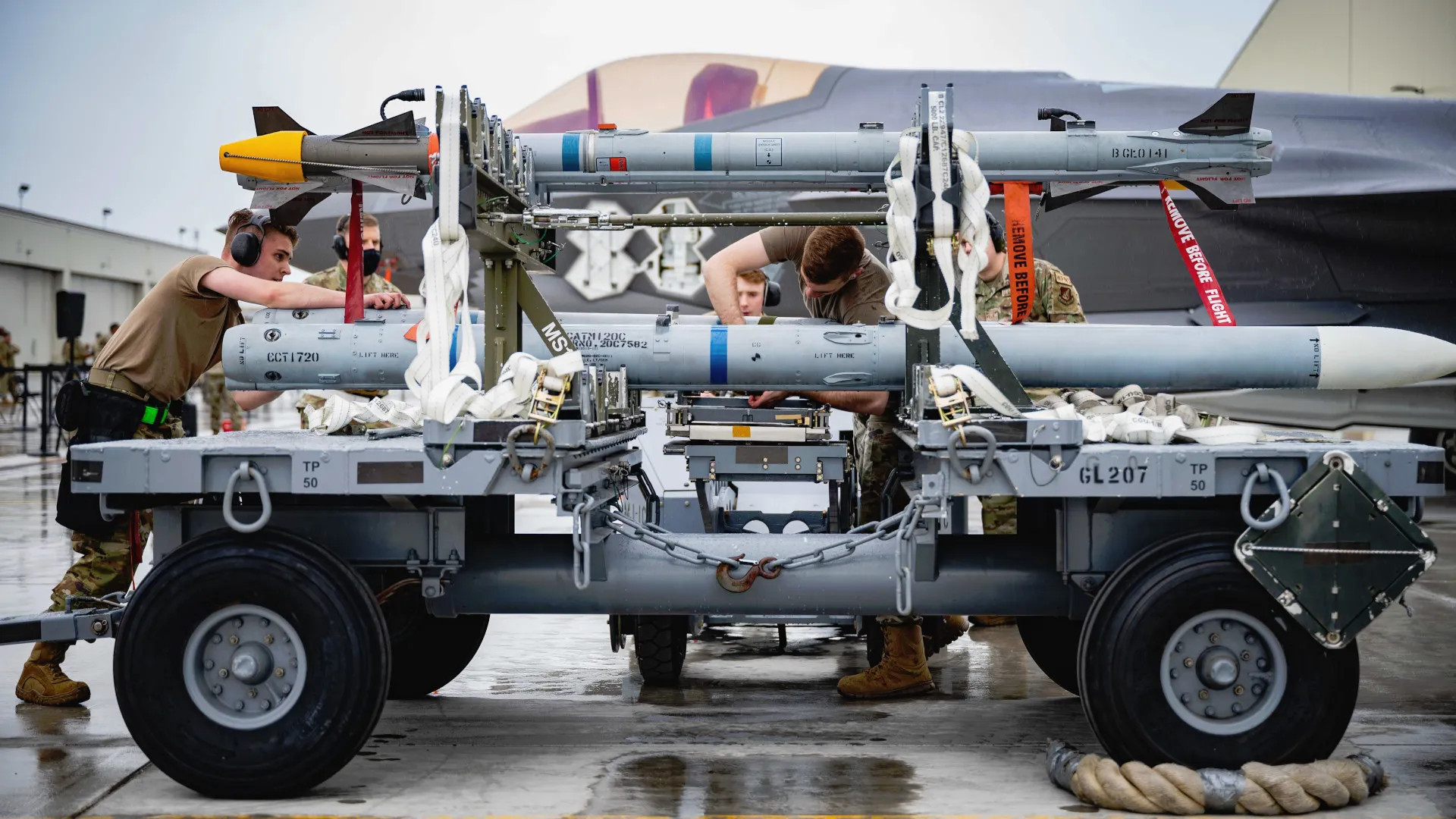
The Navy and the Air Force previously considered developing a Block III variant of the AIM-9X, which could have included a highly loaded grain rocket motor. Though the Block III effort was shelved, at least publicly, the Navy has continued to make significant investments in this kind of rocket technology with a general eye toward improved range and performance for future missiles.
“The Next-Generation Highly Loaded Grain project team has matured the technology and seeded the development of future mission-modular propulsion systems that can increase weapon ranges by up to 1.5x while maintaining inner boundaries for short-range and time-critical missions,” according to one factsheet detailing notable achievements by NAVAIR’s Naval Air Warfare Center Weapons Division (NAWCAD) in 2023.
The benefits of greater reach and better kinematic performance, even in the AIM-9X’s existing form factor, are clear-cut. As the Navy and Air Force budget documents highlight, putting all that in a smaller package offers additional value from a magazine depth perspective. If an aircraft can carry multiple AIM-9X CVs on stations that can only accommodate one standard-size version, that means more engagement opportunities per sortie without any change to the rest of the loadout.
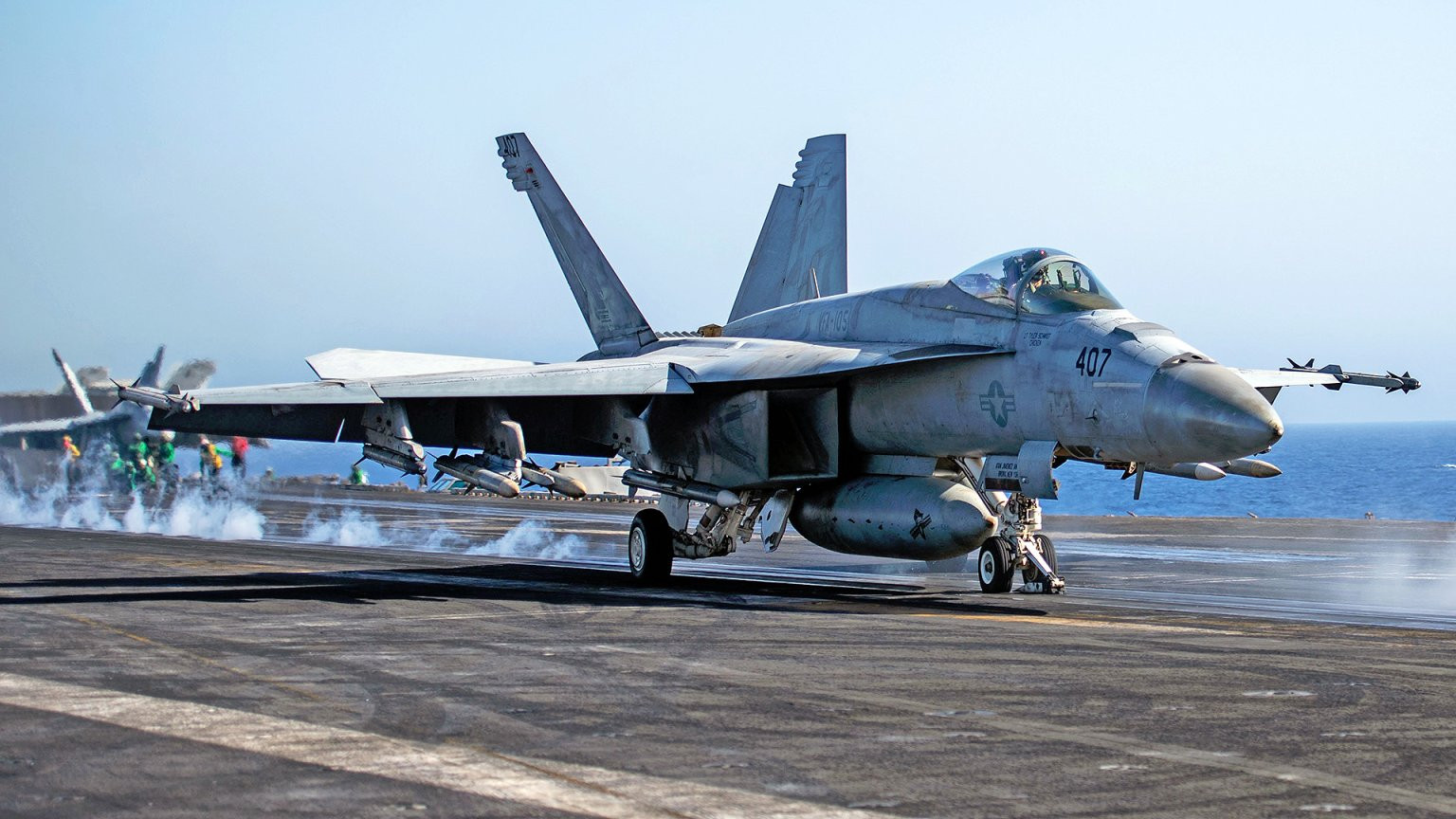
This is all especially important for stealthy aircraft that carry stores in internal bays with rigid dimensions when flying in their most low-obsevable configurations. As an example of what this means in practical terms, Lockheed Martin has spent years now working to develop a capability called Sidekick to increase the total number of AIM-120s that F-35s can carry in their weapons bays from four to six. Even so, that upgrade will only apply to A and C variants of the jet, as the bays on the B model are smaller to begin with.
The expectation that the AIM-9X CV will offer improved capabilities over its predecessors is also significant. The Air Force, in particular, has explored several concepts for air-to-air missiles that are smaller than Sidewinder, but which have generally been understood to trade range and/or performance for added magazine depth.
All of this brings us to the matter of Collaborative Combat Aircraft (CCA) type drones, which impose additional constraints on weapons integration simply by virtue of their overall size and maximum takeoff weight. As described now, the AIM-9X CV might be well-suited for arming CCAs, which will have more limited internal and external stores capacity, overall, compared to traditional crewed tactical jets. Being able to load them with more total missiles per sortie, and increase their reach at the same time, would be a major boon.
The Air Force just recently started weapons integration work as part of its CCA program using Anduril’s YFQ-44A Fury, which does not have an internal bay. Fury has been seen so far conducting flight tests loaded with a pair of inert AIM-120s, one under each wing.
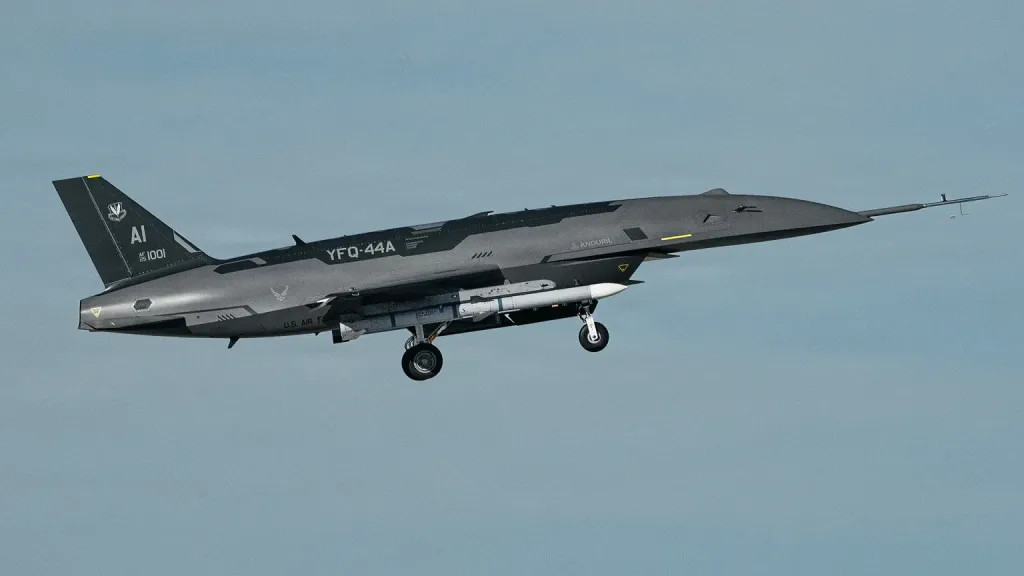
The YFQ-44A is one of two designs the Air Force is currently flight testing under the first phase, or Increment 1, of its CCA program. The other is General Atomics YFQ-42A Dark Merlin, which can carry stores internally. The Air Force has also been experimenting with other relevant drone designs in recent years, including Kratos XQ-58A and Boeing’s MQ-28 Ghost Bat, the former of which also has an internal payload bay. More recently, the service assigned the YFQ-48A designation to Northrop Grumman’s Talon Blue drone.
It is worth noting here that the development of the MQ-28 originally began for the Royal Australian Air Force, which has conducted at least one live-fire AIM-120 shot from one of those drones. The Ghost Bat carried the missile externally in that test. Future versions of the design are set to include internal weapons bays.

Uncrewed MQ-28 Ghost Bat showcases its combat capability
Back in the United States, the Marine Corps’ first CCA is set to be a variant of the XQ-58, and the service is also leveraging the YFQ-42A to support its CCA plans. The Navy is still early in the process of exploring potential carrier-based CCA designs.
The AIM-9X CV might also open up other kinds of new operational possibilities. A compact anti-air missile could provide defensive capability against incoming missiles for larger aircraft. This is something the Air Force has been particularly interested in, including as a way to help better protect aerial refueling tankers.
The compact version’s overall benefits could make it attractive for employment as a surface-to-air weapon, as well. Full-size AIM-9Xs are already an interceptor option for several ground-based air defense systems in service or otherwise on the market globally today, including the U.S. Army’s Enduring Shield.
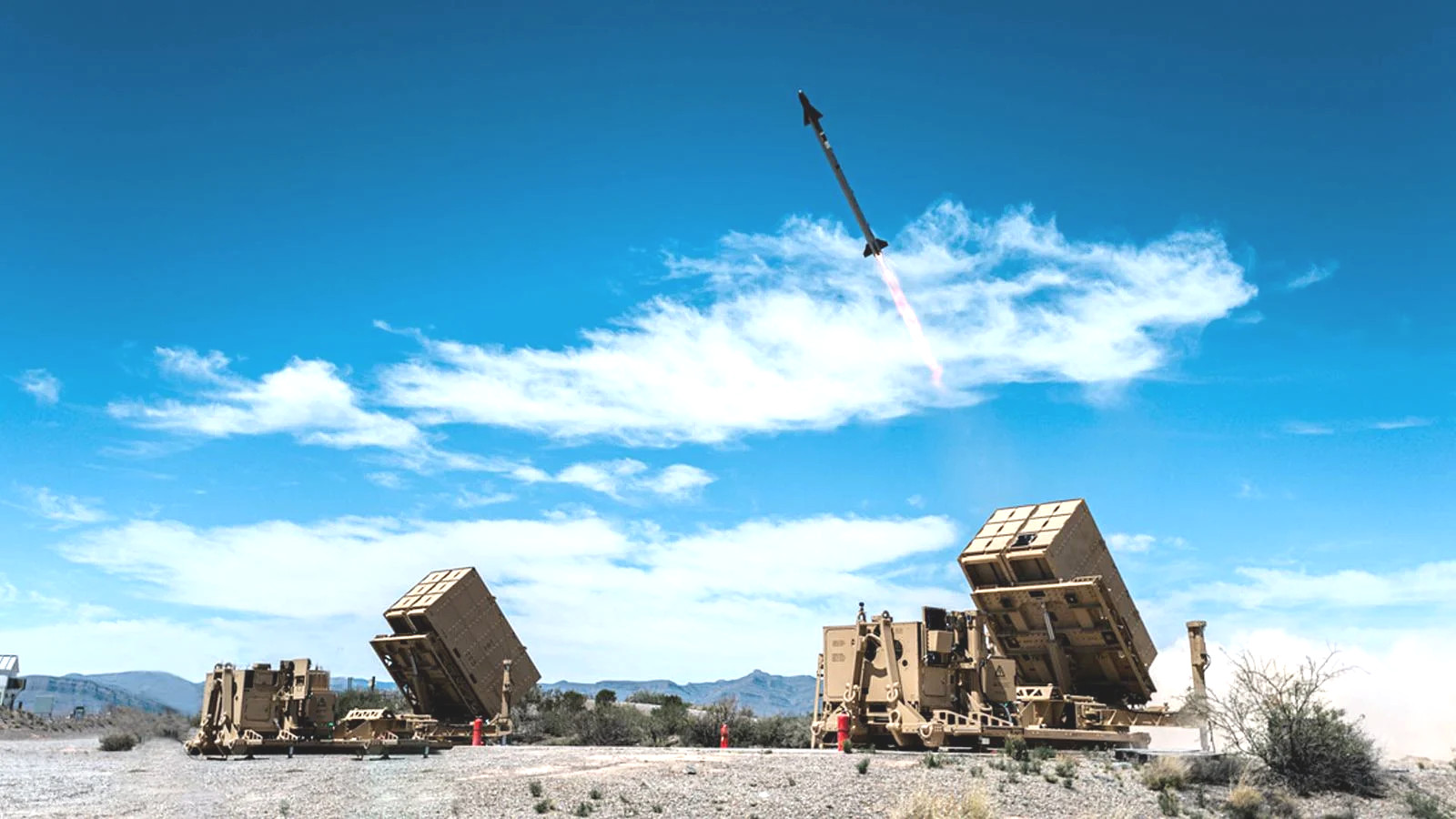
With the development of the AIM-9X now fully out in the open, more details about the missile’s design, as well as how the Navy and Air Force might plan to field it, may now begin to emerge.
Contact the author: joe@twz.com
editor's pick
latest video

news via inbox
Nulla turp dis cursus. Integer liberos euismod pretium faucibua