SCOTUS weighs Trump admin’s termination of Temporary Protected Status for Haitians, Syrians
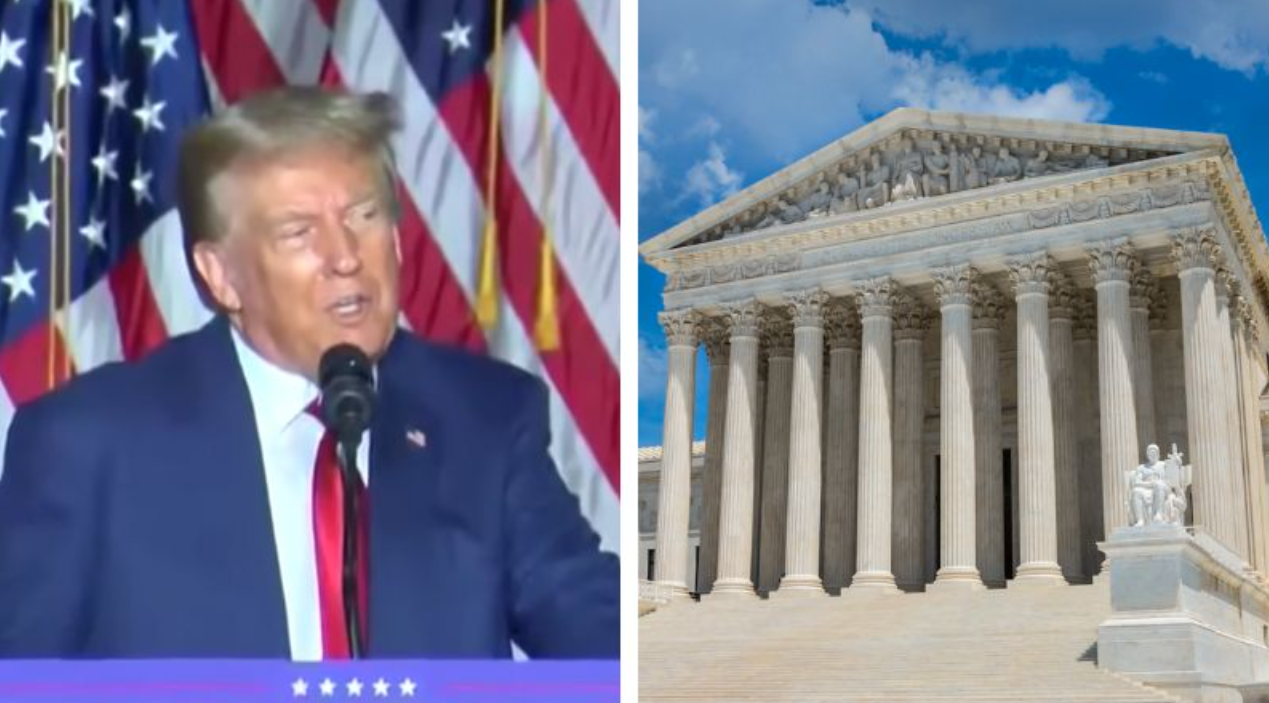
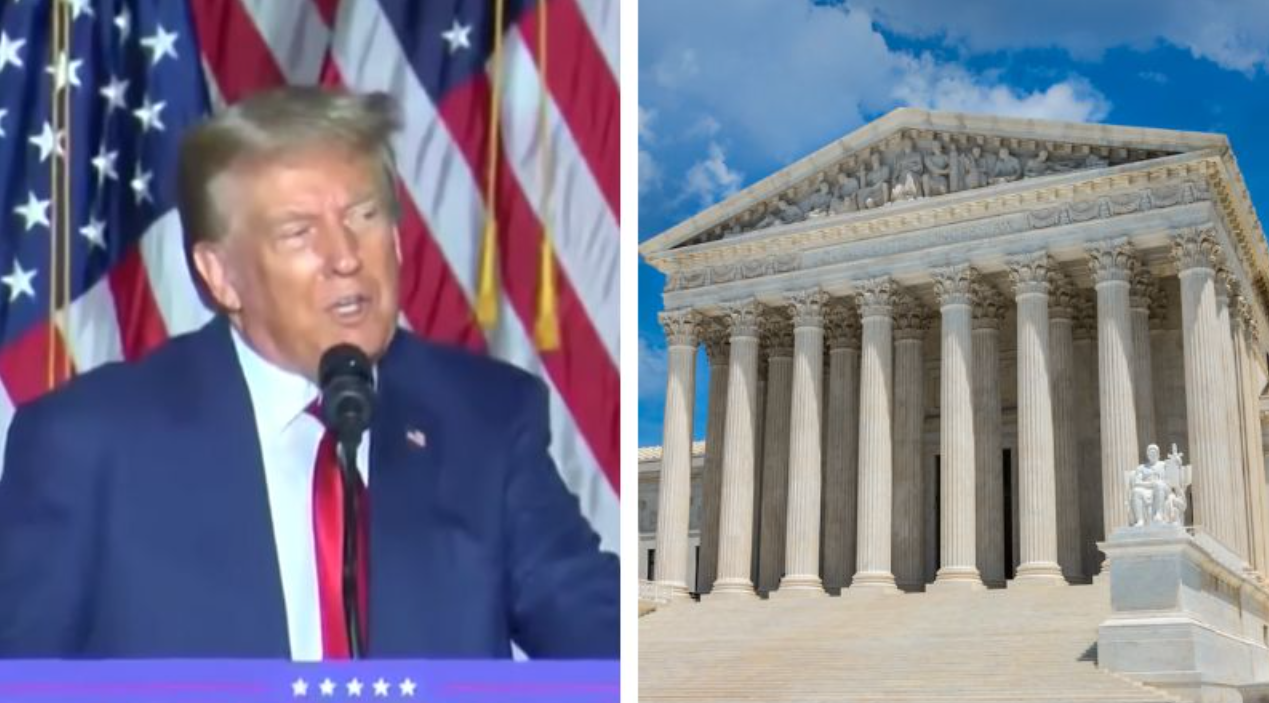
The Supreme Court heard oral arguments on Wednesday regarding President Trump’s attempts to end Temporary Protected Status for Syrians and Haitians. Much of the arguments centered around whether the Department of Homeland Security’s then-secretary Kristi Noem engaged in adequate consultation with the State Department prior to the TPS designation terminations, and whether a court can even review such decisions.
Solicitor General D John Sauer argued that the provision “bars judicial review of both the Secretary’s ultimate decision whether to designate, extend or terminate, and of each antecedent step along the way to that determination.”
“Respondents’ attempts to carve out exceptions to the review bar would eviscerate it, because virtually any substantive challenge could be recast as a procedural claim, as their own claims demonstrate. Moreover, their claims plainly cannot be raised without referring to or relying on the termination decisions, and they challenge the very kind of foreign policy-laden judgments that are traditionally entrusted to the political branches.”
During questioning, Justice Brett Kavanaugh asked Sauer, “can you explain the reasons why Congress would have barred judicial review as broadly as you assert?”
Sauer said, “Most importantly, the kind of determination that is at issue here is just the sort of determination that lies at kind of the heartland of what has been traditionally entrusted to the political branches.”
He said that the determinations made in both termination orders at issue were that “these are nations that have emerged from difficult times, and there are new fledgling governments there.” He said in the example of Syria, “The President has taken away sanctions. He has recognized that government. There’s refugees returning from all over the world, and if we don’t terminate TPS, it will send a message of doubt about that country. That’s the sort of foreign policy-freighted decision that lies at the heartland of the political branch’s competence.”
“And it’s the sort of thing that you, as you see in this case, those sorts of determinations being second-guessed by the district courts. It’s almost like these district courts are appointing themselves Junior Varsity Secretaries of State.”
Ahilan Arulanantham, representing Syrian nationals in the case, argued that Congress “struck a balance” with regard to judicial review in TPS. “It didn’t broadly bar review of all policies and procedures or all questions of law and fact, as in neighboring immigration statutes. It barred review of any determination in subsection B, which are the country conditions assessments on which the Secretary expected to have expertise. Congress thus preserved review to ensure compliance with other requirements in the statute, including in subsection B, like the obligation to consult and to make decisions based on country conditions.”
“The bottom line is this, the secretary can terminate TPS, but he must turn square corners follow the rules Congress set. In contrast, as we’ve heard today, the government reads the statute like a blank check.”
He was questioned about the term “determination,” with Justice Alito saying, “if we apply ordinary meaning of that term here, I really don’t understand how you can prevail.”
Arulanantham replied, “Well, I guess, because I don’t think that it always has the full potential breadth that the government has ascribed to it.”
Geoffrey Pipoly, an attorney representing Haitian nationals in the case, argued that the process by which the Trump administration attempted to terminate Haiti’s TPS status was “preordained result driven by the President’s resolve to end TPS for Haiti, no matter what.”
He said that the “true reason” for the termination of the status was “the President’s racial animus towards non-white immigrants and bare dislike of Haitians. In particular, the President has disparaged Haitian TPS holders specifically as undesirables from a quote, shithole country, and days after falsely accusing them about eating the dogs and eating the cats of Americans.”
Pipoly was questioned by Justice Samuel Alito about his insinuation that the cancellation of the temporary protected status for the groups was racist.
Alito asked, “I don’t like dividing up the people of the world arbitrarily into three racial groups, but you, when you say they’re all non-white, and that’s the distinguishing characteristic?” The attorney said that was the “distinguishing characteristic that the district court held.”
Alito responded, “You think that if you put Syrians, Turks, Greeks and other people who live around the Mediterranean in a lineup, do you think you could say those people are, that all of them, are they all non white?”
“I understand that Syrians, I think, may be classified as white for purposes of the State Department, or for—under certain government, you know, certain government programs,” the attorney said. “But again, I think race is, think you know, you’d have to pull the public to know what they think the race of a Syrian is. I certainly think they’re not white.”
editor's pick
latest video

news via inbox
Nulla turp dis cursus. Integer liberos euismod pretium faucibua