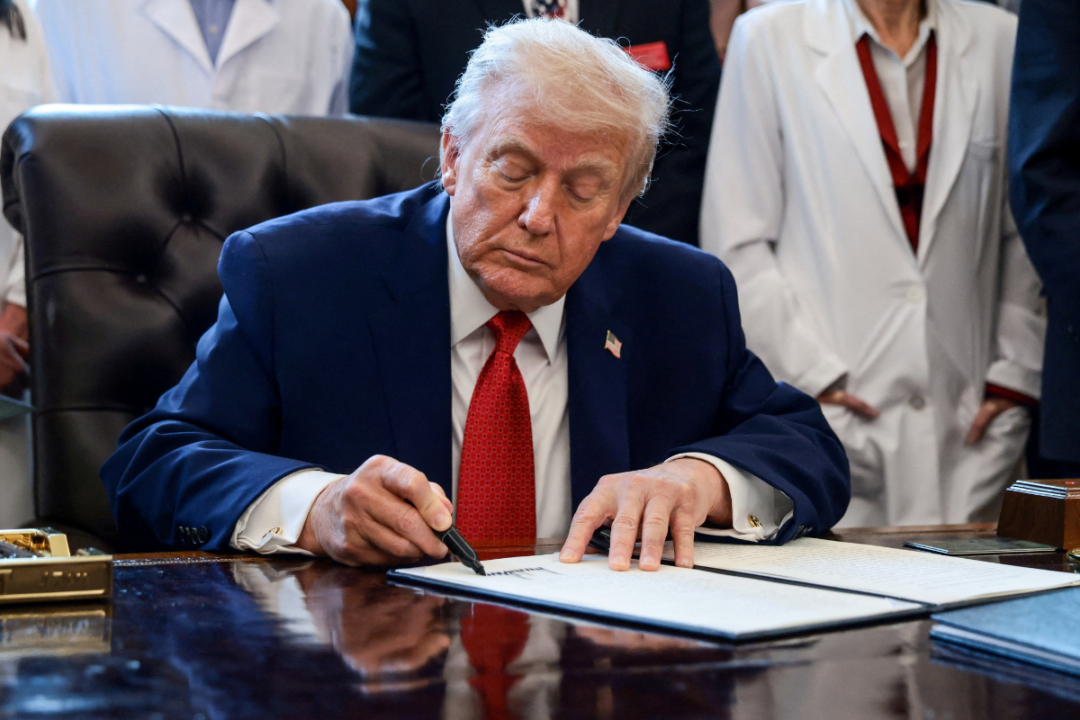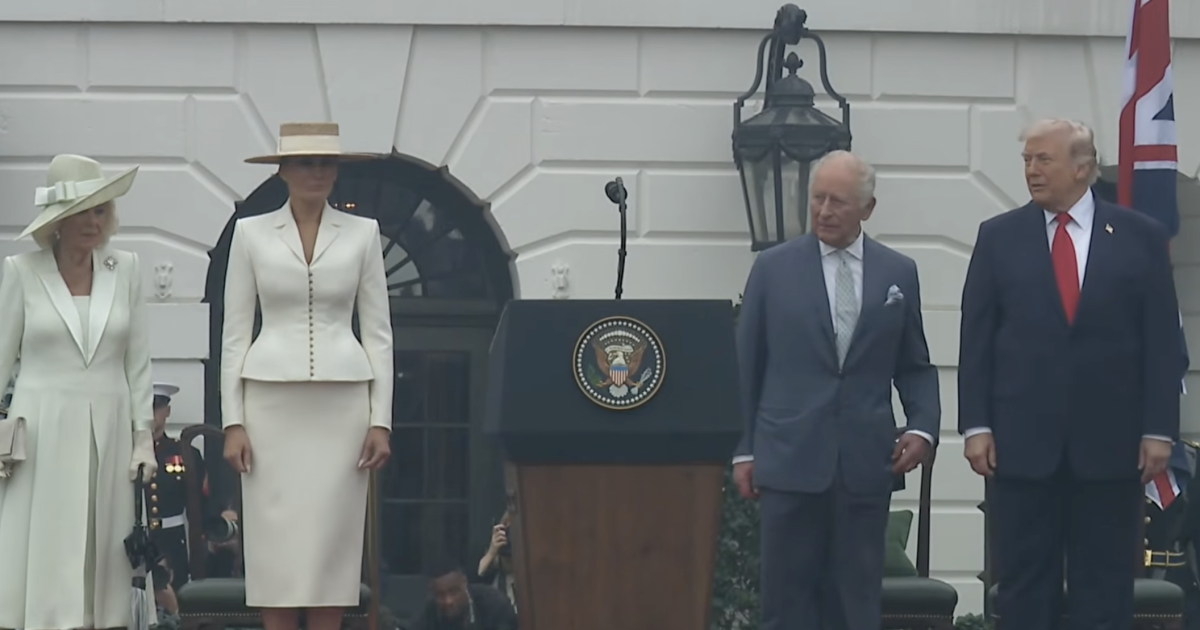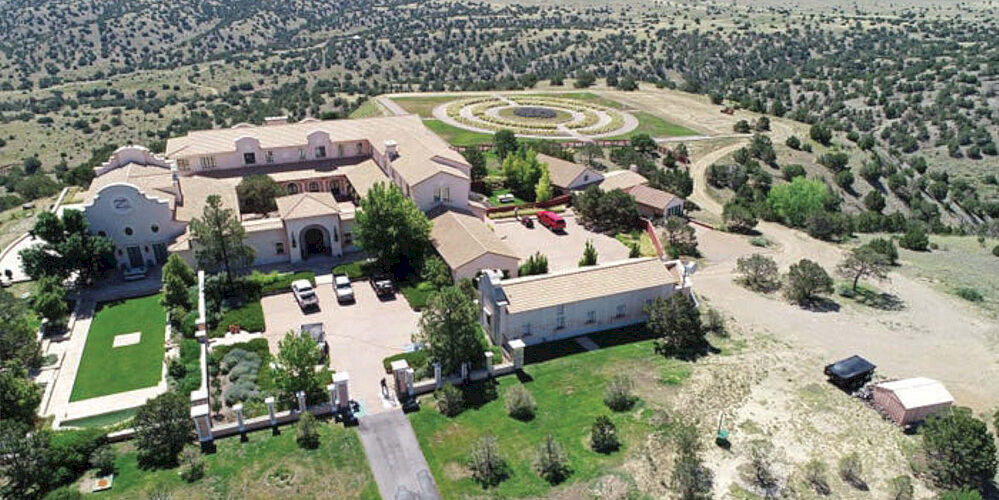
Multiple Men Allegedly Drugged and Raped at Epstein Ranch.
🎯 IMPACT: OPEC was founded to protect the interests of its member states through joint action. The UAE’s exit from OPEC and OPEC+ could disrupt the cartel’s ability to coordinate oil production and control prices, potentially increasing supply but contributing to market volatility. This is especially true if the UAE manages to significantly increase its oil production to match growing market demand. However, with travel through the Strait of Hormuz still disrupted, it is unclear how much additional product the Emirates can realistically export.
💬 KEY QUOTE: “Following its exit, the UAE will continue to act responsibly, bringing additional production to market in a gradual and measured manner, aligned with demand and market conditions. While near-term volatility, including disruptions in the Arabian Gulf and the Strait of Hormuz, continues to affect supply dynamics, underlying trends point to sustained growth in global energy demand over the medium to long term.” — WAM news agency, the UAE’s official state-run news agency.
editor's pick
latest video

news via inbox
Nulla turp dis cursus. Integer liberos euismod pretium faucibua