Iranian Attacks Change Way Navy Refuels Its Ships In Middle East
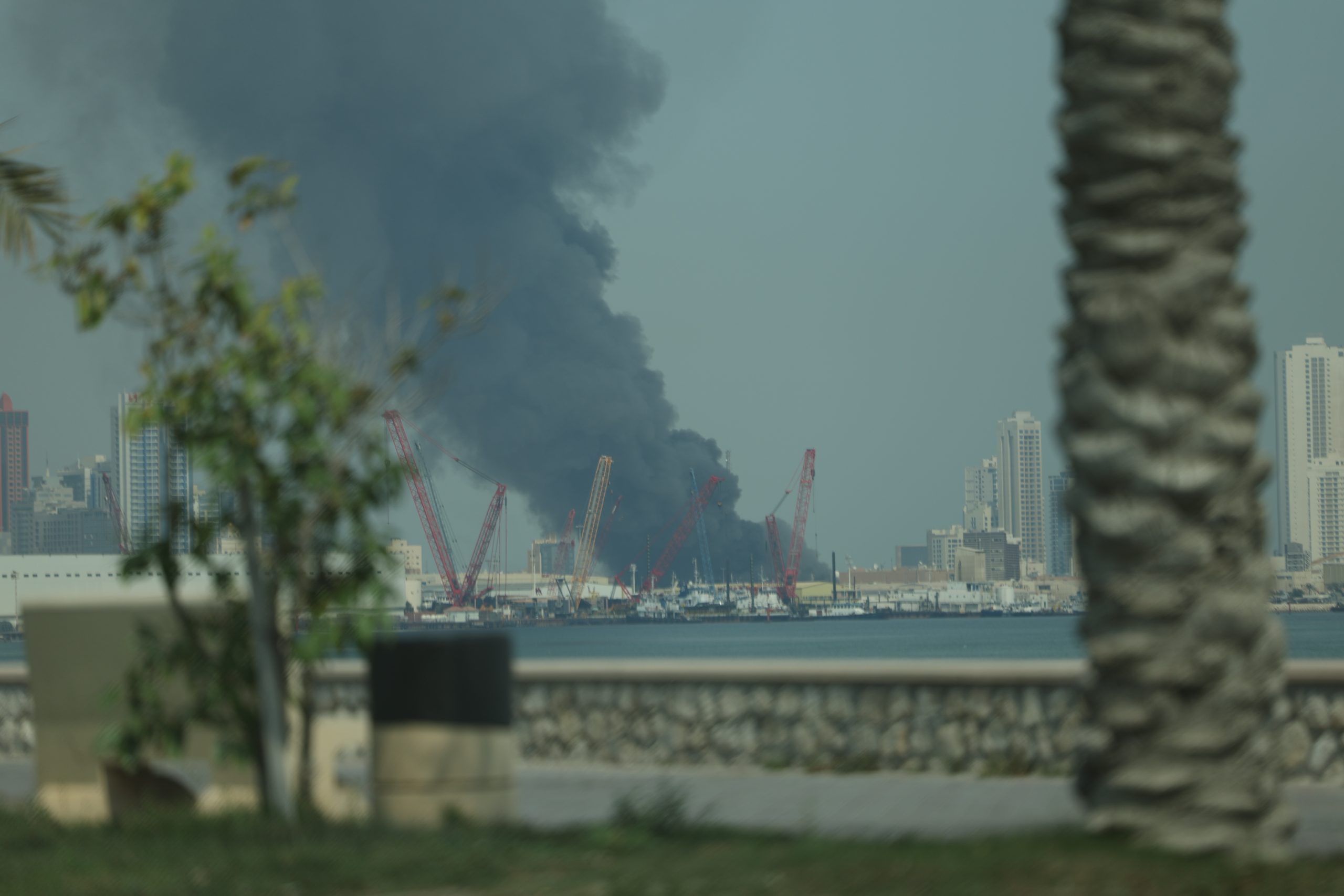
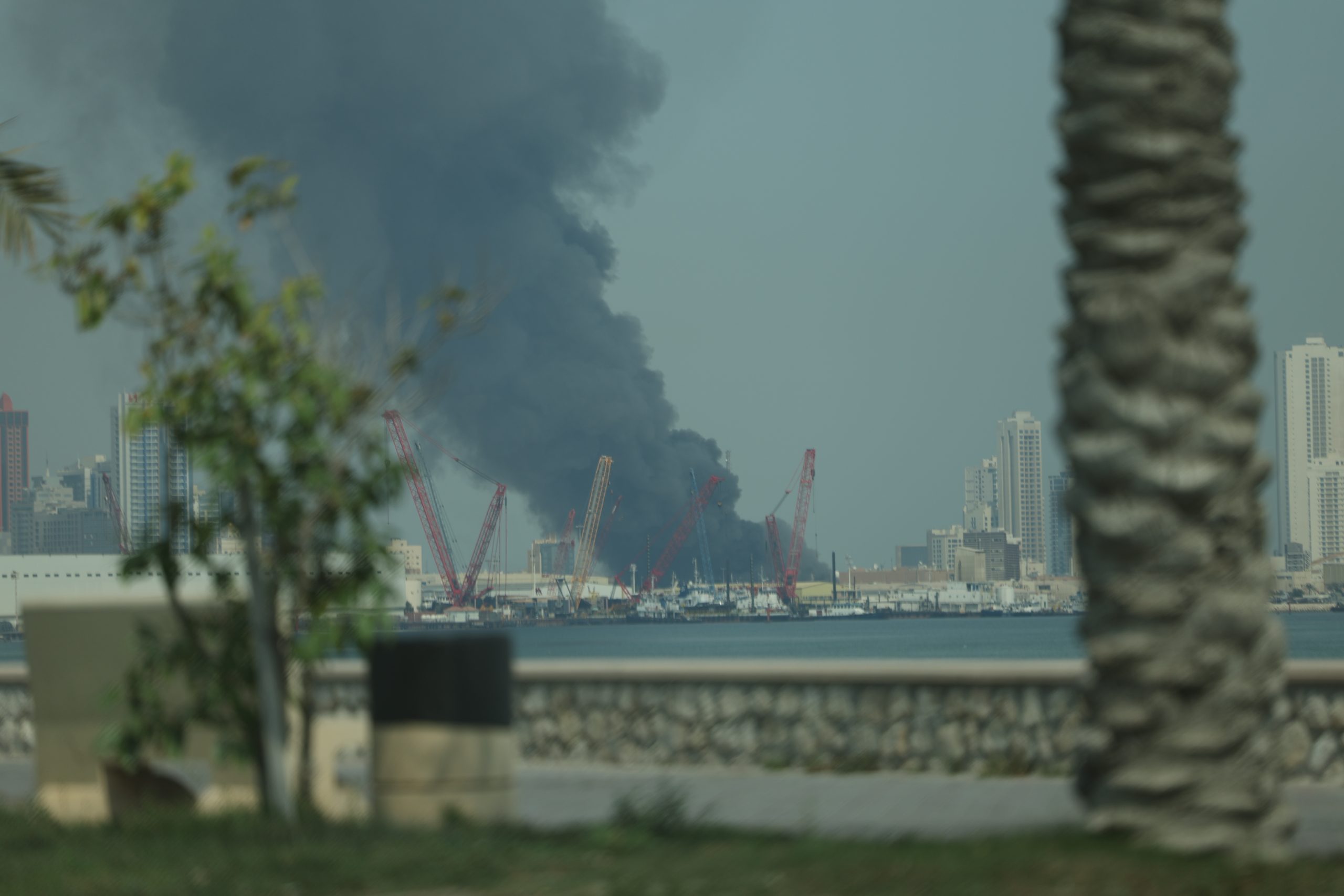
After Iranian missile and drone barrages disrupted U.S. Navy’s logistics by destroying port infrastructure and putting ships at risk, the service turned to a fleet of specially equipped commercial vessels to deliver fuel to warships away from the danger zone. These vessels proved so effective that one top Navy official said this week that he wants to see more of them pressed into service.
“Epic Fury has been a PhD course in logistics,” said Robert Hein, Director of Maritime Operations for the Navy’s Military Sealift Command (MSC) said during the Sea-Air-Space 2026 (SAS) exposition near Washington, D.C.
“So traditionally, for 25 years, we’ve been at war in the Middle East and that war was effectively fought in the parking lot of a giant gas station,” Hein explained. “Iran has effectively shut down that gas station. So we’ve had to come up with really creative ways of, ‘how do we replenish the fleet?’”
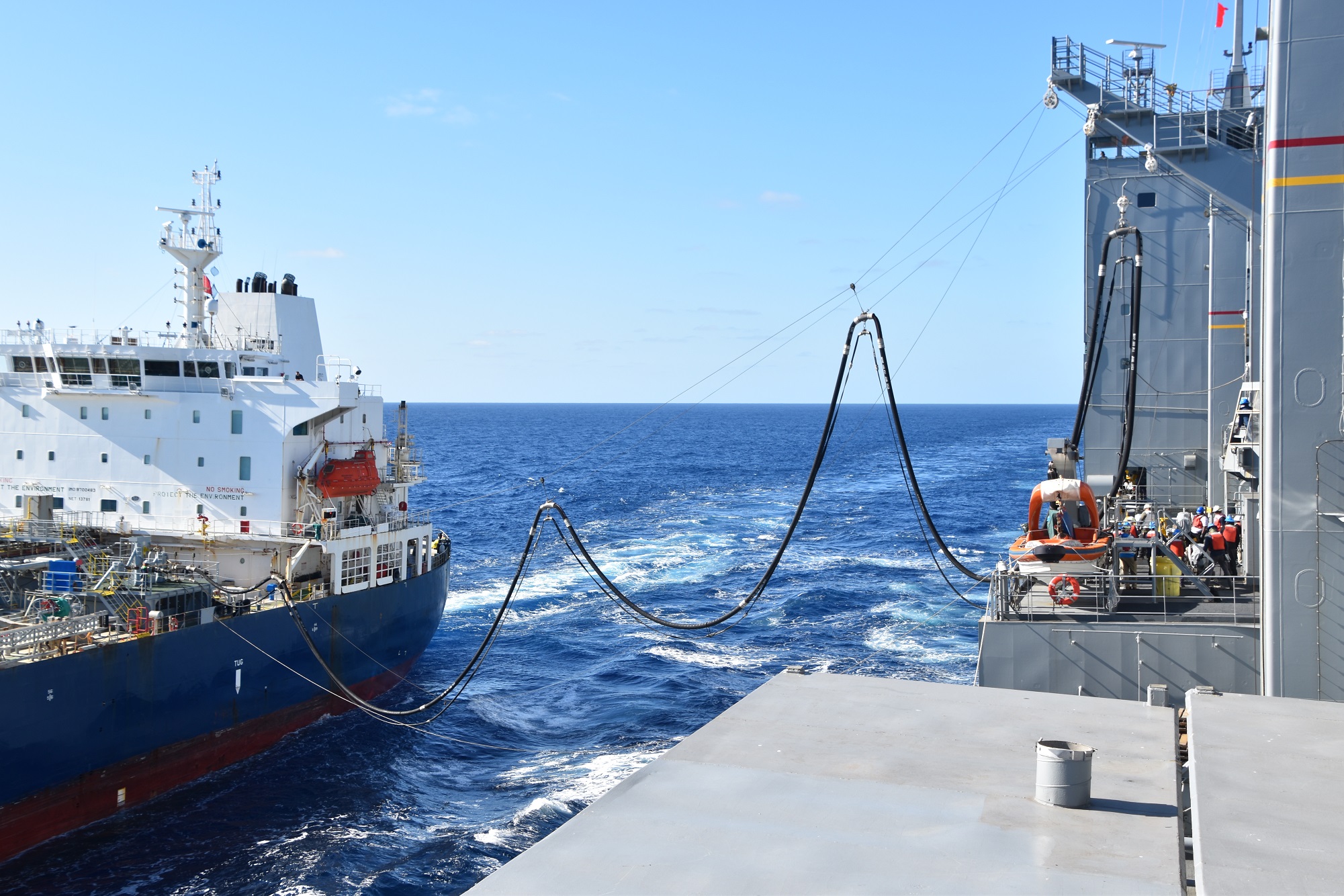
The answer was shifting from having fleet oilers call on ports to executing at-sea replenishment of those oilers by using consolidated cargo operations (CONSOL) tankers – vessels leased by MSC that are specially equipped to offload fuel at sea. The concept isn’t new. After shifting away from using chartered ships to refuel oilers at sea in favor of conducting the transfers at port facilities, MSC reintroduced the CONSOL process in 2015, “as a way to utilize a flexible platform that allows MSC to operate worldwide in a variety of missions,” according to the Navy. Having a CONSOL tanker provide fuel to oilers means they don’t have to return to a port, reducing costs and increasing time on station to support the fleet. During a time of conflict, that can also mean less risk to the oiler, which is a critical asset that would be in very high demand.
The way the chartered tankers have been used in the Middle East during Epic Fury has taken this process to a new level.
The Navy created what Hein called a system of “tanker treadmills” at sea with “tankers cycling in and out” to replace the fixed infrastructure no longer available due to Iranian attacks.
“There are no more logistics hubs they’re going to,” Hein proffered. “All those nodes are now remaining at sea.”
In addition to the CONSOL tankers’ ability to refuel oilers at sea, “we’re putting an additional fuel delivery system on those tankers so they’ll be able to replenish destroyers and ships other than oilers,” Hein added. He did not provide details about what kind of system, however, the Navy has previously discussed developing what is called a Modular CONSOL Adapter Kit (MCAK).
“By installing it on the deck of a tanker, it can refuel other ships through the receiving ship’s fuel delivery hoses,” the Navy explained.
There are currently 15 CONSOL tankers available to the Navy worldwide. Rear Adm. Chris Stone, Director of Strategic Plans, Policy, Logistics and Warfighting Development for U.S. Transportation Command said that’s not enough.
“If there’s one thing that I had the power to stroke a check on today, it would be to create more CONSOL tankers – those consolidated cargo replenishment at sea vessels,” he said at the same SAS panel.
“We probably need something more than 15, because when there’s a crisis or a conflict around the world, the first thing that a geographic combatant commanders asks TRANSCOM for is a CONSOL vessel, and we don’t have enough of them today without trade offs that create risk in other areas.”
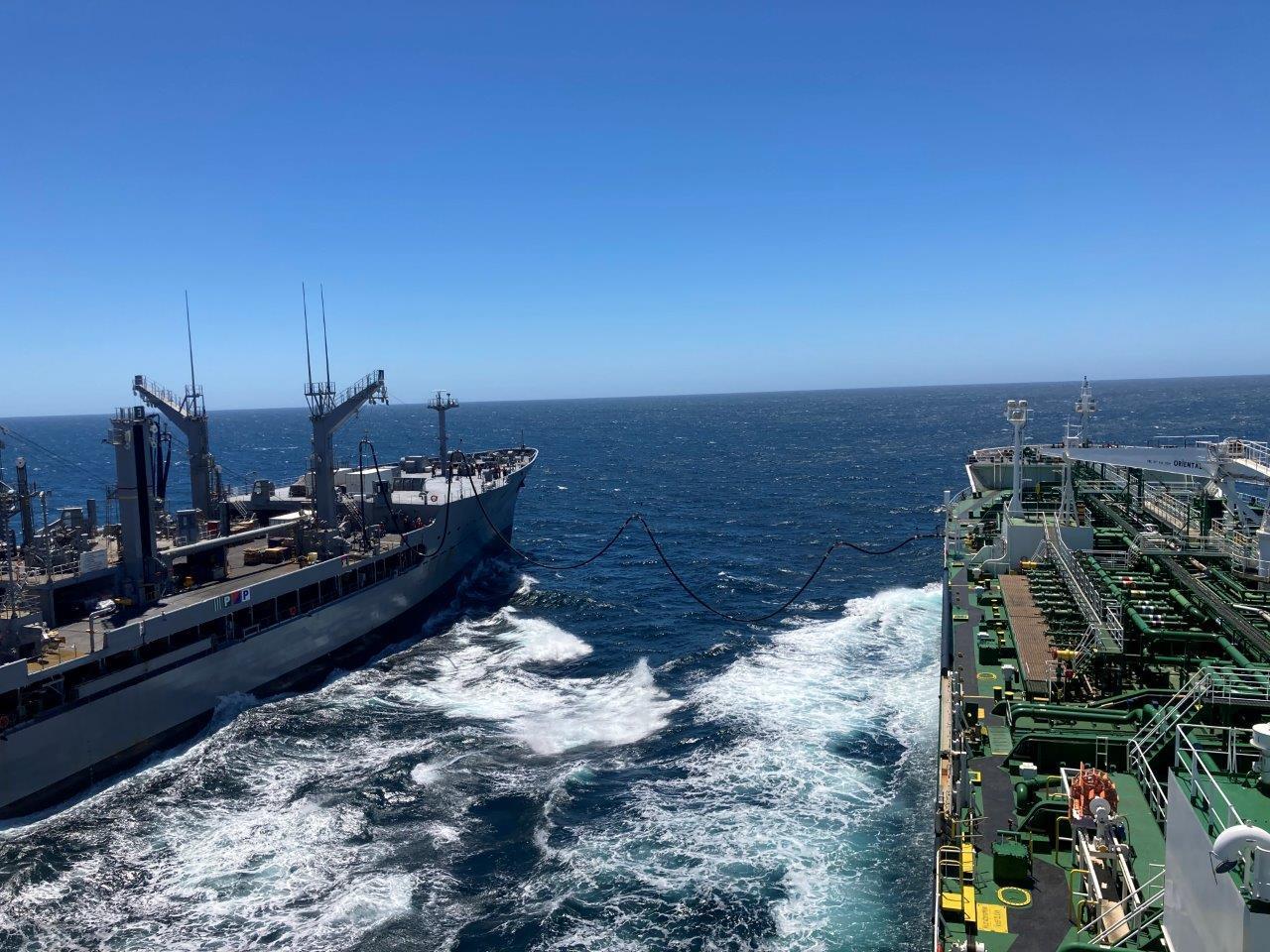
“We’ve proven CONSOL capability during Operation Epic Fury,” Stone added. “We have a treadmill of vessels where one is on the front line, one is topping off, and they’re continually rotating to ensure that we’ve got support for the warfighter.”
CONSOL tankers, Stone posited, “are no longer supply ships. They’re not logistics ships. They’re force projection platforms that support our warfighters. They allow us to support the joint force and refuel them underway. It extends our operational reach and endurance, while reducing the reliance on predictable, vulnerable port visits. In less than two years, we’ve increased the capacity dramatically, and we’ll continue to do so.”
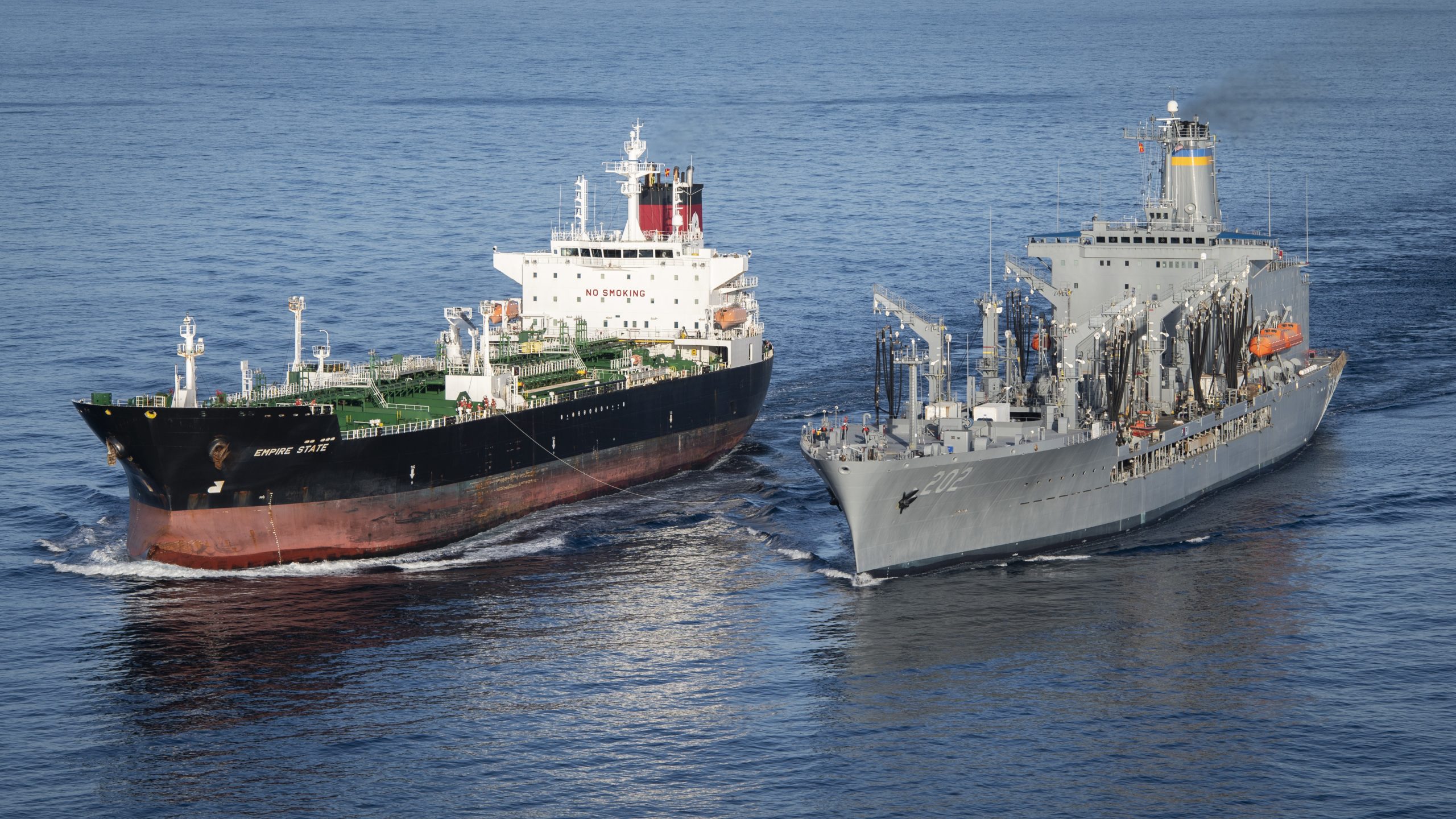
While a boon to the system, the CONSOL tankers are not without their issues. The main one being time. It takes about two hours for an oiler to refuel a destroyer, said Hein, while it takes about six hours for a tanker to get the job done.
“Unlike a quick trip to the gas pumps for a car, CONSOLing can take hours to complete,” the Navy noted in a story about the tankers. “This creates a unique set of challenges for the ships conducting the operations. CONSOLing is a dance between two ships. Each must maneuver alongside the other, and maintain a consistent speed and course. Because of their size, tanker maneuverability becomes a challenge.”
“We simply do not maneuver like the [oilers] do. They are graceful, gliding through the water,” said Capt. Michelle Laycock, Maersk Peary’s master. “There’s not a lot of ‘grace’ to a fully loaded tanker. We don’t glide, we plow through the water.”
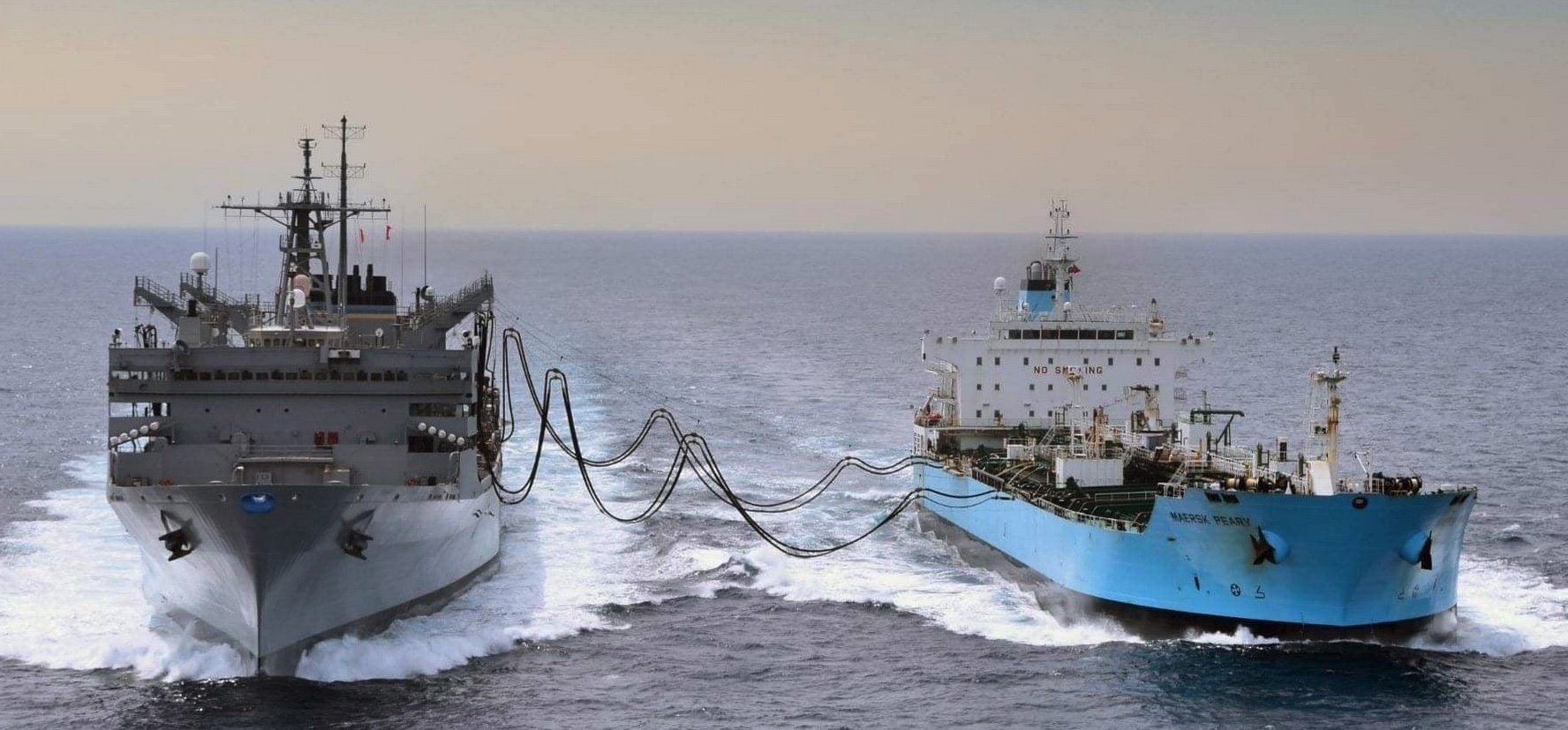
The increased time and effort is worth it, Hein said.
“This is a capability that is needed that will help mitigate the lack of oilers right now,” Hein suggested.
He wants to take the concept a step further.
“So while we can CONSOL for fuel, I’d like to get to a point where you CONSOL for food as well,” he stated.
While CONSOL has provided a lifeline for vessels during Operation Epic Fury, its utility would be dramatically magnified during a war in the vast Pacific, one where ports at much farther distances would be under threat as would ship of all kinds over huge swathes of that theater. There have been consistent concerns about the size of the oiler fleet being a point of weakness for the Navy’s ability to project power in a near-peer conflict. Doubling-down on CONSOL and giving those vessels the ability to directly refuel surface combatants, carriers and amphibious warships could go a long way to buying down risk and fortifying operational planning.
Contact the author: howard@thewarzone.com
editor's pick
latest video

news via inbox
Nulla turp dis cursus. Integer liberos euismod pretium faucibua