This post was originally published on this site.
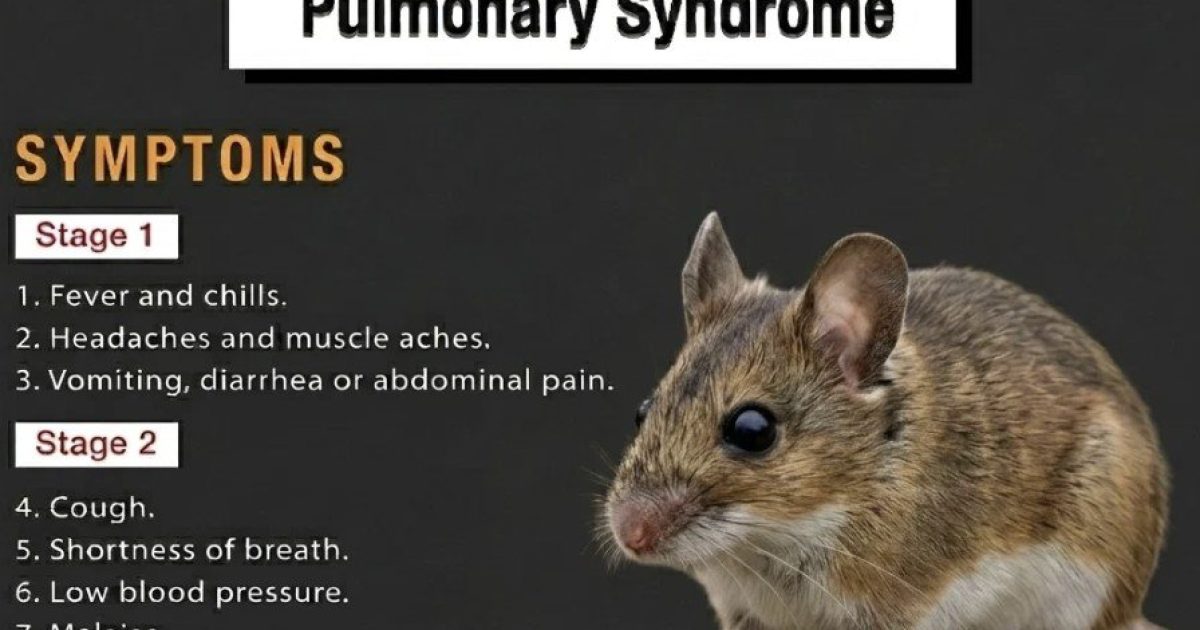
HANTAVIRUS: Are We on the Verge of Another Plandemic?
This post was originally published on this site.
(Note: Thank you for supporting businesses like the one presenting a sponsored message below and working with them through the links below which benefits Gateway Pundit. We appreciate your support!)

Just six years after the start of the COVID-19 “pandemic,” people across the globe are being treated to non-stop coverage of something known as the Hantavirus.
Why all the attention? 7 deaths, 23 more cases, and 12 countries exposed to the virus and because symptoms can take weeks to appear, infected passengers may have unwittingly traveled across borders before realizing they’re sick.
What is Hantavirus?
According to Dr. McCullough’s substack:
Hantaviruses are a group of viruses of the family Hantaviridae, order Bunyavirales, with the primary human-pathogenic species classified under the genus Orthohantavirus. The rodent-borne viruses are known to cause severe diseases, including Hantavirus Pulmonary Syndrome (HPS) in the Americas and Hemorrhagic Fever with Renal Syndrome (HFRS) in Eurasia.
Symptoms of hantavirus infection can include fever, extreme fatigue, muscle aches, stomach pain, nausea, vomiting, and shortness of breath. In some cases, people develop severe breathing difficulties requiring hospitalization. Symptoms usually appear between 2 to 4 weeks after being exposed to the virus, but there are reports of symptoms occurring up to 40 days after exposure.
In particular, the strand on the cruise ship has been identified as the so-called “Andes” strain:
Laboratory testing of samples from the ship confirmed the strain as Andes virus (Andes orthohantavirus), a New World hantavirus endemic to southern South America (primarily Argentina and Chile) and carried by the long-tailed pygmy rice rat (Oligoryzomys longicaudatus).
Should We Be Concerned?
Unlike most strains, Andes hantavirus has been shown to spread person-to-person. Add that to a confined ship, shared air systems, and weeks of silent incubation, and you have a perfect storm.
Dr. McCullough, who was an early and vocal critic of the response to COVID, believes the current response to dealing with this outbreak is also concerning:
During the pandemic I recall the WHO and other public health agencies making every wrong move in terms of action steps. Now the same is playing out on the MV Hondius hantavirus outbreak.
In particular, Dr. McCullough is concerned – and rightly so – that the response here may actually be increasing the likelihood of further transmission:
“When confined within ventilation and recirculated air systems… aerosolized transmission becomes an urgent concern.”
— Dr. Peter A. McCullough
And here’s the part most people underestimate: The incubation period can stretch up to eight weeks. That means people can walk off a ship, board a plane, go home, and THEN get sick.
What Can We Do?
There are a lot of troubling questions around this latest potential plandemic. Why was Moderna working on a vaccine for hantavirus when, under normal circumstances, virtually no one gets hantavirus? Big pharma rarely dumps substantial sums of money into researching a potential vaccine to combat a threat that doesn’t exist.
Then there is a question of the timing. With the midterms looming, the globalists have already shown they will do ANYTHING to stop President Trump. Is this just another transparent effort to terrorize Americans and swing the mid-terms against President Trump?
So many questions and so many left unanswered. Here is what we do know, we know we can’t trust the government or big pharma or the global healthcare bureaucracy. So who can we trust? In the words of Dr. McCullough, people need to, “take individual responsibility for their biological security.”
This starts with early action — not panic, not guesswork, but preparation.
Because when respiratory symptoms begin, timing matters:
Antivirals work best early.
Anti-inflammatories work best early.
Breathing treatments work best early.
Delay is the enemy.
A valuable lesson that we learned during the last plandemic is that early treatment is absolutely critical.
That’s why many families choose to keep the Contagion Emergency Kit on hand.
The next outbreak won’t wait — and neither should you. When the news breaks, shelves empty, doctors get overwhelmed, and prescriptions become harder to fill. We’ve seen how quickly access disappears when demand spikes.
The Contagion Emergency Kit removes that uncertainty. Your medications are already prescribed, already delivered, and ready to use the moment symptoms begin — when timing matters most. No scrambling for appointments, no waiting in crowded clinics, no wondering if what you need will still be available.
That’s the difference between reacting and being prepared.
Click here to get the Contagion Emergency Kit sent to you today!
Note: The information provided on this website is intended for informational purposes only and should not be considered medical advice or used as a substitute for professional healthcare guidance. It is your responsibility to comply with all applicable laws, regulations, and guidelines regarding the purchase, possession, and use of prescription medications.
The post HANTAVIRUS: Are We on the Verge of Another Plandemic? appeared first on The Gateway Pundit.
editor's pick
latest video

news via inbox
Nulla turp dis cursus. Integer liberos euismod pretium faucibua
Leave A Comment
You must be logged in to post a comment.