F/A-18 Super Hornets Eyed To Replace Navy’s Remaining F-5 Adversaries
The U.S. Navy appears to be preparing to replace its remaining F-5E/F Tiger II adversary jets with F/A-18E/F Super Hornets, continuing the modernization and rationalization of these critical training assets. The Navy’s apparent acknowledgment that even upgraded F-5s are no longer sufficient for top-tier adversary training reflects a broader Pentagon shift toward higher-end platforms in this role.
The House Armed Services Committee released its first draft of the fiscal 2027 National Defense Authorization bill yesterday. Among the many provisions in the defense policy bill is a call for a report “on the status of efforts to transfer F/A-18E/F aircraft to the Navy Reserve to replace the F-5 aircraft.”
The report is to be delivered to the congressional defense committees by March 2027 at the latest.
This seems to be the first confirmation that further Navy adversary units will adopt the F/A-18E/F, the production of which is now ending, with the final deliveries expected next year.
As expected, the report will highlight any potential risk to mission execution, fleet readiness, and pilot and maintainer qualification during the period in which the older F-5s are being transferred and replaced by Super Hornets.
The Secretary of the Navy is also required to inform Congress of how long the transition process will take. This includes acquiring the required support equipment and spares, training for pilots and maintainers, and contracts related to the changeover.
Currently, the Navy has four Fighter Squadron Composite (VFC) squadrons responsible for adversary work.
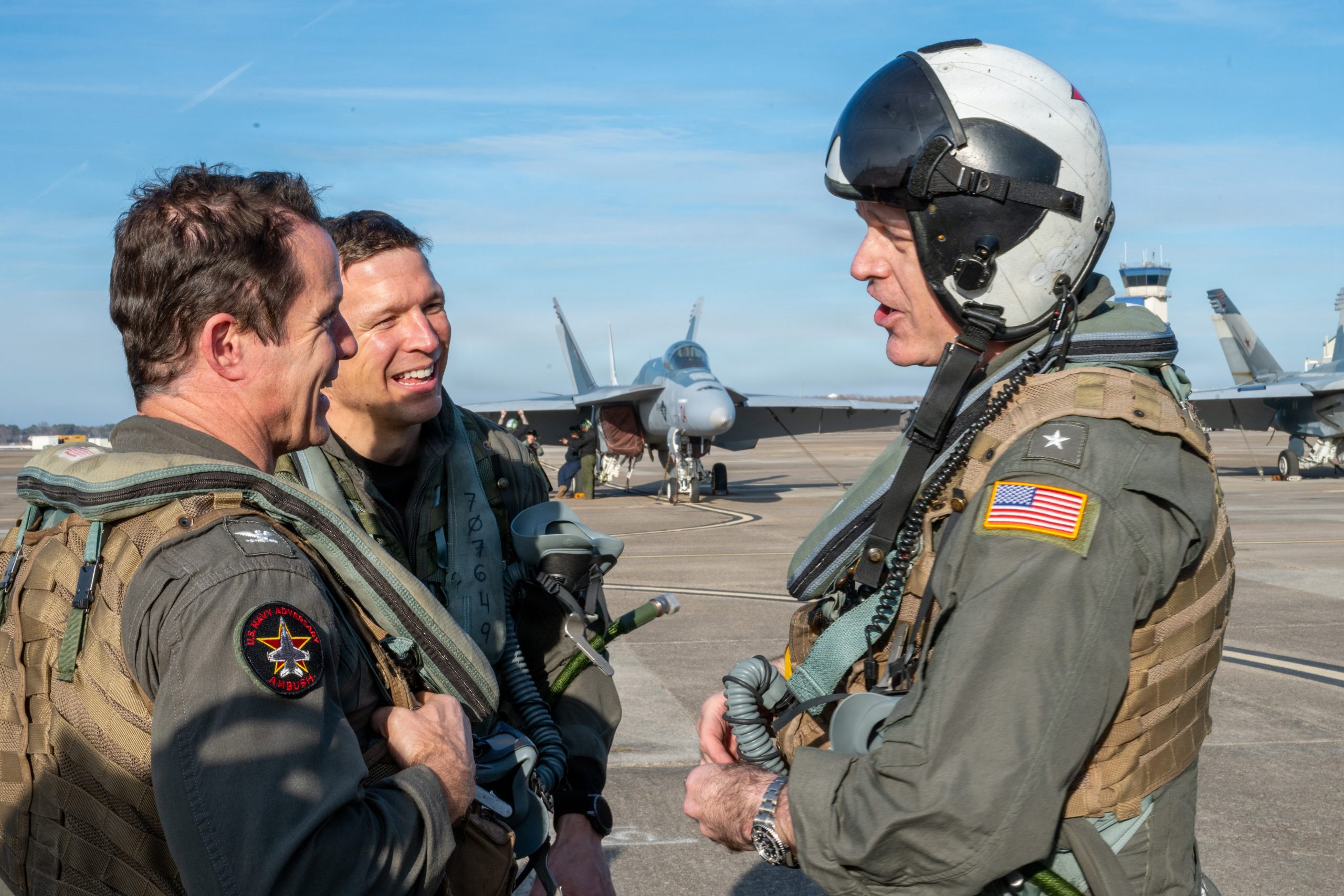
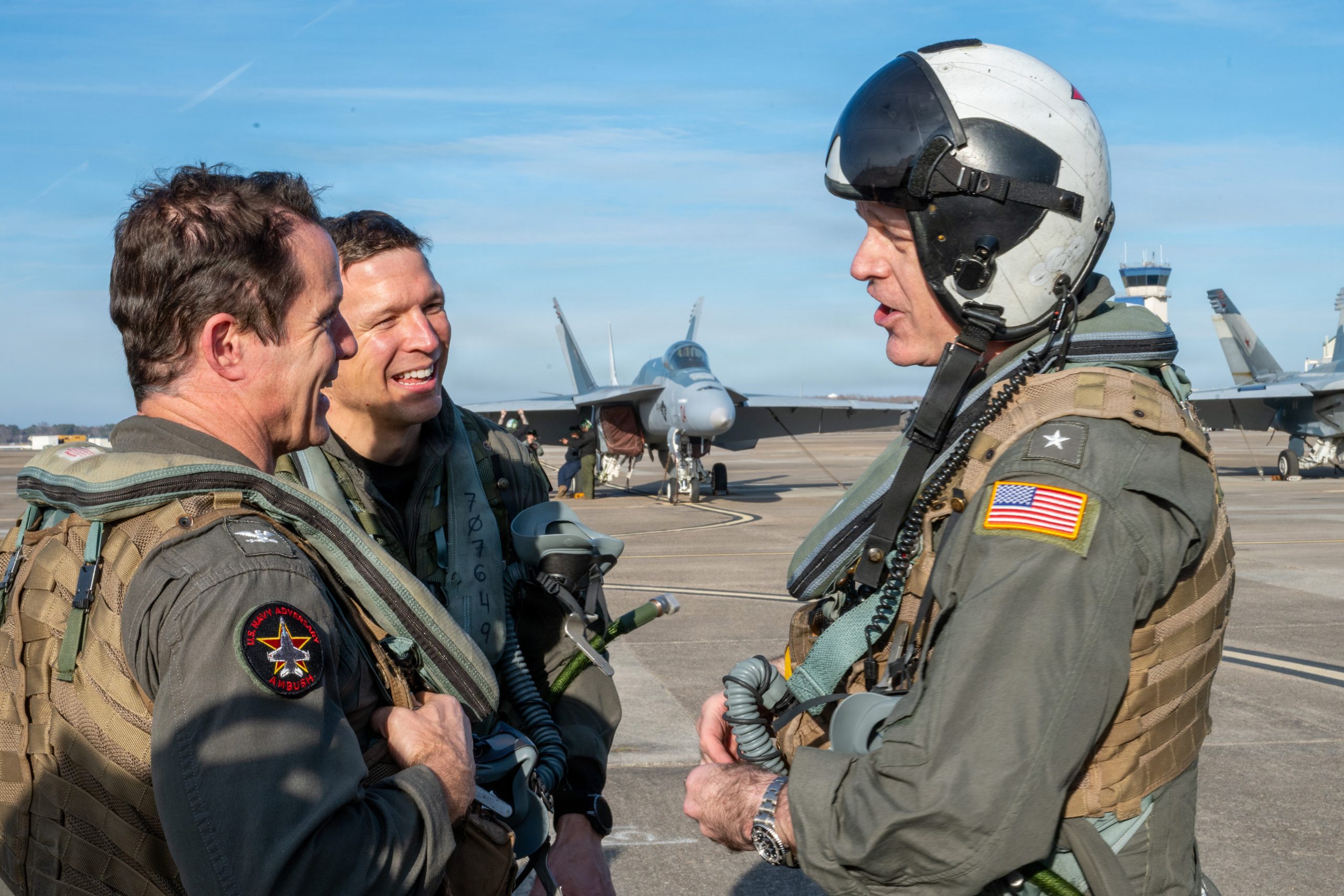
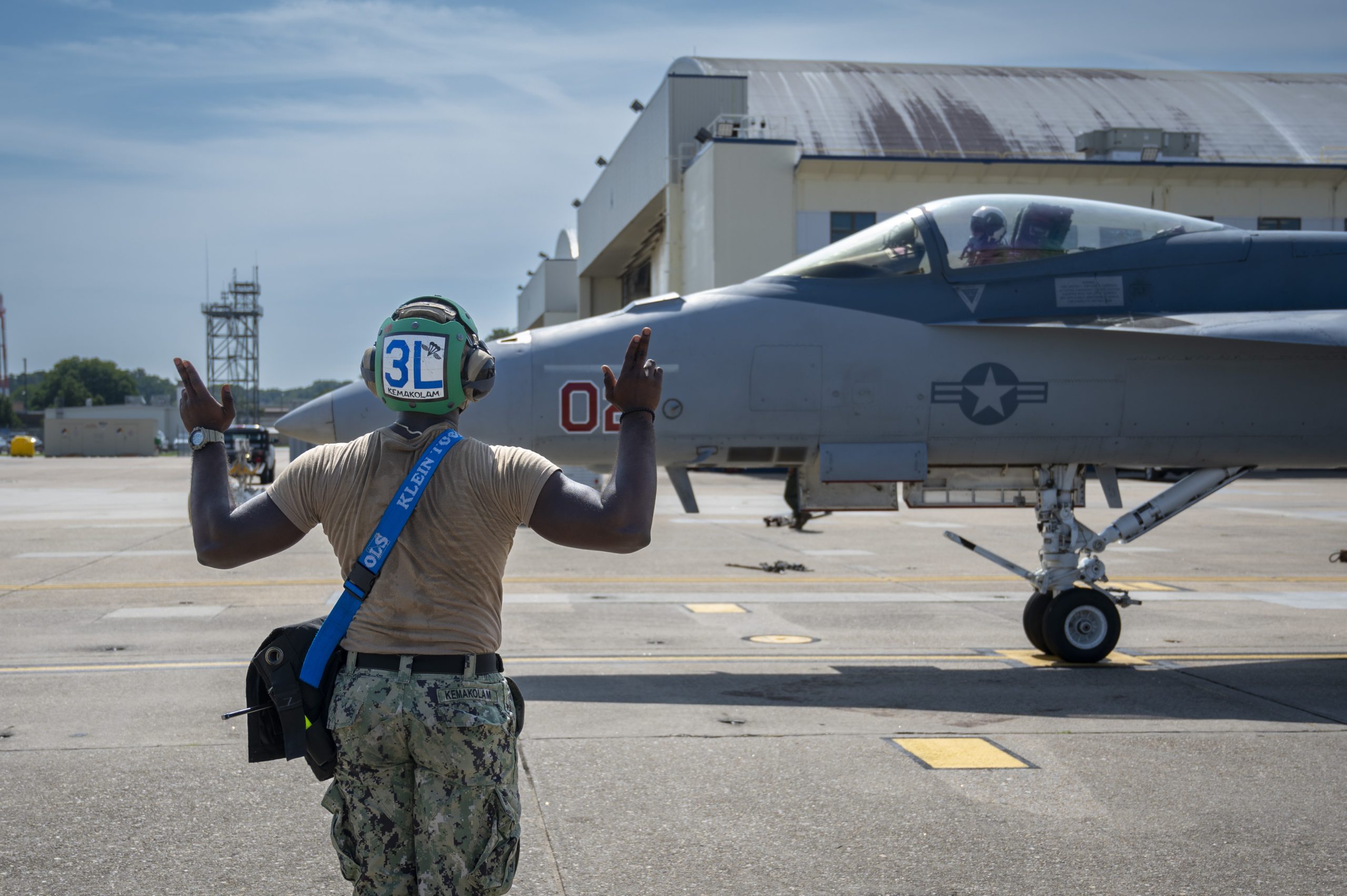
One of these, VFC-12 “Fighting Omars,” has already transitioned to the F/A-18E/F at Naval Air Station (NAS) Oceana, Virginia.
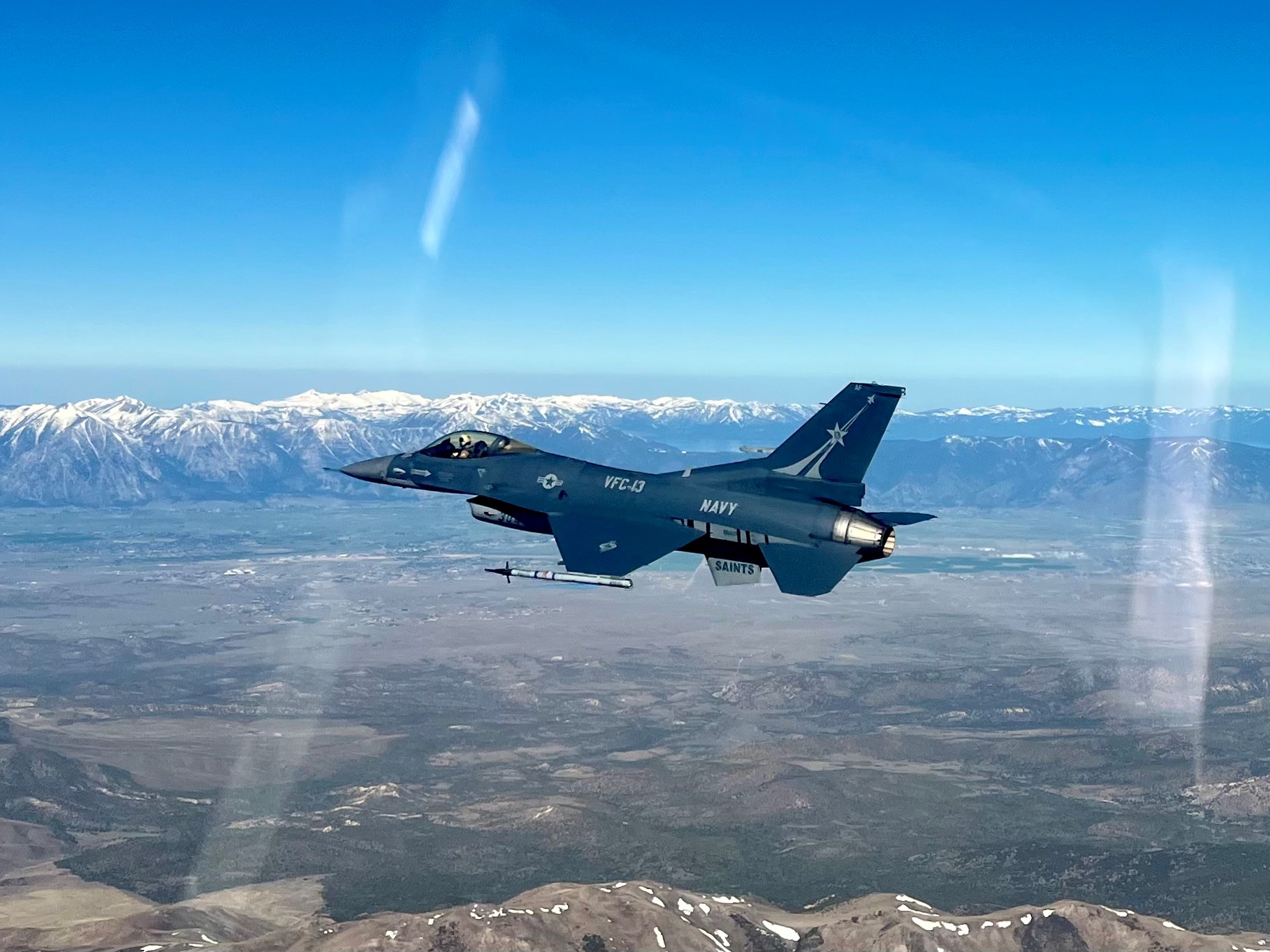
VFC-13 “Saints,” based at NAS Fallon, Nevada, is equipped with surplus, but significantly upgraded F-16C/Ds, having previously flown F-5s.
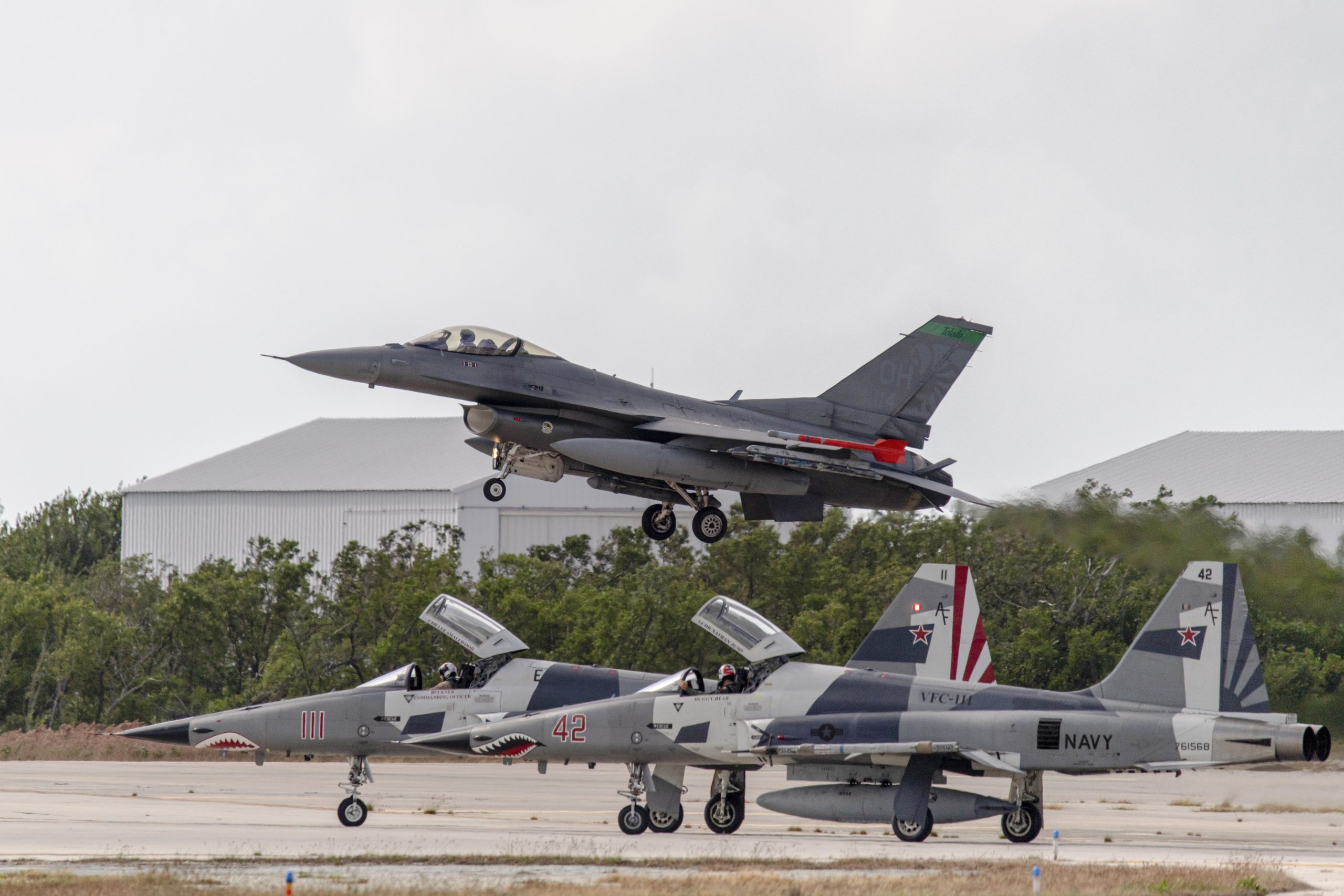
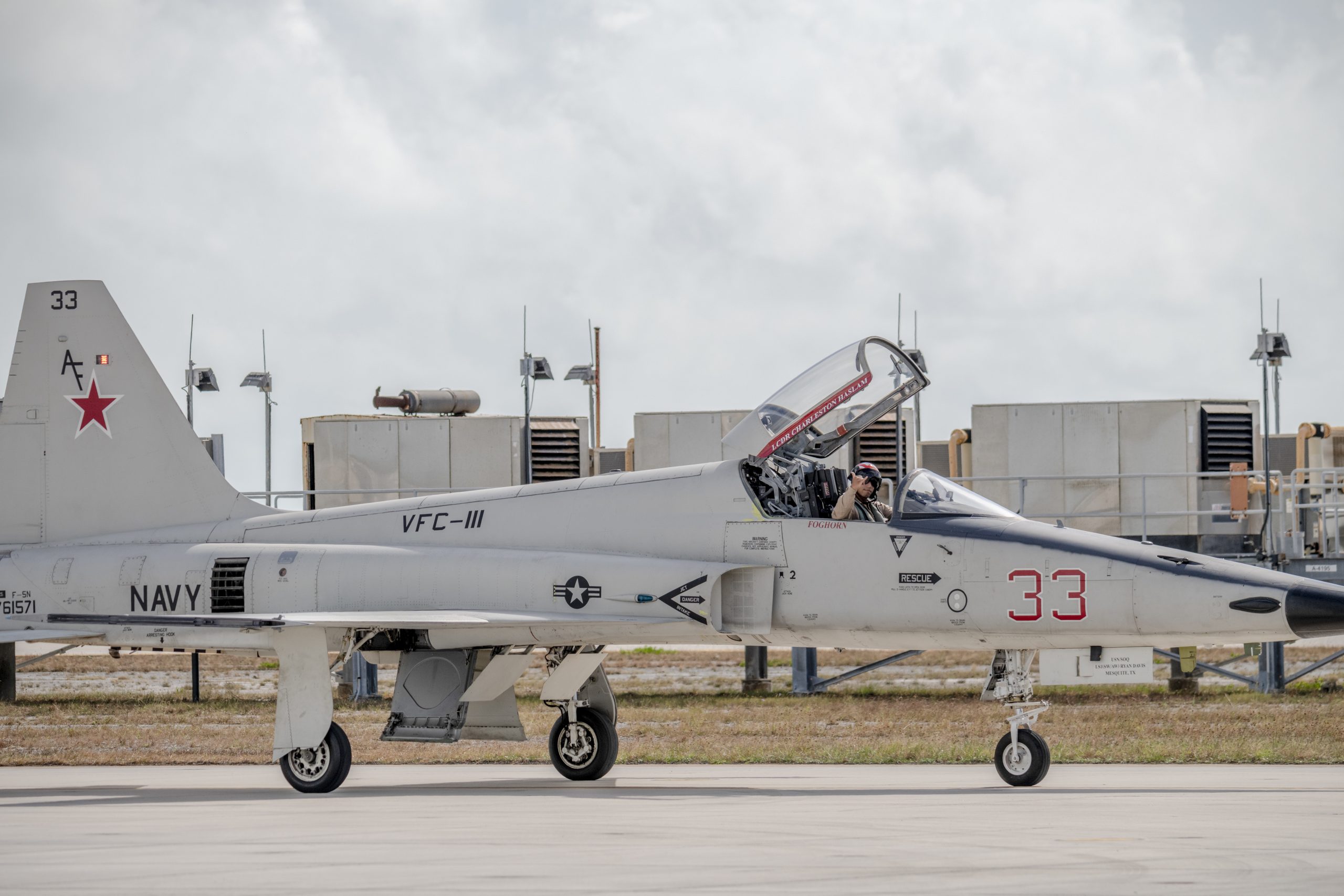
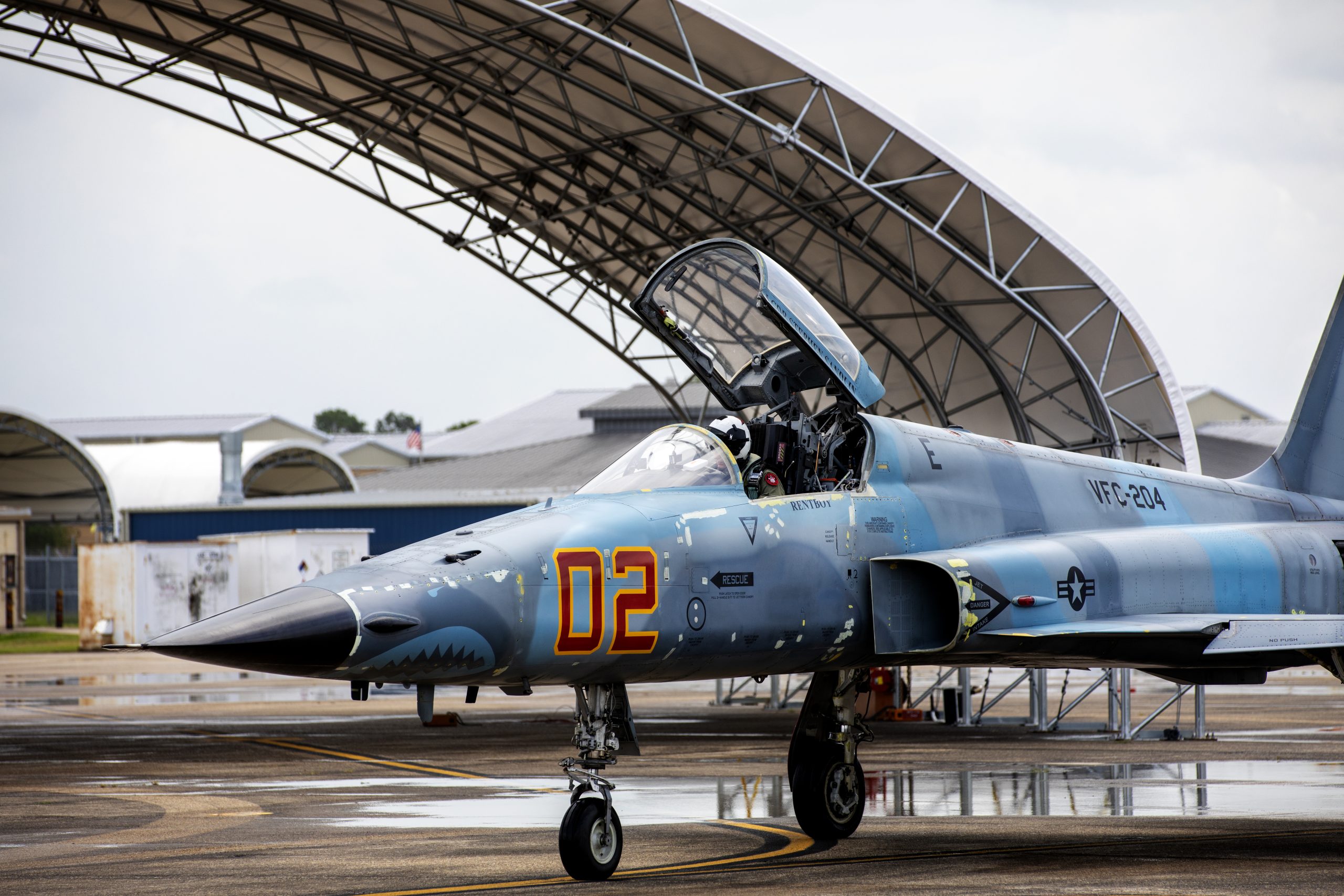
This leaves two F-5F/N units.
VFC-111 “Sundowners” flies out of NAS Key West, Florida.
Finally, VFC-204 “River Rattlers” is at NAS/Joint Reserve Base New Orleans in Louisiana. VFC-204 converted from the Legacy Hornet to the F-5 relatively recently.
The Navy has made efforts in recent years to enhance its F-5 fleet, under an effort formally known as the Avionics Reconfiguration and Tactical/Modernization for Inventory Standardization program, or ARTEMIS.
This includes new Mk 16 ejection seats, Digital Air Data Computers (DADC), and Automatic Dependent Surveillance-Broadcast (ADS-B) transponders, as well as upgrades to its cockpit, including flat panel displays.
The lead contractor for ARTEMIS is the private U.S. ‘red air’ adversary support company, Tactical Air Support, Inc., or TacAir. The ARTEMIS upgrade package is based on the F-5 Advanced Tiger, or F-5AT, configuration developed by TacAir. This includes Nemesis radar, mission computer, threat weapons engagement zone (WEZ) replication software suite, Argus radar warning receiver (RWR), Mason hands-on-throttle-and-stick (HOTAS) controls, Garmin wide area display, Scorpion helmet mounted display, open architecture mission system, and datalink, among other enhancements.
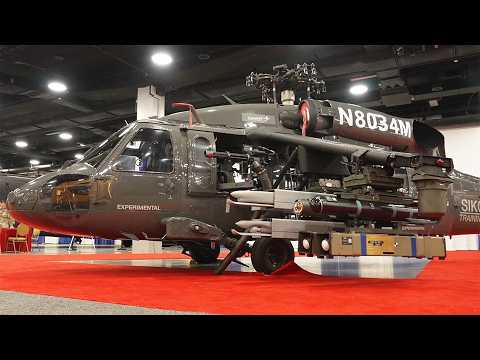
Transport of Swiss AF F-5 in a Navy C-130T
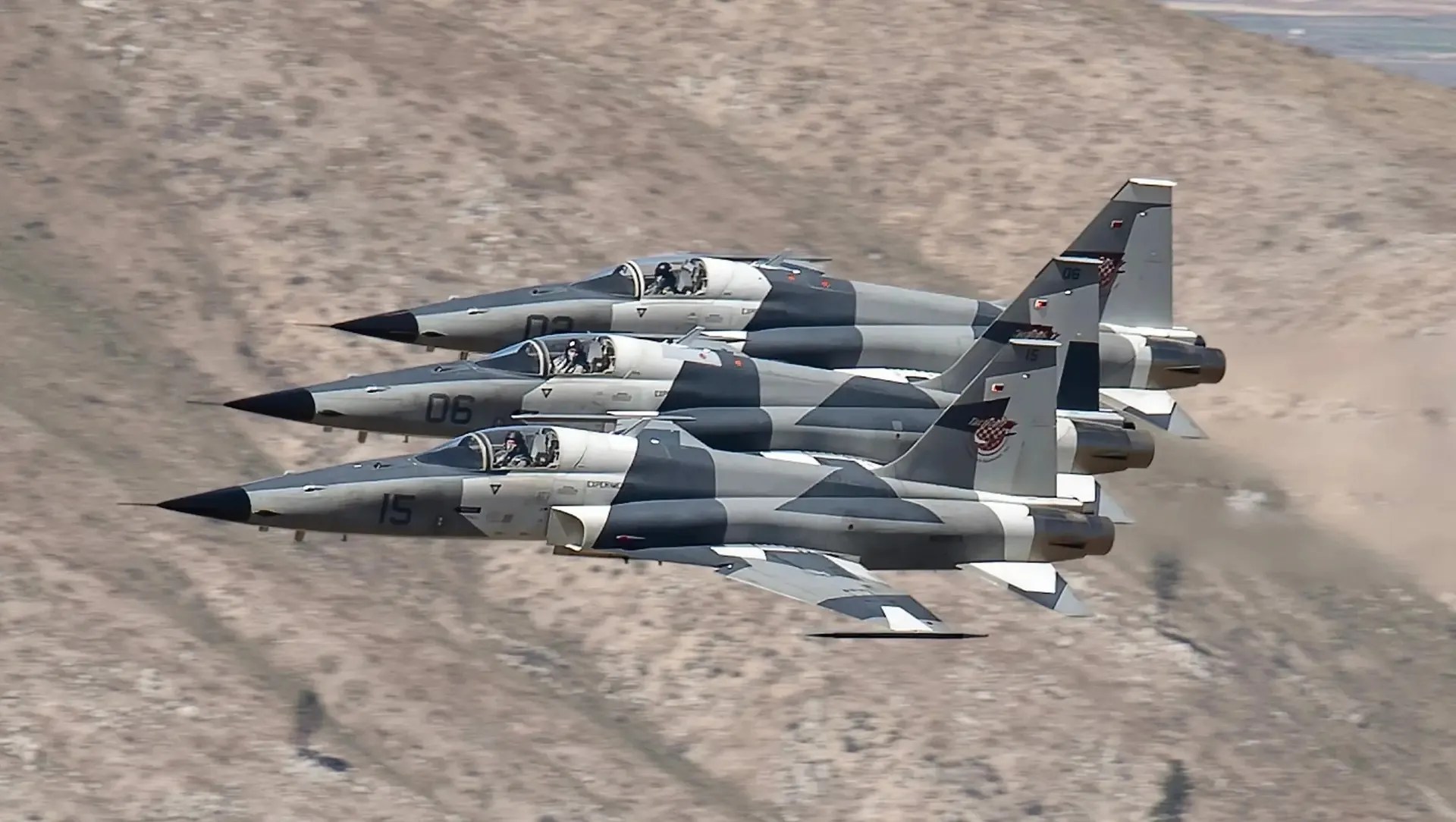
The Navy’s 28 single-seat F-5Ns and its pair of two-seat F-5Fs are being brought up to the ARTEMIS standard, as are a batch of 22 ex-Swiss Air Force F-5E/Fs that are being converted into adversary jets. The former Swiss airframes are being divided between the Navy and the U.S. Marine Corps and are known as F-5N+/F-5F+s once the work on them is completed.
But even with these enhancements, the F-5s are dated aircraft and are increasingly unsuitable for meeting the Navy’s demand for more advanced red air capabilities.
As we have described in the past:
“At its core, the F-5 is a dated, non-stealthy Cold War-era design, but it still can replicate a wide variety of threats, including some capability aspects of fourth-generation fighters and cruise missiles. F-5s do lack the performance to truly mimic a fourth-generation fighter. At the same time, they offer a valuable dissimilar threat for Navy and Marine aviators to train against, thanks to their relatively small size and agility.”
Where the F-5 does come into its own is in economically helping to generate a greater volume of aerial threats to better represent higher-end large-scale conflict scenarios during exercises, something that is especially important as the U.S. military prepares for a potential major fight in the Pacific against China. The degree to which the F/A-18E/F will be able to meet this requirement will depend on how many airframes are made available for adversary work. This is something that will also have to be weighed up against frontline fleet demands, at a time when there is already a shortage of tactical aircraft. It’s also worth noting that the Blue Angels fly some of the oldest Super Hornets in a special display configuration.
You can read what it’s like to fly Navy F-5 adversary jets in this past feature.
As of April last year, the Navy had 325 single-seat F/A-18Es, 250 two-seat F/A-18Fs in inventory, according to official budget documents. These are the primary workhorses of the service’s carrier air wings, as well as for supporting operations from bases on land. Super Hornets and Growlers have been heavily involved in combat operations in the Middle East in recent years and remain heavily engaged today.
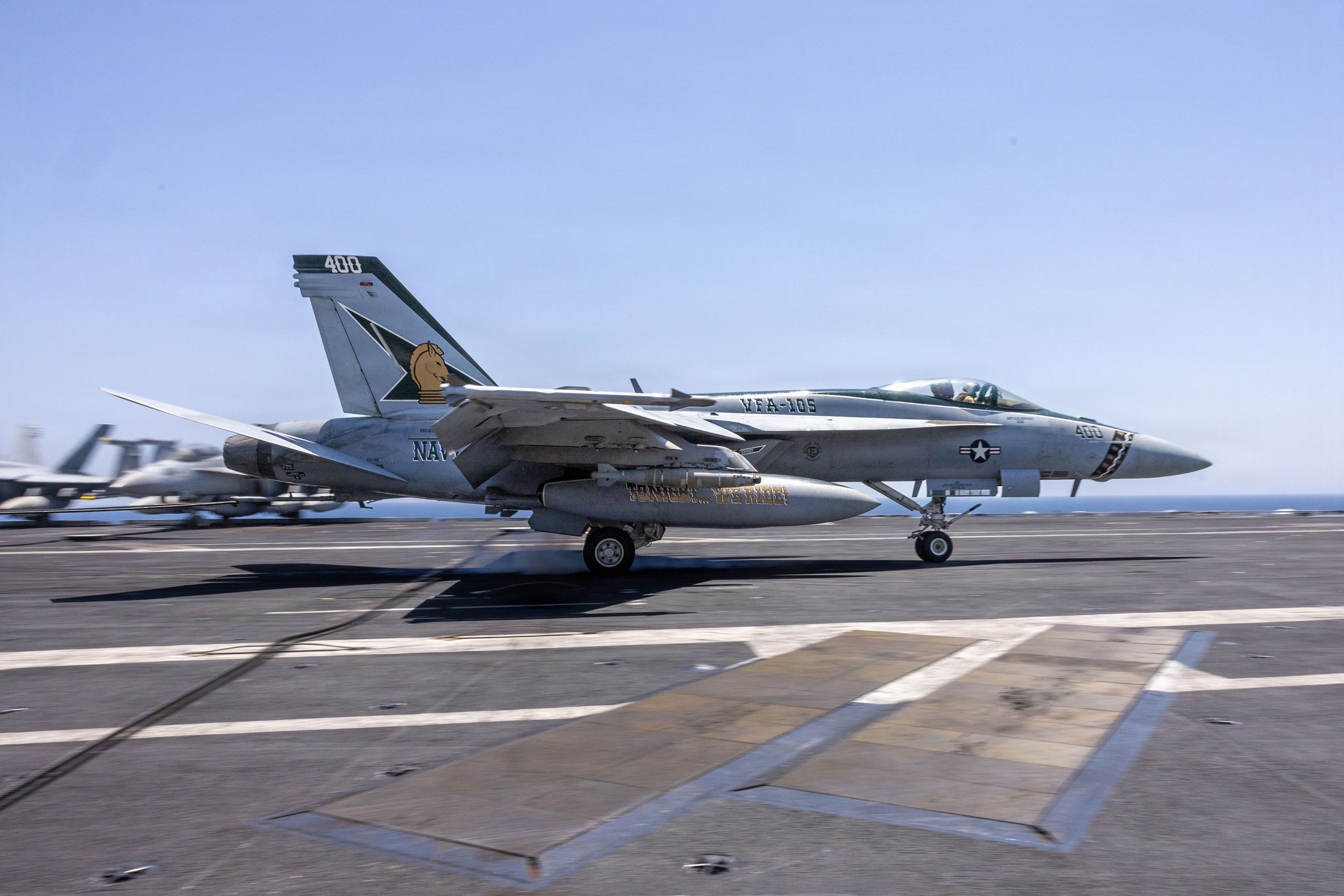
Meanwhile, to help meet the surging demand for adversary support, the Navy and other services have turned more heavily to contractors to help fill in for red air requirements. These include TacAir, with its own F-5ATs.
However, there is no escaping the fact that the Navy, and the U.S. military at large, increasingly requires more advanced adversary capacity, especially as it gears up to fight advanced fourth-generation combat jets, let alone stealthy fifth-generation threats. The U.S. Air Force has responded to this requirement by operating its F-35A stealth fighters as dedicated red air adversary during high-end training, as you can read about here. That service has since stood up an F-35 adversary squadrons, while reducing its reliance on contractor red air services flying dated, third generation types, like the F-5.
The Super Hornet, with its AN/APG-79 — arguably the most mature active electronically scanned array (AESA) radar available — as well as its ATFLIR targeting pods and a radar warning receiver, makes a very capable adversary in training scenarios and a good match for replicating advanced Chinese fourth-generation threats, like the J-16 Flanker. Navy Super Hornets can also carry an advanced infrared search and track (IRST) system, like the Flanker.
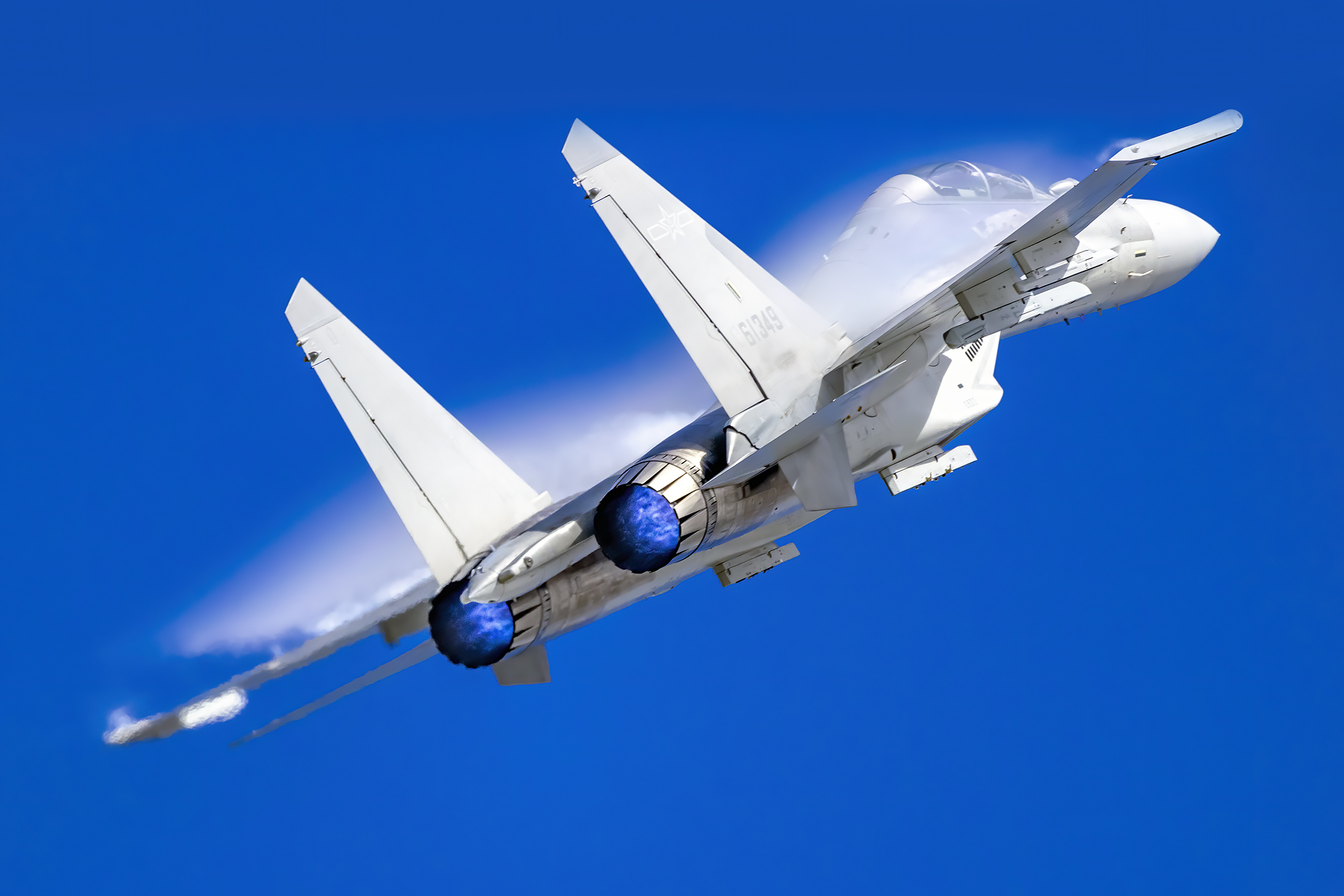
When flown in a relatively clean configuration, the F/A-18E/F becomes a more effective adversary, eliminating the drag issues caused by the canted underwing pylons. Even when fitted with wingtip stores and a centerline fuel tank, it offers good aerodynamic and energy-maneuverability performance, allowing it to more closely emulate agile adversary aircraft during dissimilar air combat training. In particular, its well-known slow-speed handling performance makes it a good surrogate for the Flanker family of threats. Clean Super Hornets also have the ability to ‘run down’ fleeing targets much better than an F-5 — one negative about the small third generation fighter going up against 4th and 5th generation jets.
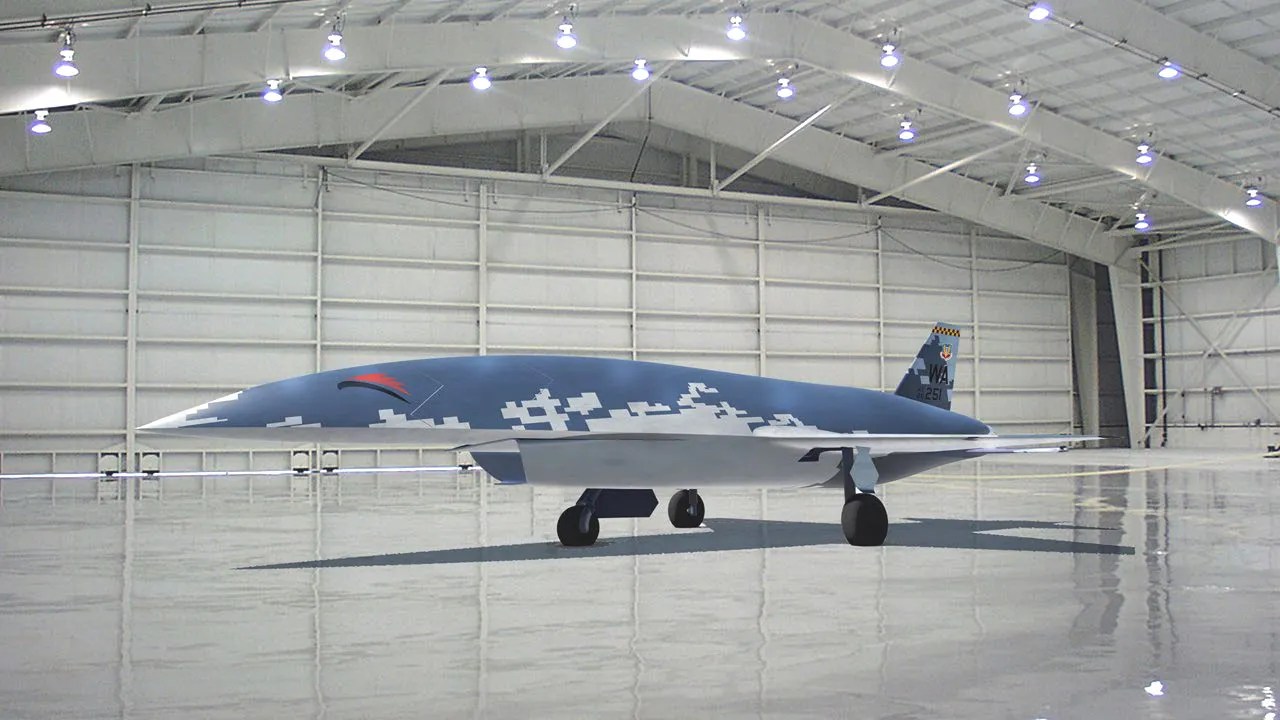
Looking further ahead, as the program matures, it is likely that a Collaborative Combat Aircraft (CCA) or an adversary variant will be used for more basic Navy red air tasks and for generating combat mass alongside the F/A-18E/Fs and F-16s. With that in mind, it is worth noting that Anduril’s CCA offering for the Air Force has its roots in an adversary drone, as you can read about here. Still, the Navy is moving a bit slower than the other services when it comes to CCA, but they could use the adversary role to reduce risk, increase trust, and as a gateway for fielding loyal wingman drones with its carrier air wings.
As of 2022, the Navy’s stated plan was to continue flying F-5s in the adversary role at least until 2035. It is unclear if this schedule might now change, but we have approached the service for more details.
There is also the question of what will happen with the Marine F-5s, flown by a pair of Marine Fighter Training Squadrons (VMFT). These are VMFT-401 “Snipers” at Marine Corps Air Station (MCAS) Yuma, Arizona, and VMFT-402 “Grim Reapers” at MCAS Beaufort, South Carolina. These jets are being upgraded with the Red Net system, providing them with a tactical and situational awareness datalink, achieved via a commercially available tablet-kneeboard display.
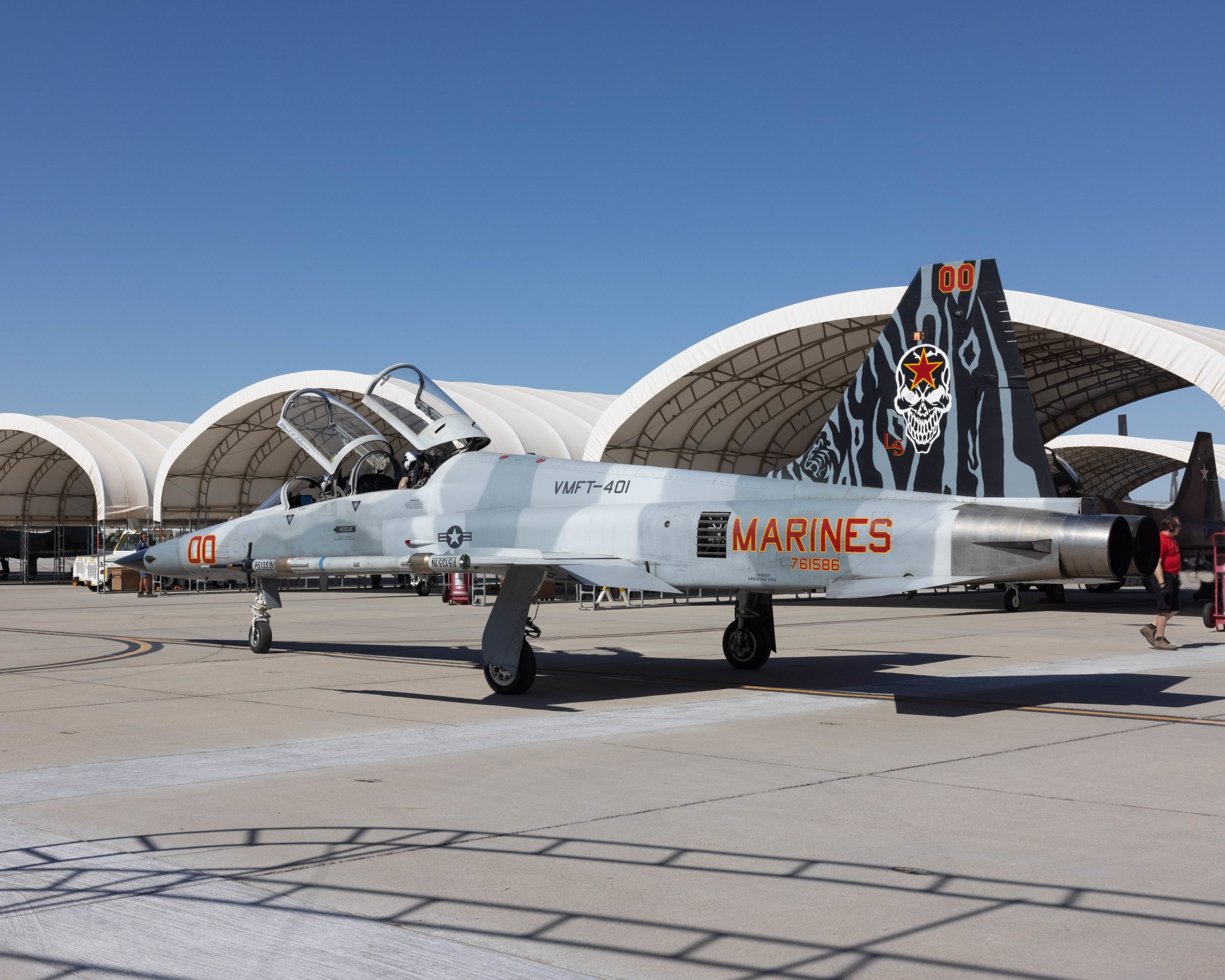
Ultimately, the Marine F-5s are to be replaced under a program named Adversary Next.
After the latest Marine Aviation Plan (AVPLAN) was released in February, the service told TWZ:
“Planning for Adversary Next is underway and will be detailed in future AVPLANs. Adversary Next is anticipated to be a family of systems that will provide world-class adversary replication to USMC and joint units to prepare for the next fight.”
The latest AVPLAN puts F-5 retirement at 2040-plus.
Until then, the Marines will continue to use their upgraded F-5s, valued above all for their low-cost and highly reliable adversary support. Potentially, they could also bolster their fleet with former Navy examples if the service jettisons them far before the USMC does. Otherwise, Navy F-5s could also find their way to contractor red air providers, once the service retires them.
As for the Navy F-5, it appears that officials are now drawing up plans to finally call time on the iconic jet’s career in the service, one that goes far back in Navy’s adversary program and the successful operation of Top Gun.
Contact the author: thomas@thewarzone.com
editor's pick
latest video

news via inbox
Nulla turp dis cursus. Integer liberos euismod pretium faucibua