This post was originally published on this site.
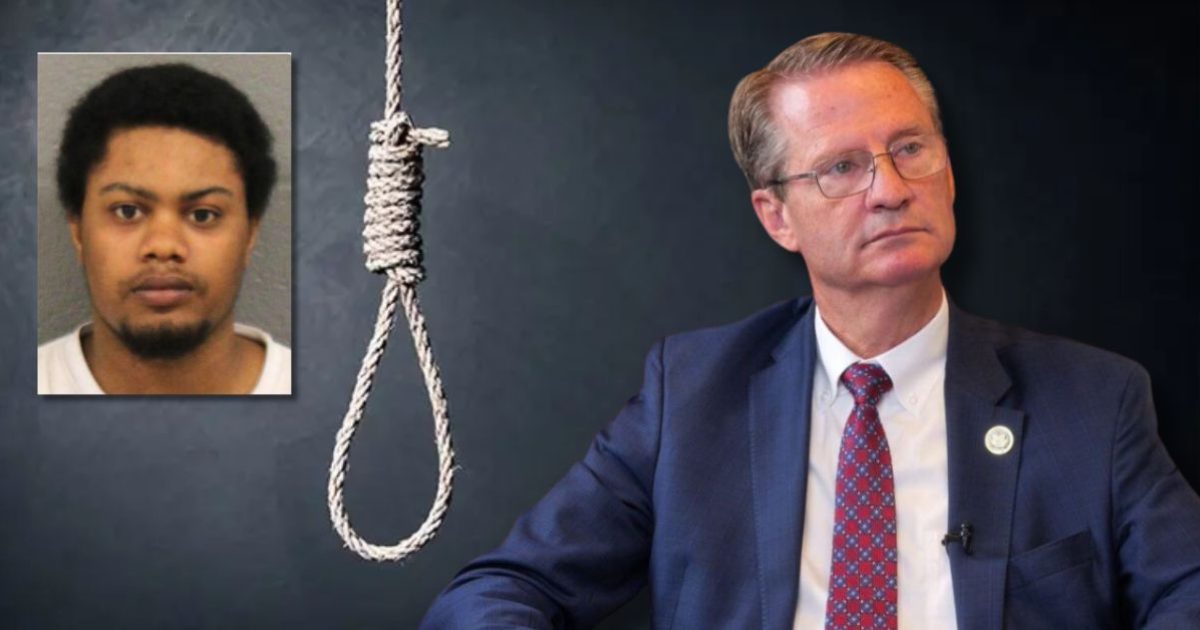
Congressman Tim Burchett Introducing ‘DROP Act’ to Bring Back Hanging Executions for Savage Killers
This post was originally published on this site.
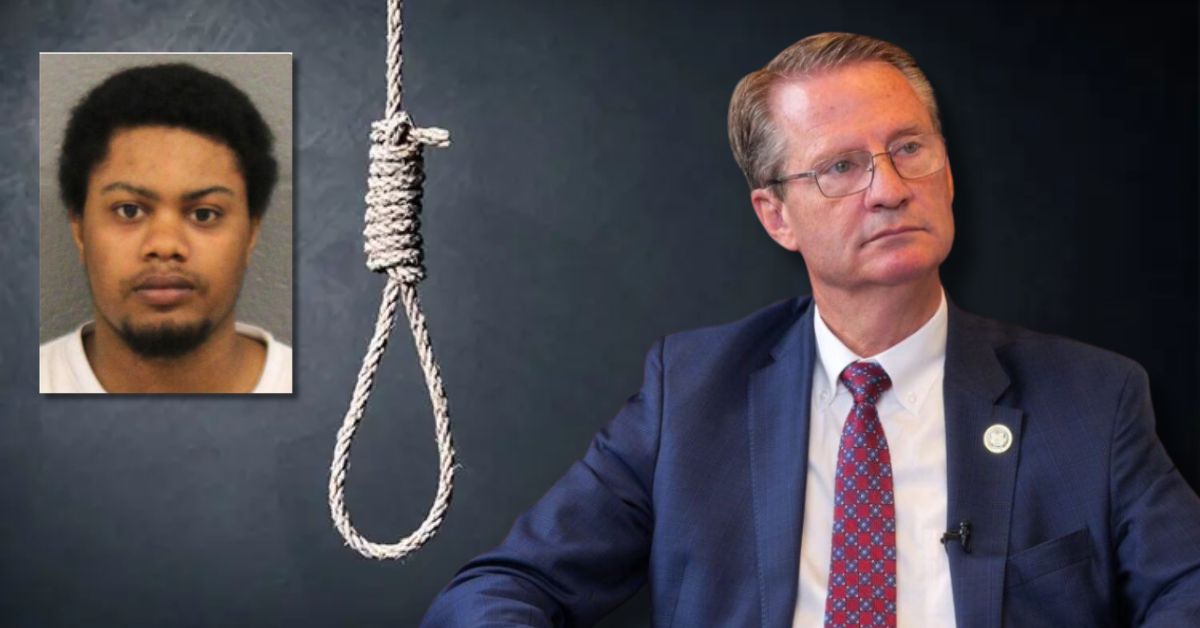
Republican Tennessee Rep. Tim Burchett is calling for the return of hanging as a federal execution method in response to one of the most depraved crimes in recent memory: the months-long torture, rape, and murder of 19-year-old Isabella Stroupe in Charlotte, North Carolina.
In a viral X post on Sunday, Burchett directly quoted a detailed account of Stroupe’s horrific death and asserted, “I have a bill to bring back hanging. Let’s see if all the tough talk by Congress holds up. Support the Drop Act.”
I have a bill to bring back hanging. Let’s see if all the tough talk by Congress holds up. Support the Drop Act. https://t.co/yo9LZGgf36
— Tim Burchett (@timburchett) May 24, 2026
Stroupe, 19, was found dead in an east Charlotte apartment in early May.
According to court affidavits and police reports, she had been bound to a bed with a tow strap, wearing minimal clothing, and subjected to months of torture inside the residence she shared with her boyfriend.
Charlotte-Mecklenburg Police arrested 24-year-old Thomaz Kenon Hamilton on May 5. He faces charges of first-degree murder and first-degree rape.
Hamilton initially called 911, claiming Stroupe was not breathing, but investigators uncovered overwhelming evidence of prolonged abuse, including weapons, blood-stained items, and cell phones at the scene.
WATCH:
Her name was Isabella Stroupe.
She was 19. She loved books. Her family called her Bella.
She was tied to a bed with a tow strap and tortured for months in an east Charlotte NC apartment.
Multiple broken bones.
St*b wounds.
R*ped repeatedly.Her mother said she screamed and… pic.twitter.com/91GSTk1fjn
— Matt Van Swol (@mattvanswol) May 24, 2026
Rep. Burchett’s legislation, the DROP Act, would explicitly authorize hanging as a legal method of execution for federal death penalty cases.
Burchett introduced the bill to force Congress to confront whether it truly supports tough-on-crime policies when faced with the most heinous offenders.
The congressman has emphasized that certain violent predators, especially those who commit prolonged torture, rape, and murder, do not deserve to live out their lives on taxpayer-funded prison sentences.
The first recorded hanging in what would become the United States occurred in 1623, when Daniel Frank was executed in the Jamestown colony for cattle theft.
By 1630, John Billington became one of the first men hanged in New England after he was convicted of murder.
Throughout the colonial era and into the early republic, hanging was the standard, practical, and widely accepted method for crimes ranging from murder and rape to treason.
Public executions drew large crowds as a deterrent, with gallows becoming a familiar fixture in town squares.
Until the 1890s, hanging remained the primary method of execution across nearly every state and at the federal level because it was simple, inexpensive, and required no advanced technology.
By the early 20th century, occasional botched executions, where the condemned suffered slow strangulation rather than a quick broken neck, prompted states to seek alternatives.
The electric chair, gas chamber, and eventually lethal injection gradually replaced hanging in most jurisdictions.
Public hangings ended after the 1936 execution of Rainey Bethea in Owensboro, Kentucky, the last one open to general spectators.
The final state-level hanging took place on January 25, 1996, when Billy Bailey was executed by his own choice in Delaware. The last federal hanging occurred decades earlier, in 1963, when Victor Feguer was put to death in Iowa.
Currently, no state actively uses hanging as a primary method, or even as a routine secondary method.
The DROP Act would restore it as an authorized federal option, returning to a proven, centuries-old American tradition of swift and certain justice for the most heinous crimes.
The Gateway Pundit has reached out to Rep. Burchett for more information about the bill and when it will be formally introduced. We will update this article if a response is provided.
The post Congressman Tim Burchett Introducing ‘DROP Act’ to Bring Back Hanging Executions for Savage Killers appeared first on The Gateway Pundit.
editor's pick
latest video

news via inbox
Nulla turp dis cursus. Integer liberos euismod pretium faucibua