Any Plans For Direct U-28 Draco Special Ops Surveillance Plane Replacement Abandoned
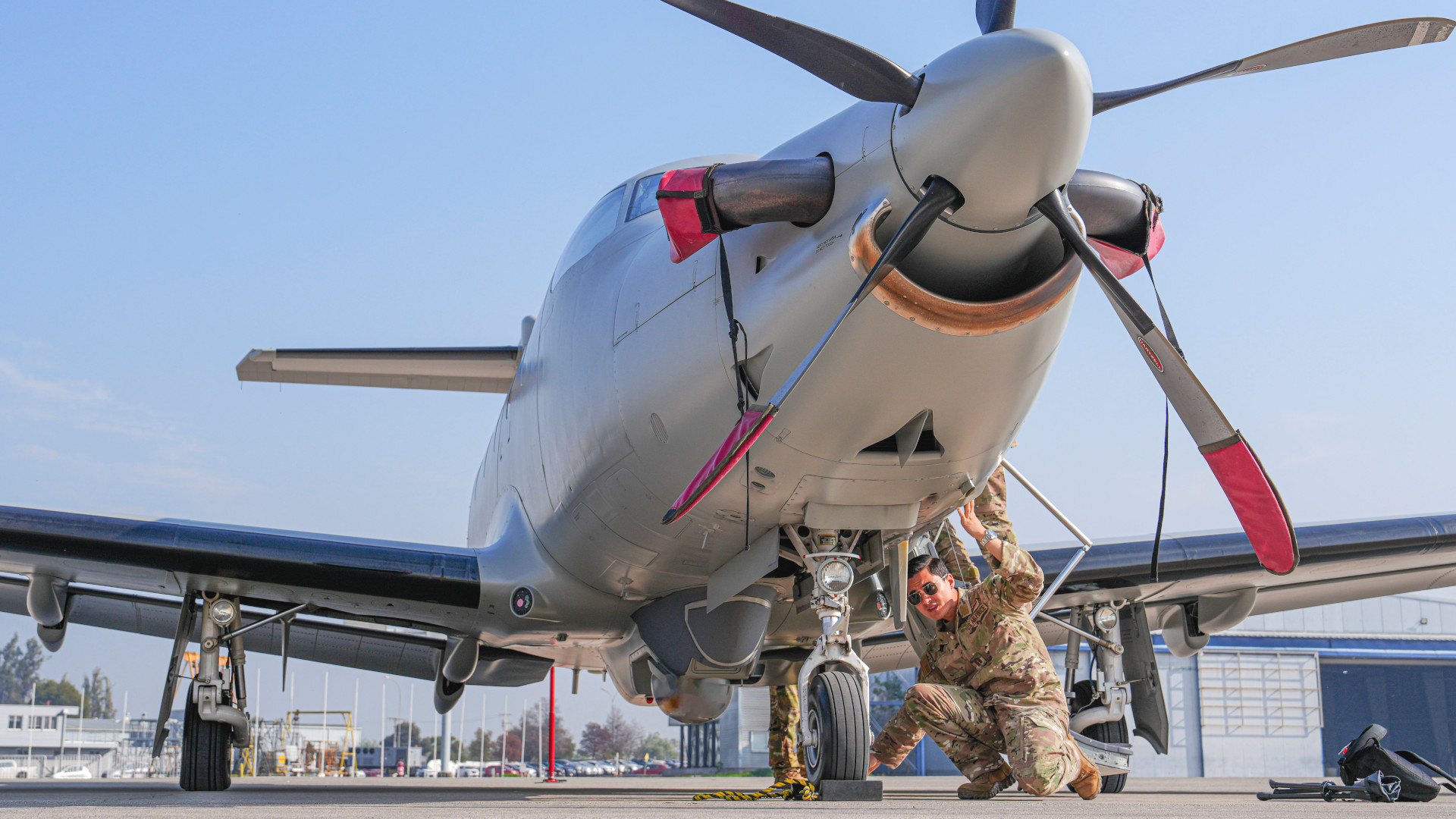
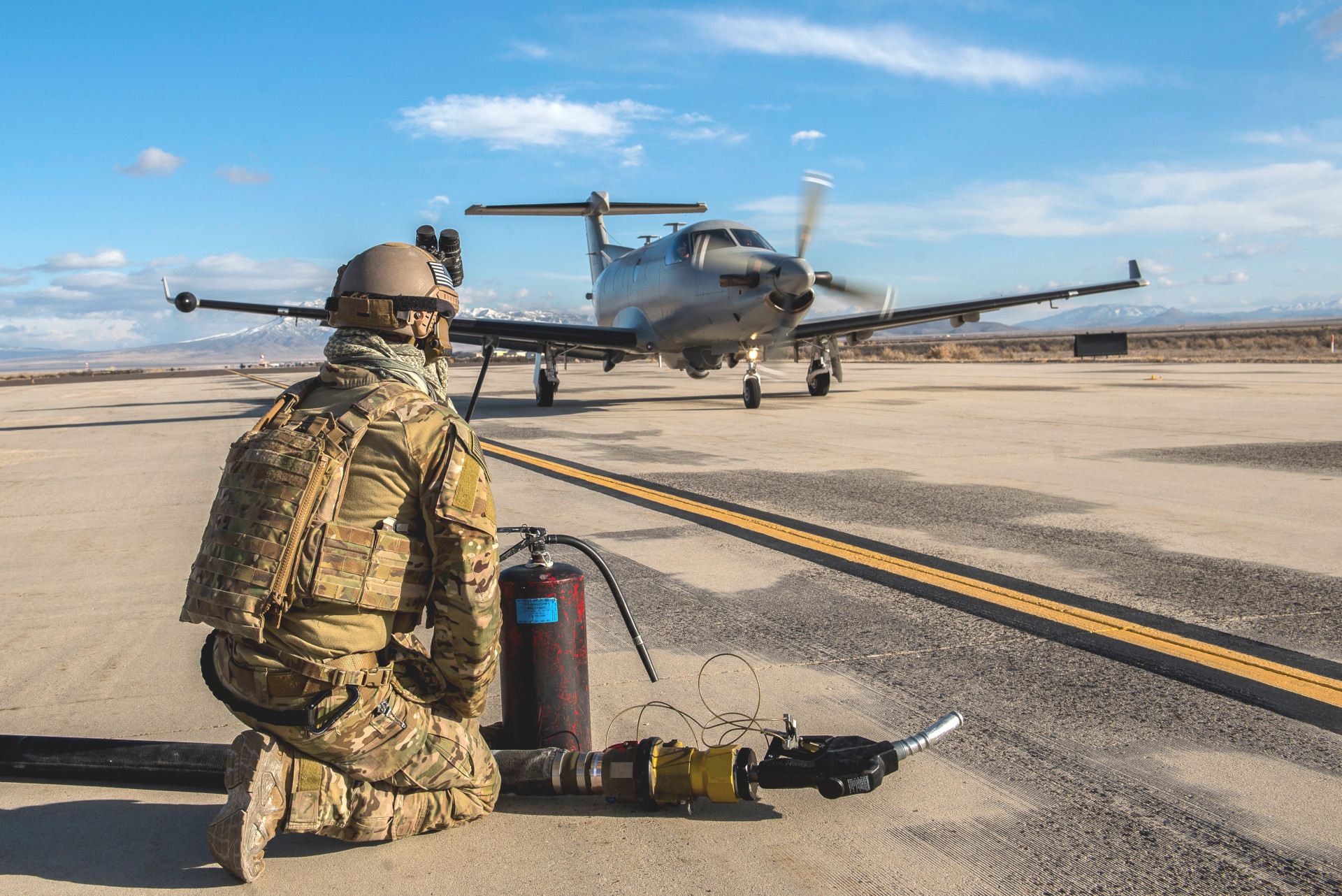
U.S. Special Operations Command (SOCOM) has confirmed that it has no plans for a direct replacement for the U-28A Draco, which is primarily used for intelligence, surveillance, and reconnaissance (ISR). The command had previously said it was exploring requirements that might lead to a successor to the U-28A, as well as its MC-12 surveillance planes. America’s special operations community now increasingly looks to be getting entirely out of the business of flying dedicated crewed ISR aircraft, which were a staple during the Global War on Terror era.
At least publicly, all of the remaining U-28s in service today are assigned to units under Air Force Special Operations Command (AFSOC). The U-28 is a militarized version of the Pilatus PC-12 single-engine turboprop that carries a variety of sensors, including electro-optical and infrared cameras and a signals intelligence (SIGINT) suite. It can also be used, if required, as a light utility aircraft. AFSOC currently has around 30 U-28s in its inventory.
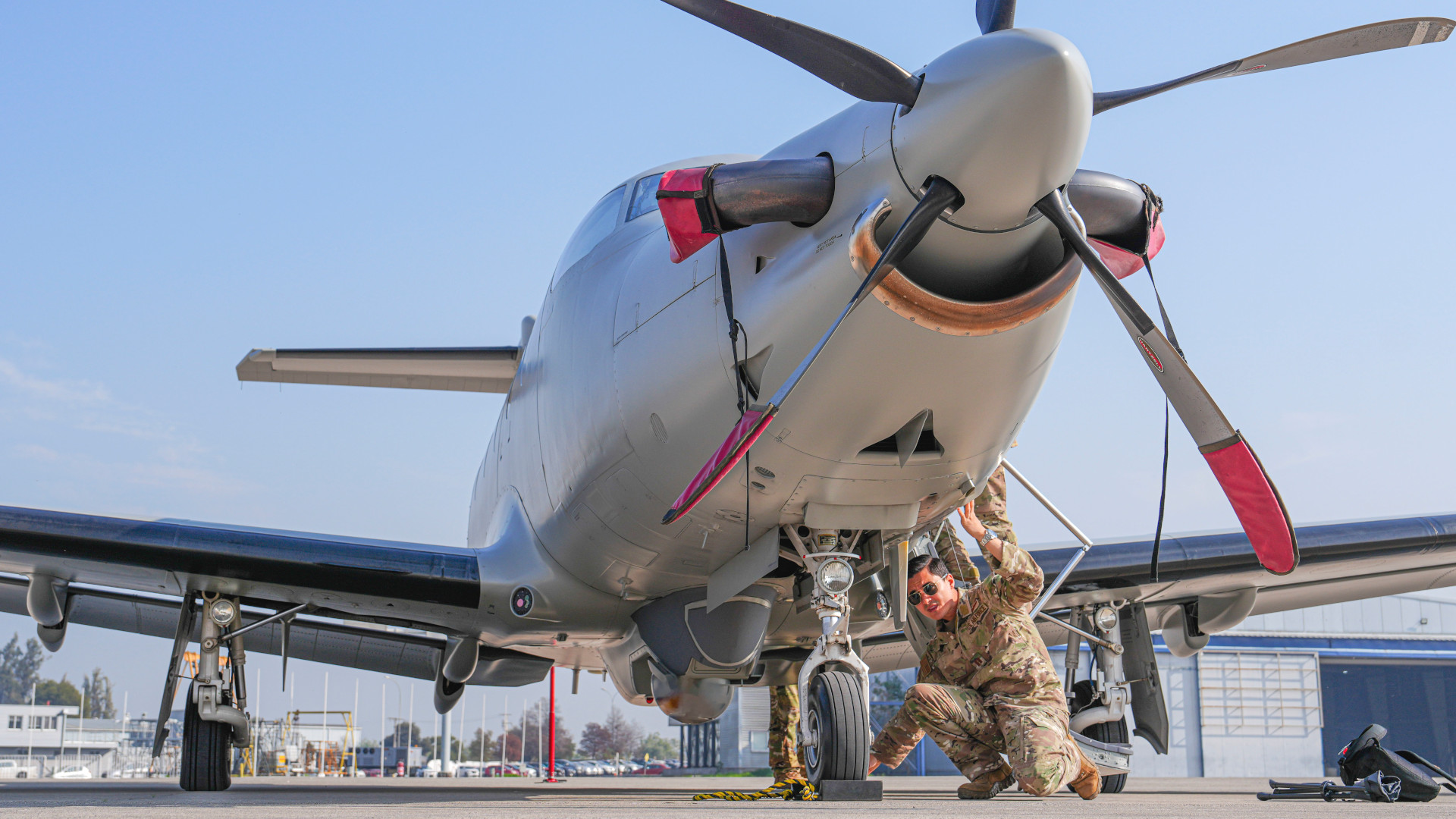
“USSOCOM will retire 8 U-28A intelligence, surveillance, and reconnaissance aircraft in FY [Fiscal Year] 2027 as part of its phased plan to divest all manned ISR platforms by 2029,” according to an annual force structure report the Pentagon released last month. “These retirements align with evolving mission requirements and reflect the scheduled drawdown of aircraft that have reached or exceeded their expected service life.”
Similar language has been included in past iterations of this report since 2024, but it appears to have gone largely unnoticed. Aviation Week was first to report on the contents of the newest version of the document last week. TWZ subsequently reached out to SOCOM for further clarification and more information about this decision.
“SOCOM previously announced a decision to divest the U-28 platform in 2020,” a spokesperson for the command told us today. “There are no plans to replace this ISR platform.”
TWZ has reached back out to confirm whether or not SOCOM currently expects crewed aircraft to be part of the special operations aerial ISR ecosystem at all after the U-28 leaves service at the end of the decade.
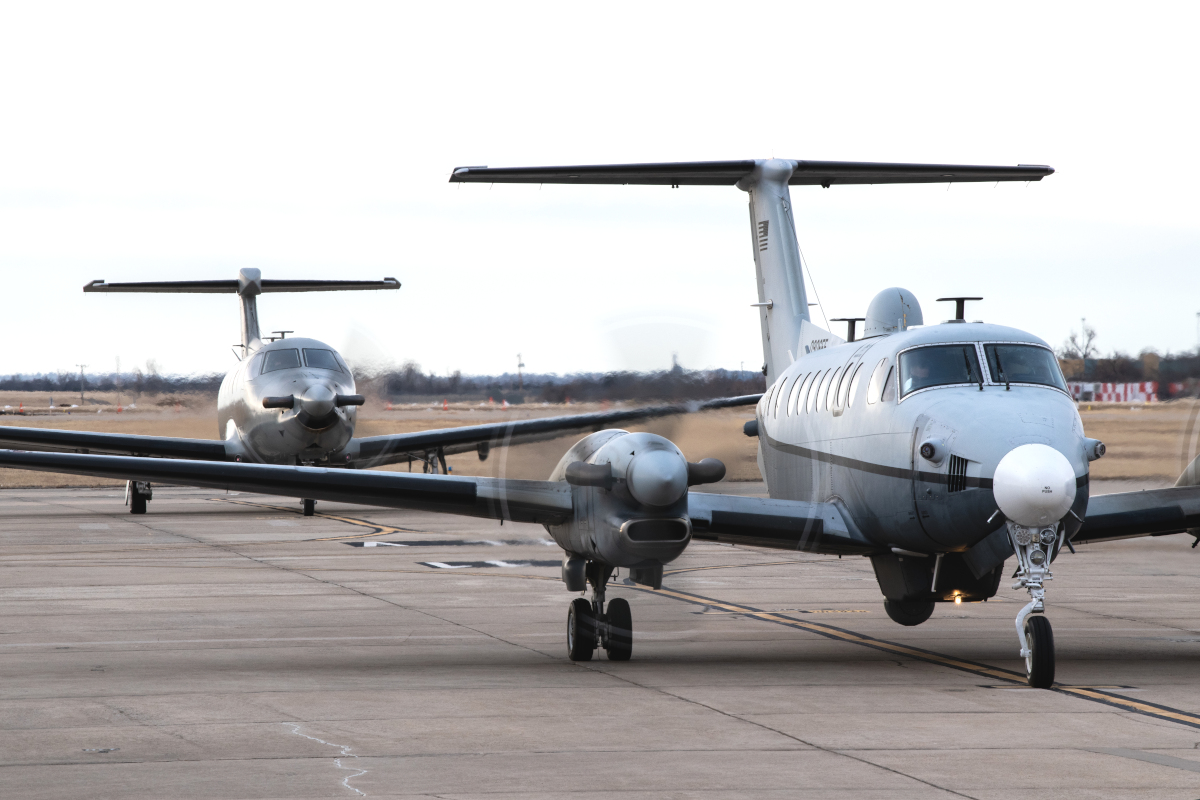
It is true that SOCOM’s plans to retire the U-28s, along with its MC-12 fleet, are well established at this point. The command completed divestment of the last of its MC-12s in 2025. This designation has been used to refer to a variety of ISR-configured variants of the Beechcraft King Air twin-engine turboprop. Special operations versions have also sometimes been referred to by the program name Javaman.
SOCOM has also repeatedly stressed that its new OA-1K Skyraider II light attack planes are not being acquired as a direct replacement for the U-28 or any other crewed ISR aircraft. This has caused some confusion over the years given that resources from the divested ISR fleets are explicitly being used to stand up the OA-1K force. There were also suggestions previously that command was at least looking into formulating requirements for a new dedicated crewed ISR aircraft that could succeed the U-28 and/or the MC-12.
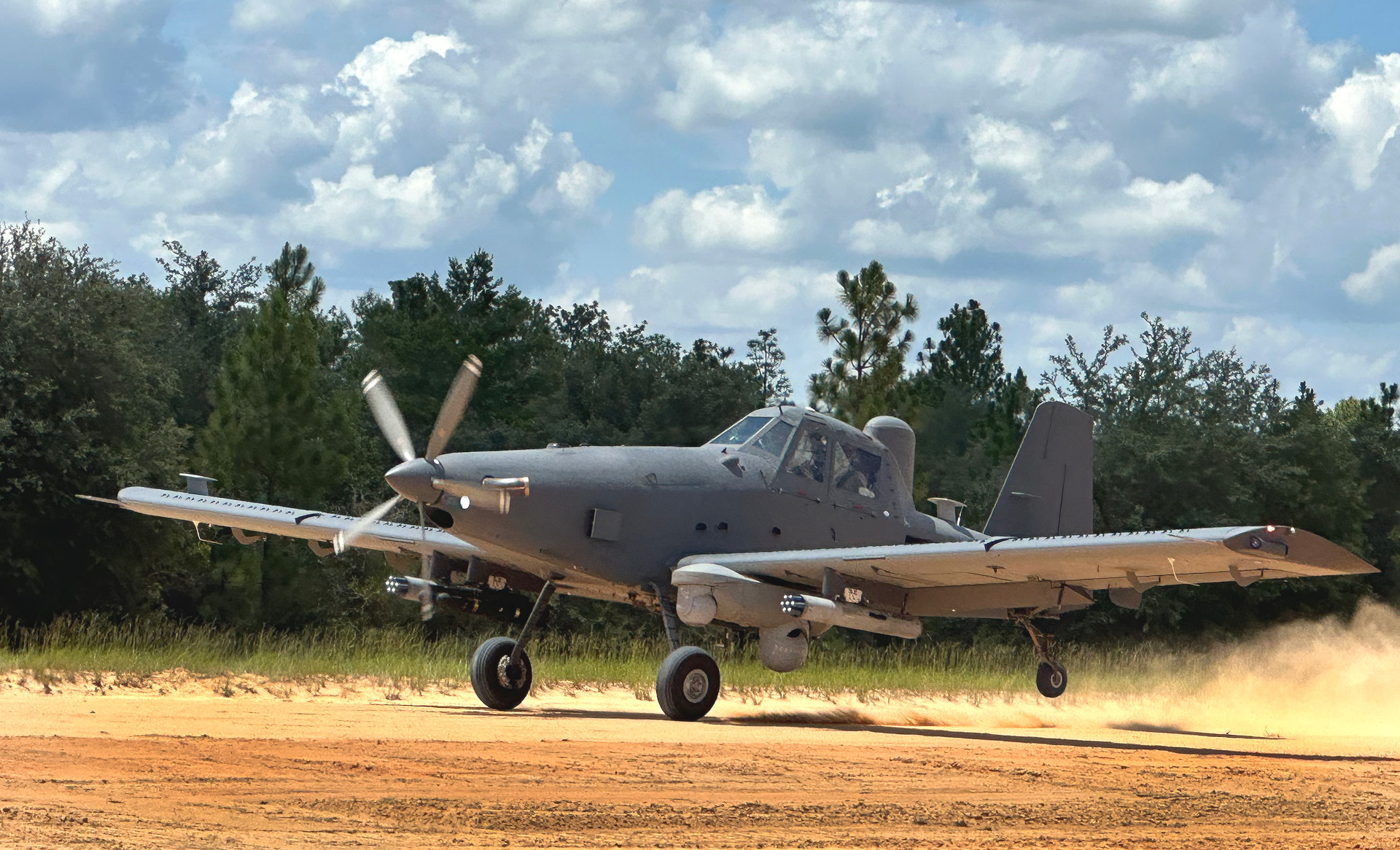
“The command is rapidly modernizing, to include ISR infrastructure,” Col. Justin Bronder, head of SOCOM’s Program Executive Office for Fixed Wing (PEO-FW), told TWZ and other outlets when asked about what could follow the U-28 and the MC-12 at a roundtable at the annual SOF Week conference in May 2024. “We’re working very closely with our counterparts in G2 [SOCOM’s top intelligence office], AFSOC, JSOC [Joint Special Operations Commad], etc, to help both identify what the real requirements are” and “how to get after new capabilities” as “we divest and move on from some platforms that serve admirably where we were for the counter-VEO [violent extremist organization]/ Crisis Response fight in the Middle East for 20 years.”
“SOCOM has not taken steps to plan for, or add, critical ISR capabilities provided by soon-to-be divested aircraft,” the Government Accountability Office (GAO), a Congressional watchdog, said in a report published in September 2024. “Also, SOCOM has not addressed risks associated with the loss of these capabilities if the new aircraft does not provide them.”
However, GAO’s report did not explicitly say that SOCOM had no intention of filling those gaps, even in part, with a new crewed platform.
“SOCOM told us that their decisions about Armed Overwatch occurred separate from their decisions to divest of existing aircraft,” a GAO spokesperson told TWZ directly at that time when asked for more information. “We are separately conducting a classified assessment of SOCOM’s process for how it decided to divest of ISR aircraft.”
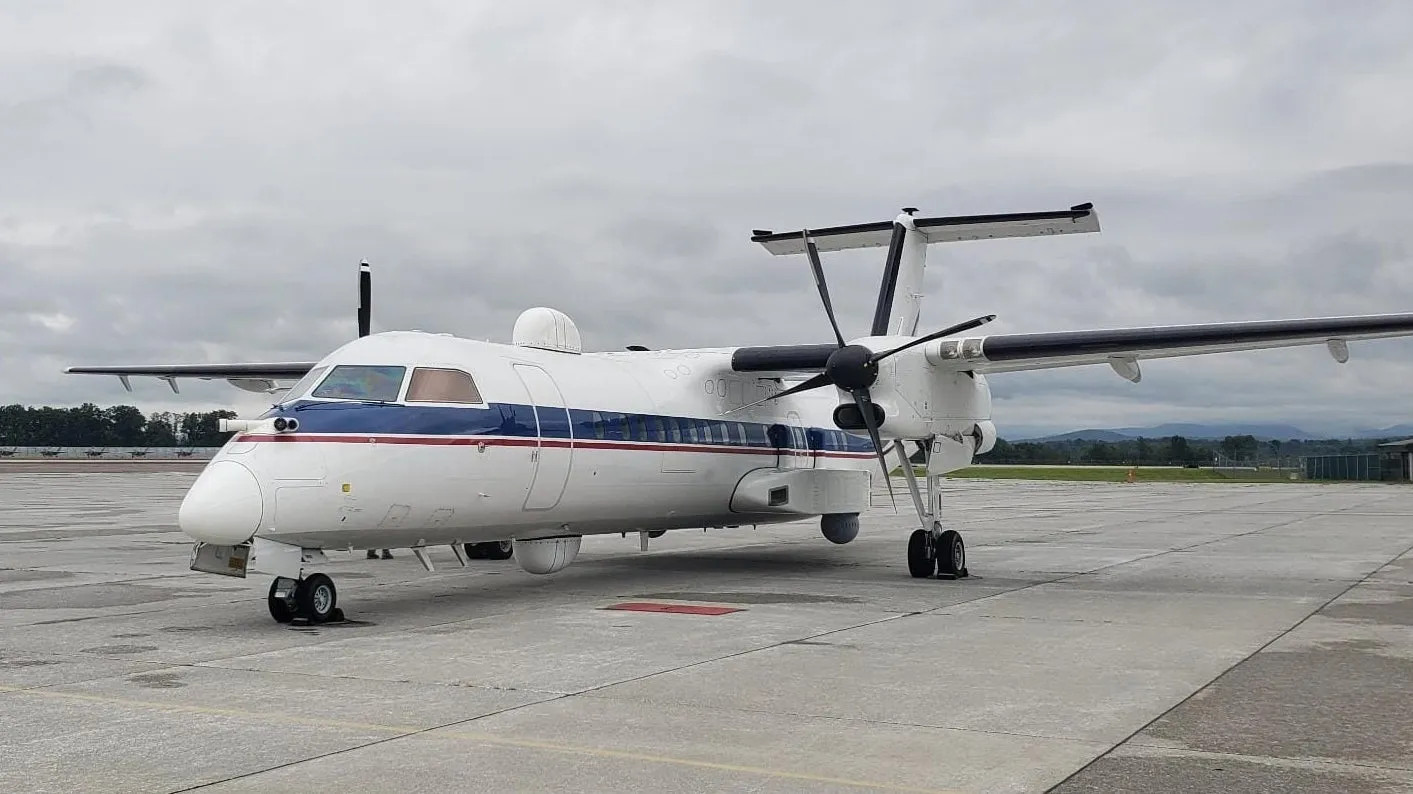
There were some signs at this year’s SOF Week conference that the forthcoming retirement of the U-28 could be more of a final coda for dedicated crewed ISR aircraft within the U.S. special operations community. A representative of PEO-FW told TWZ and others at the gathering that all of the secretive SOCOM Tactical Airborne Multi-Sensor Platform (STAMP) aircraft would be transferred somewhere within the Air Force. Whether or not it will make its way under AFSOC’s umbrella is not clear, though it seems likely. How long those aircraft will remain in service at all is also unclear. The STAMP fleet, which we were first to report on years ago, has included types based on the De Havilland Canada DHC-8, or Dash 8, and the Beechcraft King Air over the years.
“Just a reminder that OA-1K is not a replacement for U-28,” Col. Bronder also said again at this year’s SOF Week conference. “Certainly, it can do some ISR functions, but again, [it] meets a close air support strike requirement.”
How SOCOM expects to fully make up for ISR capacity gaps left by the retirement of its existing crewed ISR aircraft remains to be seen. The U.S. special operations community does already operate a variety of drones capable of performing surveillance and reconnaissance missions, including Air Force MQ-9 Reapers and U.S. Army MQ-1C Gray Eagles. Further uncrewed capabilities will certainly be part of the equation, especially to help mitigate the threats posed by ever-more capable enemy air defense systems in contested environments.
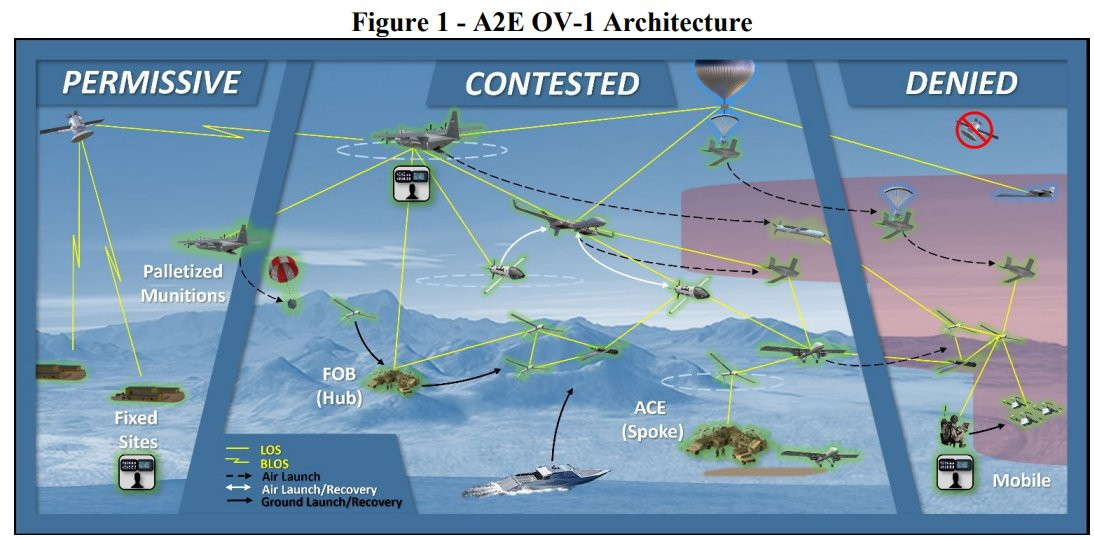
AFOSC has already been heavily investing in what it calls the Adaptive Airborne Enterprise (A2E). This is an overarching concept of operations centered on increasing deployability by reducing personnel and logistics footprints, as well as the collaborative employment of capabilities. The vision for A2E includes heavy use of air-launched drones, loitering munitions, and other systems that are increasingly lumped together under the umbrella of so-called “launched effects.” It also extends to collaboration with friendly crewed and uncrewed assets in the ground and maritime domains.
As an aside, it is also worth noting that the U.S. Army finished divesting dozens of turboprop crewed ISR aircraft in December 2025 as part of a broader modernization push. That service is now in the process of acquiring a far smaller number of ME-11B High Accuracy Detection and Exploitation System (HADES) surveillance and reconnaissance planes based on the Bombardier Global 6500 business jet, which you can read more about here.
For the U.S. special operations community, all of this comes amid something of a watershed moment for crewed fixed aircraft operations, in general. In recent years, there has been reorientation across America’s armed forces toward preparing for future major conflicts, especially one against China in the Pacific, after decades of focus on counter-terrorism missions. This, in turn, has prompted questions about the continued relevance of many platforms, including the new OA-1K, which is very much geared toward low-intensity conflicts.
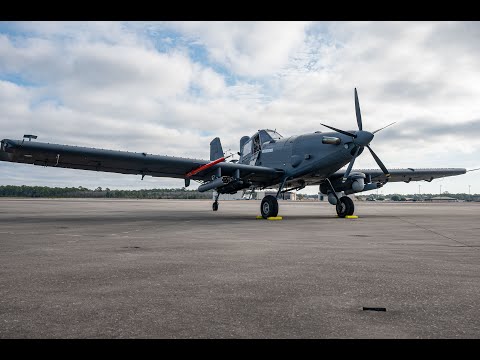
Introducing the AFSOC OA-1K Skyraider II
Outlays in SOCOM’s budget request for the 2027 Fiscal Year only show plans to acquire 53 OA-1Ks. This is down from the plans to procure 62 Skyraider II aircraft that had been previously presented in the command’s proposed budget for the 2026 Fiscal Year.
Earlier this year, SOCOM told Air & Space Forces Magazine that this was a reflection of “the strategic reallocation of resources to support [SOCOM] evolving priorities.” However, the command also insisted that it still expects to eventually acquire 75 OA-1Ks as originally planned.
SOCOM has also stressed that American special operations forces will still be called upon to provide support to counter-terrorism missions and in other low-intensity conflicts for the foreseeable future despite the pivot toward preparedness for high-end fights. The command has said this continues to justify the acquisition of the OA-1K. How the Skyradier II, as well as other fixed-wing crewed special operations aircraft like the AC-130J gunship, might provide support on the edges of a future major conflict is also something SOCOM and AFSOC are actively exploring.
Whatever the future of crewed fixed-wing special operations aviation looks like, a direct replacement for the U-28 is off the table, and crewed ISR aircraft may be increasingly absent from that equation entirely.
Contact the author: joe@twz.com
editor's pick
latest video

news via inbox
Nulla turp dis cursus. Integer liberos euismod pretium faucibua