This post was originally published on this site.

A Framework for Evaluating Arizona’s Attorney General Candidates
This post was originally published on this site.

A Framework for Evaluating Arizona’s Attorney General Candidates
Arizona’s 2026 Attorney General race has drawn significant attention, much of it focused on legal pedigrees, courtroom records, and years in practice. But before voters can fairly evaluate the candidates, there’s a more fundamental question worth asking: what does the Attorney General actually do — and which background genuinely prepares someone to do it?
Part 1 – What is the Role of the Attorney General?
Every election cycle, voters hear candidates compare résumés, courtroom victories, military service, endorsements, and years of experience.
But what if we are asking the wrong question?
Instead of asking:
“Who is the better lawyer?”
Perhaps we should ask:
“What does the Attorney General actually do?”
Arizona law assigns the Attorney General broad responsibilities including representing state agencies, providing legal opinions, directing litigation involving the state, enforcing specific laws, and serving as Arizona’s chief legal officer. (See A.R.S. Title 41, Chapter 1, Article 5.)
Arizona law provides the answer.
And Arizona law RULES!
Most voters assume the Attorney General spends his or her days personally trying cases in courtrooms across Arizona. While courtroom experience can certainly be valuable, that is only a small part of the job.
The Attorney General is not simply Arizona’s highest-ranking attorney.
The office is responsible for directing one of the largest public law organizations in the state. Hundreds of attorneys, investigators, support personnel, and divisions operate under the authority of the Attorney General.
Success in that role requires more than legal knowledge. It requires executive leadership.
An Attorney General must establish priorities, manage budgets, supervise personnel, coordinate litigation strategies, work with elected officials, communicate with the public, and make decisions that affect every Arizona taxpayer.
For that reason, voters should ask a different question:
Which experiences best prepares a candidate to lead a large governmental legal organization?
Is it the experience of managing complex public institutions, building consensus, overseeing budgets, leading committees, negotiating legislation, and directing statewide policy?
Or is it primarily the experience of practicing law within a more limited organizational structure?
The answer may determine whether voters are evaluating candidates based upon legal credentials alone or upon the broader leadership skills the office actually demands.
Part 2 – Which Experience Best Matches the Job?
Once voters understand the role of the Attorney General, a second question naturally follows:
What type of experience best prepares someone to perform that role effectively?
The answer may not be as obvious as many campaign advertisements suggest.
Attorney General is certainly expected to possess legal knowledge and sound judgment. However, the office requires much more than the ability to argue individual cases in court.
The Attorney General serves as the chief legal executive for the State of Arizona. The position requires the management of large organizations, supervision of personnel, oversight of budgets, coordination of complex legal strategies, and leadership across multiple divisions with differing responsibilities.
In practical terms, the Attorney General must make decisions affecting hundreds of attorneys, investigators, and professional staff while representing the interests of millions of Arizona residents.
That raises an important distinction.
There is a difference between practicing law and leading a large legal organization.
Both require valuable skills.
But they are not the same skills.
A successful trial attorney may excel at presenting a case before a judge or jury. A successful executive leader must be able to establish priorities, allocate resources, manage personnel, coordinate multiple operations simultaneously, and ensure accountability throughout an entire organization.
The Attorney General’s office demands both legal understanding and executive leadership.
Therefore, voters should consider not only whether a candidate possesses legal experience, but whether that experience closely resembles the responsibilities of the office itself.
The question is not simply:
“Who has practiced law the longest?”
The more important question is:
“Whose experience best prepares them to lead Arizona’s largest public law office?”
That is the standard voters should use when evaluating every candidate seeking the office of Attorney General.
Part 3 — Experience Matters, But the Right Experience Matters
The debate over qualifications has largely focused on legal experience.
That is understandable. After all, the Attorney General is Arizona’s chief legal officer.
But legal knowledge alone is not enough to perform the job effectively.
The Attorney General does not personally handle every case. Nor does the Attorney General spend every day standing in a courtroom arguing motions before a judge.
The office oversees hundreds of attorneys, investigators, and support personnel. It manages budgets, establishes legal priorities, coordinates litigation strategies, represents state agencies, and makes decisions that affect millions of Arizona residents.
In that sense, the Attorney General functions as both an attorney and a chief executive officer.
That distinction matters.
Leadership at scale is fundamentally different from practicing law within a smaller organizational structure.
Managing a large statewide operation requires experience in administration, personnel management, budgeting, policy development, strategic planning, and public accountability.
For voters, the question is not whether legal experience matters.
It does.
The more important question is whether a candidate’s experience closely resembles the responsibilities of the office they seek.
Experience matters…
But the right experience matters more.
For voters, the question is not whether legal experience matters.
It does.
The more important question is whether a candidate’s experience closely resembles the responsibilities of the office they seek.
Not all experience prepares a person equally for every position.
A skilled trial attorney may possess talents that differ significantly from those required to manage a large statewide legal organization. Likewise, an individual with executive leadership experience may bring strengths that extend far beyond the courtroom.
The challenge for voters is to determine which experiences most closely align with the actual responsibilities of the Attorney General’s office.
Experience matters…But the right experience matters more!
Part 4 – Applying the Standard: Evaluating the Candidates
Having established the responsibilities of the office and the experience required to perform those responsibilities, voters can now evaluate how the candidates’ backgrounds compare to those requirements.
In every election, candidates bring different strengths, experiences, and perspectives to the table. The question is not whether one form of experience has value and another does not. Rather, the question is which experiences most closely align with the duties of the office being sought.
In Arizona’s Attorney General race, much of the public discussion has centered on courtroom experience, years of legal practice, and the number of cases handled during a candidate’s career.
Those considerations are certainly relevant.
However, as discussed earlier, the Attorney General’s responsibilities extend far beyond the courtroom.
The office requires leadership, organizational management, strategic decision-making, budget oversight, personnel supervision, public accountability, and the ability to direct one of the largest legal organizations in the State of Arizona.
Viewed through that lens, voters may wish to examine not only a candidate’s legal credentials, but also whether that candidate has demonstrated the executive leadership skills necessary to manage a complex statewide operation.
For example, serving in legislative leadership positions often requires managing large organizations, overseeing budgets, directing staff, building consensus among competing interests, negotiating policy, coordinating legal strategy, and making decisions with statewide consequences.
These responsibilities involve many of the same leadership and management skills required of a chief executive.
Likewise, legal experience obtained through private practice, military service, public service, or prosecutorial work can provide valuable insight into the operation of the justice system and the application of the law.
The challenge for voters is not determining whether one type of experience has value.
The challenge is determining which combination of experience most closely resembles the actual responsibilities of the Attorney General.
That is the standard by which every candidate should be measured.
Leadership at Scale …
One of the most overlooked aspects of the Attorney General’s office is the sheer size and complexity of the organization itself.
The Attorney General does not operate as a solo practitioner. Nor does the office function like a small private law firm where a handful of attorneys handle a limited number of cases.
The Attorney General oversees one of Arizona’s largest legal organizations, consisting of hundreds of attorneys, investigators, professional staff, and specialized divisions responsible for matters ranging from consumer protection and criminal appeals to civil litigation and agency representation.
That reality introduces a concept rarely discussed during political campaigns:
Leadership at Scale
Leadership at scale requires a unique combination of skills. It demands the ability to manage large organizations, establish priorities, oversee budgets, direct personnel, coordinate strategy, build consensus among competing interests, and make decisions whose consequences extend far beyond a single case or client.
The skills required to lead a statewide legal organization are not necessarily the same skills required to successfully litigate an individual case.
Both are important.
But they are different.
The question for voters is whether a candidate has previously exercised responsibilities that resemble those of a chief executive managing a large and complex public organization.
In evaluating candidates for Attorney General, voters may wish to examine not only legal credentials but also experience in leadership, administration, policy development, budget oversight, personnel management, and strategic decision-making.
Those responsibilities are at the heart of what the Attorney General does every day.
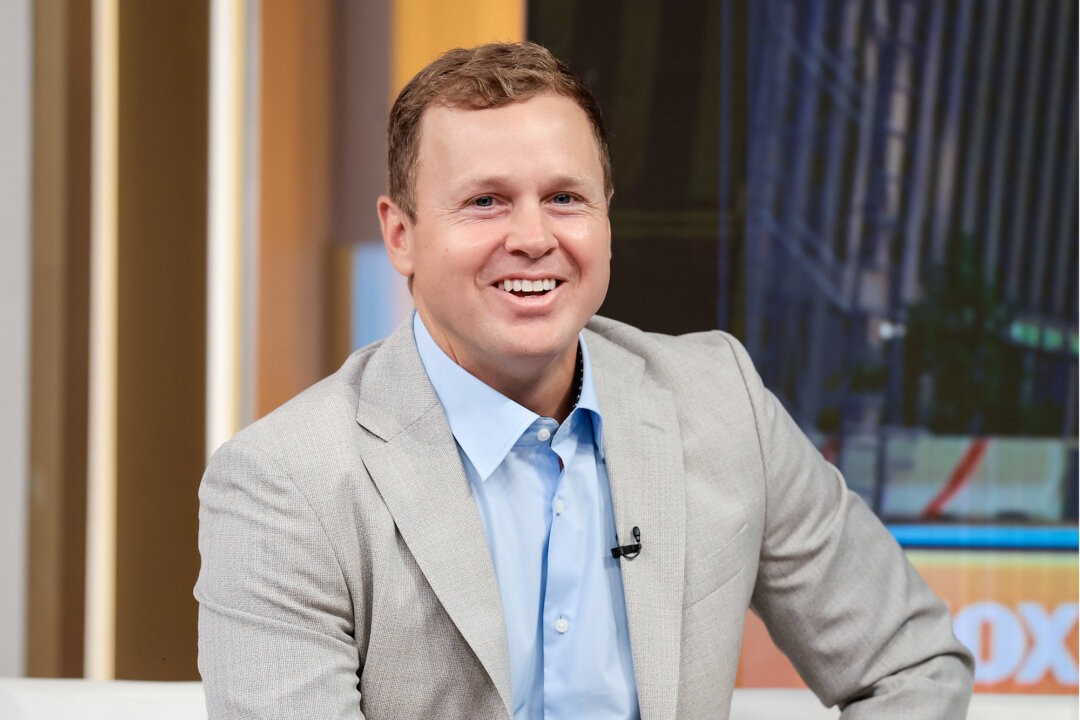
Warren Petersen’s Executive Leadership Experience
Having established the responsibilities of the Attorney General’s office and the importance of leadership at scale, voters can now evaluate how Warren Petersen’s experience aligns with those requirements.
Petersen’s supporters often point to his legal background, legislative service, and courtroom experience. Those qualifications are certainly relevant. However, what may be most significant in evaluating his candidacy is the breadth of executive leadership responsibilities he has assumed throughout his public service career.
As President of the Arizona Senate, Petersen serves in one of the highest leadership positions in state government. The role extends far beyond voting on legislation. It requires managing a large legislative organization, overseeing staff and operations, coordinating committee activity, guiding policy priorities, building consensus among members, negotiating with executive branch officials, and helping shape the direction of state government.
Prior to serving as Senate President, Petersen held several other leadership positions, including House Majority Leader, Chairman of the House Judiciary Committee, Chairman of the Senate Judiciary Committee, Chairman of the Senate Rules Committee, and Chairman of the House Commerce Committee.
Each of these positions required leadership, management, strategic planning, personnel oversight, policy development, and decision-making affecting millions of Arizona residents.
In addition to his legislative leadership roles, Petersen has frequently been involved in legal actions affecting Arizona law and public policy. Those efforts have required coordinating with attorneys, developing legal strategy, evaluating litigation risks, and participating in matters with statewide implications.
Whether one agrees with every position he has taken is ultimately a matter for voters to decide.
The more relevant question for purposes of this analysis is whether the skills required to serve successfully in these leadership positions resemble the skills required to lead:
Arizona’s largest public law office.
Many voters may conclude that they do.
The Attorney General must manage people, establish priorities, oversee budgets, coordinate legal strategy, communicate with stakeholders, and provide executive leadership across a complex statewide organization.
Those are responsibilities that closely mirror many of the duties Petersen has performed throughout his legislative leadership career.
Rodney Glassman’s Professional Experience
Rodney Glassman brings a different background and set of experiences to the Attorney General’s race.
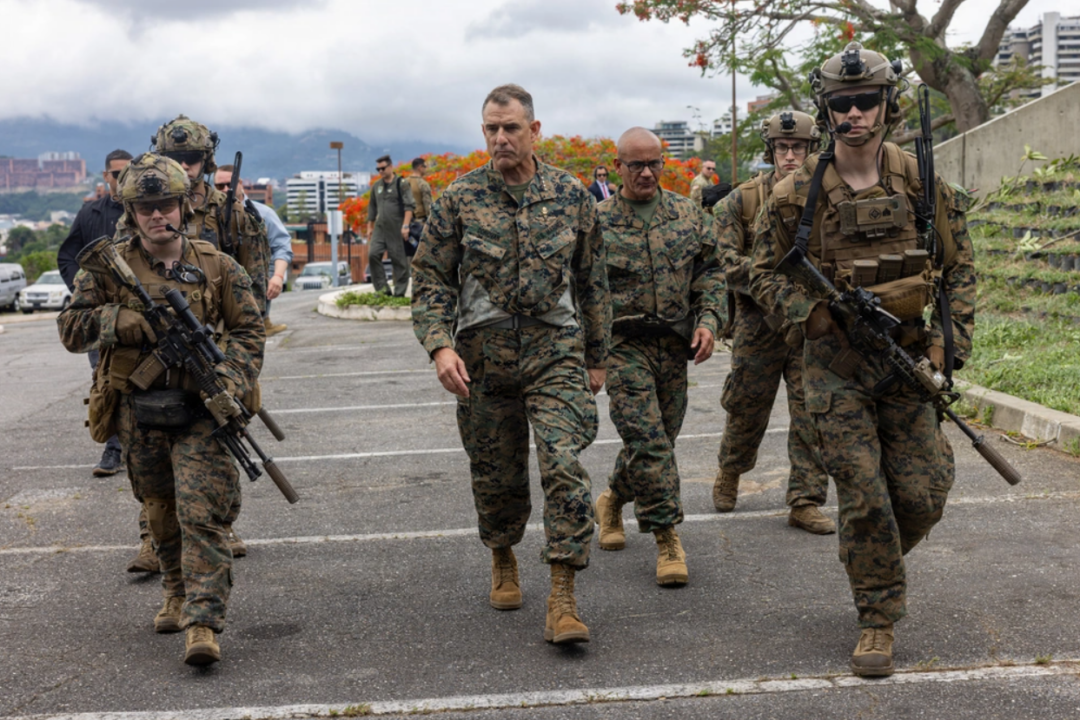
His supporters point to his legal career, military service, and years of professional experience as evidence of his qualifications for the office.
Military service, particularly in positions involving legal and leadership responsibilities, can provide valuable experience in discipline, decision-making, organizational structure, and public service. Likewise, legal practice can provide important insight into the application of the law, courtroom procedures, client representation, and case management.
These experiences should not be discounted.
However, the standard established throughout this analysis is not simply whether a candidate possesses legal experience. The question is whether that experience closely resembles the responsibilities of Arizona’s Attorney General.
As discussed previously, the Attorney General serves as the chief executive of one of Arizona’s largest legal organizations. The position requires managing hundreds of attorneys, investigators, and professional staff while directing legal strategy, overseeing budgets, coordinating statewide operations, and establishing organizational priorities.
Voters must therefore determine which experiences best prepare a candidate for those executive responsibilities.
Glassman’s supporters may argue that his legal and military background provides leadership experience and valuable management skills. Others may conclude that the responsibilities of the Attorney General more closely resemble positions involving large-scale governmental leadership, organizational management, policy oversight, and executive decision-making.
Reasonable voters may differ in their conclusions.
The purpose of this analysis is not to diminish any candidate’s accomplishments or public service. Rather, it is to encourage voters to evaluate candidates based upon the actual duties of the office being sought.
Ultimately, every voter must decide which candidate’s experience most closely aligns with the responsibilities of Arizona’s Attorney General and which candidate is best prepared to lead the office on Day One.
Conclusion
As voters evaluate candidates for Arizona Attorney General, they will undoubtedly hear discussions about years of experience, courtroom victories, legal résumés, endorsements, and campaign rhetoric.
Those discussions are important.
But they may not be the most important questions.
Throughout this analysis, a different question has emerged:
What does the Attorney General actually do?
Arizona law provides the framework. The office serves as the state’s chief legal authority while overseeing one of the largest legal organizations in Arizona government. The responsibilities extend far beyond individual courtroom appearances and require executive leadership, organizational management, strategic decision-making, personnel oversight, and public accountability.
Once voters understand the role, the evaluation becomes clearer.
The question is no longer simply who has practiced law the longest, handled the most cases, or accumulated the most years of professional experience.
The question becomes:
Which candidate’s experience most closely resembles the responsibilities of the office itself?
That is a different standard.
And perhaps it is the standard voters should have been using all along.
Arizona voters will ultimately make that decision for themselves.
Experience matters. But the right experience matters more.
- Linda Brickman
The post A Framework for Evaluating Arizona’s Attorney General Candidates appeared first on The Gateway Pundit.
editor's pick
latest video

news via inbox
Nulla turp dis cursus. Integer liberos euismod pretium faucibua