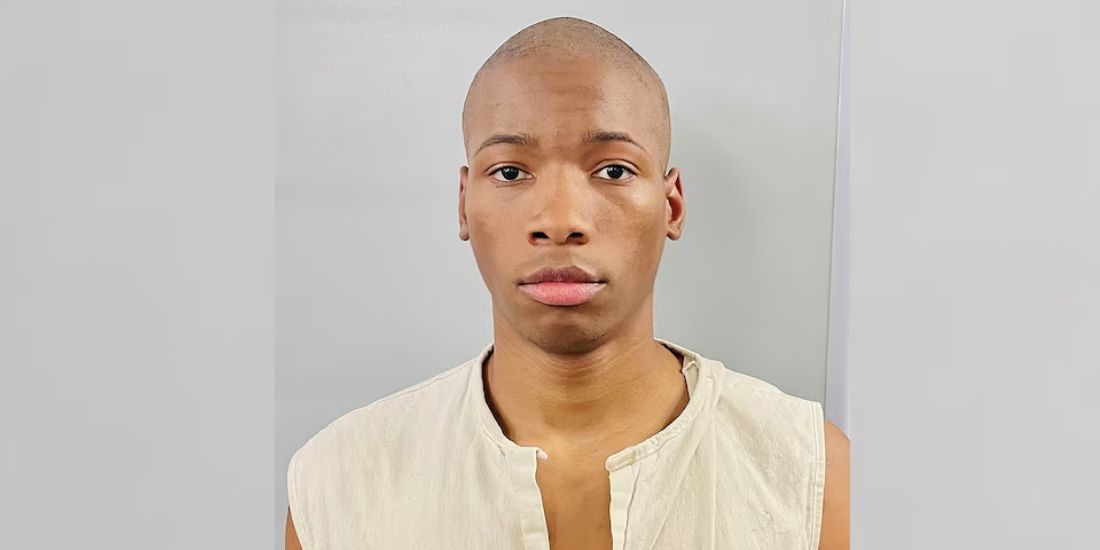
BREAKING: Tyler Robinson’s defense demands judge bar prosecution from seeking death penalty because they gave interview to Fox News
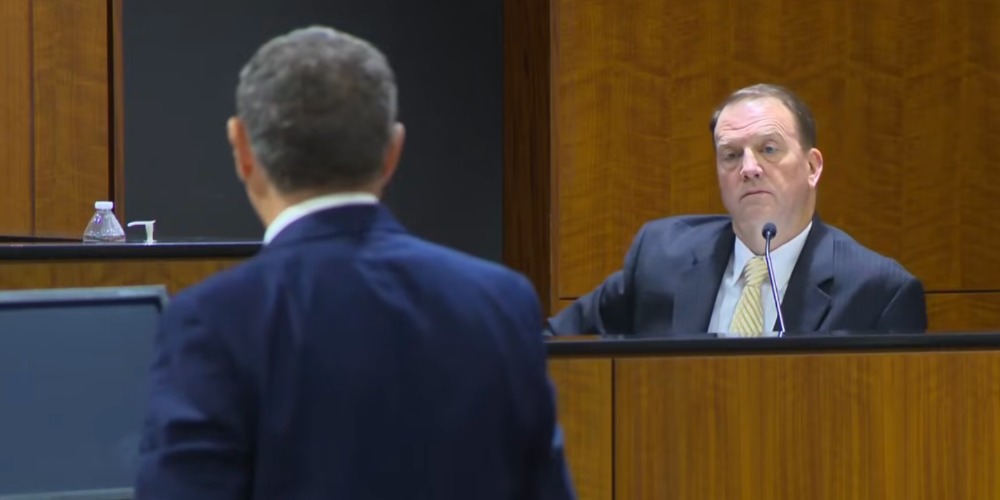
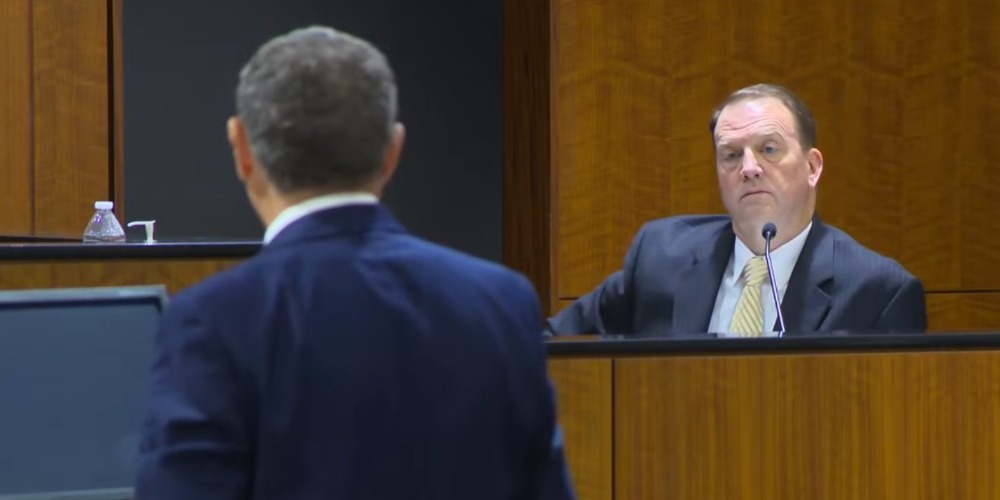
The Utah court overseeing the Tyler Robinson case held an evidentiary hearing on Friday regarding the defense’s claims that state prosecutors should be held in contempt over comments the Utah County Attorney’s Office has given to the press over an ATF ballistics report cited in a defense motion. In closing arguments, the defense said that the judge should block the state from seeking the death penalty in the case.
Defense attorney Richard Novak said during his closing that “I think that the number one remedy in this case, your honor, is for this court to preclude the state from seeking the death penalty against Mr. Robinson.”
“The court said at an earlier time that if the court found there were violations of its order, that it could order somebody to do continuing education, it could impose fines; it could do all kinds of things under the civil remedies,” he said. Novak added, “What we are talking about is the state, without any guidance from this court, going out and trying to influence the public perception of this case, so that when people come into this courtroom and they may be jurors in this case, they have been exposed to the state’s extrajudicial statements about what the evidence will or will not show before the first witness is ever sworn to testify in the trial, before any exhibits are ever received into evidence, and as Mr. Ballard said, the media spin will never change.”
Under cross-examination, attorney Ryan McBride with the Utah County Attorney’s Office asked fellow Utah County attorney Chris Ballard, who had been called to the stand by the defense for his comments to the press, about a story published by the Daily Mail on March 30 titled “Bullet used to kill Charlie Kirk did not match the rifle allegedly used by the suspect Tyler Robinson.”
McBride asked, “Was this the first story that reported, that generated all the media that has brought us about, or brought us to this stage in this case?”
Ballard said that was his understanding, and when asked, said he was aware of other outlets publishing similar stories in the wake of the Daily Mail piece.
McBride noted similar pieces in USA Today, People, CBS News, and asked, “Were these reports that we’ve gone over in the last couple of minutes, these news stories, were they accurately reporting what the evidence was in this case?” Ballard said they were not, and agreed that the reports caused concerns “about whether it would affect your client’s right to a fair trial.”
He agreed when asked that a “no comment” response to requests for comment from news outlets would not cure the prejudicial effect of the media stories” on the prosecution’s case. He was asked if he believes such a response “would actually potentially increase the prejudicial effect of these stories,” replying, “Yes, especially given the kinds of stories that were circulating there, like that our case has a fundamental problem, that this is a bombshell, and for us to say ‘no comment’ or to not give a response would feed the—my concern was that that would feed this idea that the state really does not have sufficient evidence to proceed.”
Ballard testified that he did not believe he was prohibited from making public statements under the court’s pretrial publicity order or the Utah Rule of Professional Conduct, and that “my understanding of the language of the rule is that if there is something that’s contained in a public court filing that I can comment on that extra-judicially.” The ATF report, Ballard noted, had been attached in the defense’s motion that was made public.
He noted that in one of the reports, it stated that “ethical rules prohibit [Ballard] from speaking publicly about testing and results,” and went on to include his comments, “But I can say generally that when you have an inconclusive result, these are the types of circumstances that might produce an inconclusive result.”
Novak attempted to argue that Ballard had been making comments specifically about the ATF report. After playing his statements to Fox & Friends, Novak asked, “Aren’t you talking in that statement about the bullet fragment at issue in this case?”
Ballard replied, “I prefaced that statement with the preface that I put on my other statements was that I’m not going to talk specifically about specific test results, but generally, when there is an inconclusive result, these are the circumstances that could produce an inconclusive result.”
Novak questioned whether “the goal of these interviews was to influence the reporting or was it to change the public—what you were concerned was the public perception of the case.”
Ballard replied, “The goal of these interviews was to respond to the specific media inquiries that were being generated by the misinformation that was circulating about the bullet testing.”
Also called to testify was Utah County Attorney Jeff Gray. Under cross-examination, McBride noted how Kathy Nester, a defense attorney for Robinson, made statements in the Kouri Richins case, for which she was also the lead counsel in that case.
Gray said of the Richins case that he was “aware of their interview that they conducted before trial to correct what they perceived as misinformation.” He recalled Nester saying that “she hoped that the prosecutor would come forward to correct that misinformation, but because they didn’t, they came forward.”
editor's pick
latest video

news via inbox
Nulla turp dis cursus. Integer liberos euismod pretium faucibua