A Disciplined Case For The A-10 The Air Force Won’t Make
The service says the Warthog will fly to 2030. Evidence shows a lack of commitment and the irreversible loss of A-10 combat capability is instead just months away.
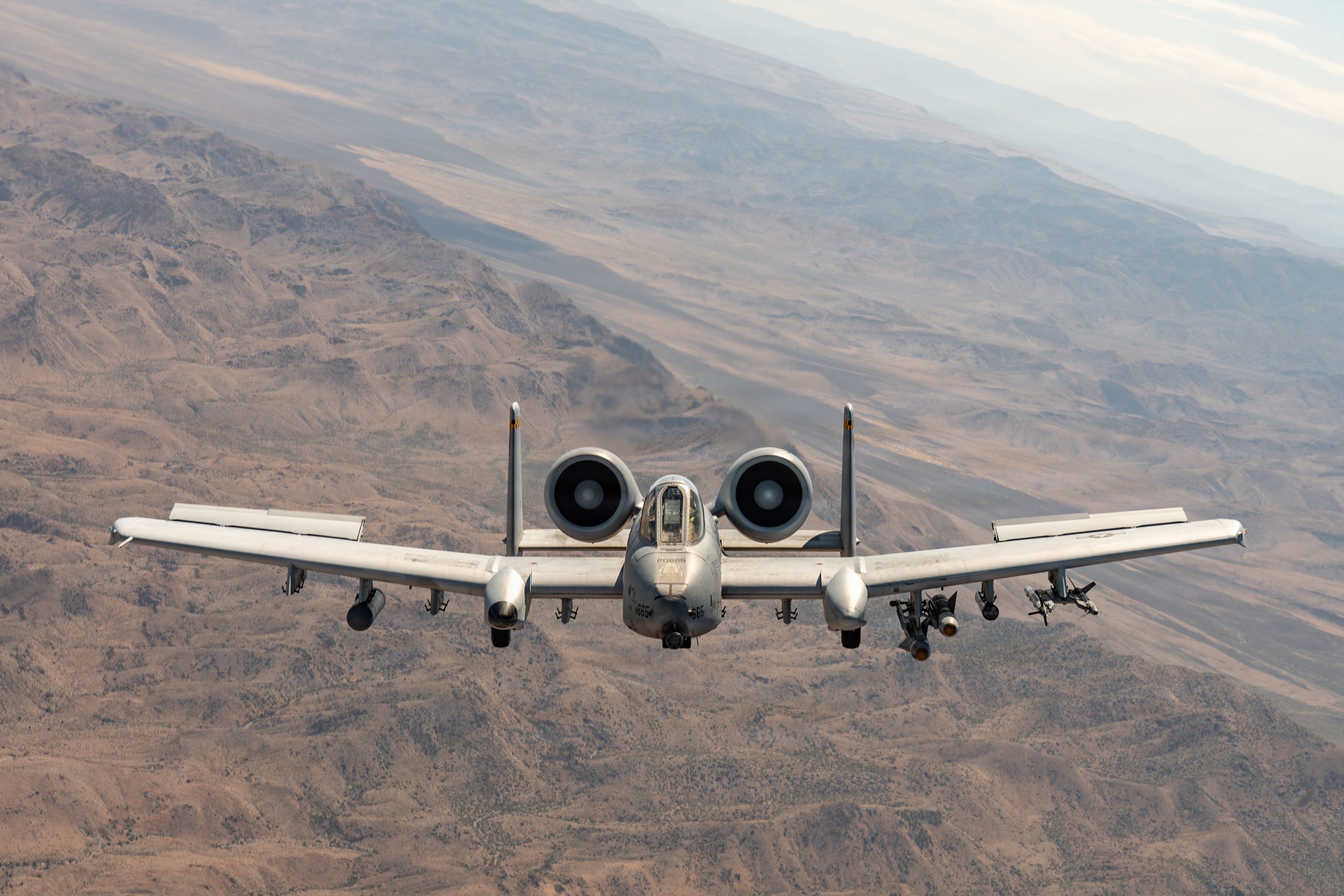
This September, the A-10 “Warthog” Thunderbolt II was scheduled to make its final flight. Instead, the A-10 deployed again, this time supporting combat operations over the Strait of Hormuz, striking Iranian fast-attack craft and maritime threats near one of the world’s most important shipping chokepoints. The A-10 was also the “Sandy” escort that recovered two downed F-15E airmen from inside Iran. Then, later in April, the Air Force reversed course and announced it would keep the jet flying through 2030.
While the Air Force changed the headline, it has yet to follow through with the harder financial commitment needed to preserve actual A-10 combat power. Its fiscal 2027 budget, released shortly after the extension announcement, funds zero dollars of A-10 modernization, cuts depot maintenance below the service’s own stated requirement, and is crippled by “sunset” policy and institution resistance around the aircraft’s “upcoming divestment.”
In other words, by the end of this year, the A-10 will be without depot support, without a training pipeline, without weapons-school instruction, and without operational-test capacity. To a community that was scheduled for final retirement this October, every month waiting for the promised extension makes rebuilding slower, costlier, and closer to infeasible. Without action, the A-10 will transition from a combat asset to a line item waiting for liquidation.
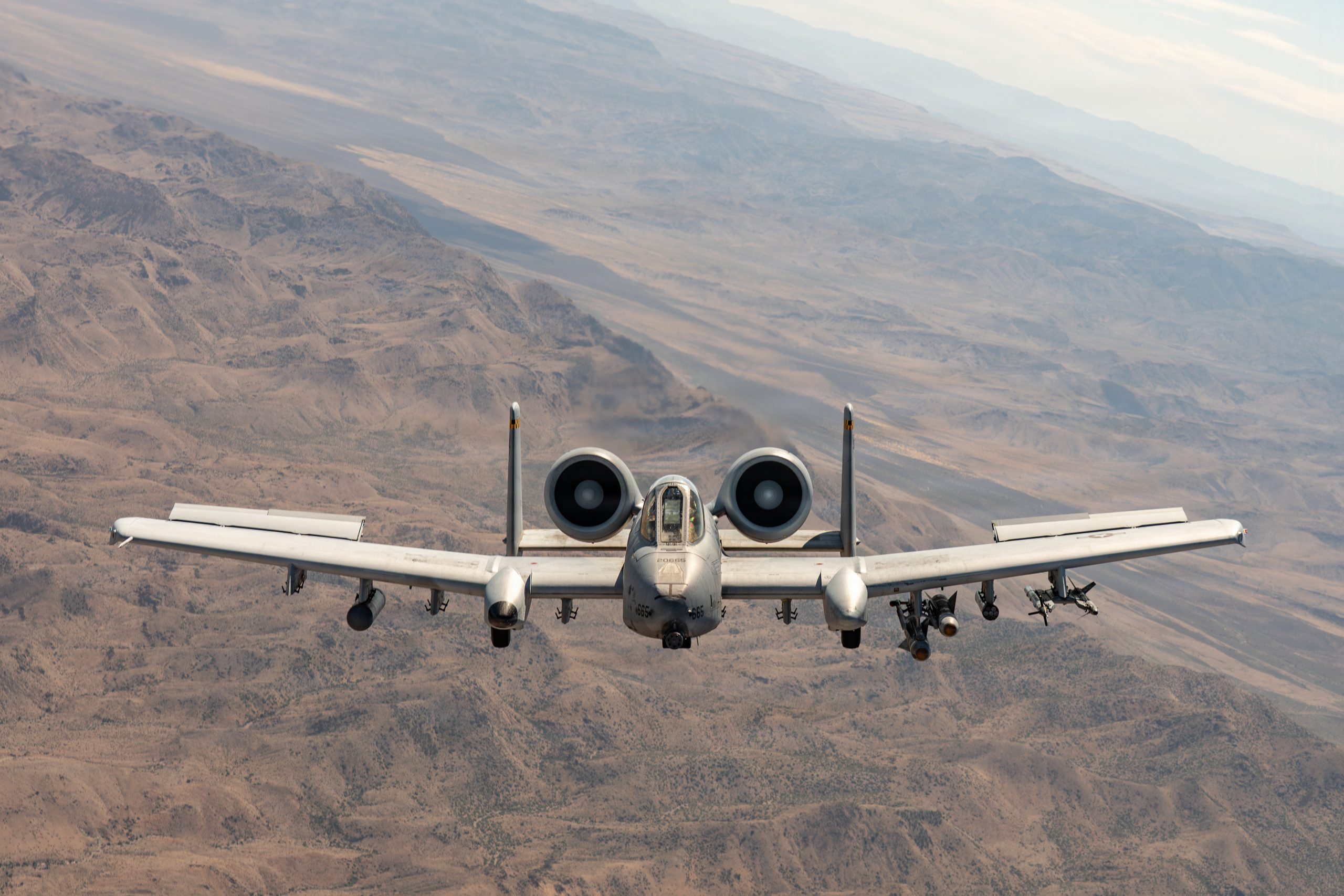
A-10 combat capacity requires a meaningful shift in priorities that brings back resources and overcomes institutional resistance. Saving a limited number of aircraft is wasteful unless it is matched with resources, personnel, and policy that make it clear the A-10 is a valuable combat asset. The justification for preserving the A-10 is measurable in combat utility and financially sound reasoning.
I have no sentimental attachment to the A-10. I flew combat fighters as both an F/A-18 TOPGUN graduate and later as a U.S. Air Force F-22 Mission Commander with more than 2,000 flight hours, including combat deployments to Afghanistan, Iraq, and Syria. Since leaving the cockpit, I have worked closely alongside the A-10 community as it reinvented itself around modern warfare and Indo-Pacific priorities. I care about preserving combat capability and making disciplined present-value force-management decisions grounded in operational reality.
The A-10 was not preserved out of nostalgia. It was preserved because recent operations reminded the Air Force that immediate combat power still matters and the A-10 has proven useful in ways many planners underestimated. Today, it provides unique value unmatched by any of its peer tactical aircraft. It operates from austere locations, supports standoff and maritime strike, and validates emerging lower-cost weapons that reduces pressure on more expensive strike aircraft.
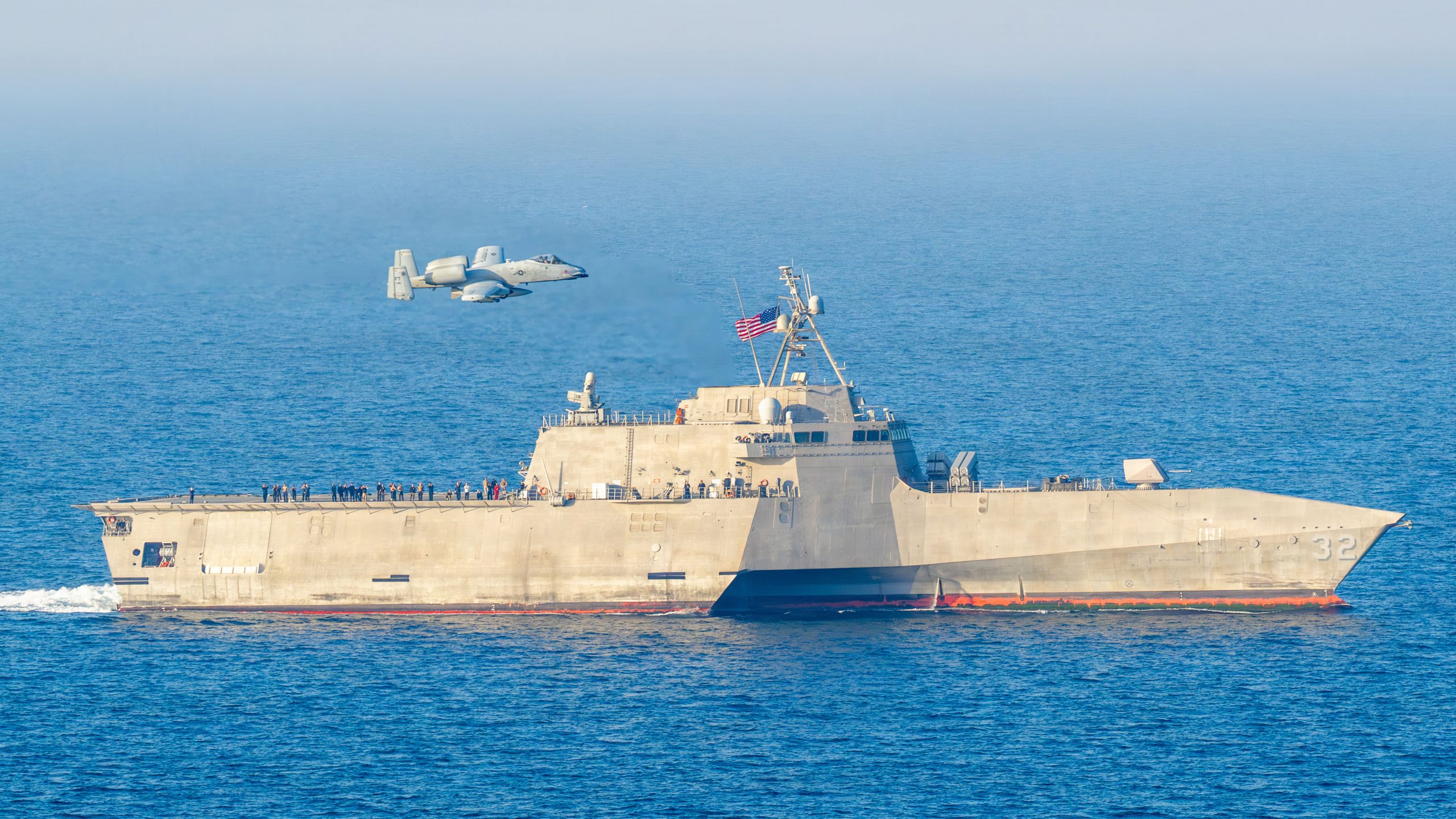
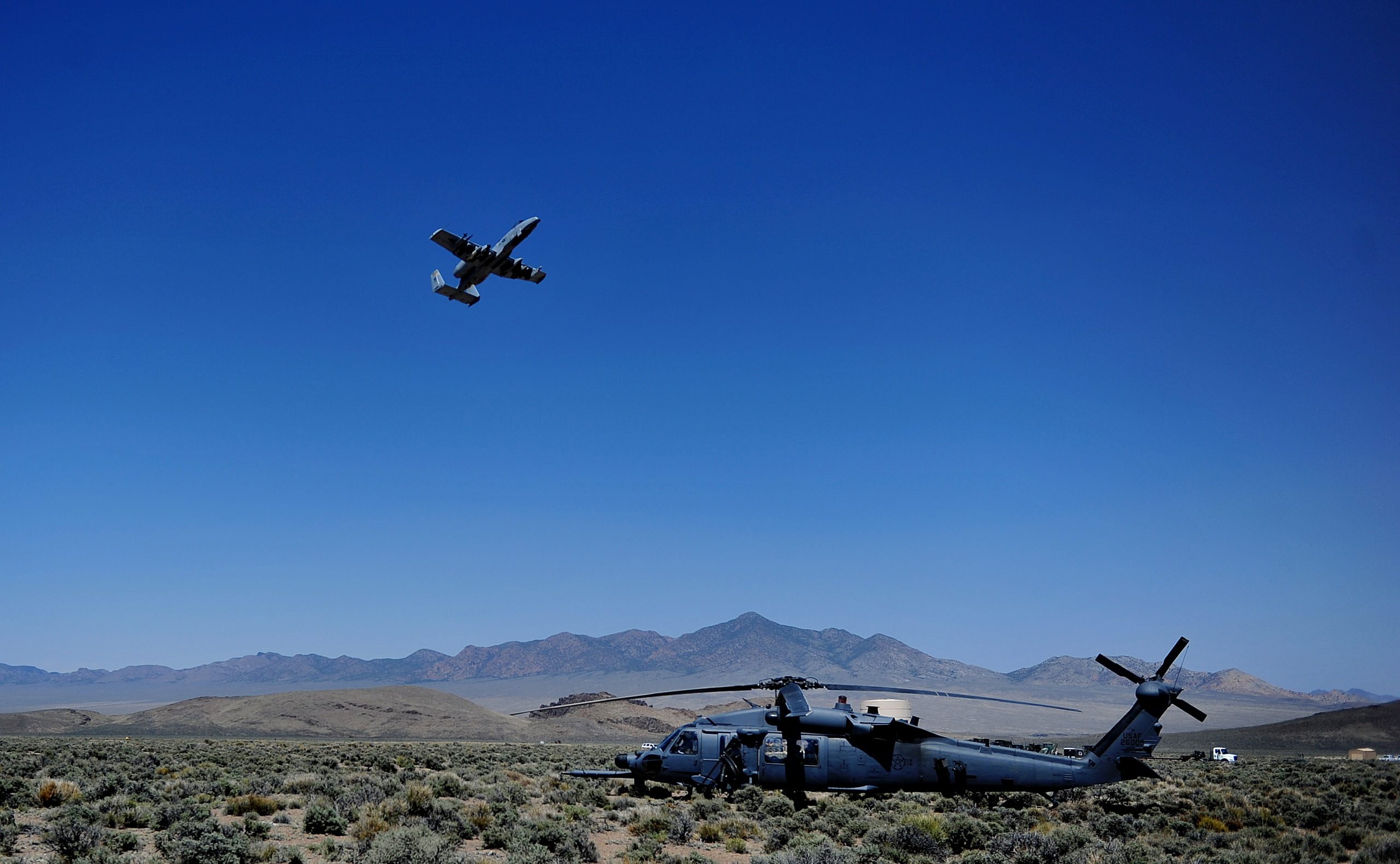
As noted in the opening of this article, the A-10 also fills a critical combat role many have discounted: Sandy missions supporting combat search and rescue. Recent recovery operations over Iran protecting two F-15E airmen demonstrated again that personnel recovery escort, permissive strike, armed reconnaissance, and low-altitude tactical coordination remain critical and complex combat skills. The A-10 community has been supporting these missions for over 50 years. That wealth of knowledge and experience is being displaced. Without a replacement, the Air Force carries a mission requirement it may prove unable to fulfill.
Why Preserving The A-10 Was The Right Decision
For years, the Air Force’s divestment logic rested on several assumptions: that future conflicts would prioritize different force packages, that replacement capability would mature on schedule, and that preserving the A-10 generated less value than retiring it.
Recent events changed that projection. The A-10 has sustained operations in both Europe and the Middle East. Simultaneously, Air Force strategy in the Pacific has benefited from ongoing A-10 support developing distributed combat employment, maritime strike, and advanced weapons integration. The same platform once dismissed as a legacy close-air-support aircraft is now proving adaptable to several emerging operational problems and service priorities.
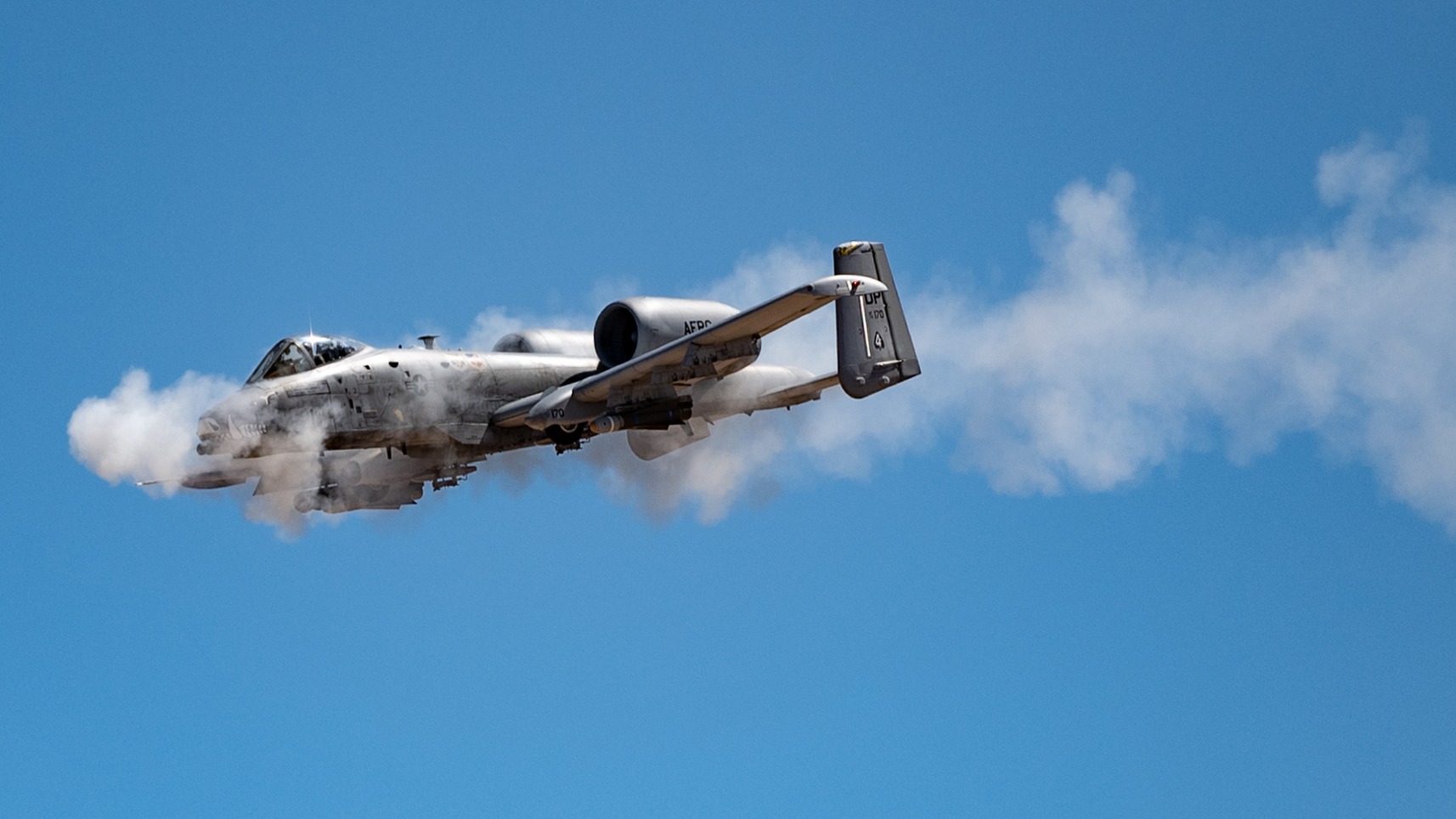
The A-10 is not theoretical surge capacity sitting in storage. It remains active combat power supporting real operational demand today. Combat escort, personnel recovery, permissive strike, armed reconnaissance, and maritime interdiction remain ongoing Air Force missions and long-standing A-10 strengths.
A less known strength of the A-10 is the leverage it provides as a modernization platform. The A-10 community has quietly become one of the Air Force’s most effective rapid integration ecosystems. Because the aircraft relies heavily on government-owned hardware and software architectures, operators and engineers have been able to test and field new capabilities in weeks instead of years. The community has been behind recent breakthrough integrations including AGR-20 APKWS, Small Diameter Bomb, ADM-160 MALD employment, beyond-line-of-sight communications, maritime strike weapons, and network-enabled command and control.
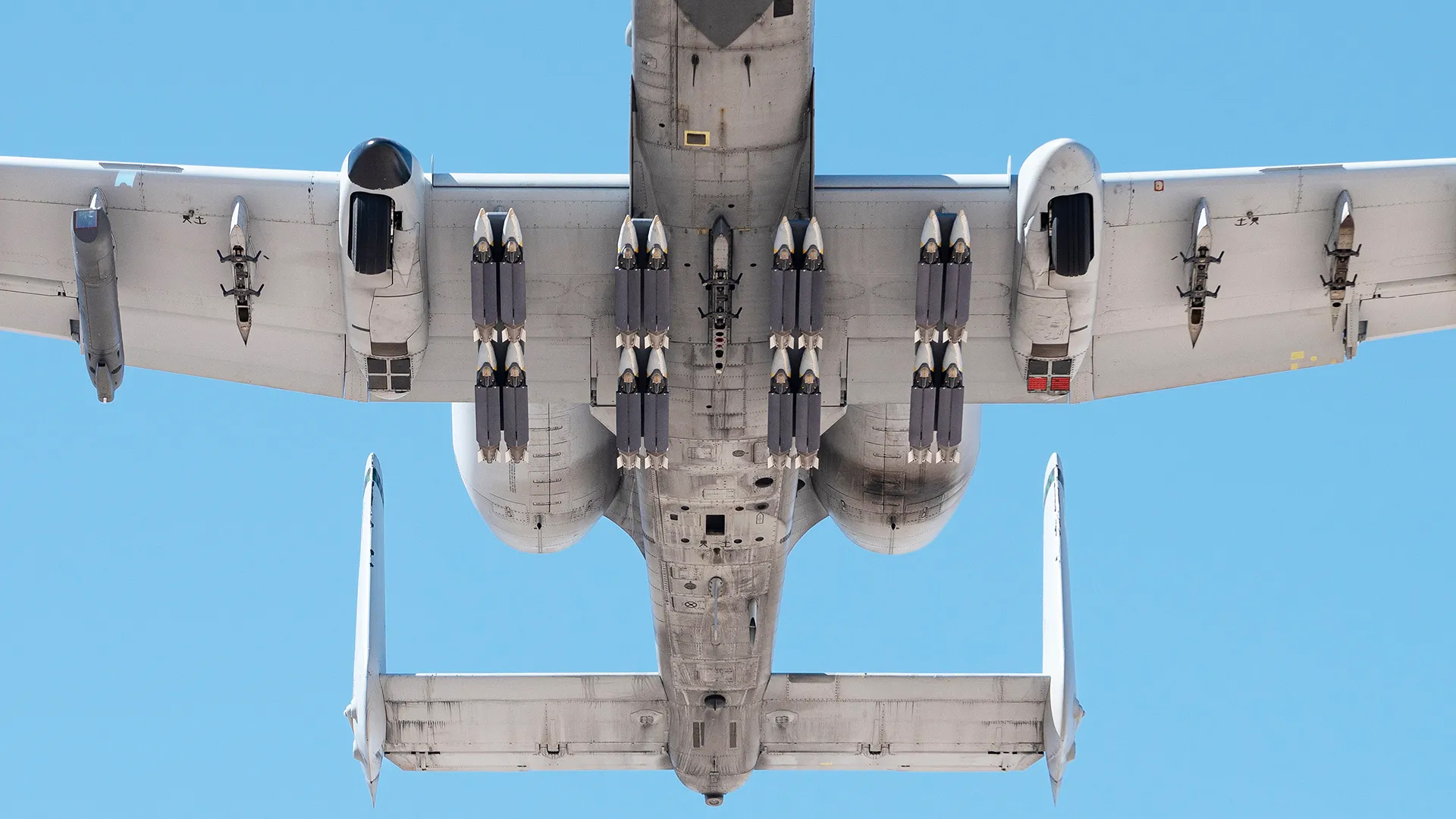
Nobody is arguing the A-10 is the future of Pacific airpower. It doesn’t need to be. The aircraft has become a low-cost operational laboratory for rapid tactical adaptation fully integrated into real combat capacity.
The Air Force is trying to solve exactly these problems across the broader force. It has built doctrine around Agile Combat Employment, dispersed basing, rapid combat regeneration, and operations from degraded infrastructure. The A-10 has honed these skills for more than 30 years, proving proficient in these missions as early as Operation Desert Shield, including highway landings, integrated combat turns, austere maintenance operations, and distributed basing experimentation.
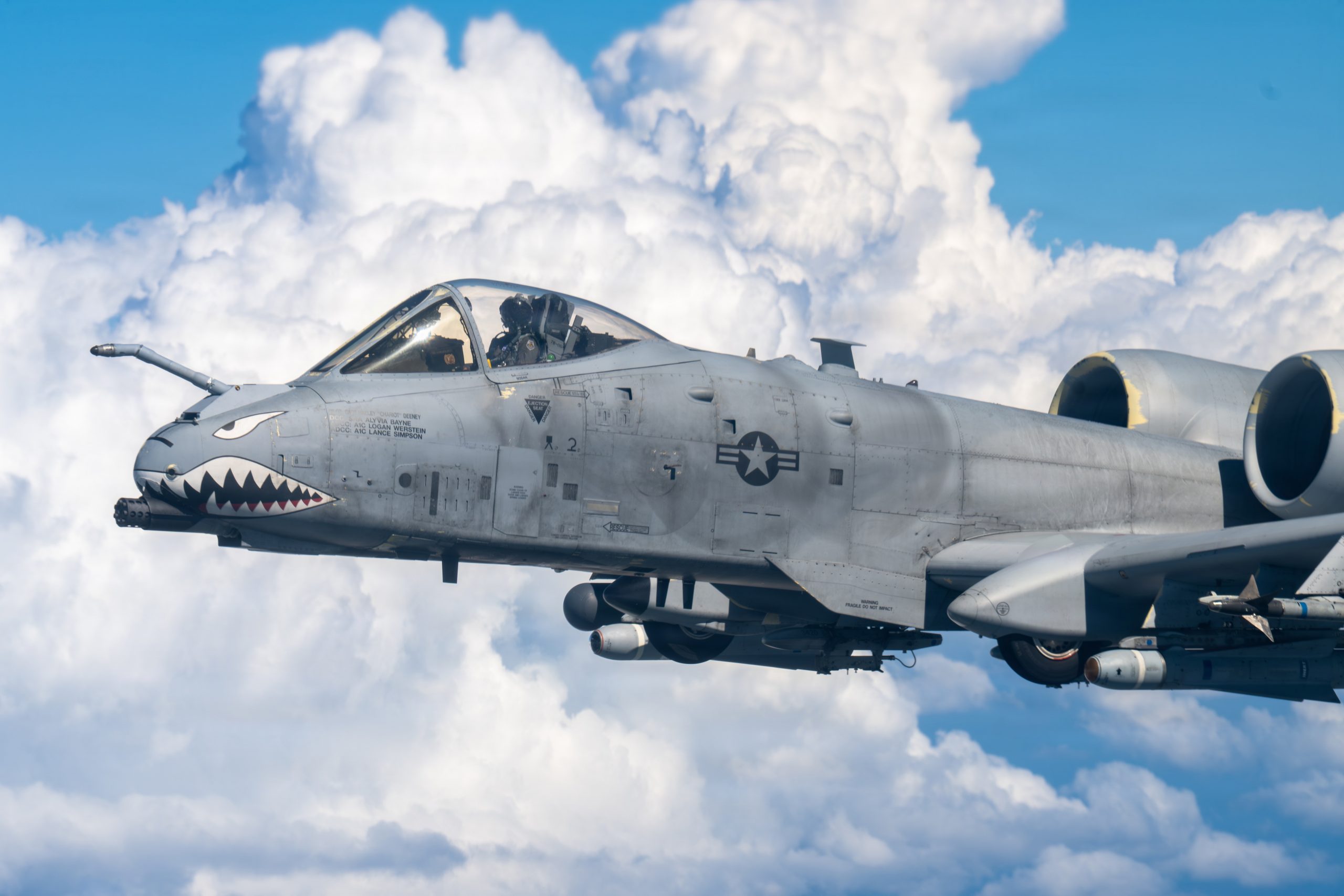
Preserving one of the few communities with real operational experience executing tactics the broader force is still learning is strategically wise. The A-10’s latest life extension was never simply about preserving an airframe. It was about preserving combat capability, operational experience, and one of the Air Force’s few proven rapid-integration ecosystems.
What The Air Force Will Lose
The current plan has the service preserving a limited number of airframes while allowing the combat system behind the A-10 to collapse. A fleet that numbered more than 280 aircraft just a few years ago, and 162 at the start of fiscal 2026, is set to fall to 54 next year and just 36 by 2030. The cuts land hardest where the expertise is hardest to rebuild: the Air National Guard’s A-10 force, 47 aircraft as recently as last year, goes to zero, its flying hours swapped for a new cyber mission. What survives risks becoming a ghost-fleet. Of the “three squadrons to 2030” the Chief of Staff has promised, the active-duty force shrinks to a single squadron of 17 jets with no spares behind it.
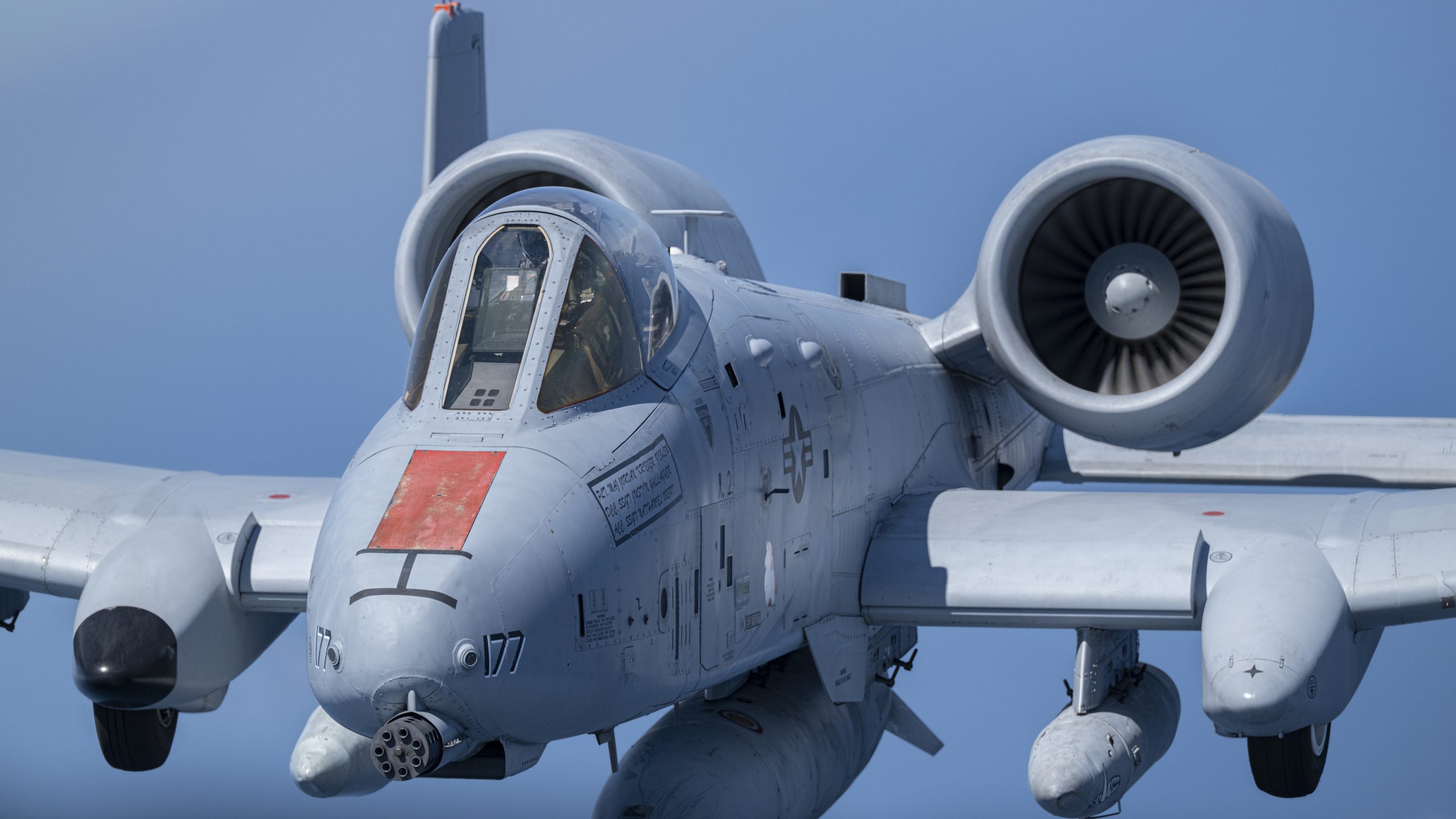
Combat capability does not reside in aluminum alone. It resides in maintainers, instructor pilots, operational test teams, weapons officers, logistics pipelines, and institutional continuity accumulated over decades. All of that is currently at risk. The capacity to produce, refine and retain this talent and experience is perishable. Airmen face irreversible career decisions. Maintainers transition to other fleets. Weapons instructors leave. Operational test is blocked. Once assignment pipelines close and personnel move on, the impact compounds quickly. To a community that was previously scheduled for final retirement this October, every month of uncertainty adds to the complexity of sustained readiness. Rebuilding later becomes expensive and slow, if not impossible.
How perishable A-10 specific knowledge is was documented by the Air Force’s own testing. When the Pentagon ran a 2018–2019 flyoff to determine whether the F-35 could replace the A-10 in close air support, forward air control-airborne (FAC-(A)), and combat search and rescue (CSAR), F-35 pilots had no qualification or training requirement for the FAC(A) and CSAR missions. To make the comparison work, the test had to crew the F-35 with former A-10 pilots, aviators who carried their Sandy and weapons-school training over from the very aircraft being retired. The report demonstrated mission performance depended on the aircrew, not the airframe.
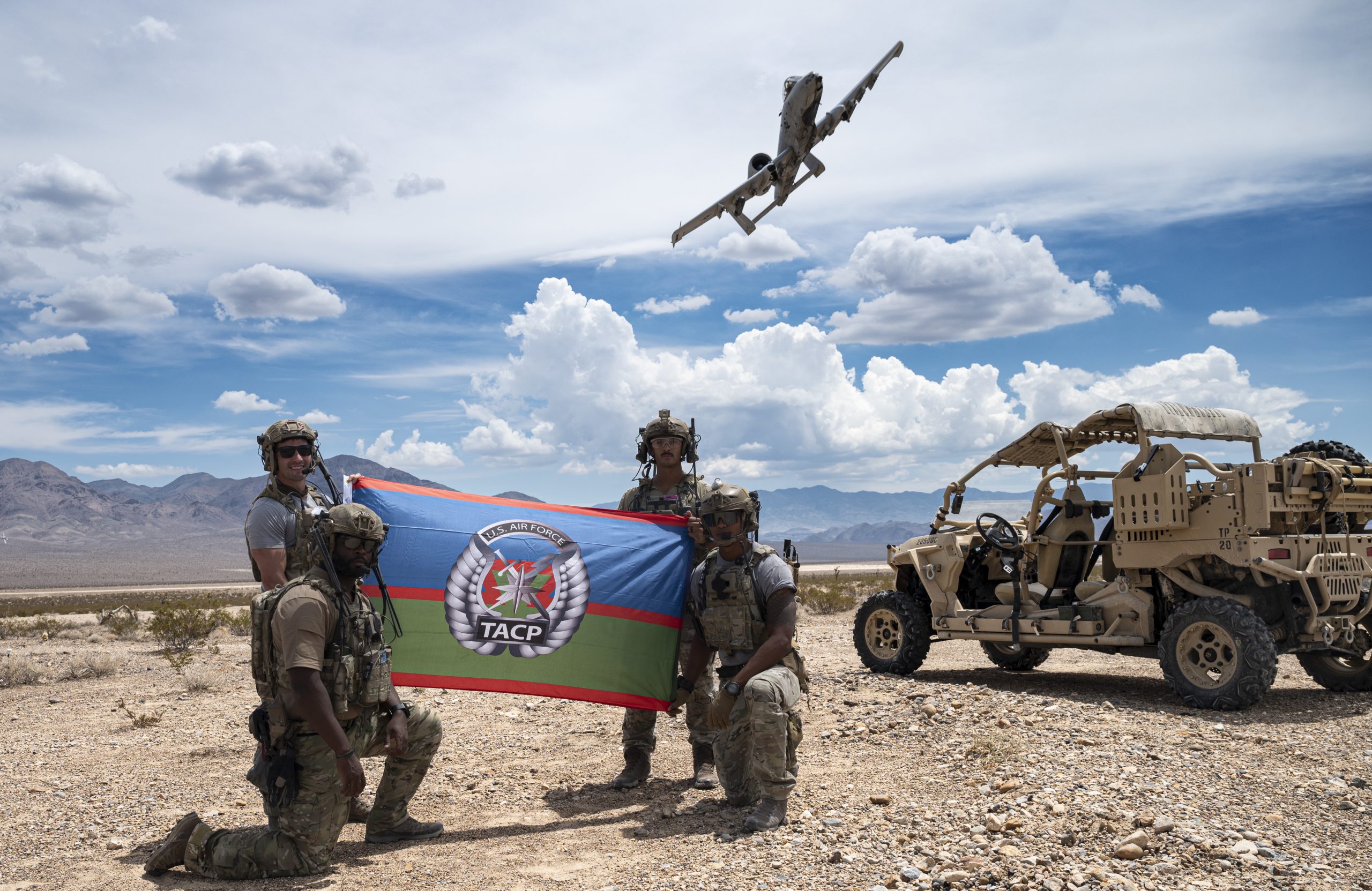
Years later, in 2023 and 2024, the Air Force still had no close-air-support or CSAR training requirement for any F-35 pilot. In April 2026, the formal A-10 training unit at Davis-Monthan, the 357th Fighter Squadron, the schoolhouse that is home to the Sandy qualification, graduated its last class. On the same day, halfway across the world, A-10 flew the combat rescue mission saving downed aircrew inside Iran. The dissonance between real world combat value and misaligned budget politics will be on full display if the 357th schoolhouse and its Sandy training syllabus are allowed to fully inactivate in just a few months. The Air Force has confirmed there is no transition underway to move the Sandy mission to any other airframe, and no successor qualification program in development.
This is not a new concern. In 2021, the Senate formally recorded that A-10 combat search and rescue had been “100 percent effective” in Operation Allied Force, recovering a downed F-117 and F-16 pilot. The Warthog has now done it again over Iran. Congress has consistently levied the concern but the Air Force and its budget still haven’t made this a real priority.
The Air Force has already invested heavily to preserve A-10 viability well beyond 2030: roughly $1.1 billion to re-wing 173 aircraft, completed in 2019, and a follow-on contract worth up to $999 million to put new wings on the remaining 109, about $2.1 billion in total to extend the entire fleet’s structural life into the late 2030s. But even those investments faced similar institutional resistance inside the Air Force. The service repeatedly placed A-10 funding on its “unfunded requirements” list rather than in its base budget, while funding upgrades to other legacy fighters instead. Congress has consistently met Air Force resistance, such as in 2021 when the service spent just $15.6 million of $100 million Congress had appropriated to sustain the fleet into the 2030s. Allowing the enterprise behind those re-winged jets to collapse now would write off an investment the taxpayer and Congress already paid for and has barely begun to recoup.
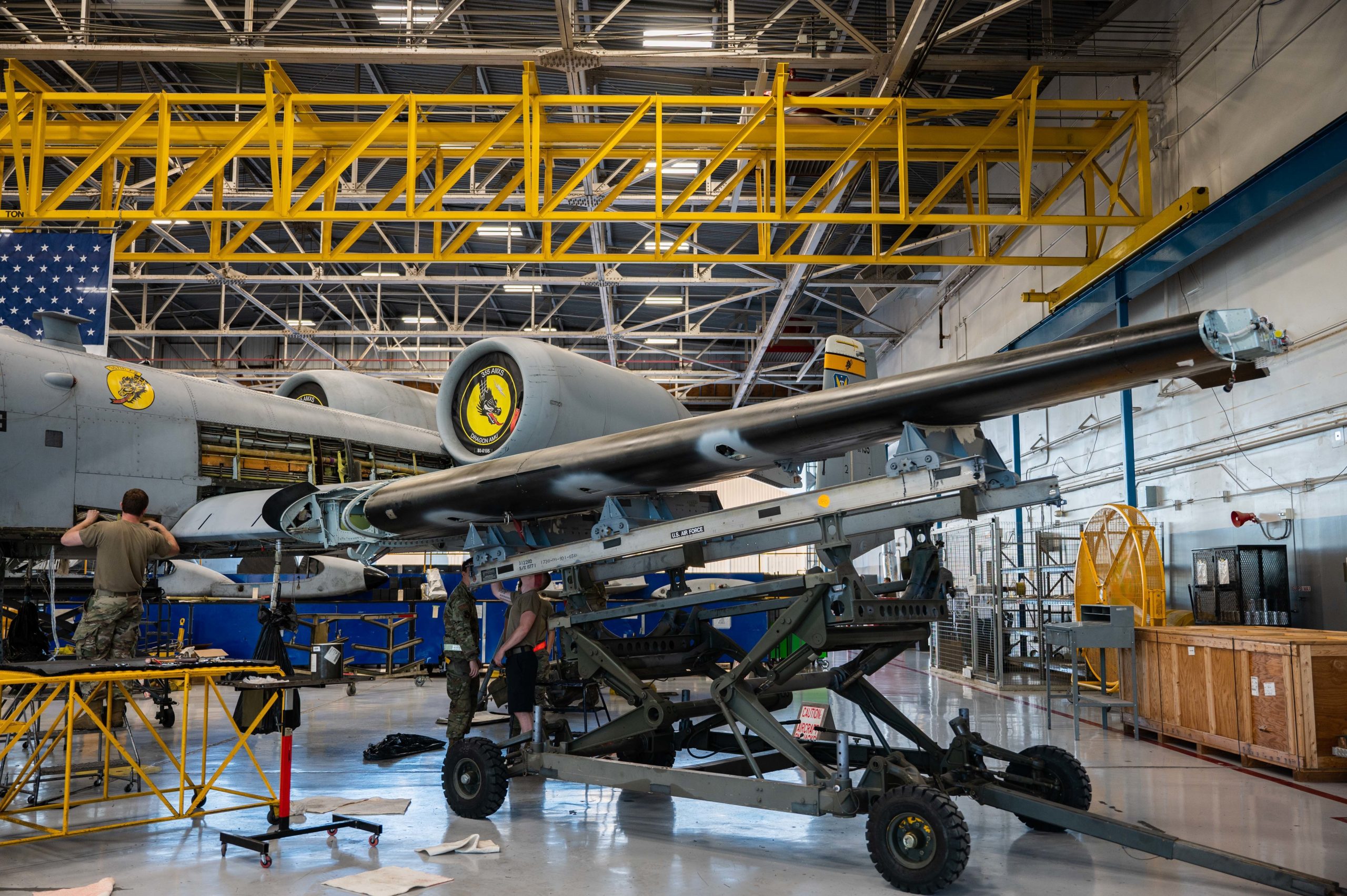
This is not a theoretical risk. When the F-22 production line closed at 186 aircraft, well short of the original requirement of 750, the assumption was that follow-on capability would arrive to fill the gap. The limited F-22 fleet now bears disproportionate sustainment costs awaiting delivery of the proposed F-47 sometime in the mid-2030s, and even then, the two could serve alongside each other for a period of time. Timing errors in force design can become effectively irreversible, especially once the infrastructure that sustains a capability is dismantled. In the A-10 case, that includes not only the aircraft but also the depot and integration ecosystem that support it. Once those are gone, the option value is gone with them.
The financial logic behind accelerated divestment is also less straightforward than topline savings figures suggest. Retiring the A-10 does not eliminate operational demand. Combat search and rescue escort, permissive strike, armed reconnaissance, and distributed-operations requirements still exist. Those missions and their costs migrate elsewhere: more flight hours on higher-cost aircraft, additional maintenance burden, increased schoolhouse demand, and greater operational tempo across communities already under strain.
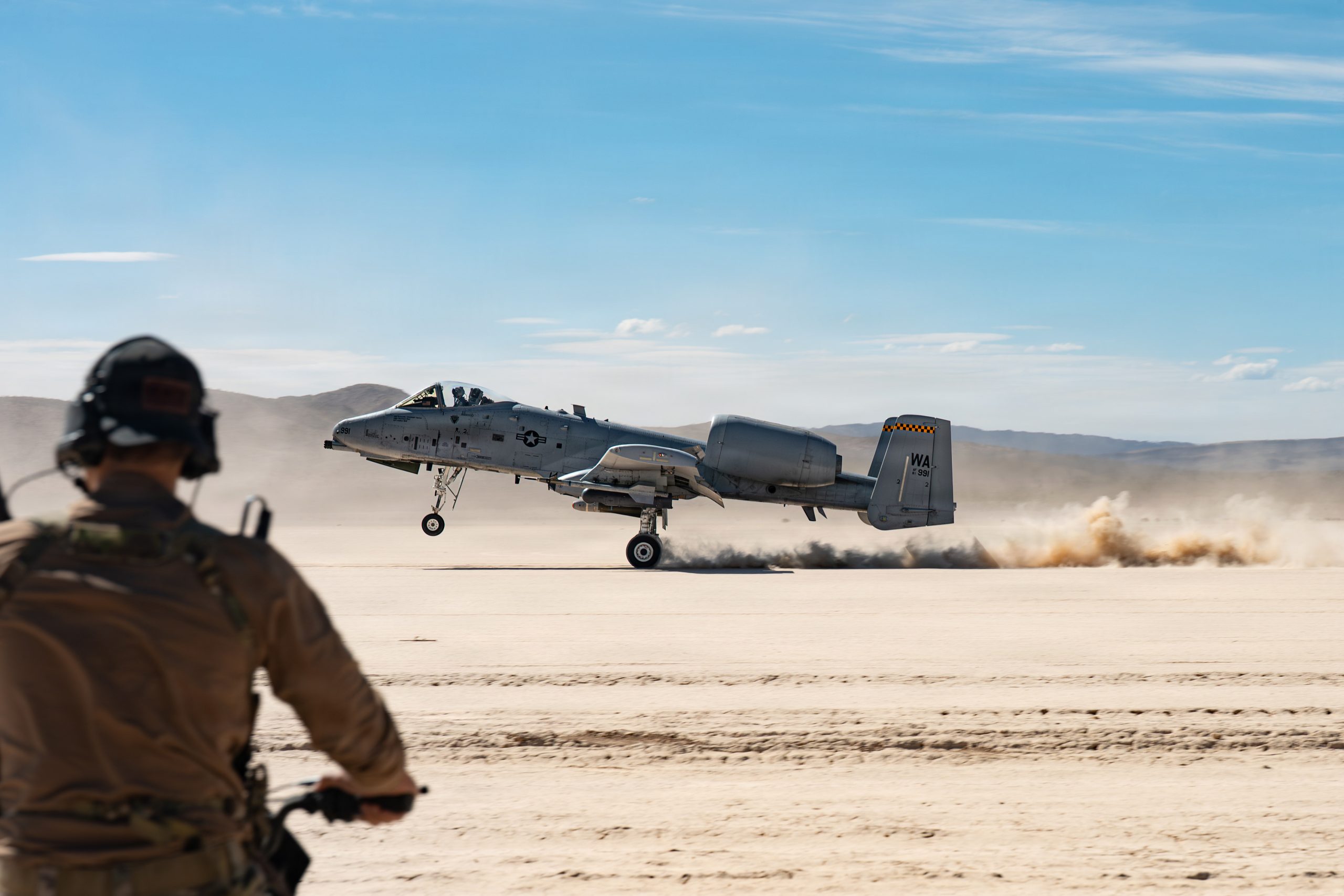
The A-10 offers combat power at a discount through both cost per flight hour and cost per effect on target. Mission specialization means A-10 employing laser-guided rockets, gun, or other comparatively low-cost weapons provides a strong complement to high-end fighter packages and their standoff weapons.
The Air Force mission, its airmen, and our nation’s combat capacity all stand to benefit from a more complete commitment to the A-10 and its community.
What The Air Force Should Do
The Air Force must revisit their A-10 commitments to ensure the extension is real.
Restore and protect the 357th Fighter Squadron at Davis-Monthan. The 357th is the Air Force’s formal A-10 training unit and the institutional home of the Sandy qualification, the schoolhouse where combat-search-and-rescue expertise is produced, refined, and passed to the next generation of aircrew. It graduated its last class in April 2026 and is set to inactivate this year. No successor Sandy qualification program exists across the Department of War, and the Air Force has confirmed none is in development. Inactivating the 357th severs the center of excellence that produces the very capability the service says it values. Reversing that decision is the single highest-leverage action available, and the clearest signal of whether the 2030 commitment is real. The squadron should be retained until a validated replacement for the Sandy mission is stood up and producing qualified aircrew on a replacement platform.
Stabilize the rest of the enterprise through the extension timeline. If the service intends to preserve meaningful capability through 2030, the supporting structure has to survive with it. That means protected funding for depot maintenance, training, operational-test, and maintainer retention. Exempt the A-10 from “sunset” policy where budgets are still being slashed with justification of “upcoming divestment.” Instead, leverage the A-10 operational-test process as a rapid-integration and tactics pathfinder, capturing and transferring those lessons across the broader force before the capability disappears.
Tie any future divestment to demonstrated replacement readiness, not the calendar. Do not divest the A-10 until there is a trained and capable replacement for each mission it performs. Build a deliberate plan for a clean handoff of mission responsibility and the community knowledge behind it, and gate future retirements on proven replacement capability rather than programmatic timelines.
The case for retiring the A-10 was always a timing argument: accept a measured reduction in near-term capacity in exchange for a better future force. The Air Force already announced the A-10 was back. Now it must fund the decision it already made before the combat capacity disappears anyway.
Paul “Gu$” Garcia is a TOPGUN Navy Fighter Weapons School instructor and graduate who flew combat missions in the F/A-18 across Iraq, Afghanistan, and Syria. He transitioned to fly the F-22 in the IndoPacific as a member of the Hawaii Air National Guard, leading the Homeland Defense mission for the Hawaii and Guam Air Defense Region for Operation Noble Eagle. He retired from the U.S. Air Force as the lead for PACAF modernization and innovation in 2025. He is Managing Partner and founder of Merge Combinator.
The opinions and views expressed in this article are those of the author and do not reflect the views or opinions of the U.S. Air Force, the U.S. Department of Defense, or any part of the U.S. government.
editor's pick
latest video

news via inbox
Nulla turp dis cursus. Integer liberos euismod pretium faucibua