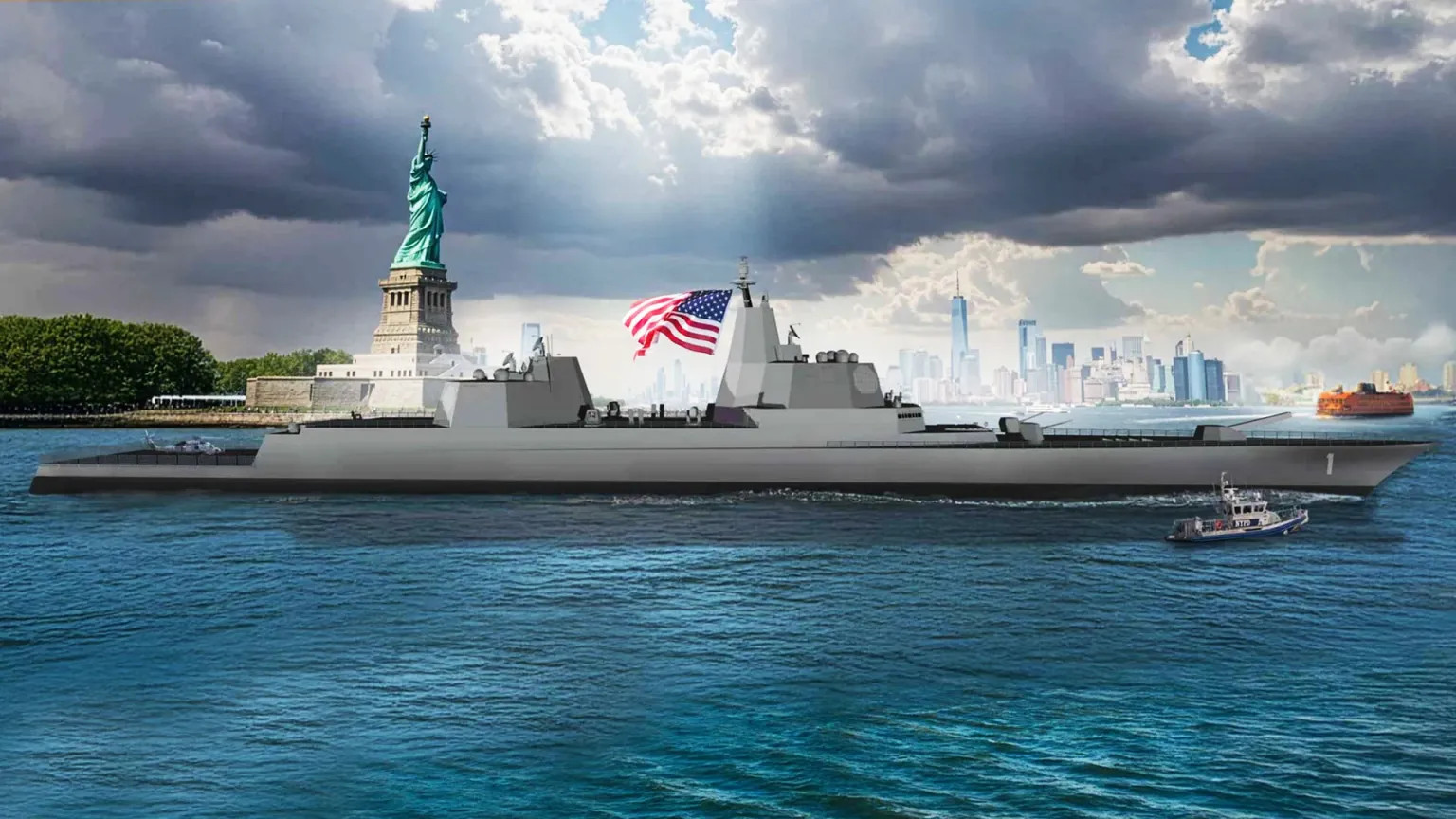
Legislators Demand Navy Prove Trump Class Battleships Won’t Sink U.S. Nuclear Shipbuilding
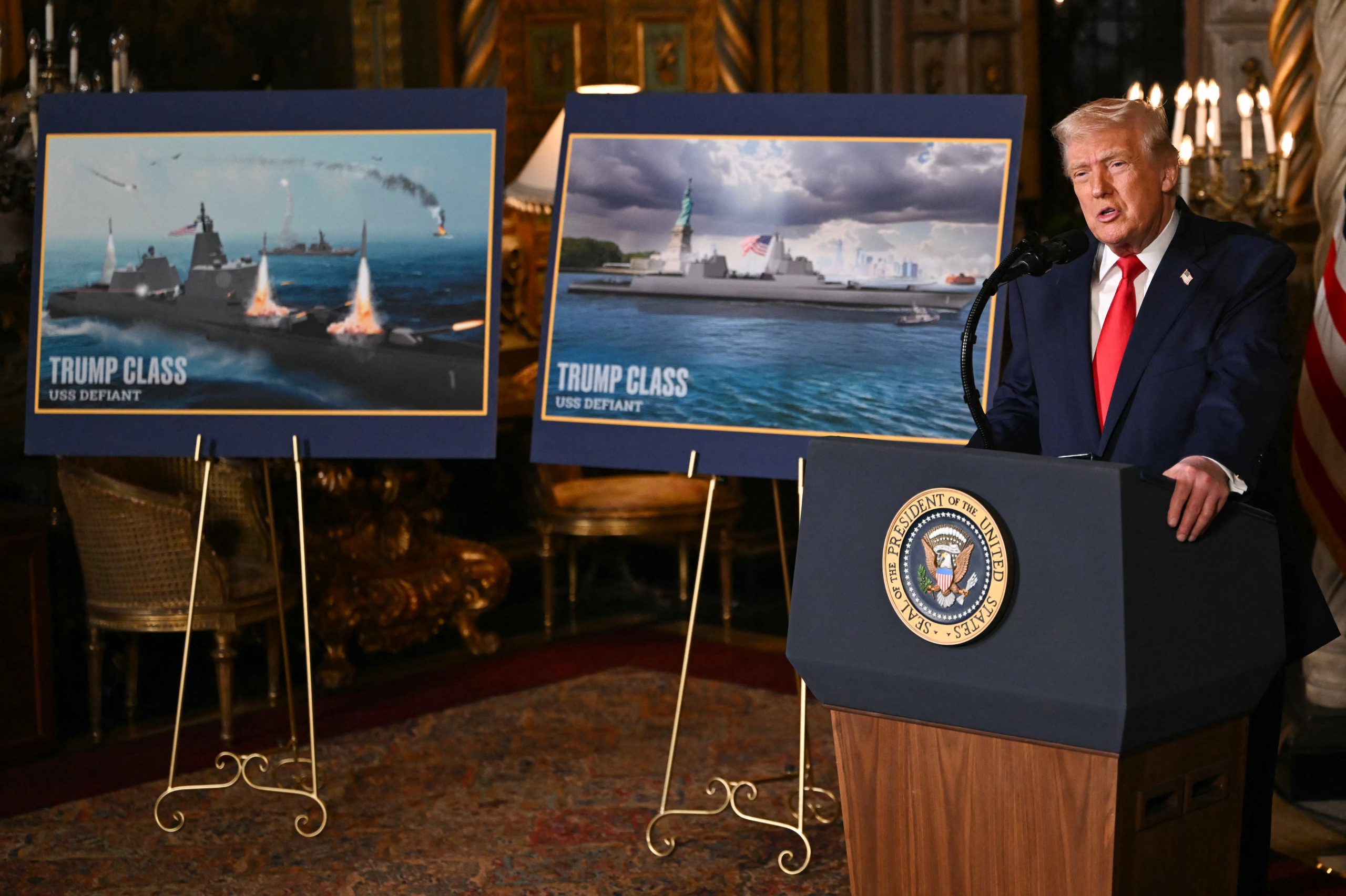
Concerned about a cascading impact on America’s already strained nuclear shipbuilding industry, the House Armed Services Committee wants the Secretary of the Navy to prove that procurement of the proposed nuclear-powered Trump class battleships won’t exacerbate existing construction delays on aircraft carriers and submarines. This follows a congressional move last month to block the Navy from starting construction of the first of the new class of battleships until the service provides assurances that key weapon systems are “sufficiently mature.” You can read more about that in our original report here.
New worries about the status of U.S. nuclear shipbuilding were raised Thursday during the House Armed Services Committee’s Markup of the current draft of the Fiscal Year 2027 National Defense Authorization Act (NDAA), the annual defense policy bill. An amendment adding new directed report language related to the Trump class, which was approved by the Committee, mirrors issues TWZ has frequently addressed about procurement of nuclear-powered vessels.
“The committee continues to support efforts to expand the U.S. maritime industrial base and accelerate U.S. shipbuilding production and recognizes the progress that has been made on these efforts through coordination between Congress, the Department of Defense, and industry,” the amendment, which had been put forward by Representative Joe Courtney, a Connecticut Democrat, says. “However, the committee is concerned about the possibility of strain on U.S. nuclear shipyards and maritime industrial base posed by the aggressive schedule proposed for producing a nuclear-powered BBG(X) platform.”
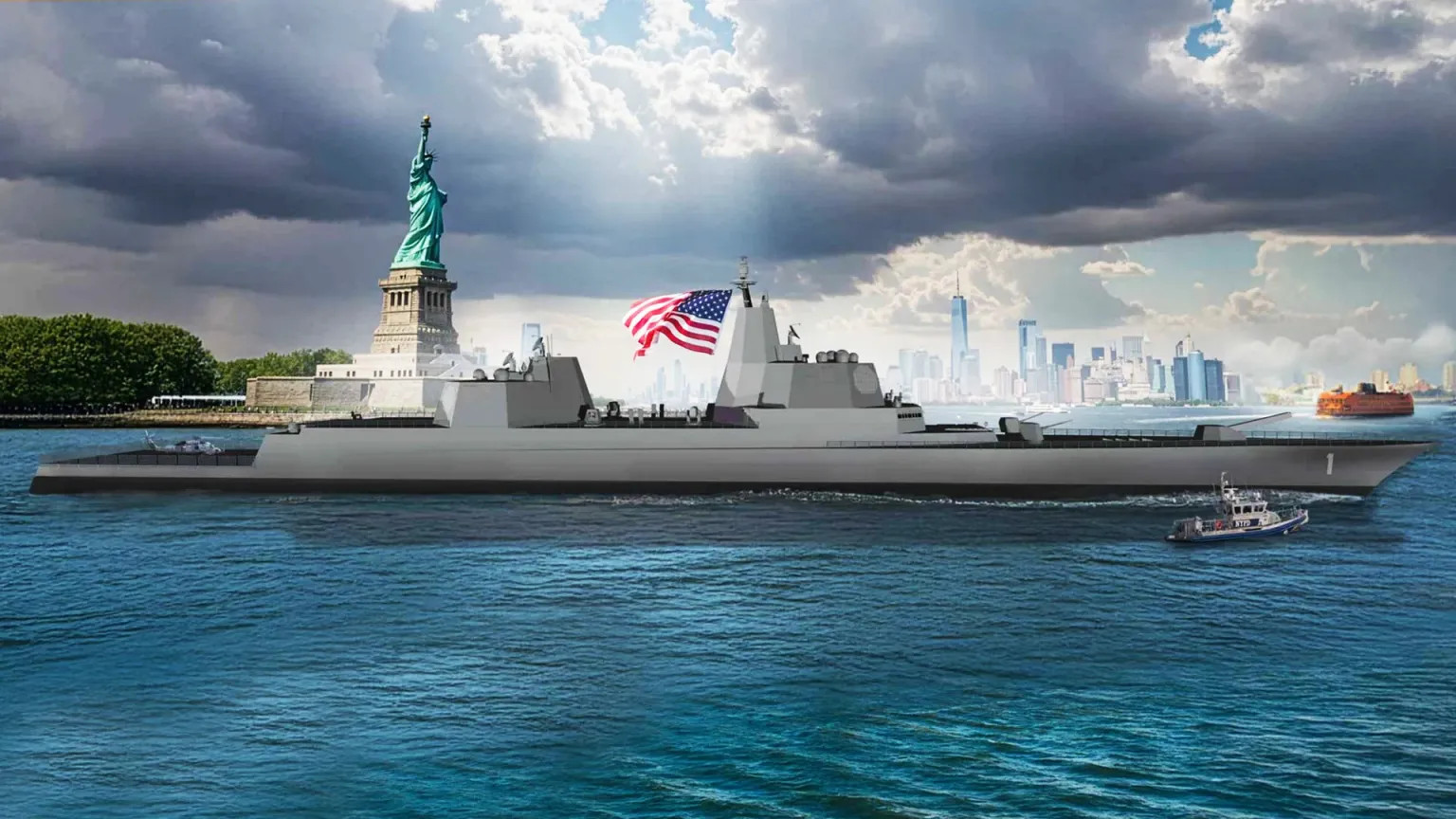
The Trump class has also been referred to as BBG(X), the hull classification code for a guided missile (G) battleship (BB). The Navy has more recently used the term BBGN, reflecting the decision to utilize nuclear propulsion.
The main concern raised by Representative Courtney is that there is a limit on where nuclear-powered warships can be built.
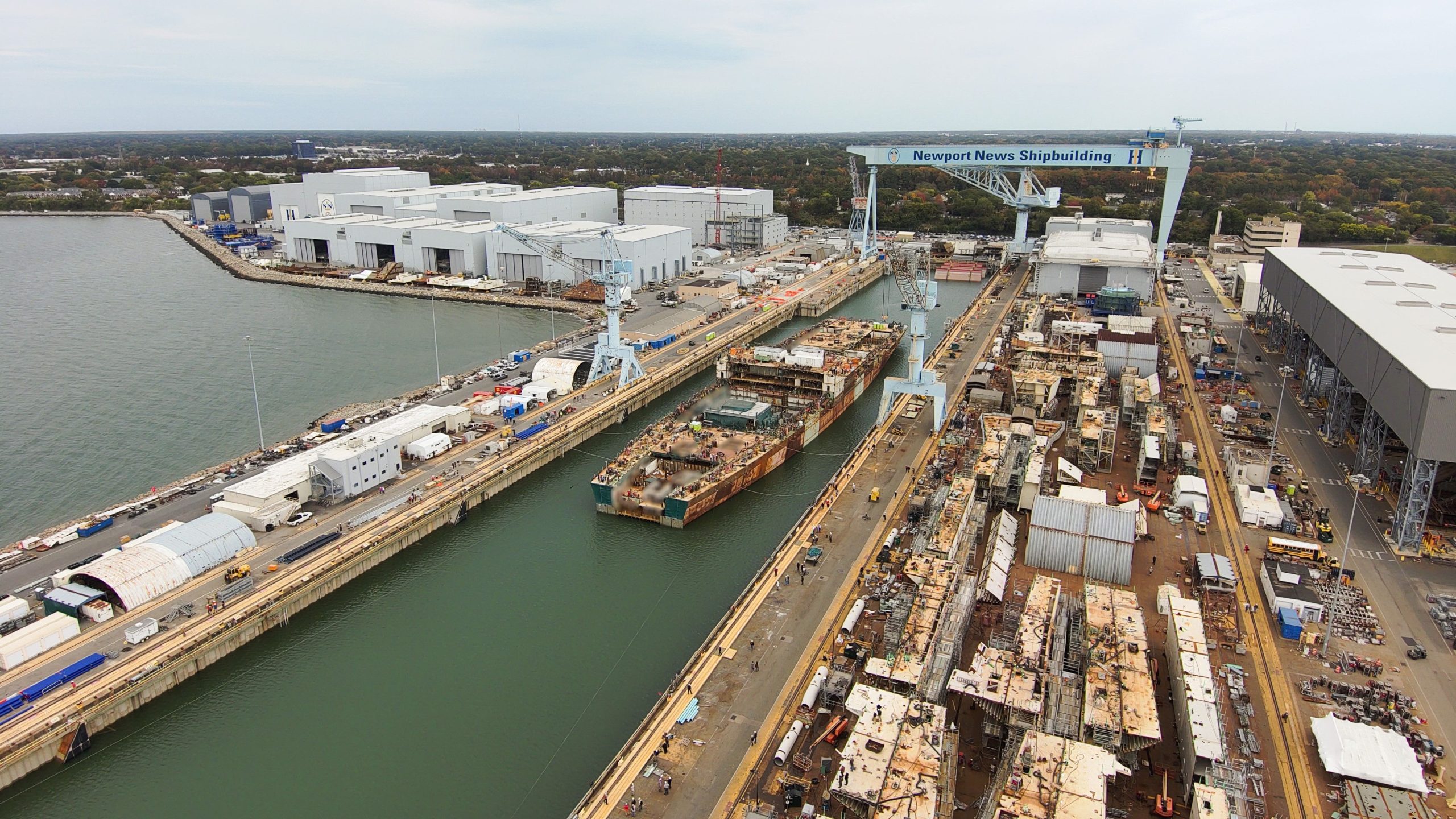
“The committee notes that the United States operates only two shipyards that are qualified to construct nuclear-powered vessels and that only one of these two shipyards, located in Newport News, Virginia, actively constructs surface vessels, including the Gerald R. Ford class aircraft carrier program,” Courtney noted. He was referring to Newport News Shipbuilding, a division of Huntington Ingalls Industries.
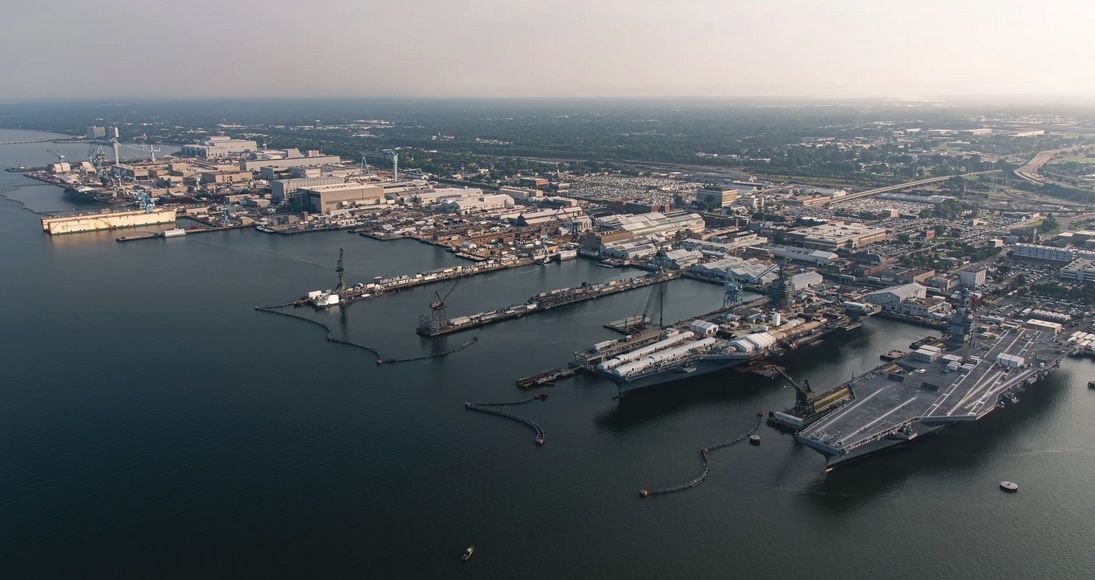
“The committee is aware that the timelines for completion of the three Ford class aircraft carriers currently under construction have experienced significant delays due to a variety of reasons including supply chain and workforce challenges,” the amendment continues. “The committee is concerned that these factors, coupled with a lack of physical shipbuilding capacity, could be further exacerbated by a new nuclear-powered surface vessel program and without careful planning could jeopardize Ford class delivery.”
Beyond concerns about building the ships, the committee is troubled by the Trump class battleship’s impact on the U.S. naval reactor base, which is also limited to a single supplier.
That company, BWXT Technologies, is providing reactors for the Ford class carriers, as well as Virginia and Columbia class nuclear submarines under construction. It was recently awarded $1.4 billion in contracts by the U.S. Naval Propulsion Program.
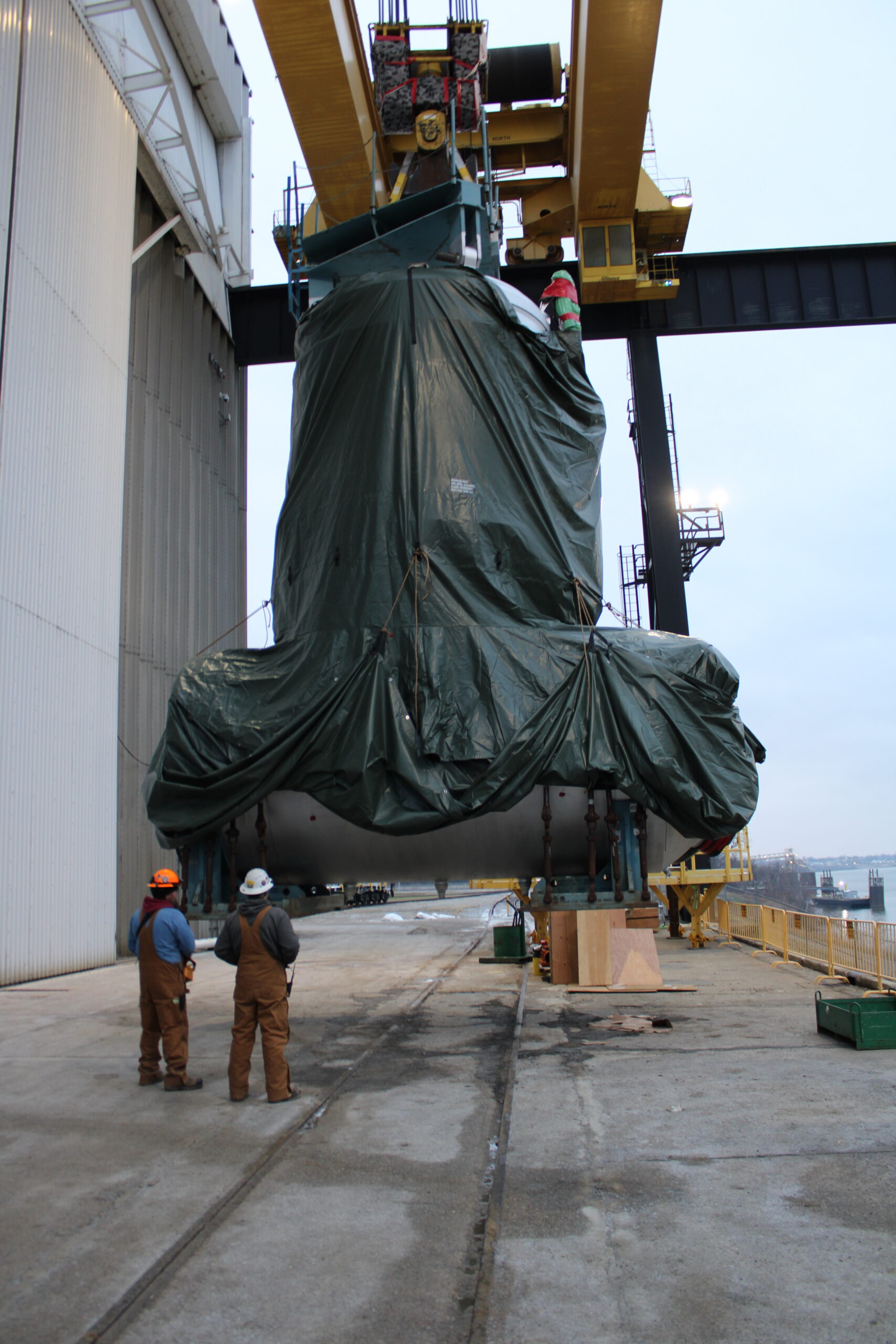
“Procurement of naval nuclear reactors typically occurs 2-to-3 years ahead of procurement of a respective vessel and reactor production timelines typically range from 6-to-8 years,” Courtney posited in his amendment. He is “concerned that the accelerated procurement timeline for the BBG(X) program will result in a negative impact on this supply chain.”
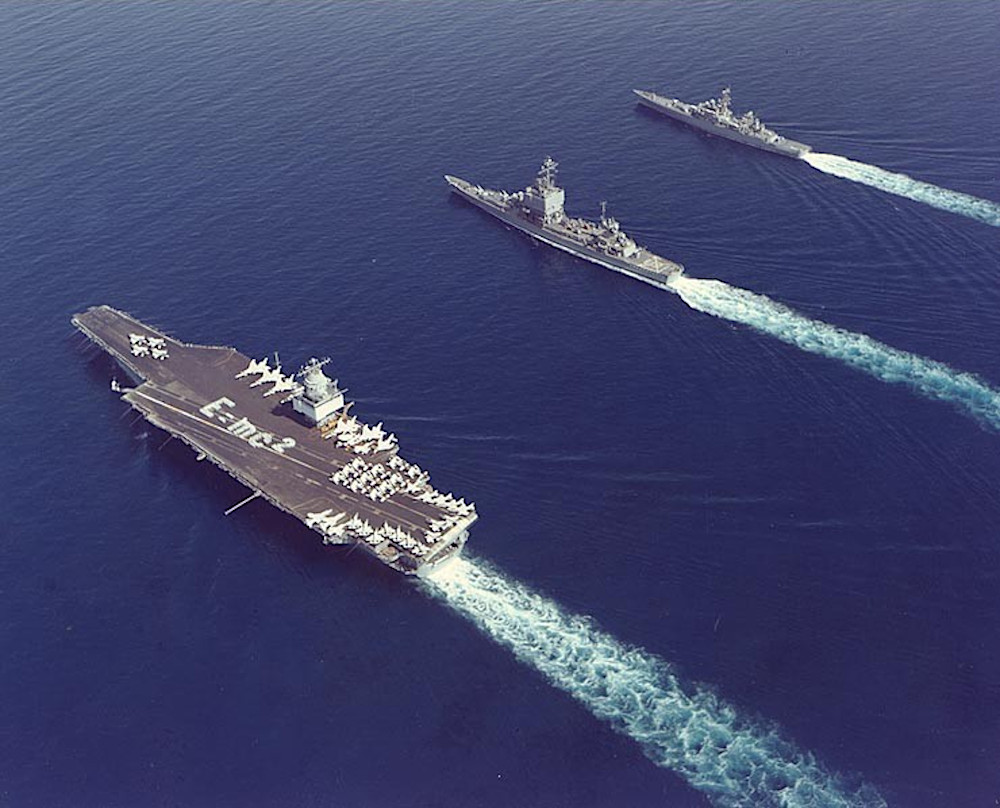
The first formal announcement that the Trump class ships would be nuclear-powered came when the Navy unveiled its new shipbuilding plan last month. The Navy hasn’t had a nuclear-powered surface combatant since the 1990s.
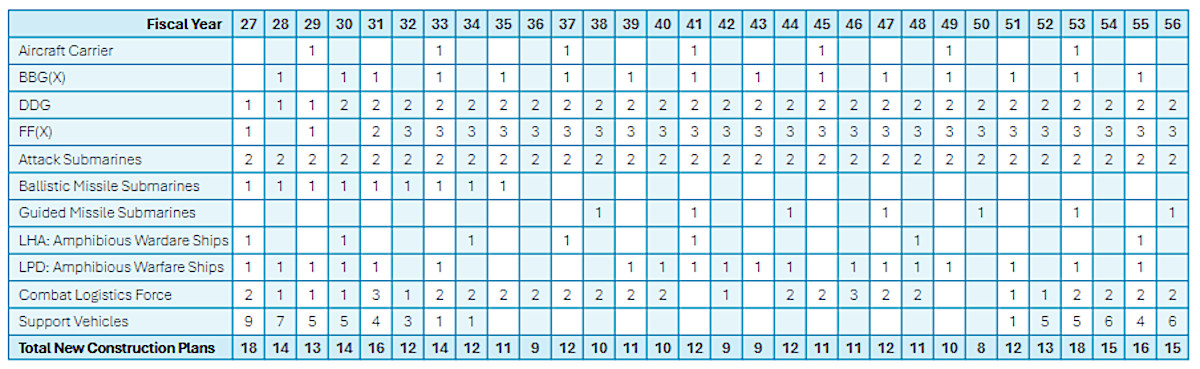
The service’s stated plan is to acquire 15 Trump class ships between Fiscal Year 2028 and 2055. Orders are to be placed essentially one every other year. However, two are slated to come back-to-back in Fiscal Years 2030 and 2031.
The most recent publicly available official estimate for the price tag on these boats is about $17 billion each. That eclipses what the service expects to spend on each of the next three Ford class carriers, the projected unit costs of which range from roughly $13 to $15 billion.
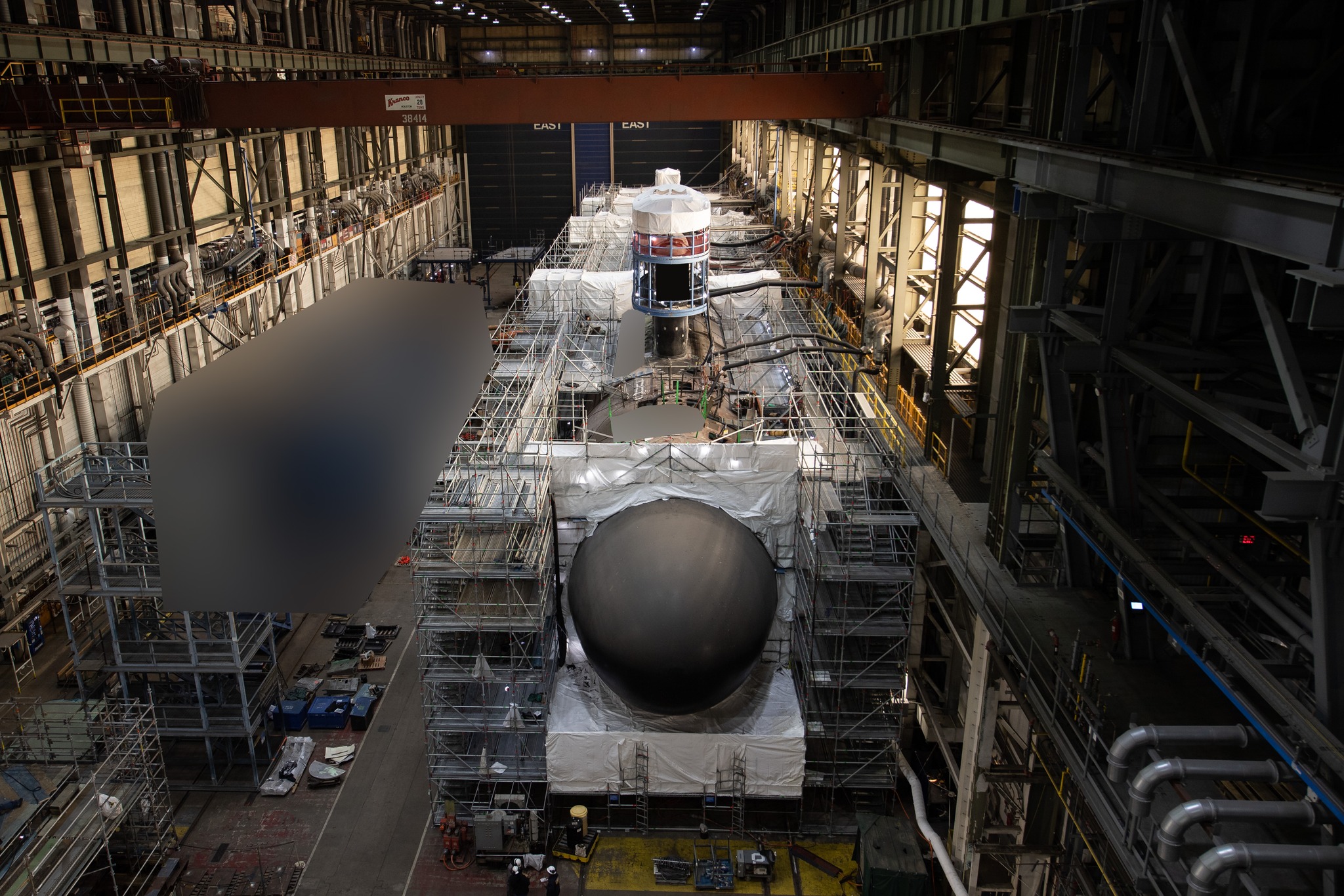
With all this in mind, the committee now wants the Navy Secretary and the Director of the Naval Nuclear Propulsion Program to provide a report by March 1, 2027, on the “Navy’s strategy to design and construct BBG(X) without interfering with existing nuclear-powered shipbuilding plans,” including the scheduled construction of third, fourth, and fifth Ford class carriers, the future USS Enterprise (CVN-80), USS Doris Miller (CVN-81), and USS William J. Clinton (CVN-82).
The committee wants the information about:
- “the Navy’s strategy to reduce construction delays for CVN-80, CVN-81, and CVN-82;”
- “the Navy’s projection for construction and delivery timelines for a nuclear-powered BBG(X) program, to include procurement of long-lead material such as naval nuclear reactors;”
- “an assessment of the capacity of existing U.S. shipyards, certified for nuclear-powered vessel construction, to support construction of a nuclear-powered BBG(X) without delaying scheduled construction of projected and under-contract vessels within the Virginia class, Columbia class submarine, and Gerald R. Ford class carrier programs;”
- “an assessment of the capacity of the U.S. naval nuclear reactor industrial base capacity to support the construction of a nuclear-powered BBG(X) without delaying scheduled construction of projected and under-contract submarines and aircraft carriers” and
- “a summary of the maritime industrial base vendors, particularly those with long-lead time items or that have single source suppliers and their capacity to support the construction of the BBG(X) without delaying construction of already scheduled shipbuilding efforts.”
In addition to the issues raised by Courtney, Representative Christopher Deluzio, a Pennsylvania Democrat, expressed concern that the Navy is making “optimistic assumptions about technologies” in a separate amendment to the latest draft of the House NDAA. He specifically cited “operating with a nuclear weapon, ship design, costs, schedule, and production and lack clear concepts of operations or a commitment to incorporating commercial leading practices” when it comes to the Trump class program. Deluzio’s full amendment also touched on aspects of the Trump administration’s Golden Fleet naval modernization initiative.
Deluzio’s amendment directs the Comptroller General of the United States to provide a brief to the House Committee on Armed Services no later than January 1, 2027, on how they will assess:
- “the business case for the BBG(X) program, including the planned cost, schedule, and performance parameters, as well as any assumptions that are inherent to the execution of the business case;”
- “the novel systems and technologies required to build, operate, and sustain the BBG(X), including the costs and risks of these technologies and the Navy’s steps to mitigate these risks;”
- “the extent to which and how the Navy envisions executing Distributed Maritime Operations with the BBG(X) as well as other Golden Fleet assets;”
- “the extent to which the Navy plans to incorporate commercial leading practices into its acquisition approach for BBG(X) and other Golden Fleet assets” and
- “the impact of BBG(X) and other Golden Fleet assets on acquisition and construction plans for existing Navy shipbuilding programs.”
We reached out to Acting Navy Secretary Hung Cao’s media office for comment and will update this story with any pertinent insights shared.
There are still a number of legislative hurdles the committee’s proposals have to jump. Regardless, the reality that the Navy will ever procure a Trump class battleship, at least as currently envisioned, is already highly questionable, an issue TWZ raised when the class was first announced. President Donald Trump, who sees his namesake battleship class as a key component of the Golden Fleet, will be out of office before major decisions about how to go forward will be made. These congressional actions could be seen as a way to slow-roll plans for the battleship to kill it without directly confronting Trump about the logic of building it in the first place.
The next administration faces massive competing priorities, and there are already questions by members of Congress about whether the battleship effort is the best use of available resources.
The committee’s demand that the Navy prove these vessels won’t gum up the nuclear shipbuilding works is another reminder that there are rough waters ahead for the Trump class.
Contact the author: howard@TWZ.com.
editor's pick
latest video

news via inbox
Nulla turp dis cursus. Integer liberos euismod pretium faucibua