U.S. Sanctions Iran’s Biggest Crypto Exchange for Ties to Terrorist IRGC
The U.S. Treasury Department’s Office of Foreign Assets Control (OFAC) on Tuesday announced sanctions against four Iranian digital asset exchanges, including Nobitex, the largest cryptocurrency exchange in Iran.
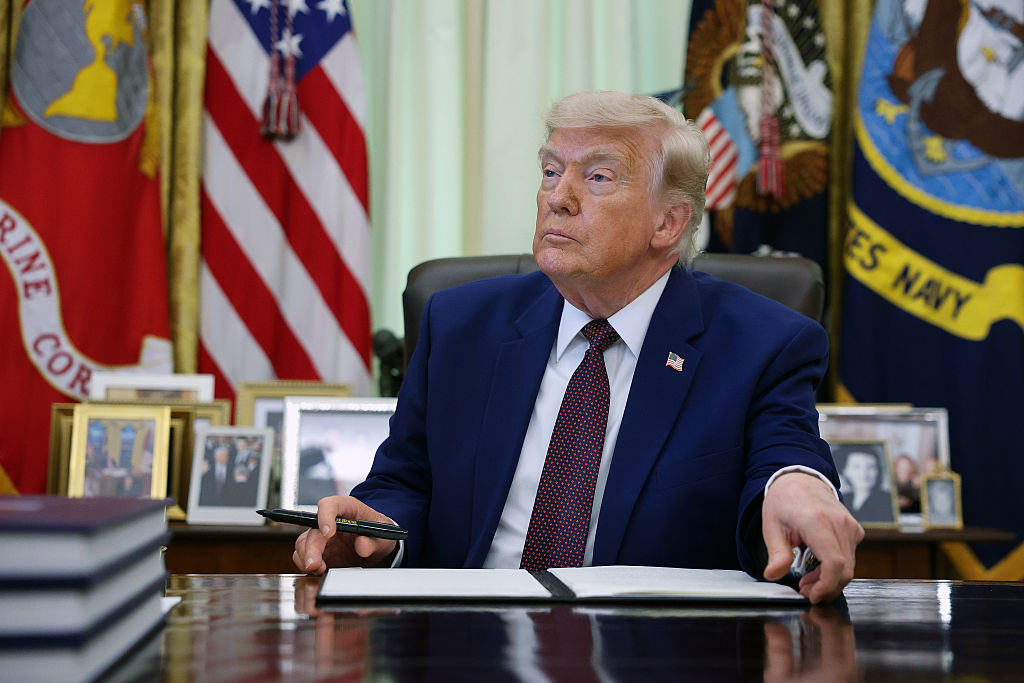
“While Iran’s economy is in free fall, the regime has chosen to co-opt digital asset technologies for its own corrupt agenda, including evading sanctions and transferring wealth out of the country. Iran’s current economic chaos is proof that President Trump’s maximum pressure campaign has been a success,” said Treasury Secretary Scott Bessent.
“As promised, Treasury will continue to follow the money in support of Economic Fury, whether it is through the banking system or through digital assets, to prevent the regime from developing a nuclear weapon,” Bessent pledged.
According to OFAC, Nobitex has “provided significant support to the regime, processing more than 50 percent of all Iranian digital asset inflows in 2025.”
Nobitex also facilitated payments linked to Iranian terrorism, sanctions evasion, and the activities of the Islamic Revolutionary Guard Corps (IRGC), a designated terrorist organization. It gave Iran’s central bank access to “hundreds of millions of dollars in stablecoins used to prop up the plummeting value of the Iranian rial.”
Some of those IRGC transactions were allegedly linked to ransomware gangs, who use malware to lock down computer data and demand cryptocurrency ransoms from the victims. Some long-dormant ransomware operations linked to the IRGC have resurfaced since the beginning of Operation Epic Fury in February.
“Following the commencement of U.S. combat operations in Iran, Nobitex played a role in protecting and moving assets and funds out of Iran to shield regime wealth despite internet blackouts,” OFAC added.
OFAC singled out Nobitex founder, chairman, and former chief executive officer Amir Hossein Rad for sanctions, along with “numerous other Nobitex leaders and officials.”
Three other Iranian crypto exchanges, called Wallex, Bitcoin, and Ramzinex, were sanctioned as well. OFAC warned all individuals and financial institutions around the world that doing business with any of these entities could trigger sanctions against them. Conversely, rewards were offered to whistleblowers who helped OFAC conduct successful enforcement actions with penalties of over $1 million.
Reuters published an investigation of Nobitex on May 1 that revealed the company was founded in 2018 by “the sons of a powerful family with close ties to Iran’s new supreme leader,” Mojtaba Khamenei.
The Kharrazi family was described by Reuters as “one of the most influential dynasties in the Islamic Republic,” with links by marriage to all three of the Islamic Republic’s supreme leaders, beginning with founder Ayatollah Ruhollah Khomenei. The founders of Nobitex concealed their links to the Iranian aristocracy by using an “alternative family name.”
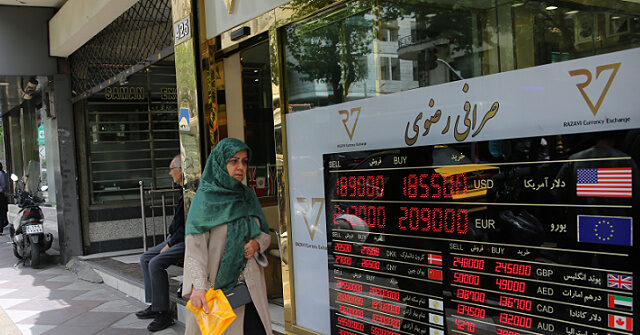
As of May, Nobitex claimed to have 11 million users, which would constitute over ten percent of the Iranian population, and processed around 70 percent of Iranian crypto transactions. Since sanctions have severed most of Iran’s links to international banking, many Iranian elites use cryptocurrency to manage their wealth.
Reuters expressed surprise that Nobitex had not been sanctioned yet, given its not-terribly-well-hidden links to the IRGC and the supreme leader, its rapid growth, and its pivotal role in bypassing sanctions. The company unconvincingly claimed it was a “private and independent business” with no ties to the Iranian government, central bank, or IRGC.
The May exposé included a quote from an unnamed Trump administration official about the effectiveness of the Economic Fury operation, which suggests Reuters might have helped to put Nobitex on the Treasury Department’s radar.
In June 2025, a hacker group called “Predatory Sparrow” with alleged ties to the government of Israel claimed it stole $48 million in cryptocurrency from Nobitex, depriving the Iranian regime of funds needed to sponsor terrorism.
“Collaborating with a terrorist financing infrastructure puts your assets at risk! Act before it’s too late,” the group said in a message to Iranian citizens.
The hackers also exposed source code from Nobitex, revealing that it was conducting surveillance on its users. Transactions for the crypto exchange dropped significantly after these revelations.
editor's pick
latest video

news via inbox
Nulla turp dis cursus. Integer liberos euismod pretium faucibua