This post was originally published on this site.
New DOJ Indictment Alleges Southern Poverty Law Center Funds Went to Hoods and Cross Burnings
This post was originally published on this site.

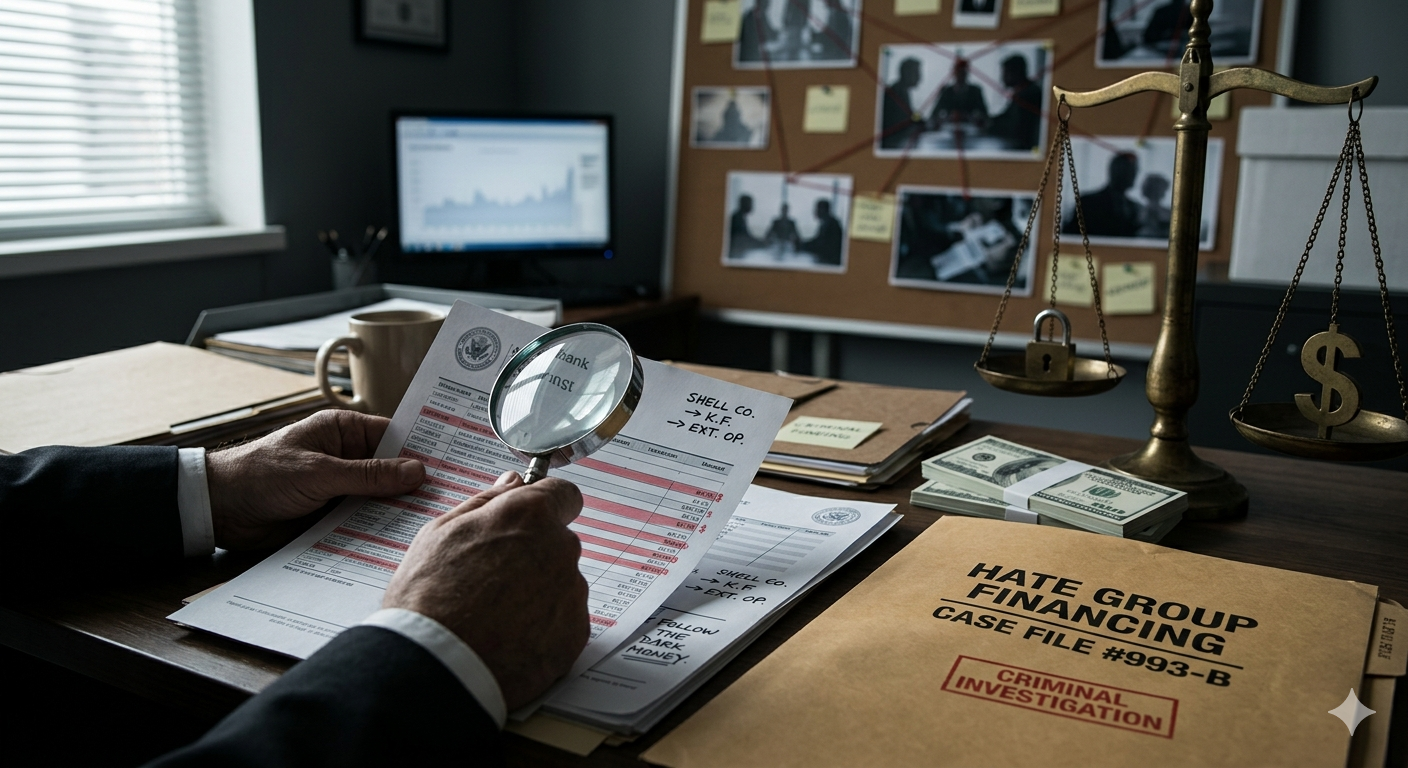
On June 3, a federal grand jury in the Middle District of Alabama returned a superseding indictment against the Southern Poverty Law Center, a second, expanded set of charges building on an original April 21 indictment, alleging that $4.1 million in tax-exempt funds paid informants inside extremist organizations who then recruited new members and purchased materials for cross burnings and Ku Klux Klan robes and hoods.
The new charges do not target the general practice of paying informants but the DOJ’s allegation that the SPLC made these payments without disclosing them to donors and while defrauding banks.
The superseding indictment retains the original 11 counts, six of wire fraud, four of making false statements to a federally insured bank, and one of conspiracy to commit concealment money laundering, while expanding the alleged misconduct to include an SPLC employee’s knowledge that donor money purchased KKK garments, fuel, and wood for cross burnings. The indictment also notes the organization’s revenue and net assets grew more than 200% between 2010 and 2023.
The original 11-count indictment, announced April 21 by Acting Attorney General Todd Blanche alongside FBI Director Kash Patel, alleged the SPLC secretly funneled more than $3 million in donor funds between 2014 and 2023 to at least nine informants embedded in groups including the Ku Klux Klan, the National Socialist Movement, the Aryan Nations-affiliated Sadistic Souls Motorcycle Club, and a participant in the planning of the 2017 Charlottesville Unite the Right rally.
Prosecutors alleged the informants, known internally as “field sources” or “the Fs,” were paid through shell accounts while the SPLC publicly presented itself as working to dismantle those same groups. The SPLC pleaded not guilty and called the allegations false.
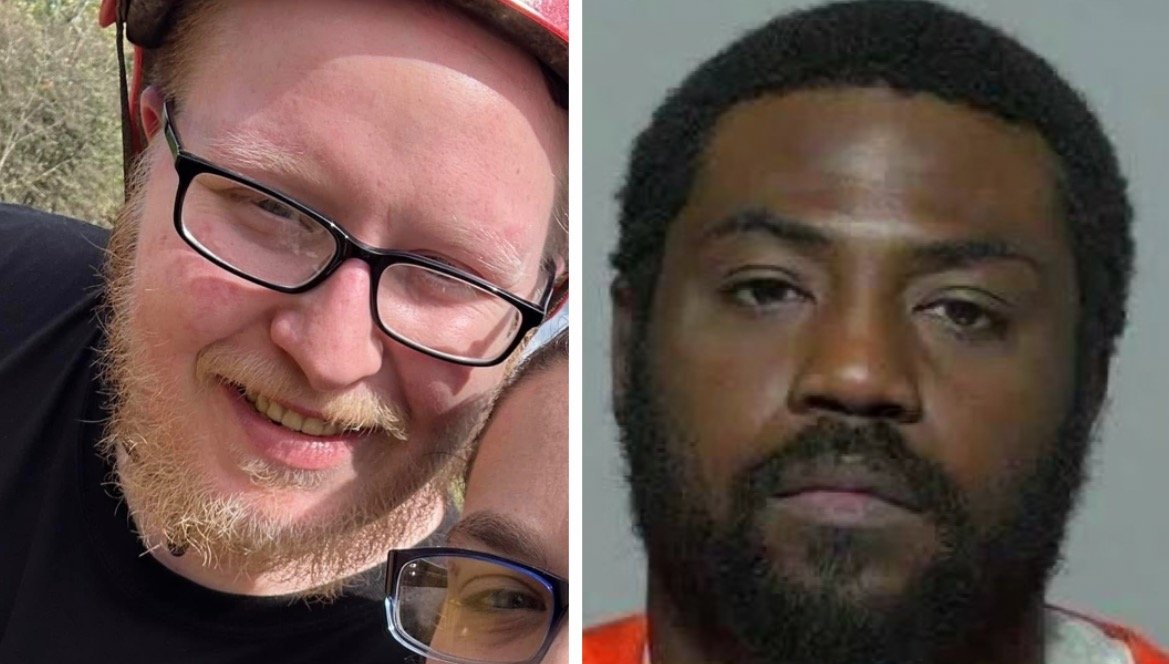
The indictment identifies eight informants by designation and specifies payments by group. One informant, F-9, was affiliated with the neo-Nazi National Alliance and received more than $1 million over nine years while fundraising for the organization. Prosecutors allege F-9 also broke into the National Alliance’s headquarters in 2014, stealing 25 boxes of documents the SPLC used in a published report, then paid a second National Alliance member $6,000 to falsely claim responsibility for the theft.
A second informant, F-37, was a member of the online leadership chat that planned the 2017 Charlottesville Unite the Right rally. According to the indictment, he attended the rally at the SPLC’s direction, made racist social media posts, and coordinated transportation for attendees. Between 2015 and 2023, he received more than $270,000.
Additional payments went to members of other extremist organizations. Prosecutors allege that approximately $300,000 was paid to individuals affiliated with the Aryan Nations. Payments also went to the United Klans of America, including its Imperial Wizard. The national president of the American Front, a skinhead coalition, received approximately $19,000. He was a convicted felon for cross-burning.
The indictment does not include specific examples of how informant money was used to commit crimes, a gap CNN noted legal experts say could complicate securing a conviction.
The informant program dates to the 1980s, when the SPLC began recruiting individuals embedded in or directed into white supremacist groups to gather intelligence. Payments were routed through shell accounts at fictitious entities including “Fox Photography” and “Rare Books Warehouse” to conceal their purpose. The SPLC says the program produced concrete law enforcement results.
Ahead of the Charlottesville rally, it delivered a 45-page event alert to the FBI that included informant intelligence on attendees’ weapons. In 2019, a tip from the program led to the FBI arrest of a Las Vegas man affiliated with Atomwaffen Division who had discussed attacking a synagogue and an LGBTQ bar. He was sentenced to two years in prison. A separate tip led to the conviction of a man who lied about white supremacist ties while seeking a national security clearance at Philadelphia’s Navy Yard in 2018.
The program had been investigated before. Sources familiar with the matter told CBS News the FBI opened the initial probe in 2018 during Trump’s first term, with Jeff Sessions as attorney general, and initially treated the SPLC as a possible victim of internal theft. The FBI and IRS subsequently subpoenaed bank records and interviewed at least two informants and a former employee, but did not seek charges.
IRS lawyers concluded the informant program was legally structured. When the case was reopened in Trump’s second term, prosecutors did not request documents from the SPLC or interview current employees before moving to indict.
The revision to the indictment was legally necessary. In Thompson v. United States, decided unanimously on March 21, 2025, the Supreme Court held that 18 U.S.C. § 1014, the federal statute prohibiting false statements to banks, does not cover statements that are merely misleading. The original indictment had alleged that an SPLC employee made “false or misleading statements” to banks, language Thompson rendered indefensible. The new version drops “or misleading” throughout.
The SPLC is seeking dismissal, arguing the case reflects political animosity from the Trump administration and that prosecutors sought an indictment without first requesting any documents from the organization. Prosecutors are under no legal obligation to do so. Grand jury proceedings are one-sided by design, with the defense presenting nothing and the standard set only at probable cause. Whether the government’s evidence is sufficient to meet the higher burden of proof beyond a reasonable doubt is a question for trial.
The stronger factual basis for the dismissal motion lies elsewhere. The FBI and IRS investigated the same program under Jeff Sessions in 2018, subpoenaed records, interviewed informants and a former employee, and declined to charge. IRS lawyers concluded the program did not violate tax law, though that finding has no bearing on the wire fraud, bank fraud, and money laundering charges now at issue.
Acting AG Blanche further complicated the government’s position by publicly claiming the Biden administration opened and closed the investigation, a characterization CBS News sources said was inaccurate. The indictment was also shared with the media before the court unsealed it, which Lowell called an additional irregularity his team would raise with the court.
The post New DOJ Indictment Alleges Southern Poverty Law Center Funds Went to Hoods and Cross Burnings appeared first on The Gateway Pundit.
editor's pick
latest video

news via inbox
Nulla turp dis cursus. Integer liberos euismod pretium faucibua