Congress Moves To Block Trump Class Battleship Work Until Its Key Weapons Are Mature
Members of Congress are looking to block the U.S. Navy from starting construction of the first nuclear-powered Trump class battleship until the service provides assurances that key weapon systems are “sufficiently mature.” The battleships are to be armed with railguns, high-power laser directed energy weapons, and other advanced weapons that have yet to be fully proven out. Legislators are also looking to compel the Navy to devise a strategy for future subvariants of the FF(X) frigate, including the potential for a version with a built-in Vertical Launch System (VLS). TWZ was first to confirm that the initial FF(X) design would lack a VLS, a decision that has prompted questions and criticism.
The battleship and frigate provisions are included in an early draft of the annual defense policy bill, or National Defense Authorization Act (NDAA), for the 2027 Fiscal Year, which the House Armed Services Committee released late yesterday. The Trump class battleship and FF(X) are set to be some of the Navy’s top shipbuilding priorities in the coming years.
Tying the battleship construction timeline to weapon system progress
The section in the proposed legislation regarding the Trump class battleship is brief, reading as follows:
“The Secretary of the Navy may not enter into a contract or other agreement that includes a scope of work for the construction of the lead ship of the Battleship program until the date on which the Secretary certifies to the congressional defense committees that the weapon systems planned for inclusion in such lead ship are at a sufficiently mature technology readiness level.”
The provision does not name any particular weapon systems or define what level of “technology readiness” would be accepted as “sufficiently mature.”
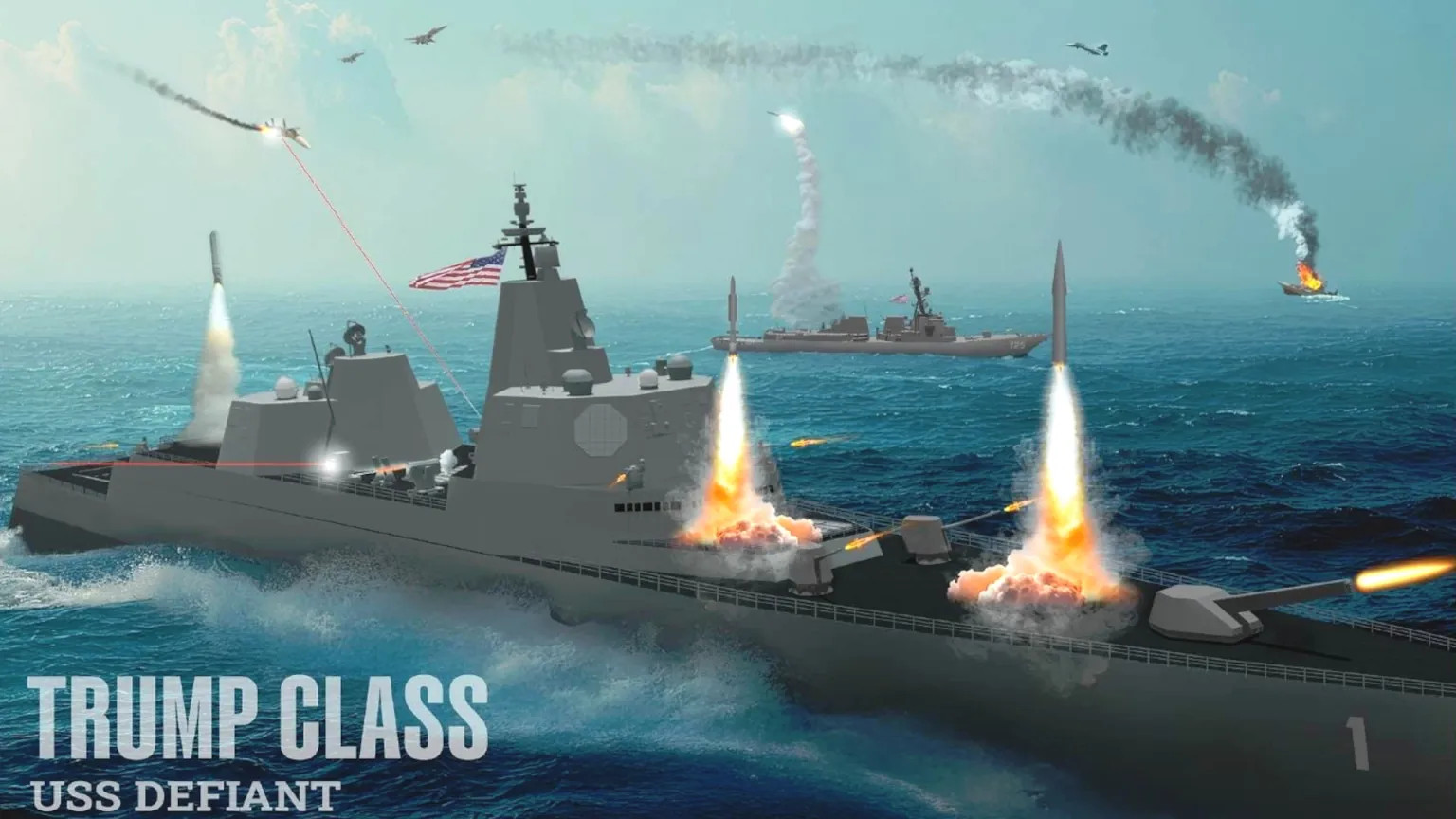
The Navy currently plans to arm the 35,000-ton-displacement Trump class battleships with a mixture of nuclear and conventional missiles, an electromagnetic railgun, a pair of traditional 5-inch naval guns, various laser directed energy weapons, and additional weapon systems for close-in defense. The missiles, which will include hypersonic types, are to be loaded inside very large VLS arrays.
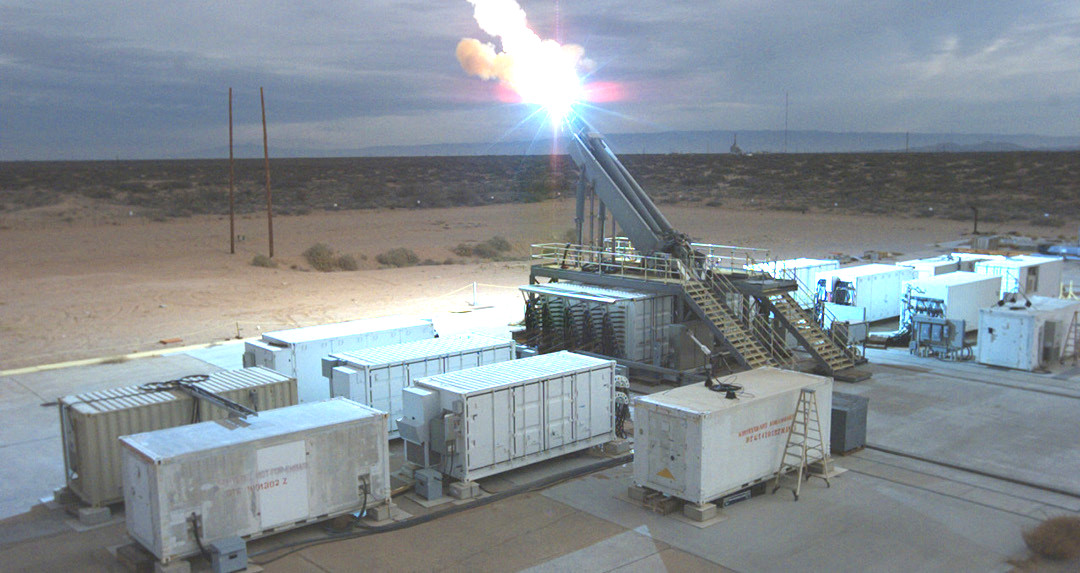
In terms of technological maturity, the railgun presents particular questions. Between 2005 and 2021, the Navy had an active railgun program. Despite promising developments, plans for an at-sea test were repeatedly pushed back before the entire effort was shelved. Major technical hurdles were cited as a key factor in that decision. The railgun itself was effectively placed in storage at White Sands Missile Range (WSMR) in New Mexico.
However, it emerged earlier this year that the Navy had conducted a new round of testing of the railgun at WSMR in February 2025. Whether the Navy has any plans to pick up where it left off with this prototype design, which was developed by BAE Systems, or pursue a new one remains unclear. General Atomics, which previously supported U.S. Army railgun efforts, has publicly expressed interest in being involved in arming the Trump class.
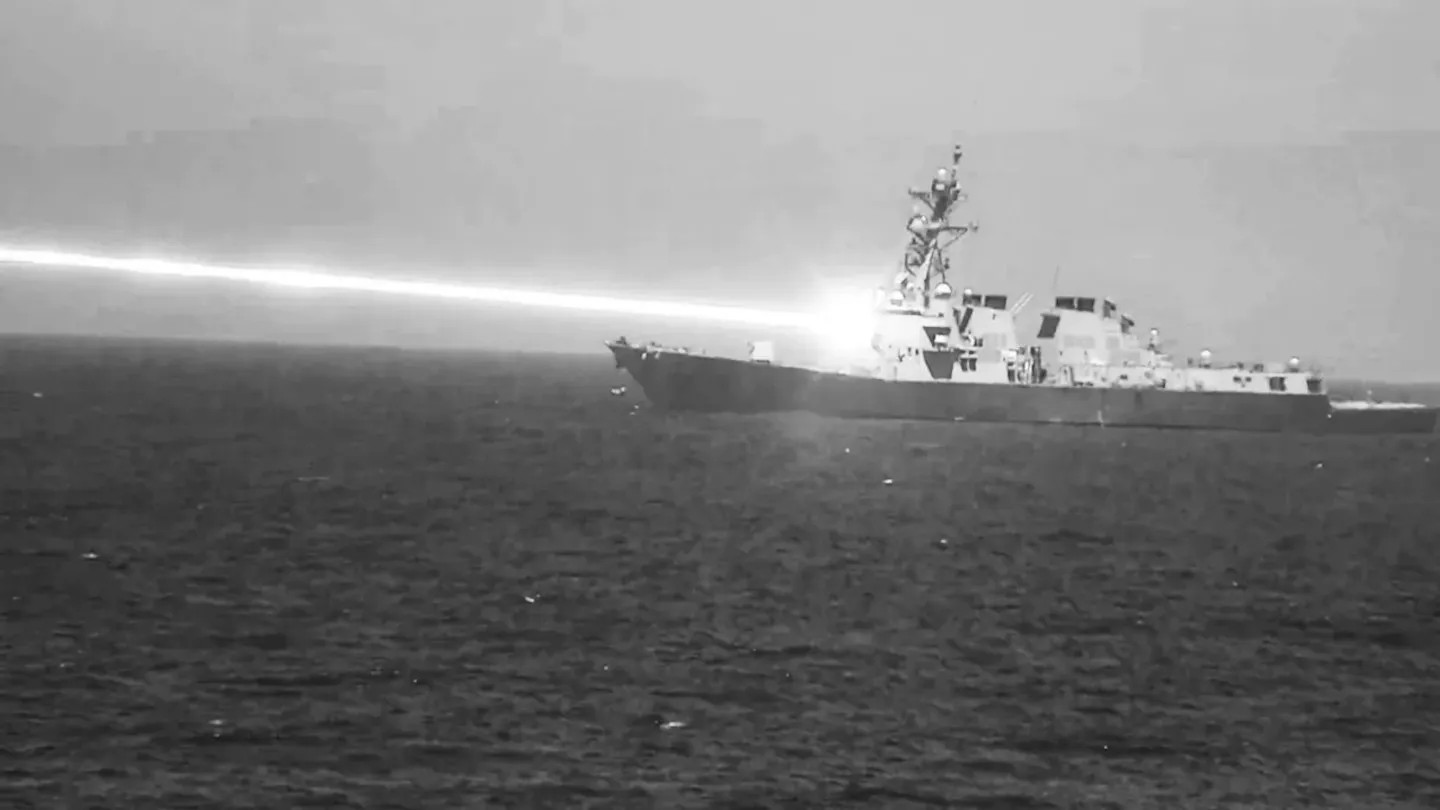
While the Navy has been very active in developing and fielding laser directed energy weapons, this is another area where the service has faced continued challenges in expanding their operational use. The plans for the Trump class specifically call for a 300-kilowatt-class laser, which is far more powerful than any of the designs the Navy has integrated on its warships to date. The service currently has eight Alreigh Burke class destroyers with the Optical Dazzling Interdictor, Navy (ODIN), as well as another one of those warships with the High Energy Laser with Integrated Optical-dazzler and Surveillance (HELIOS). HELIOS is a 60-kilowatt-class design, though there has been talk about scaling up its power rating to 150 kilowatts. ODIN’s power rating does not appear to be officially confirmed, but it is understood to be significantly lower than that of HELIOS. You can read more about all of this here.
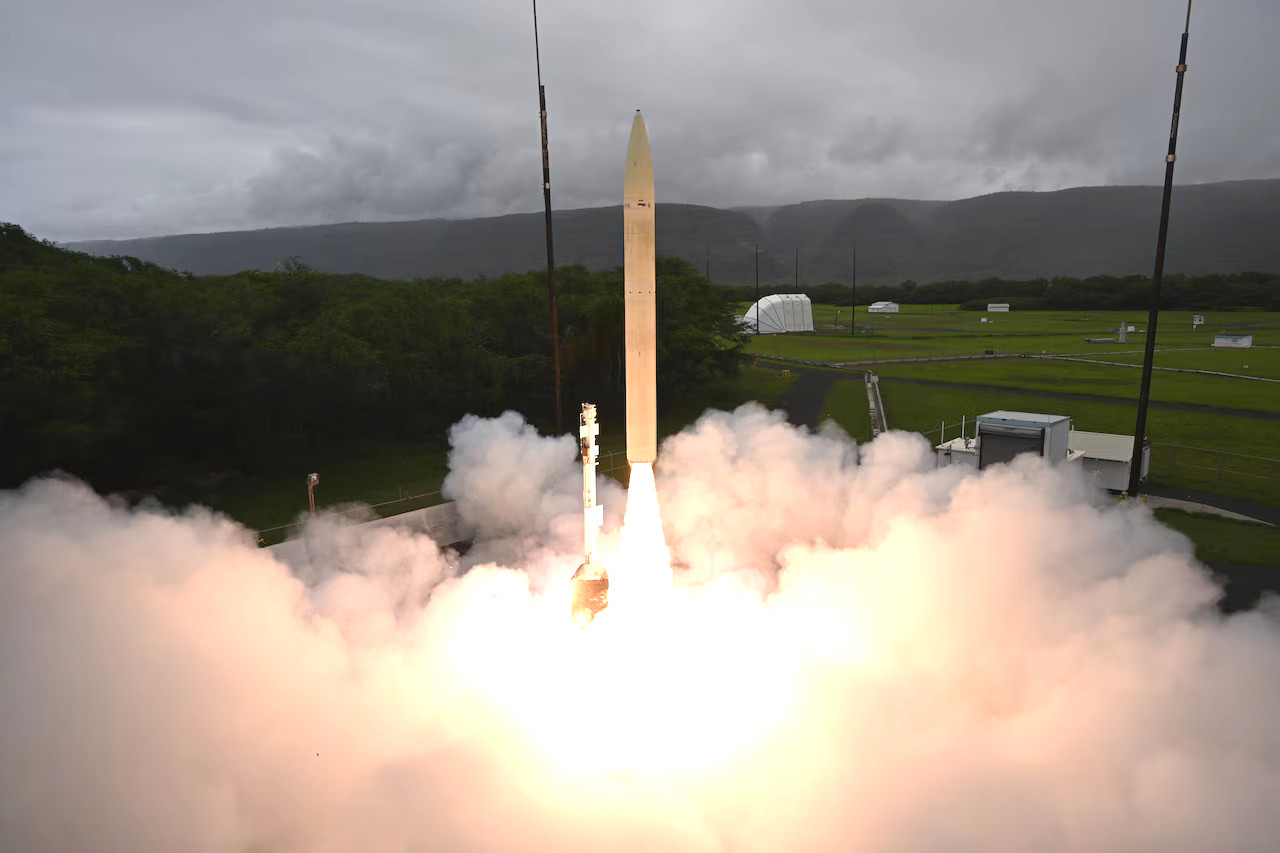
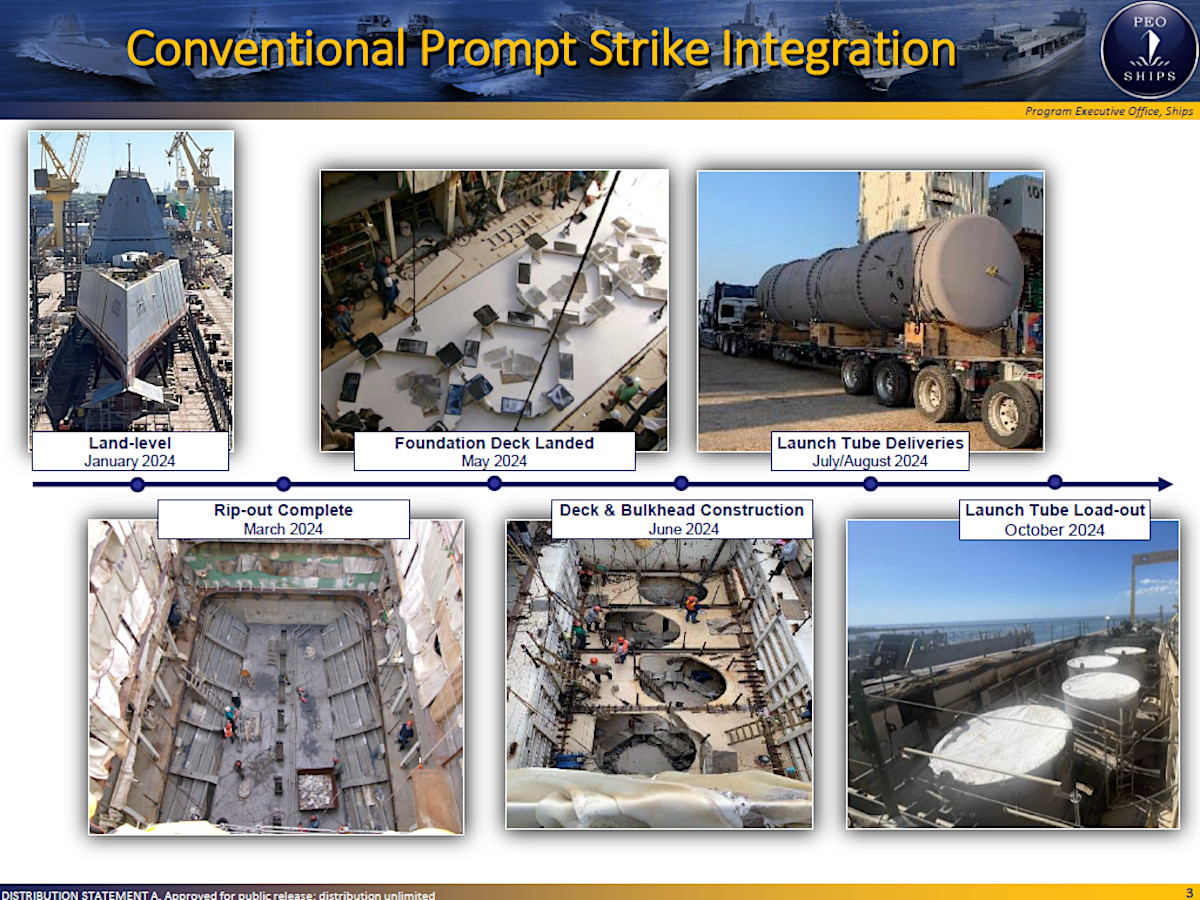
The Intermediate Range Conventional Prompt Strike (IRCPS) hypersonic missile, another key component of the future Trump class arsenal, is also still in development. The first test launch from a warship, the stealth destroyer USS Zumwalt, is expected to come next year. IRCPS is the Navy half of a joint program with the U.S. Army, which is working to field a land-based version of the same missile. The Army refers to its complete weapon system as the Dark Eagle. The Army had suffered significant setbacks in the past with the Dark Eagle, but the service had blamed those issues on the launcher rather than the missile.
More context about what planned weapons systems for the Trump class may have prompted the House Armed Services Committee to include this section in the draft NDAA are likely to emerge as the proposed bill is refined. Nuclear propulsion and other planned aspects of the ship could present their own challenges during development and production. The U.S. Navy has not procured a nuclear-powered surface combatant of any kind since the Cold War.
For its part, the Navy has said it will leverage significant prior work on weapons and other systems to help reduce risk and ensure the battleship program remains on schedule.
“We intend to, with all we can do, use pull-through technologies, [including] things from that we’ve worked on with DDG(X),” Chief of Naval Operations Adm. Daryl Caudle said at a hearing earlier this month. “It will have the SPY-6 radar. It will have the Baseline 10 Aegis combat system. It will pull through, of course, the A1B Ford class reactor plant and all the design that goes with that. The only thing inherently new to it will be the actual hull itself, and so most of the fixtures in it. And I would say the directed energy [weapons] and up gunning, that will also be new.”
One of the “mistakes that we’ve done before, quite frankly,” is “we’ve started to build before the design is mature enough,” the CNO also said at a roundtable on the sidelines of the Navy League’s Sea Air Space 2026 in April. “And we want to make sure that we’re at [sic] least a very, very high level – I won’t try to give a percentage, but you can think like 80% or more design – before the first weld is done.”
The Navy is understood to still be in the very early phases of laying out the Trump class design.
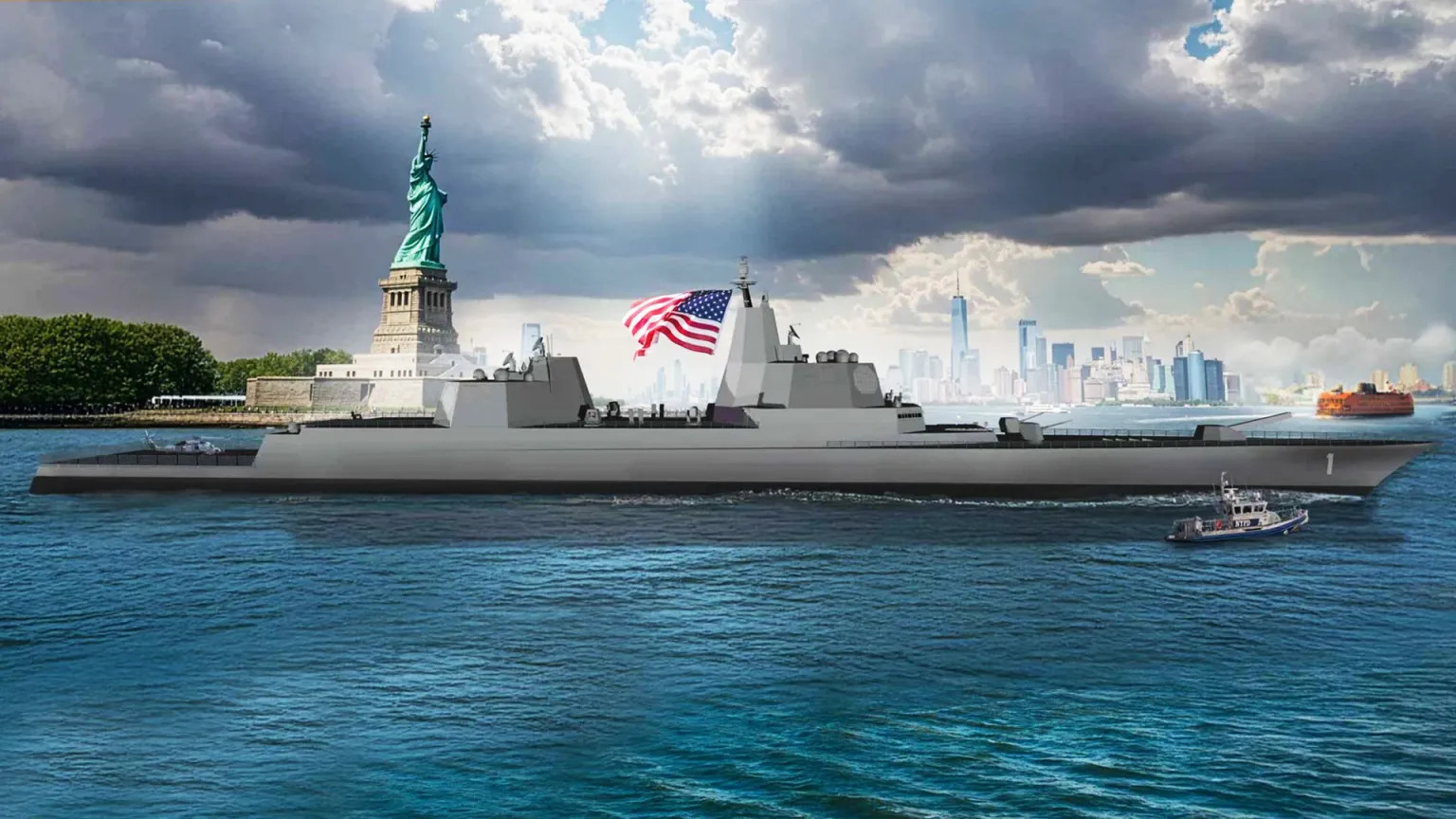
The provision in the draft NDAA could easily delay the start of work on the first of these battleships, which could set back the entire schedule for the program. As it stands now, the Navy is looking to order the lead ship, set to be named the USS Defiant, in Fiscal Year 2028. With an estimated price tag of $17 billion, this ship would cost more than each of the next three Ford class aircraft carriers, and is not expected to enter service in 2036. The Navy also currently plans to buy 14 more battleships between Fiscal Years 2029 and 2055. As TWZ has previously explored in detail, many significant questions remain about the future of the Trump class, including whether the program will ultimately come to fruition at all.
Plans for future FF(X) frigate subvariants
In its current form, the draft NDAA would also require the Secretary of the Navy to “submit to the congressional defense committees a strategy for the iterative development of the FF(X) class frigate” within 180 days of the bill becoming law. The Secretary would also be compelled to provide a briefing to update legislators on their progress in devising this strategy within 90 days.
The strategy would have to include the following:
- “Information on the estimated timeline for each planned variant (commonly known as a ‘‘Flight’’) of the FF(X) class frigate”
- “Details on the integration of additional capabilities for future Flights of the frigate, such as vertical launch systems or improved sensors, and implications for the space, weight, power, and cost of the hull form.”
- Any additional mission sets or combat functions that may be added to the concept of operation for FF(X) class frigates.”
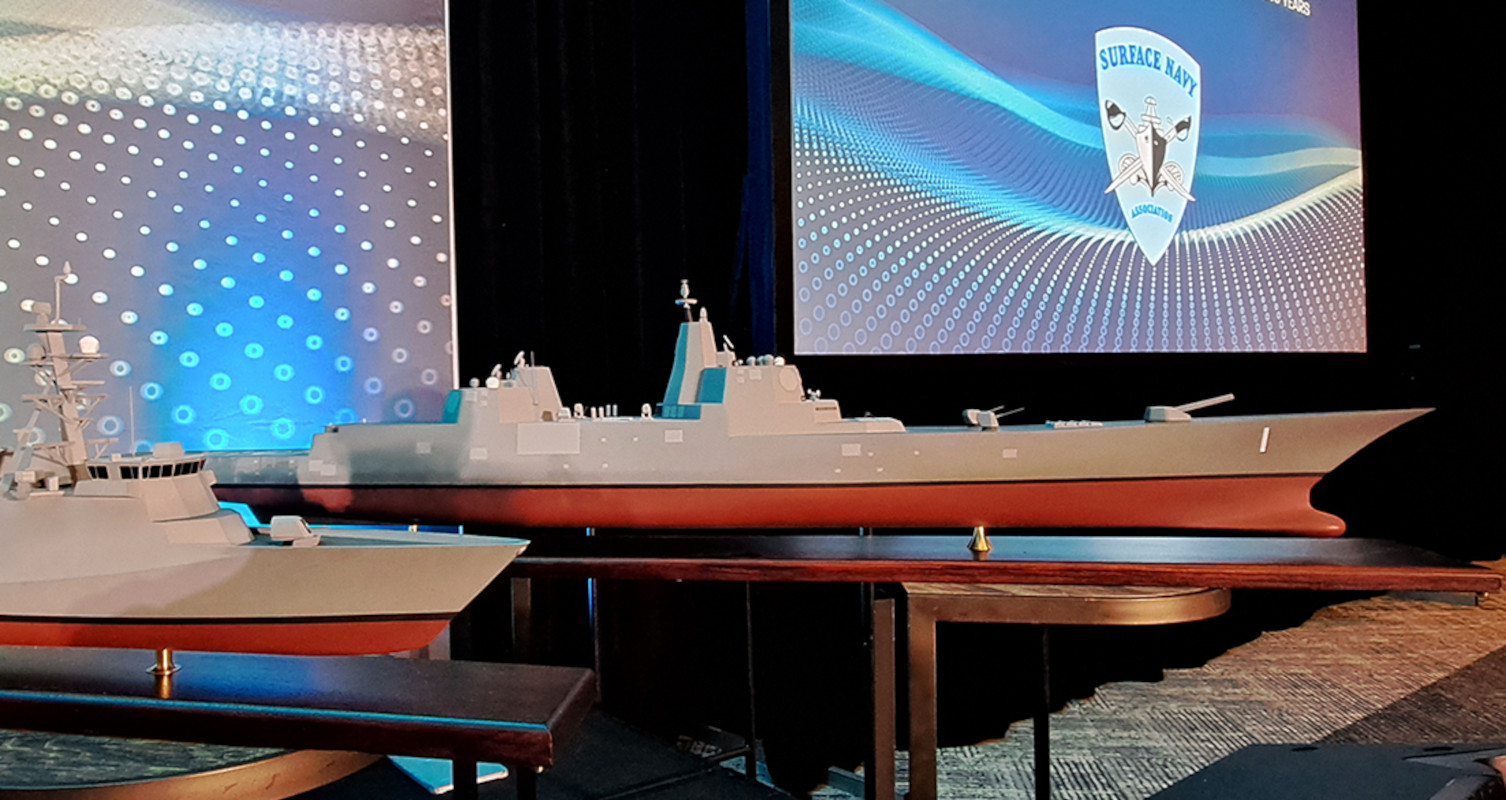
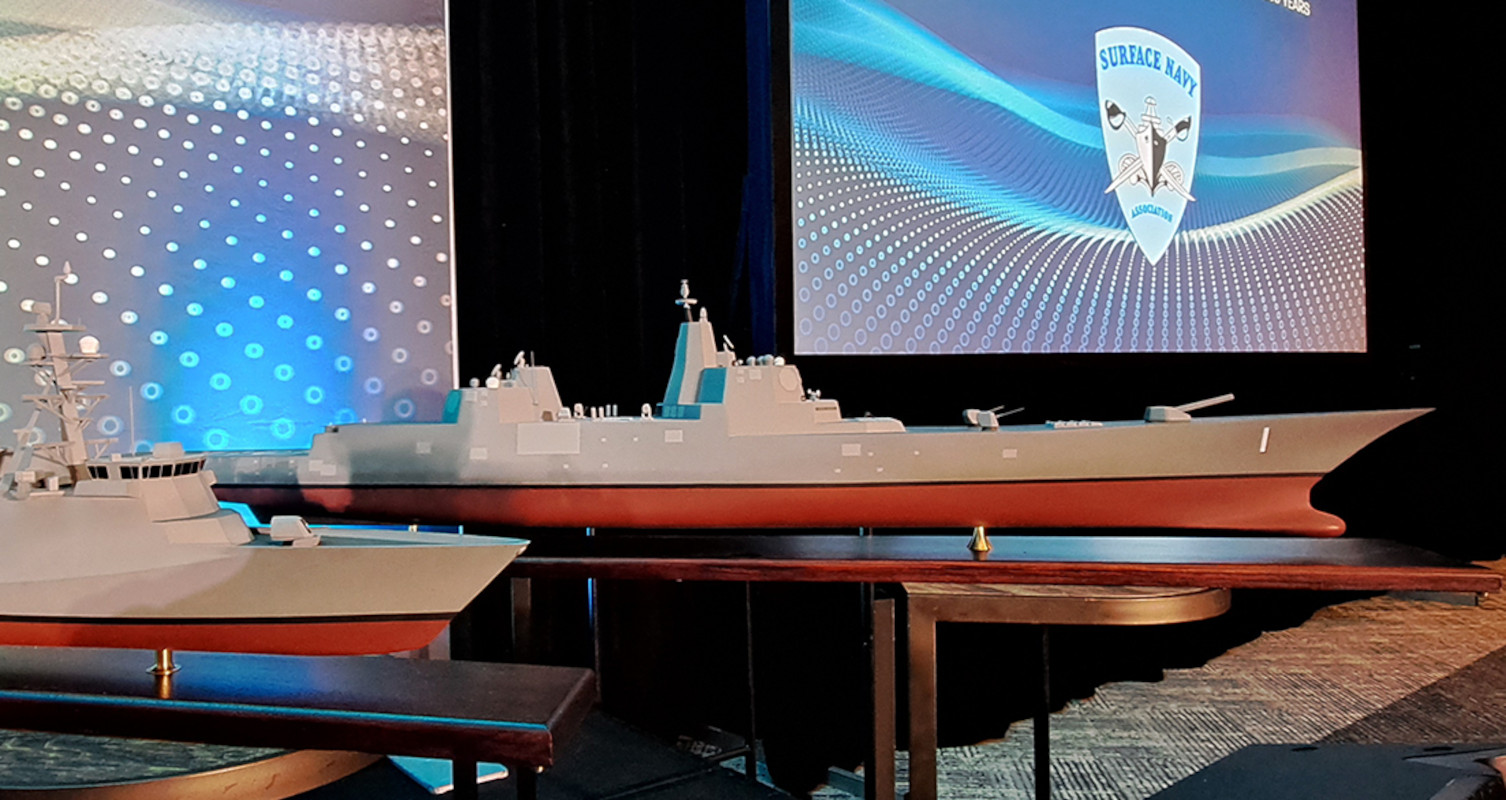
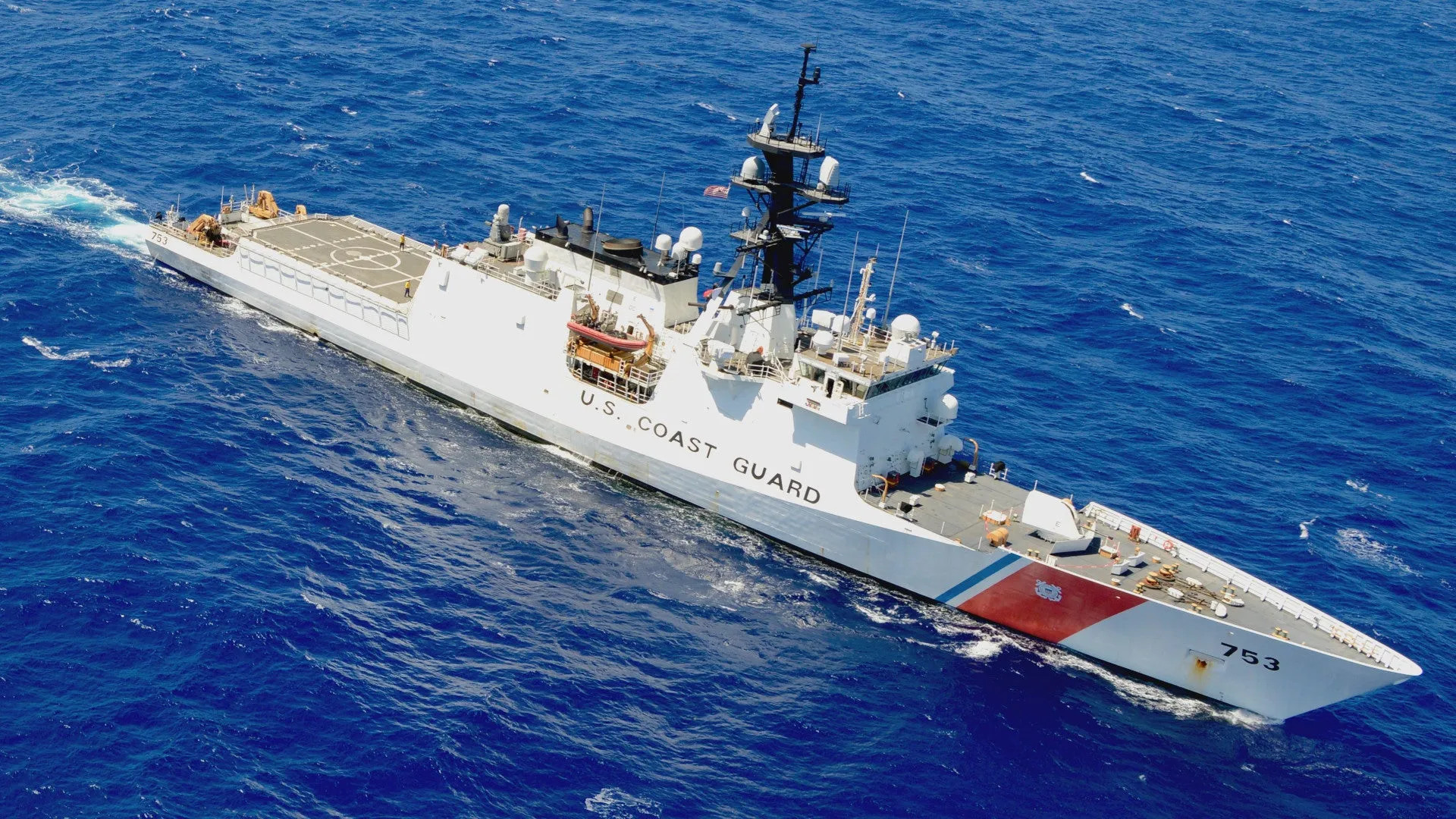
The Navy has already confirmed that the FF(X) design will based on that of the Legend class cutter currently in service with the U.S. Coast Guard. As mentioned, the fact that the first of these frigates, at least, will lack a VLS array has raised significant questions about this program.
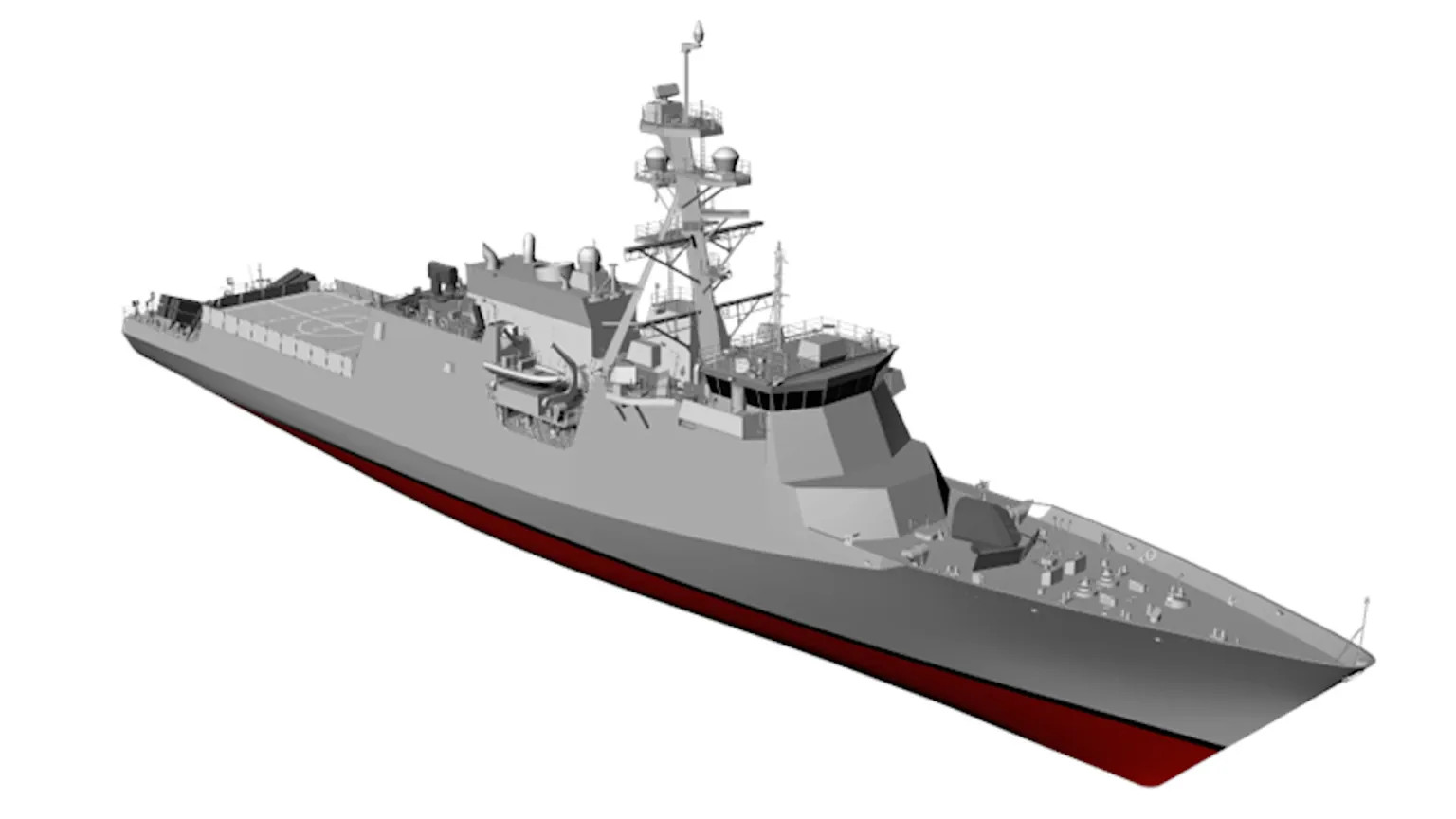
The FF(X) configuration that has been shown so far will have essentially the same integrated armament as the Navy’s much-maligned Littoral Combat Ships (LCS). The limitations of both subclasses of LCS explicitly led the Navy to pursue the Constellation class frigate. Despite the Constellation class being based on the established Franco-Italian Fregata Europea Multi-Missione (FREMM; European Multi-Mission Frigate in English), repeated design changes turned the program into a boondoggle. It was finally cancelled last November.
The Constellation class would have featured a 32-cell Mk 41 VLS array. There had already been a debate about whether this was sufficient VLS capacity to meet operational requirements, something TWZ previously explored in detail.

The Navy’s current stated vision for the Flight I FF(X) configuration is to utilize containerized weapons and other systems to make up for gaps in integrated capabilities. The frigates are also expected to act as motherships for future fleets of uncrewed surface vessels, which could provide additional distributed weapons and sensor capabilities and capacity.
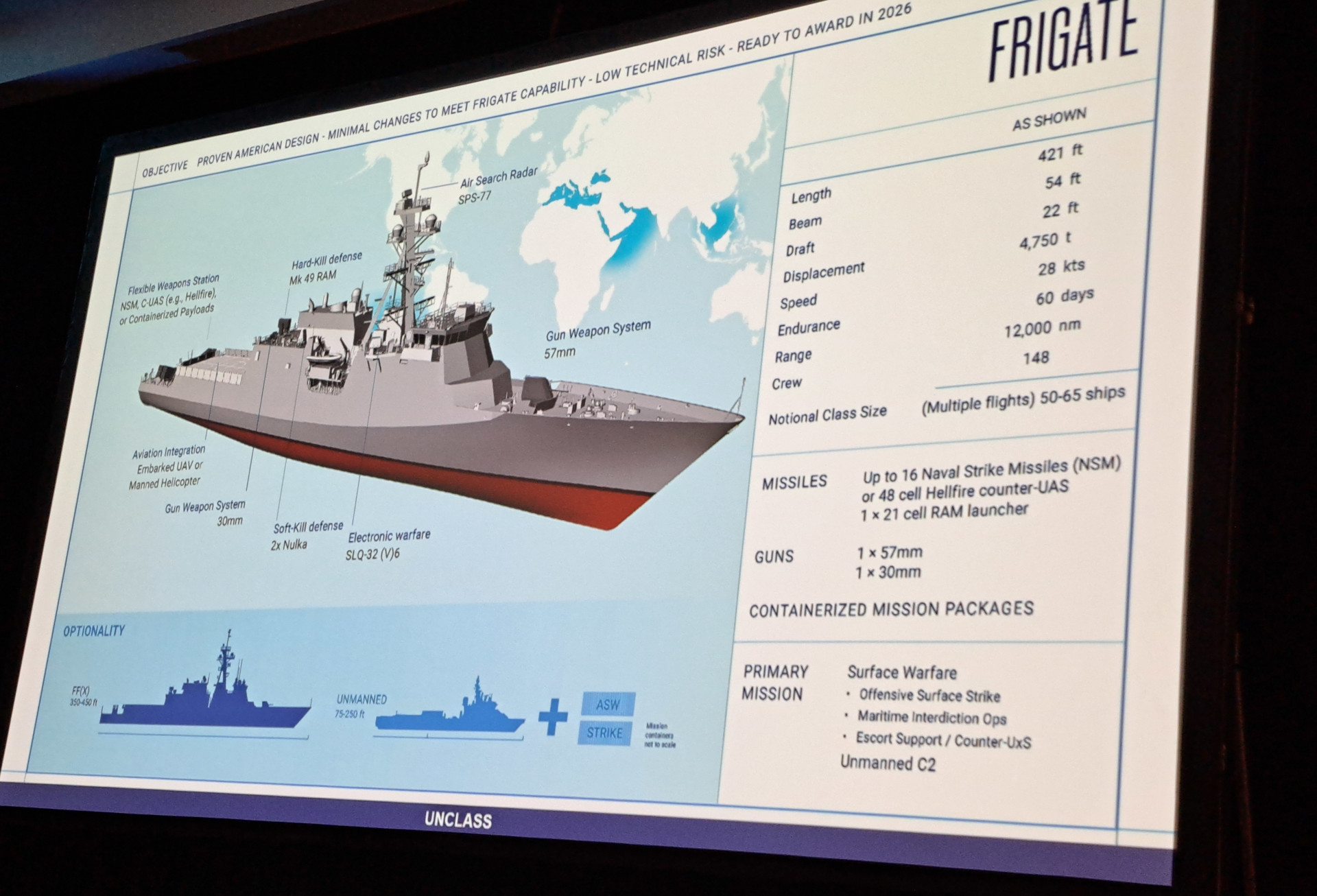
“While Flight I of the FF(X) Class (currently planned as at least the first 2 ships) does not incorporate a traditional fixed VLS battery, it retains the capability to deploy VLS-equivalent payloads through modular, mission-tailored configurations,” according to the Navy’s 2027 Fiscal Year budget request. “This approach provides an inherent growth path for VLS and other capabilities through containerized solutions in early flights, reinforcing the platform’s adaptability while mitigating cost, schedule, and integration risks associated with fixed VLS installation.”
A containerized VLS, in particular, would be far more limited in capacity than a traditional built-in Mk 41 and Mk 57 array.
At the same time, the Navy’s budget documents make clear that there are already plans for “studies for future flights [that] will consider expanded capabilities including Vertical Launch Systems, and Anti-Submarine Warfare systems.”
Huntington Ingalls Industries (HII), the shipbuilder behind the Legend class design on which the FF(X) will be based, has shown multiple concepts for derivatives with integrated VLS arrays and other additional capabilities in the past, as seen in the video below.
Patrol Frigate Variants – Information Video
When it comes to the battleship and FF(X) provisions in the draft NDAA, it is also important to remember that this legislation is not yet finalized and could easily change in the weeks and months ahead. The House’s version of the bill will also need to be reconciled with what the Senate puts forward, a process often marked by lengthy negotiations. The House and Senate will both need to pass the finalized version, and then the President has to sign it into law.
As the name makes clear, the battleship program is of particular significance to President Donald Trump, which will be an important factor in these processes. Even before his first term, Trump had expressed interest in returning battleships to the Navy’s combat fleets, but there had been no indications of any formal moves to pursue this ship before last year. With the schedule the Navy has laid out now, major decisions about how to proceed in the production of these ships, if at all, will fall to the next administration. There are already massive competing priorities, and some members of Congress have already questioned whether the battleship effort is the best use of available resources.
It’s also worth noting here that Trump has long been very outspoken when it comes to Navy shipbuilding design decisions, especially from an aesthetic perspective.
House Armed Services Committee has at least taken steps now toward putting a hold on production of the first Trump class battleship until it is confident that key weapon systems are mature, as well as pushing the Navy to lay a formal plan for future versions of the FF(X) frigate.
Contact the author: joe@twz.com
editor's pick
latest video

news via inbox
Nulla turp dis cursus. Integer liberos euismod pretium faucibua