The Tiny Chipmunk Trainer Was The Cold War’s Most Unlikely Spyplane
On the 80th anniversary of the first flight of the de Havilland Canada Chipmunk basic trainer, an aircraft that generations of British and other military pilots learned to fly on, it’s worth recalling perhaps the most unusual episode of its career. Between 1956 and 1990, a handful of these propeller-driven trainers kept watch on Warsaw Pact forces in the divided and heavily fortified city of Berlin — a front line of the Cold War.
One of the two Chipmunks flown last week by the Battle of Britain Memorial Flight is WG486 — formerly attached to the RAF Gatow Station Flight for intelligence-gathering flights over Berlin:
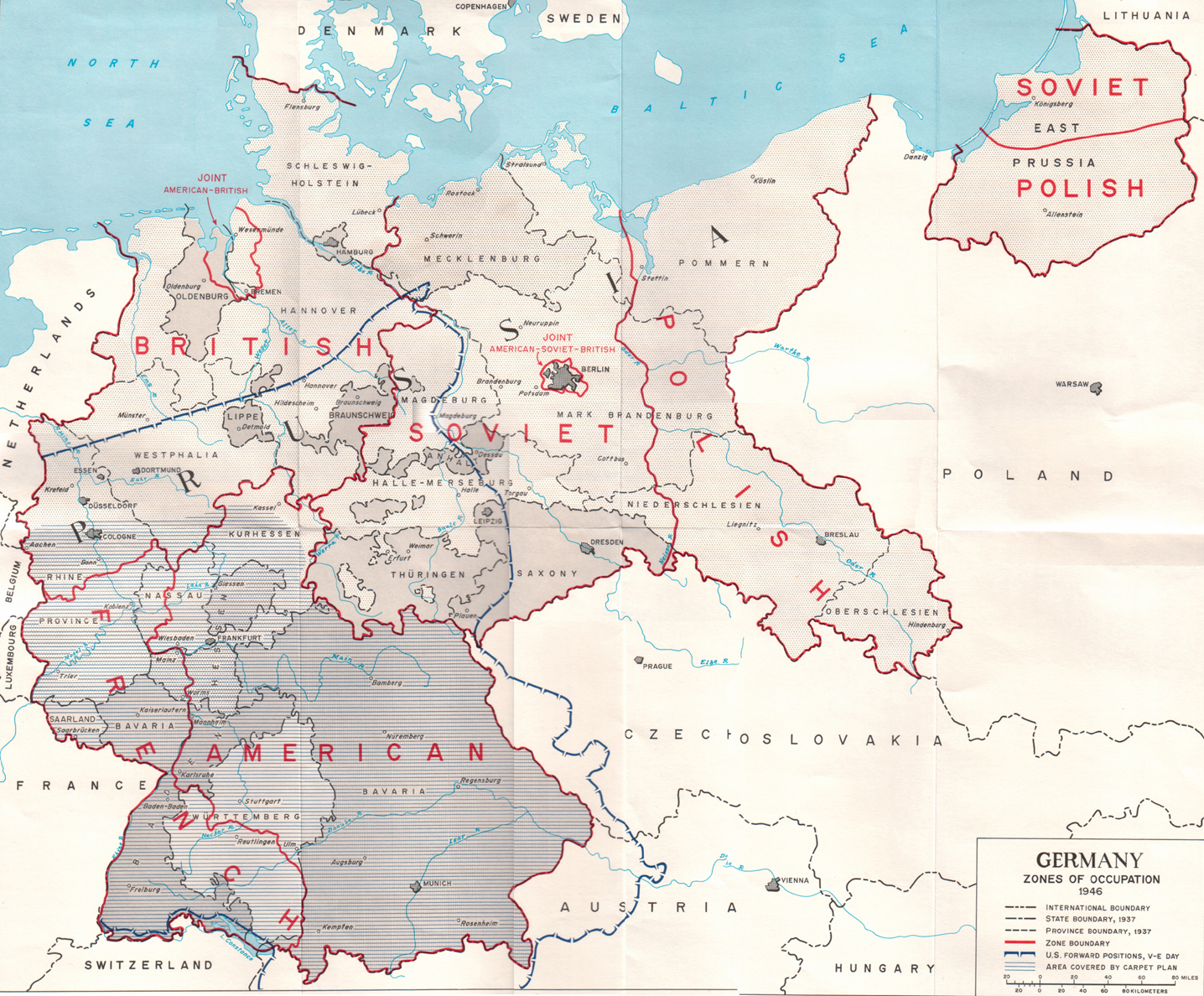
At the end of World War II, defeated Germany was left divided between the Allied powers of France, the Soviet Union, the United Kingdom, and the United States. The division of the country also extended to the former capital, Berlin, which was left deep within the Soviet occupation zone. Under the quadripartite agreement, the Western Allies retained the right of access to Berlin, using land and air corridors running into the Western occupied zones of Germany.
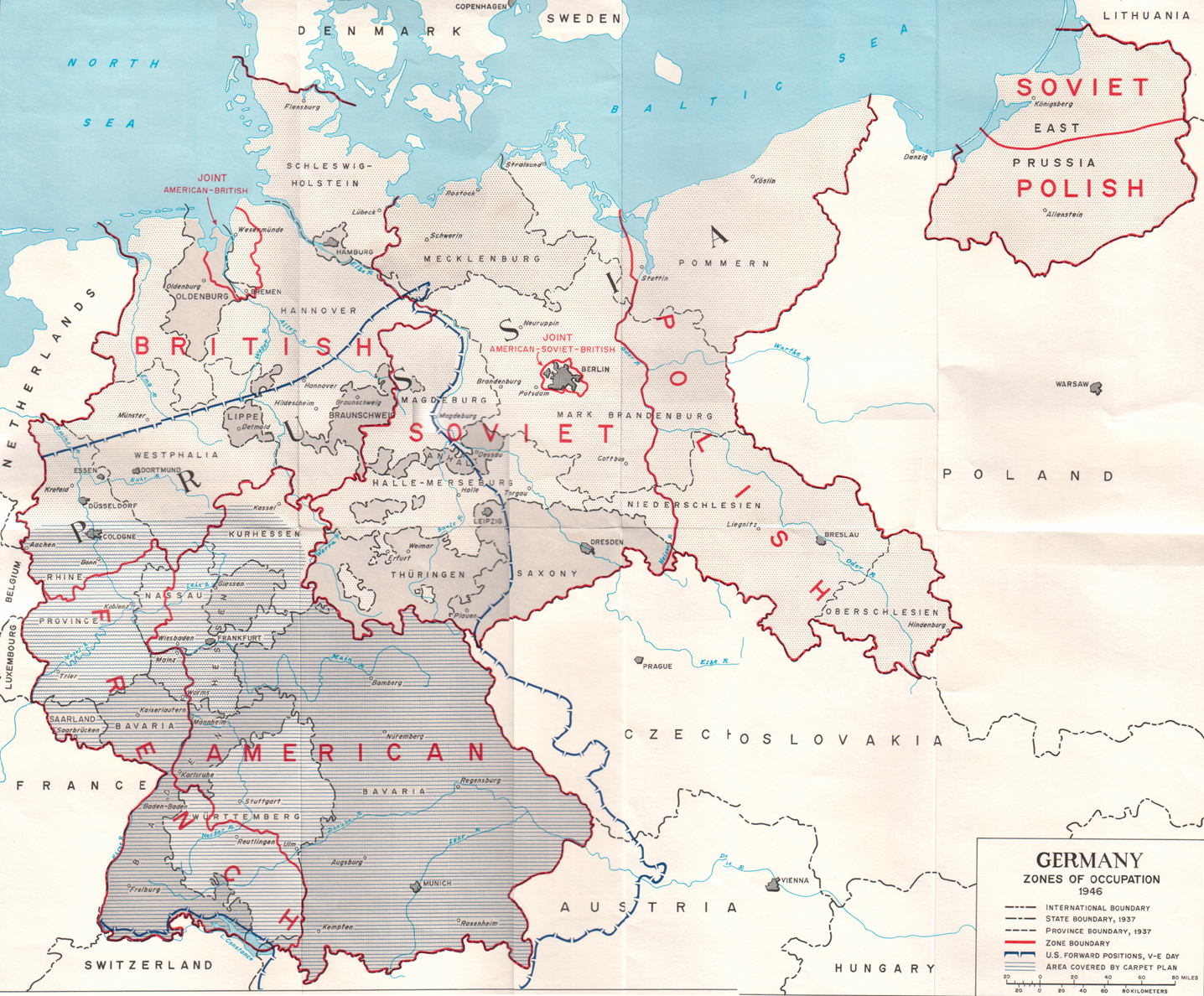
The quadripartite agreement also included provisions for the Allied powers to maintain ‘liaison missions.’ Formally, these were supposed to ensure communications between the Western Allies and the Soviets. In practice, they soon became a critical way of gathering intelligence, especially since the Western missions were permitted to move, relatively unimpeded, in the Soviet zone, which would later become East Germany. The same applied to the Soviets in the West. For the British, the liaison mission was known as the British Mission to Soviet Forces in Germany (BRIXMIS), and it was based in Potsdam, just outside Berlin.
Meet The Real Cold War Spies Of BRIXMIS • FULL DOCUMENTARY | Forces TV
The agreement also ensured access to West Berlin for the Western Allies, flying through three air corridors in and out of the city. Each of the Western Allies had an airport in the city, with the British using RAF Tegel. These corridors were full of transport activity during the Berlin Airlift of 1948-49, when the Soviets attempted to cut off the Western sectors of the city by blockade. Outside the corridors, Western Allied military aircraft could also fly over the Soviet Zone of Berlin, although this was something Moscow was never happy about.
By the mid-1950s, relations between East and West were becoming more tense, and this airspace access began to be exploited for intelligence-gathering.
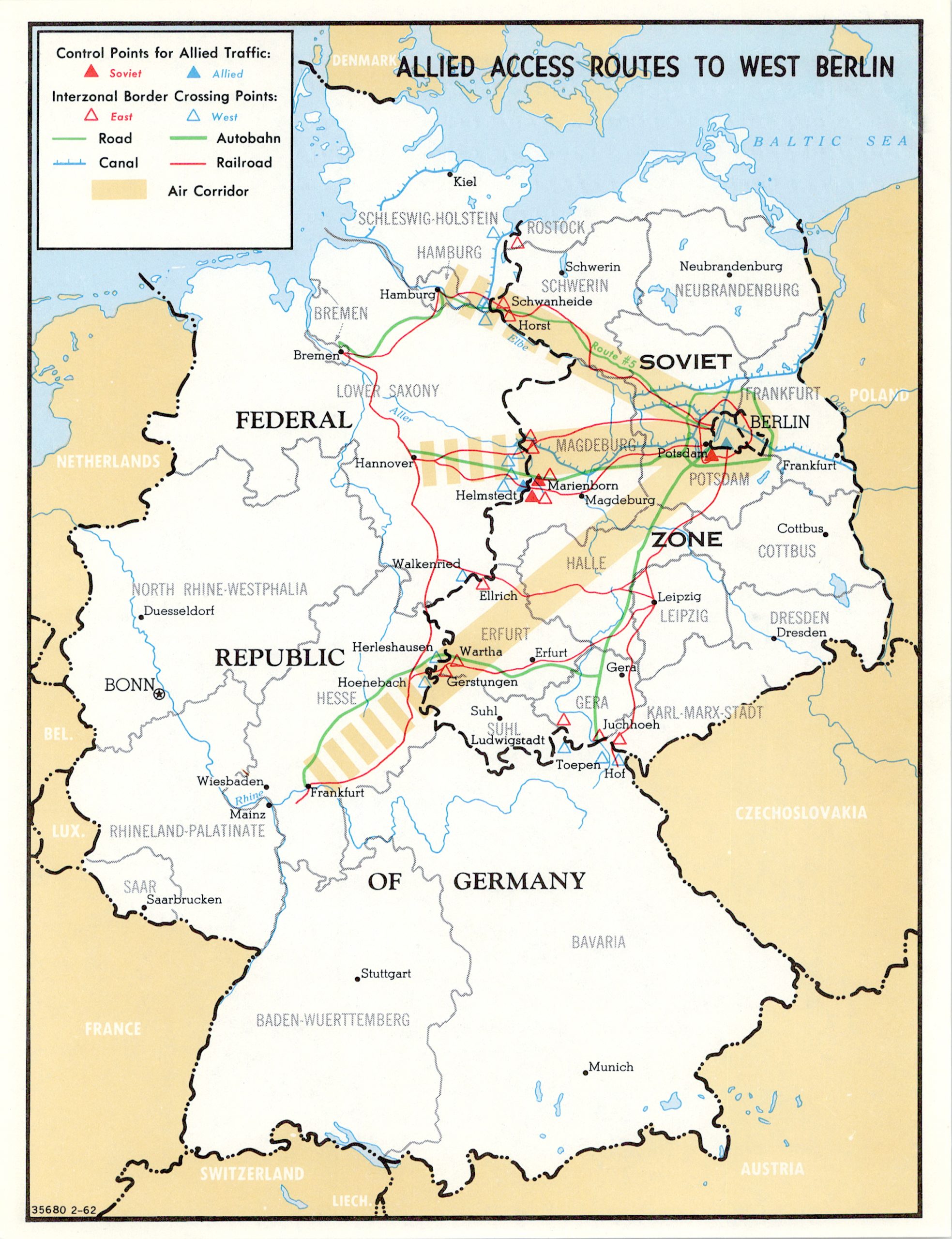
After the Berlin Airlift, the Western Allies were prohibited from flying combat aircraft in the corridors. Transport and training types, like the Chipmunk, were excluded from this rule, and in late 1956, the British launched the top-secret Operation Schooner (later renamed Operation Nylon), under which the trainers would conduct spy flights within the roughly 1,200-square-mile Berlin Control Zone.
Flying out of Gatow, the Chipmunk flights were officially for continuation training, which provided the required cover story. Actual training flights were also regularly conducted, also to preserve the cover.
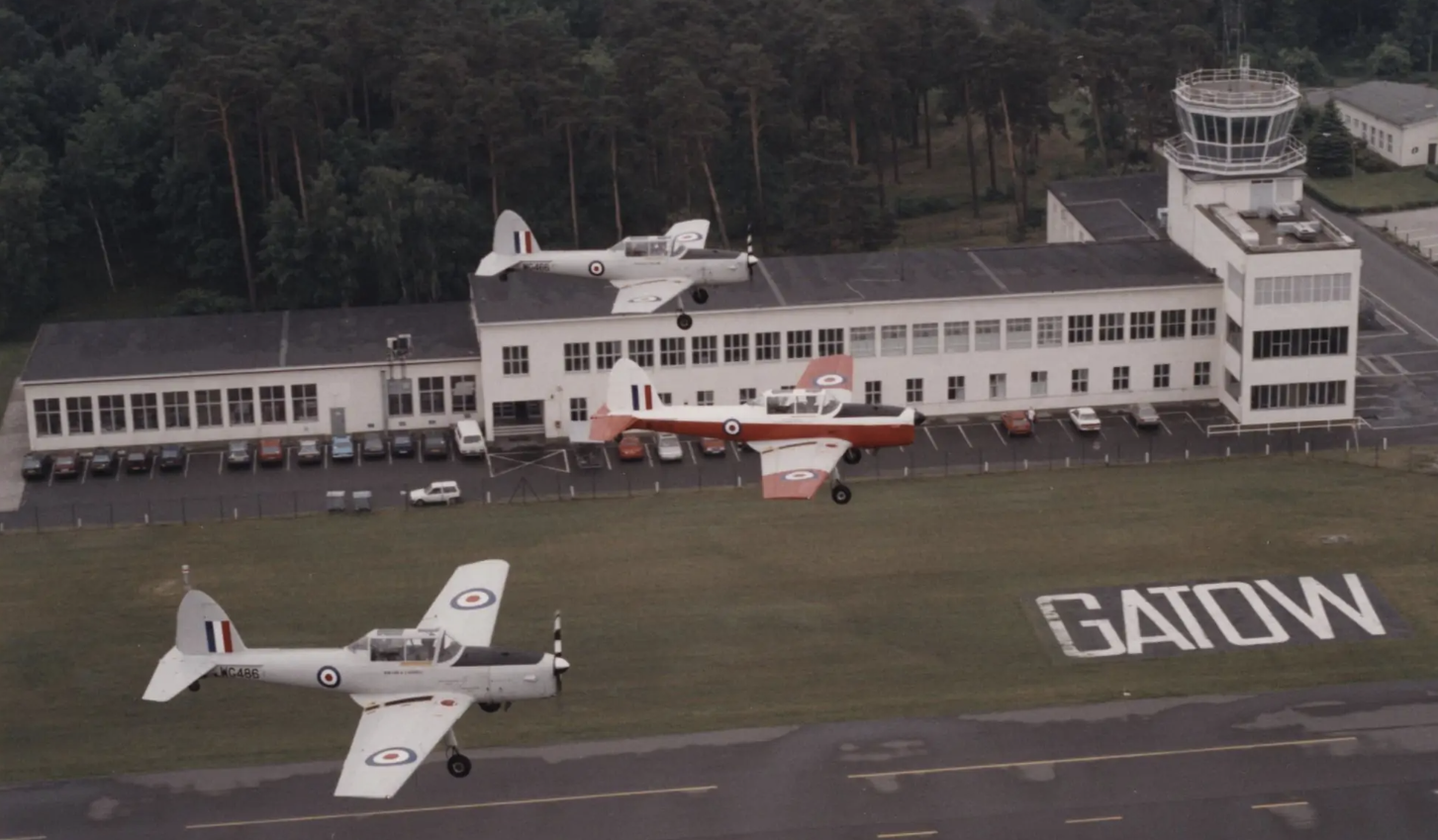
From the mid-1950s onward, East Germany rapidly became the focal point for Soviet military expansion in Europe, and the British and other Western Allies had a growing need for precise intelligence on Soviet basing, equipment, tactics — anything, in fact, that provided a better understanding of the adversary and potential warning of an attack.
The U.K. Prime Minister’s office individually approved the Chipmunk flights from RAF Gatow. Two or three sorties were typically scheduled for each week. These were flown under visual flight rules (VFR) — so only in good weather — and not above 1,500 feet. The quadripartite Berlin Air Safety Center, which ensured the security of flights in the Control Zone, was notified in advance, and each flight was planned to last around three hours.
The primary ‘targets’ were the numerous Soviet military installations located within the Berlin Control Zone. The Soviet controller within the Berlin Air Safety Center, not coincidentally, often stamped the flight request card with the words “Safety of Flight Not Guaranteed.”
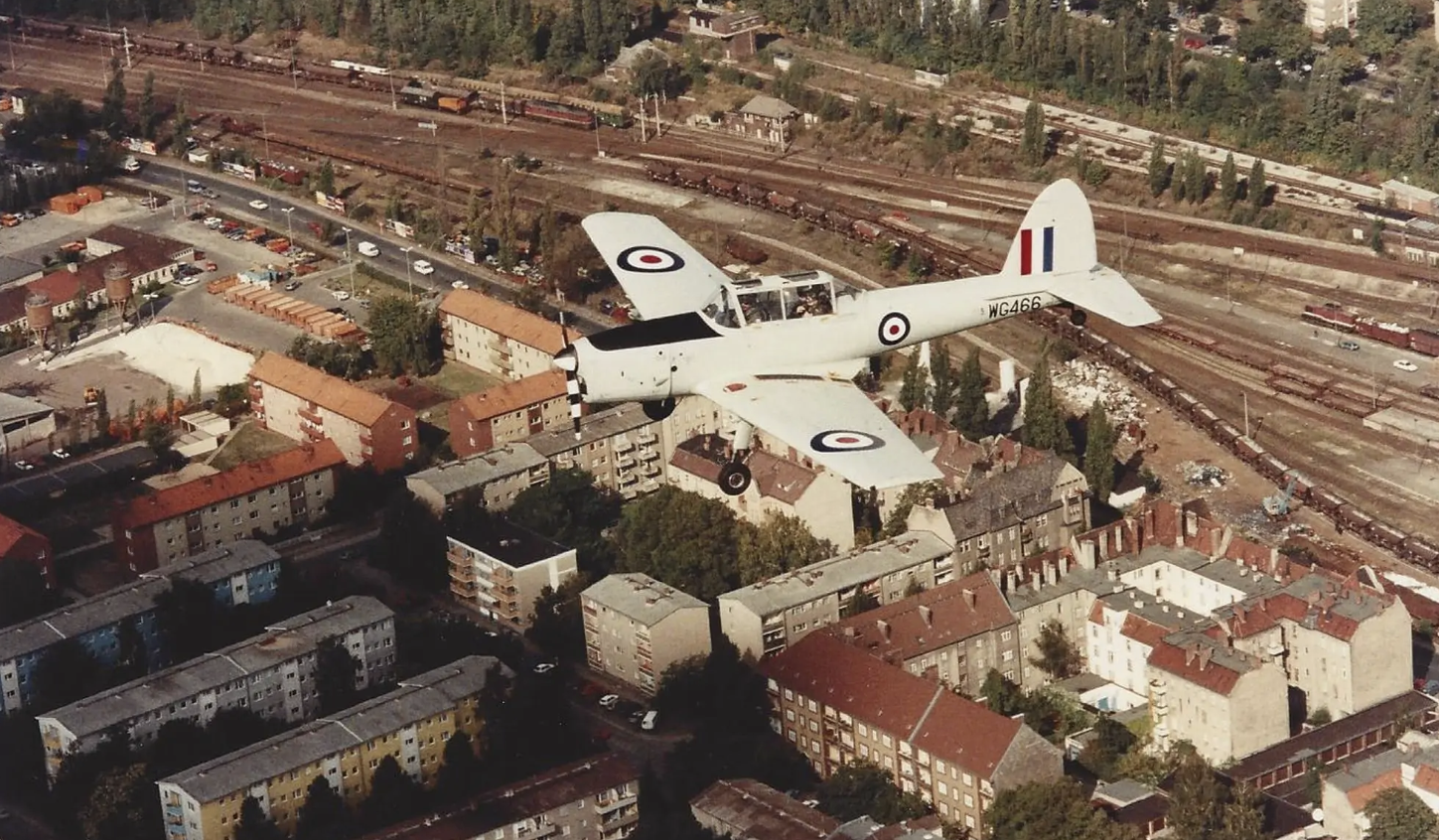
Mission equipment, at first, was a handheld camera, operated by a BRIXMIS member in the front cockpit of the Chipmunk, with the RAF pilot sitting behind. Each sortie required careful preparation, with the crew wearing oxygen masks at all times to prevent their identification. They would climb aboard the aircraft inside a hangar, with the cameras already loaded, and the engine would be started behind closed doors. After all, Soviet ‘watchers’ were posted around Gatow, and observation towers overlooked the base.
Though the Soviets were well aware of the real nature of these flights (once, according to one BRIXMIS account, a camera lens was accidentally dropped from an open cockpit onto a busy parade ground), the quadripartite agreement provided diplomatic immunity to the Royal Air Force pilots. Nevertheless, Moscow was upset about any Western flights outside of West Berlin, and harassment of aircraft was hardly rare. At least once, a Chipmunk was damaged by groundfire from a Soviet infantryman.
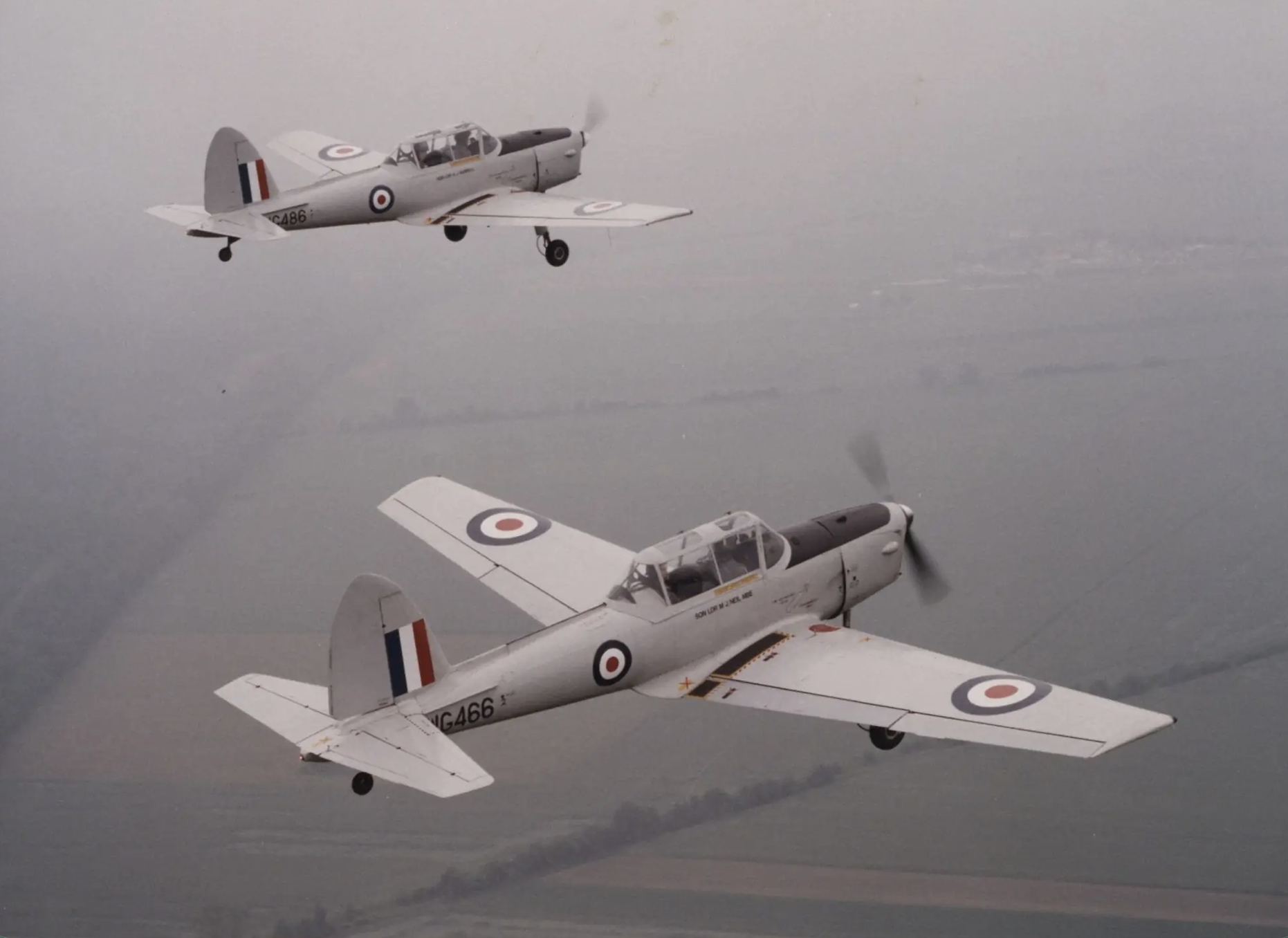
The importance of Schooner/Nylon increased as the Soviets made efforts to conceal their military activity in East Germany. To try to avoid the eyes of the liaison missions, they set up more Permanent Restricted Areas (PRA) — another provision of the quadripartite agreement. Within the Berlin Control Zone, the Chipmunks had access to several major Soviet divisional HQs, including some of its best-equipped and highest-readiness forces.
The construction of the Berlin Wall in 1961 underscored the East-West standoff and led to the Soviets further bolstering their military presence in and around the city, including new air defense missiles and surface-to-surface sites. According to some accounts, Chipmunks were among the first assets to bring back evidence of the extent of the border closures enacted by the Soviets in August 1961.
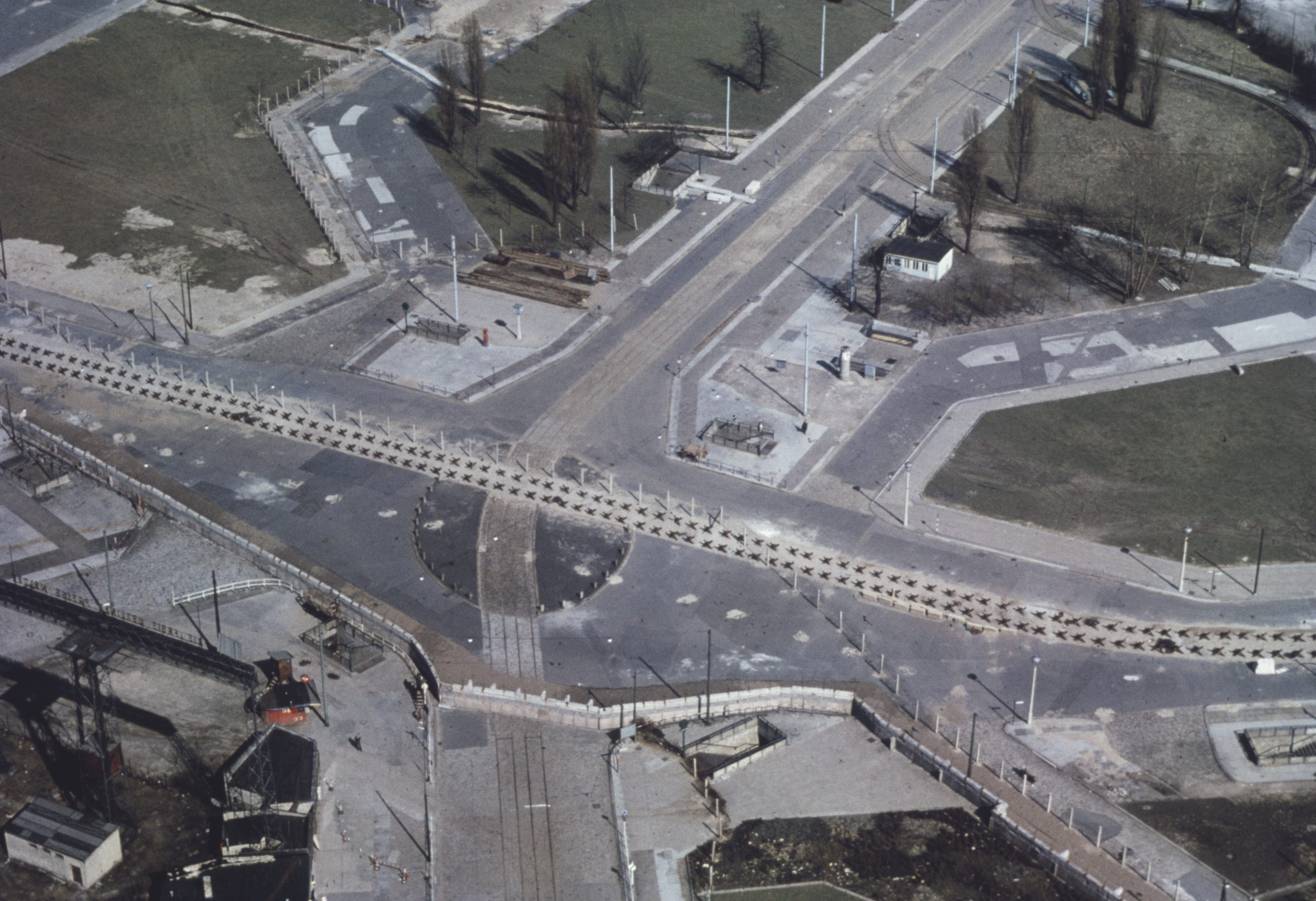
By the end of the 1960s, one of the Gatow Chipmunks had received a permanent camera installation, and both got new radios. According to one pilot, the new camera was powerful enough to “record the maker’s name from the inside of a tank if the turret was open.”
On one occasion, a BRIXMIS member recalled being intercepted and closely followed by a Soviet Mi-24 Hind attack helicopter, which escorted the Chipmunk from the Soviet helicopter base at Oranienburg to the north of Berlin.
Right at the very edge of the Berlin Control Zone was an especially interesting ‘target,’ the Soviet airbase at Werneuchen. This was latterly home to MiG-25 Foxbat reconnaissance jets, and it also hosted periodic deployments of Soviet long-range bombers. It was also deep within a PRA, making ground access very difficult. The Chipmunks would fly close enough to photograph every aircraft on the flight line, aware that if they strayed beyond the main runway centerline, they would be outside the Berlin Control Zone and would be shot down.
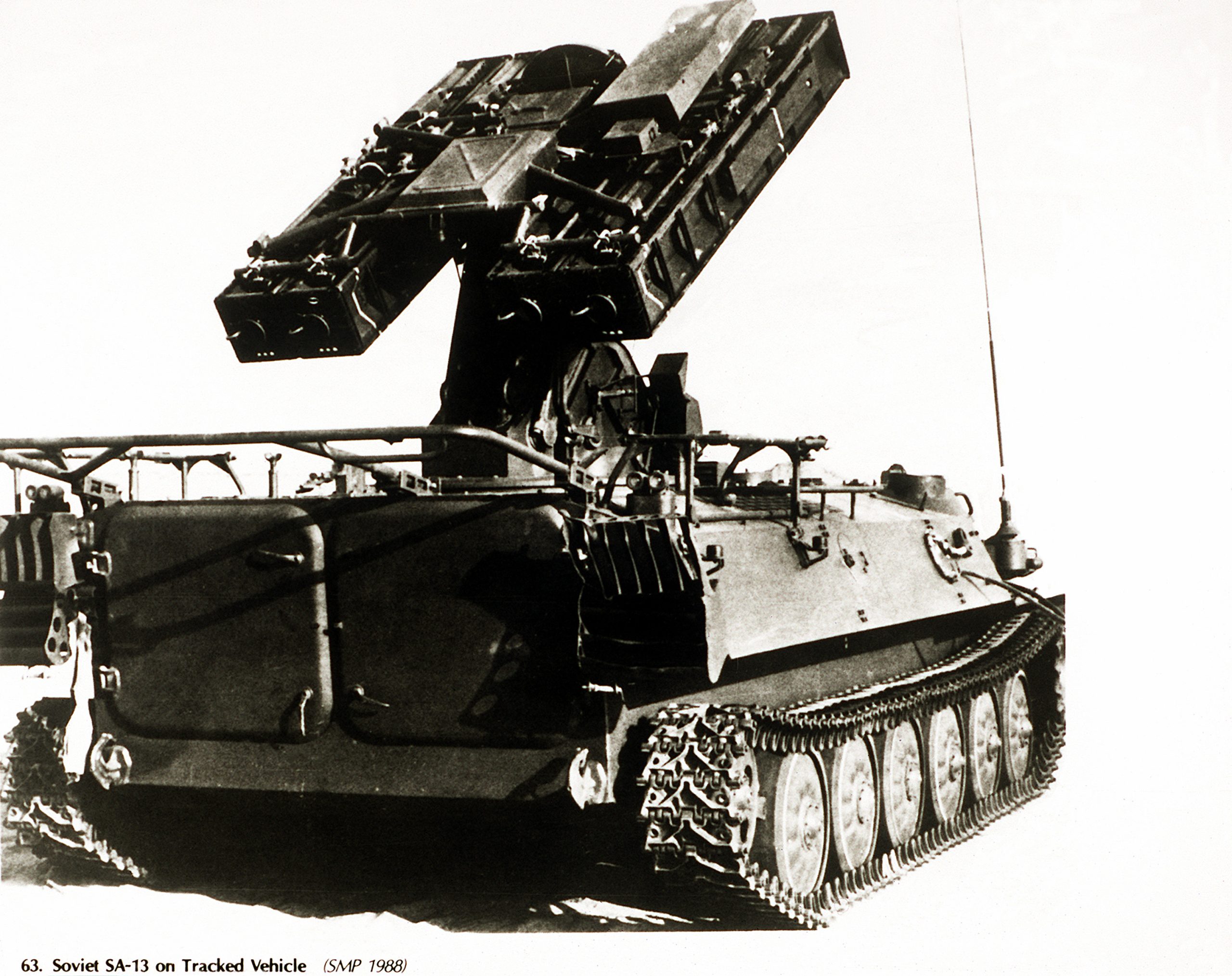
Also connected to Werneuchen and even more remarkable in terms of mission equipment is the fact that at least one Chipmunk was fitted with electronic intelligence (ELINT) gear. This modification was approved by the U.K. Prime Minister in 1981 but was only revealed by aviation journalist Ben Dunnell in 2024. It is known that the ELINT equipment was used to gather information about a new Soviet battlefield radar, equipping the 9K35 Strela-10 (SA-13 Gopher) short-range air defense system. However, it was also used in at least one flight over Werneuchen. No other details of the results of these missions have ever been released.
The Chipmunks remained busy until the fall of the Berlin Wall in November 1989 heralded the end of the Cold War. Immediately before German reunification, in 1990, BRIXMIS was stood down and, with it, the need for intelligence-gathering flights came to an end. At its biggest strength, the RAF Gatow Station Flight never had more than four Chipmunks assigned.
The Gatow Station Flight remained active until 1994, when the last Chipmunk departed. Gatow finally closed as an RAF station the same year.
Last week, as the Royal Air Force marked the 80th anniversary of the classic Chipmunk trainer, it is worth remembering the unique role that the aircraft played during one of the tensest periods of recent history, during which the intelligence it helped collect helped keep the peace between East and West.
Contact the author: thomas@thewarzone.com
editor's pick
latest video

news via inbox
Nulla turp dis cursus. Integer liberos euismod pretium faucibua