What Is Behind Turkey’s Pursuit Of An ICBM?
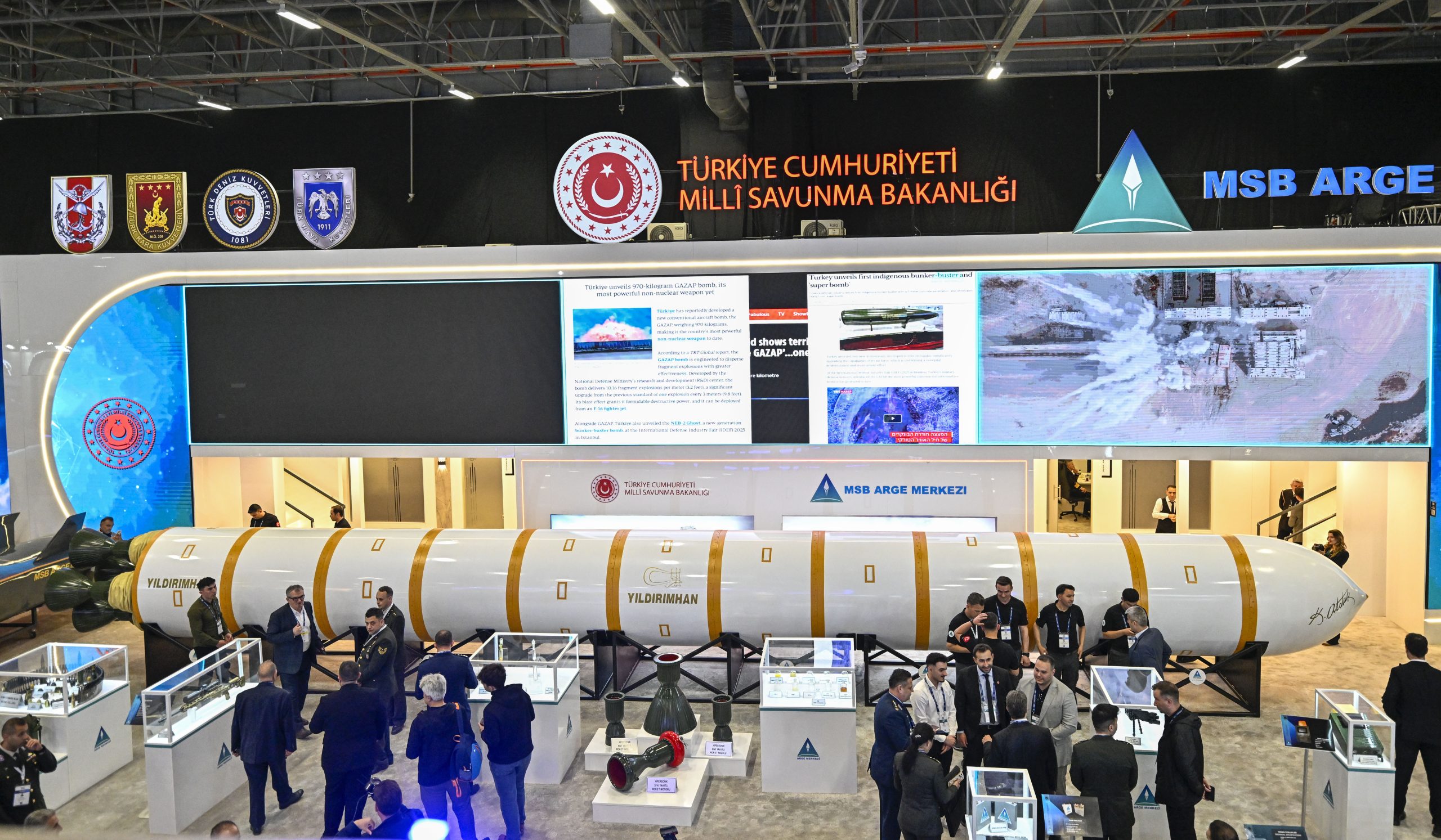
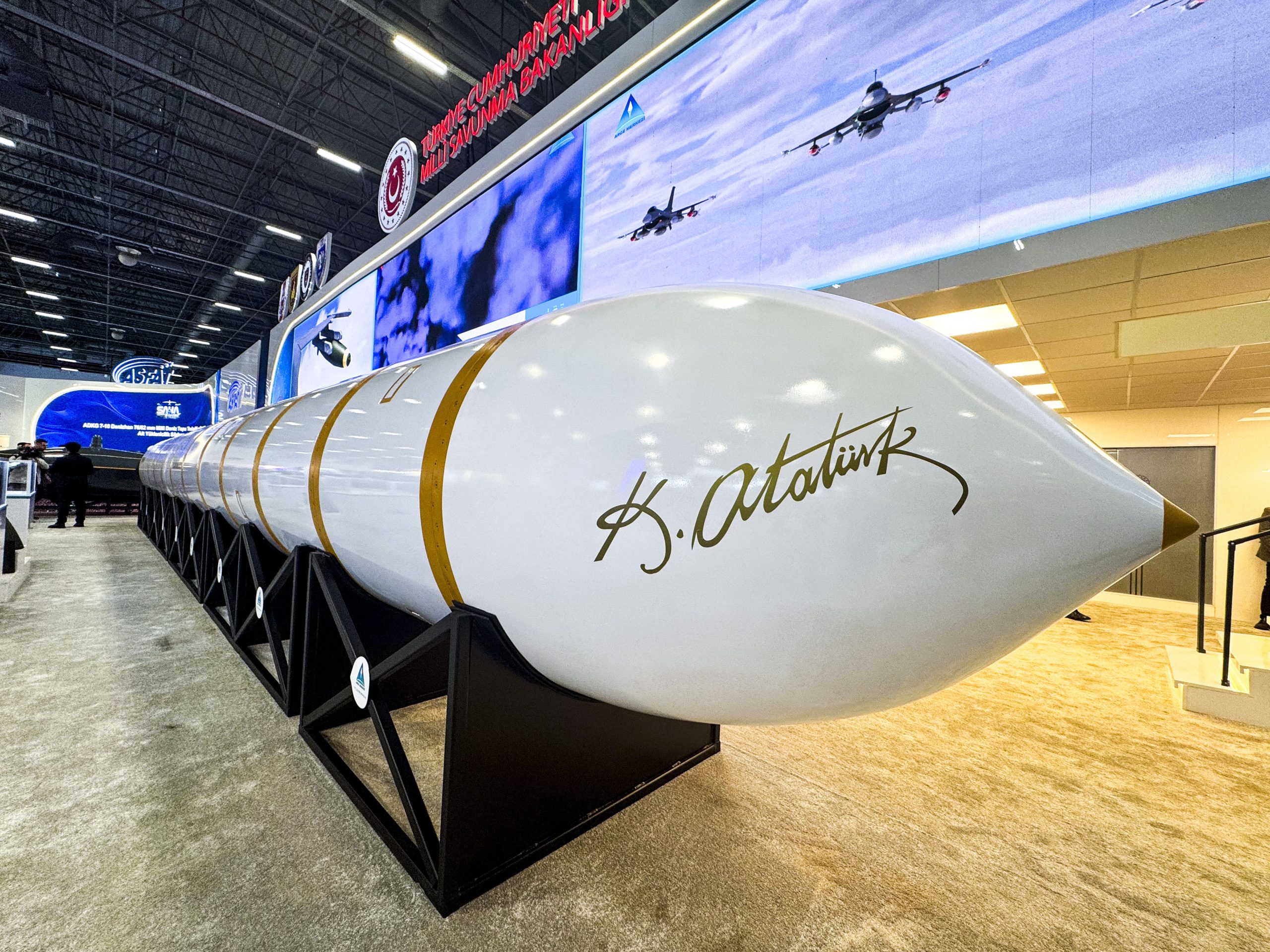
In a surprising development this week, Turkey unveiled a model of a previously unknown intercontinental ballistic missile (ICBM), named Yildirimhan (Turkish for lightning). In recent years, Turkey’s defense industries have been pumping out a remarkably wide range of weapons, including multiple missiles and drones, but the apparent plans to field a weapon in this class are something new.
The full-size Yildirimhan model was first shown publicly this week at the SAHA 2026 International Defense and Aerospace Exhibition in Istanbul, where it gained much attention. The program was presented by Turkish Minister of Defense Yasar Guler and is said to have been in development for around a decade.
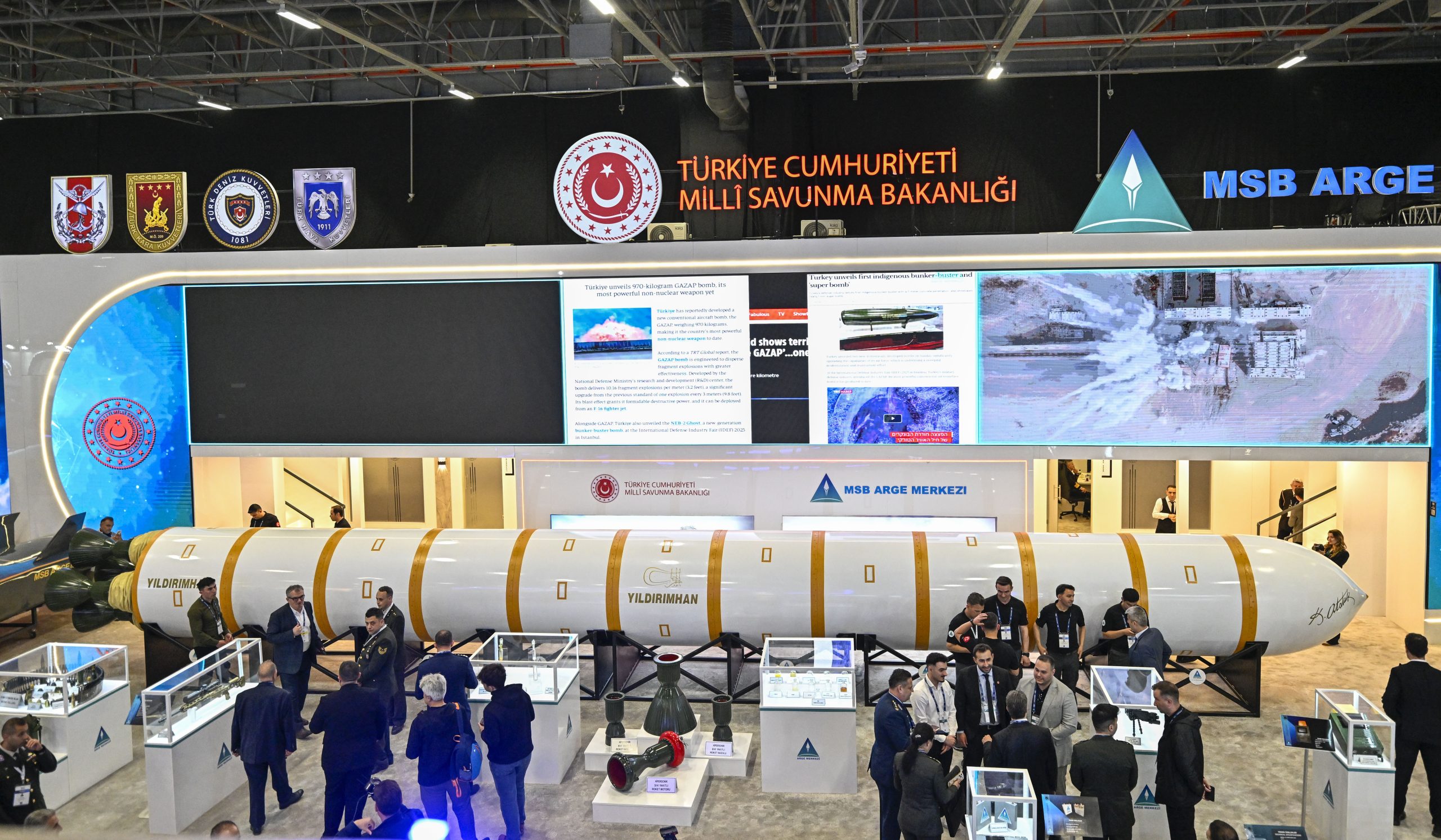
The Yildirimhan is a conventionally armed non-tactical longer-range ballistic missile, which is itself a somewhat novel concept, albeit one that we have discussed in the past, in relation to China, Israel, and Russia.
The missile is planned to have a range of 6,000 kilometers (3,728 miles), which puts it just into the ICBM category. Missiles in this class are considered to have a range of over 5,500 kilometers, and most can reach considerably further.
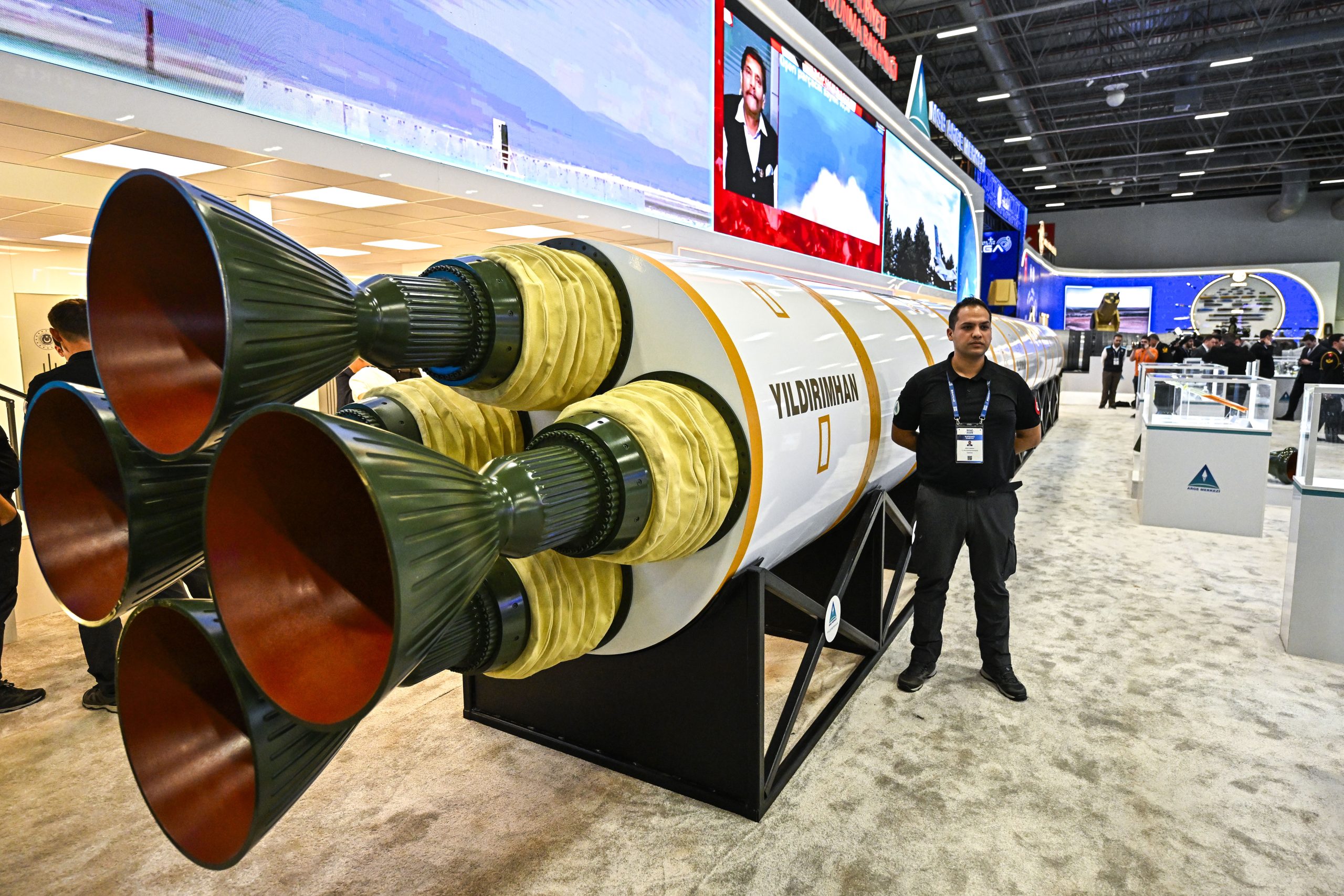
The Yildirimhan is powered by four rocket engines and uses only a single stage, which is also unusual. It may be a measure of technological limitations, since Turkey hasn’t previously embarked on a missile that can fly this far.
The Turkish Ministry of Defense says the Yildirimhan will be road-mobile — as seen in the accompanying video, embedded below — and will be able to carry a very large warhead weighing 3,000 kilograms (around 6,600 pounds). It will be liquid-fueled, powered by a combination of nitrogen tetroxide and hydrazine.
This means the ICBM would have to be fueled before launch. As a result, its response time would be reduced compared to a solid-fuel weapon. This would also make the missile far more vulnerable to preemptive strikes and more complicated to handle.
At this stage, there are no details about the timelines for the potential introduction of the Yildirimhan to service, although Turkish media reports claim that production of the fuel and development of the warheads are already underway.
Notably, of the NATO nations in Europe, only Turkey currently fields a conventional ground-launched missile with a range of more than 300 kilometers (186 miles) — the locally developed Tayfun (previously Bora-2) short-range ballistic missile (SRBM).
In the past, Turkish President Recep Tayyip Erdogan called for Turkey to field missiles with ranges beyond 2,000 kilometers (1,243 miles), reflecting concerns about growing regional threats.
“As Turkey, we are located in a geography of high strategic importance, located in the heart of three continents, where global arm wrestling is never lacking … the first condition for survival in such a geography is deterrence,” Erdogan said at the time.
As we have discussed in the past, Turkey unveiled its Tayfun Block IV missile in 2025. This is the largest and heaviest member of the shorter-range Bora/Tayfun weapon family and is considered likely to have a range of around 1,000 kilometers (621 miles). A test firing apparently occurred in the fourth quarter of 2025.
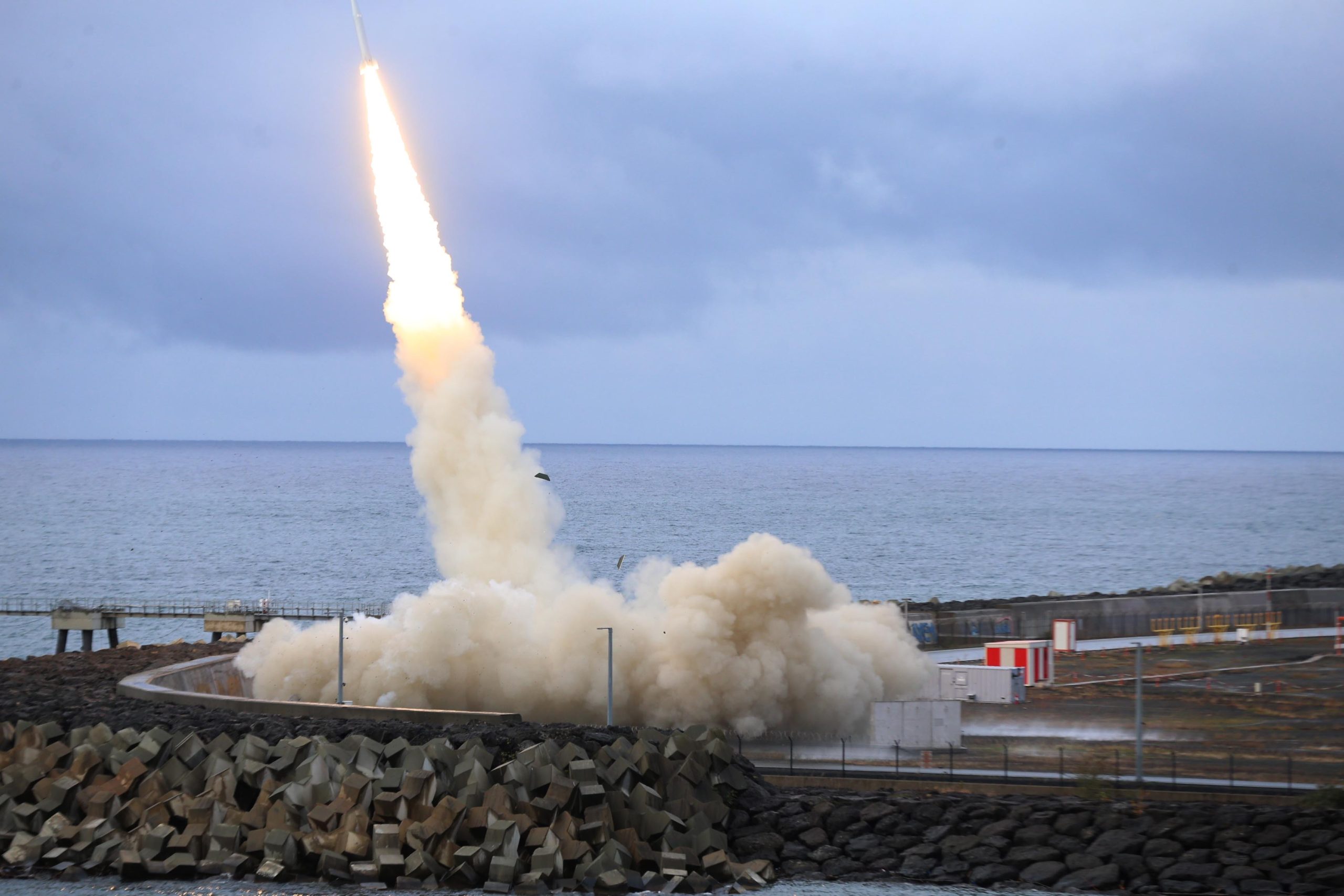
“The Tayfun Block IV achieves long ranges, setting another record for the Turkish defense industry,” manufacturer Roketsan said in a statement at the time, according to Turkey’s state-run Anadolu Agency news outlet. Roketsan added that it “will be capable of destroying numerous strategic targets, such as air defense systems, command and control centers, military hangars, and critical military facilities.”
Furthermore, Turkey has been working on a medium-range ballistic missile (MRBM), known as Cenk, with a range of 2,000 kilometers, which would meet the ambition set out by Erdogan. In the past, there has been speculation that Cenk could be a further development of the Bora/Tayfun family, which should make development more straightforward, although the precise relationship between these weapons remains unclear. Like the Yildirimhan, Cenk could also be an all-new design.
The Cenk MRBM would already put most of Turkey’s potential adversaries within range. Even the Tayfun Block IV has the reach to strike anywhere in the eastern Mediterranean and deep into the Middle East.
As it stands, Turkey has developed its strike capabilities primarily to counter its regional rival, Greece, while it has also reportedly used short-range ballistic missiles against Kurdish militants in Iraq in the past. Of course, neither of these threats requires an ICBM.
There is also the fact that Turkey has limited means of testing a missile with a range of 6,000 kilometers. Turkey’s primary missile-test range is on the Black Sea, but the distance from east to west is under 1,000 kilometers. This would require longer-range missiles to be launched on a steep parabolic trajectory, something that North Korea has repeatedly done for its missile tests.
However, there has been talk of developing a spaceport in conjunction with Somalia, which could provide a solution to this problem, offering the potential to launch ballistic missiles — as well as space launch vehicles — far out into the Indian Ocean.
Unlike the earlier Bora/Tayfun family, which utilizes aero-ballistic trajectories, within the atmosphere, the MRBM and ICBM would complete much of their flight in the exo-atmospheric regime. As well as enhanced performance, larger missiles like the Cenk and Yildirimhan also introduce the option of carrying larger or multiple warheads and potentially decoys and other countermeasures against anti-missile defenses.
All of this poses a greater technological challenge, but it’s clearly one that Turkey is now grappling with.
Over the past quarter-century, Turkey has rapidly expanded its missile industry to encompass both ballistic and cruise systems, many of which have since entered service with the Turkish Armed Forces. Some of these weapons have also been offered for export, where the Turkish defense sector has profited from the fact that its products are free from the restrictions imposed by the U.S. International Traffic in Arms Regulations (ITAR) guidelines. ITAR serves to limit the transfer of defense and military technologies and services — especially the more sensitive ones — to certain countries. There is an argument that bringing a conventionally armed ICBM to the export market might be considered logical, albeit potentially geopolitically disruptive, in this context.
On the other hand, Turkey is a member of the Missile Technology Control Regime (MTCR) arms control bloc, an arrangement that puts severe restrictions on the export of missiles that can carry payloads of more than 1,100 pounds to distances of more than 190 miles. This would rule out exports of the Yildirimhan, unless Ankara were to walk away from MTCR.
Most likely, therefore, is that Turkey is looking to field the Yildirimhan to extend the reach and firepower of its own conventional deterrent, allowing it to hold at risk targets as far away as Beijing.
As planned, the ICBM also carries a very heavy warhead that would have a significant bunker-busting effect, as well as being able to take out certain area targets. At the same time, interest is growing in having a strategic conventional ballistic missile deterrent to go against a nuclear foe, a concept that Iran has adopted.
There are, so far, no indications that Turkey might be seeking to develop nuclear warheads, with Ankara having relied on NATO’s collective defense and U.S. nuclear guarantees ever since the Cold War. However, the new ICBM would provide a potential stepping stone to such a capability, were priorities to change. This is a reality that has been identified in the case of South Korea and its ballistic missile developments.
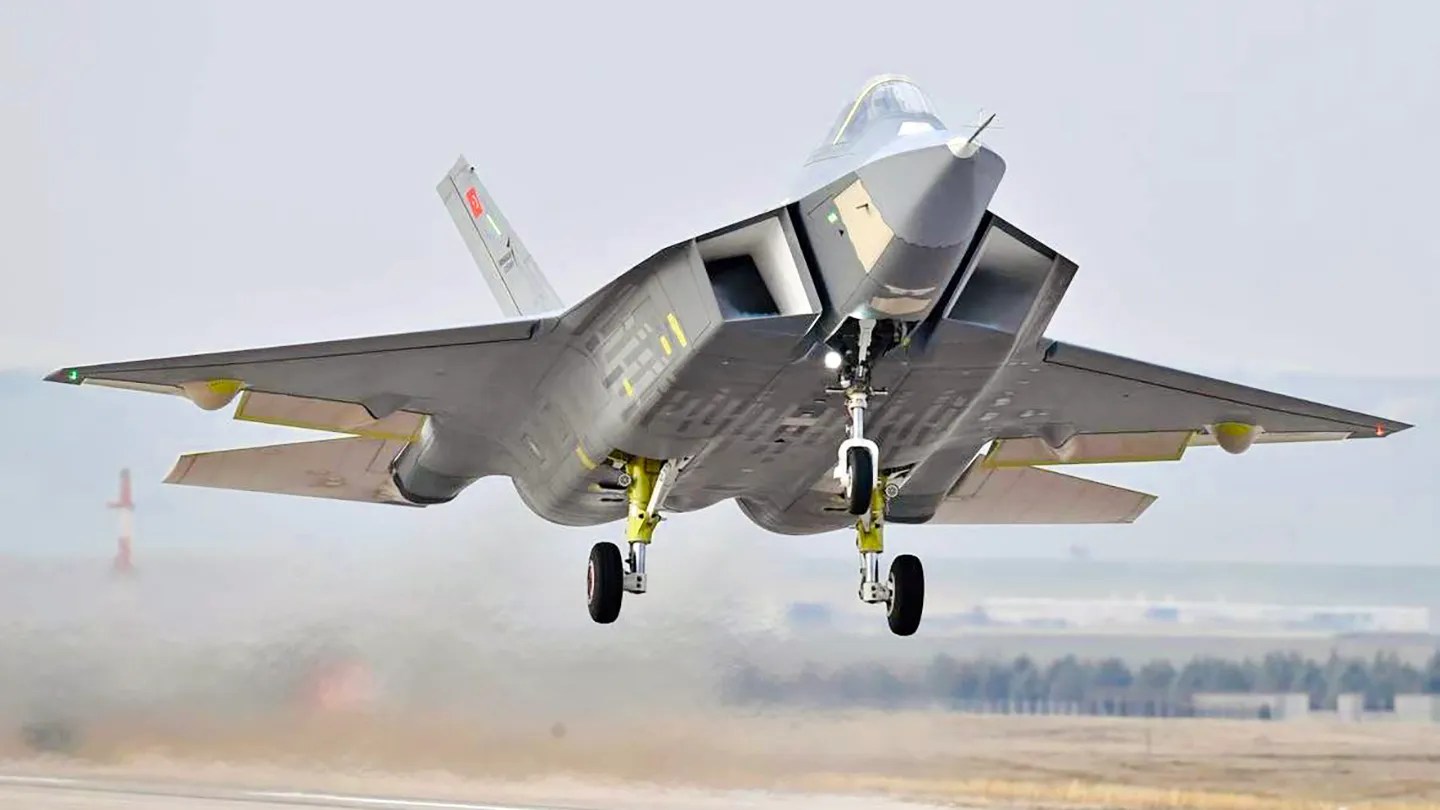
It should also be noted that Turkey has a track record of developing high-end defense products as flagships of the country’s military aerospace capacity and as points of pride for the nation as a whole. The TF Kaan new-generation fighter is a prime example of this trend.
Regardless of the utility of an ICBM to Turkey, the political leadership in Ankara has consistently supported its missile sector, including promoting increasingly longer-range weapons. With that in mind, the Yildirimhan represents the latest outcome of a wider research-and-development effort, and one that reflects the country’s aim to strengthen its conventional deep-strike deterrence.
Contact the author: thomas@thewarzone.com
editor's pick
latest video

news via inbox
Nulla turp dis cursus. Integer liberos euismod pretium faucibua