
First B-52 To Arrive For Re-Engining At Boeing Plant Later This Year
The U.S. Air Force says the first B-52 to receive new F130 engines is set to be delivered to Boeing’s facility in San Antonio, Texas, to begin the modification process later this year. The long-awaited engine upgrade effort for the bombers, also known as the Commercial Engine Replacement Program (CERP), recently passed a Critical Design Review (CDR). The CDR was originally expected to be completed three years ago, underscoring the delays and cost growth that have dogged work on CERP.
The Air Force Life Cycle Management Center (AFLCMC) announced CERP’s CDR milestone today. The Air Force selected Rolls-Royce’s F130 turbofans as the winner of a competition to re-engine its 76 operational B-52H bombers back in 2021. Boeing is in charge of the CERP integration work, which will also include the installation of new twin-engine pods and other modifications to support the new engines. CERP is one of a host of upgrades the Air Force’s venerable B-52Hs are set to receive in the coming years, with the aircraft set to eventually be redesignated as B-52Js. The bombers are in line to continue serving into the 2050s.
B-52 Future Stratofortress: The Upgrades That Will Transform The B-52H Into The B-52J
“This CERP critical design review is the culmination of an enormous amount of engineering and integration work from Boeing, Rolls Royce, and the Air Force that will enable the B-52J to remain in the fight for future generations,” Air Force Lt. Col. Tim Cleaver, the CERP Program Manager within the Bombers Directorate at AFLCMC, said in a statement. “It’s that point that you go from having a concept turned into a design, to then turning that design into something physical – something that we will test and field for Air Force Global Strike Command.”
“The review marks the conclusion of years of detailed design work and a series of ‘dry runs’ between the Air Force and its industry partners to ensure all issues were addressed ahead of the formal review,” according to an AFLCMC release. “The upgrade also includes new subsystems, such as a modern generator for each engine, which will significantly increase the aircraft’s electrical power capacity to support future capabilities.”

Rolls-Royce | Rolls-Royce F130 engines for B-52 begin testing
“Following this initial work, the two modified B-52J test aircraft will undergo extensive testing at Edwards AFB, California to validate the new systems,” the release adds. “Once testing is complete, the program will move toward modifying the remainder of the B-52H fleet.”
CERP is a particularly critical upgrade effort for the B-52 fleet. Today, the bombers are powered by eight Pratt & Whitney TF33 engines, which have not been in production since 1985, and have become increasingly costly and difficult to maintain. The TF33 is also just a dated design that traces back to the late 1950s.
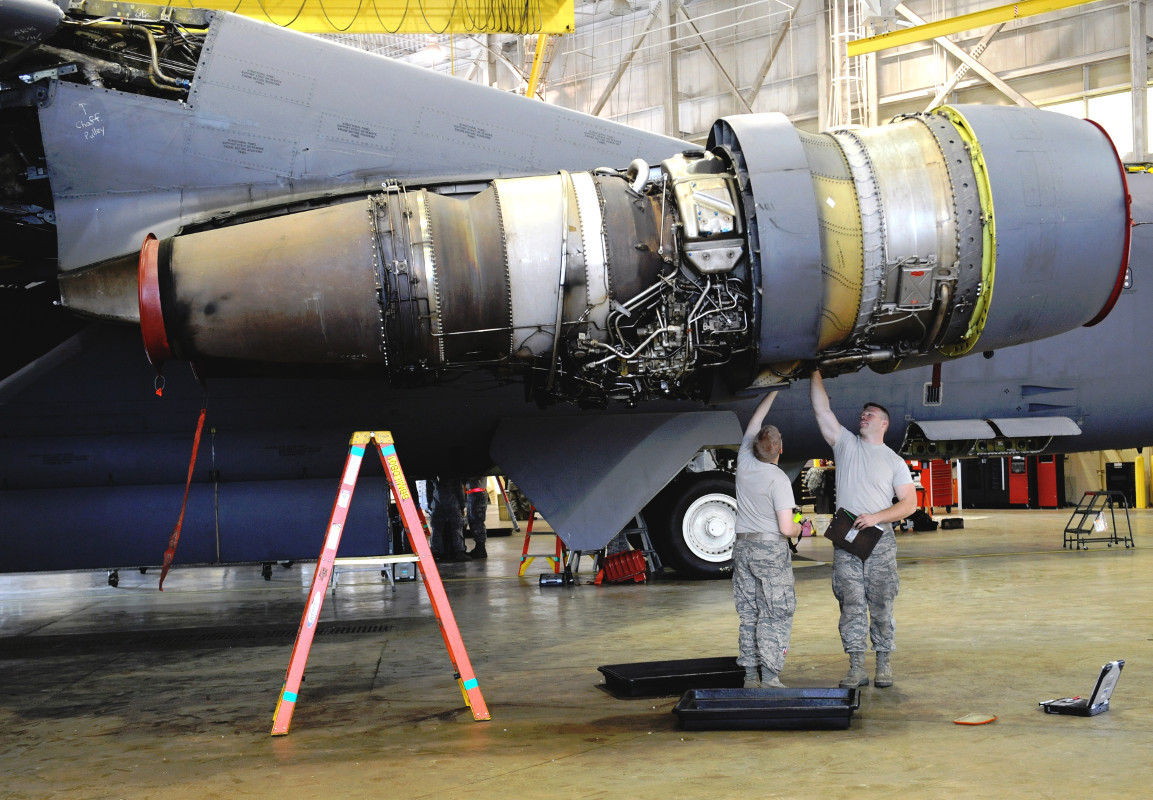
Under CERP, the TF33s will be replaced with the new eight F130s, which offer substantially better fuel economy and reduced maintenance demands, as you can learn more about here. This, in turn, is expected to result in major reductions in sustainment costs and new operational benefits, including extended range. Greater reach also means less need for support from already heavily in-demand aerial refueling tankers. Before CERP kicked off, the Air Force had spent decades going back and forth on the possibility of a B-52 re-engining effort.
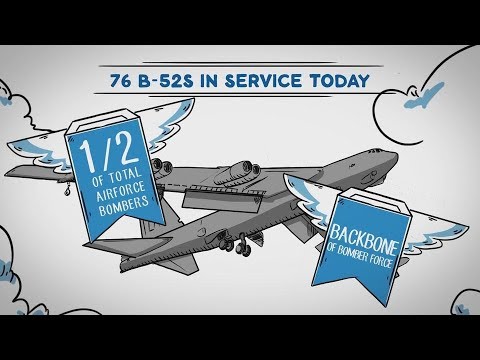
Boeing B-52 Re-engine: The Right Choice for the Air Force
As noted, CERP has suffered multiple delays and significant cost growth since 2021. The Air Force originally hoped to see F130-engined B-52s reach initial operational capability in 2030, but that subsequently slipped to 2033. It could be another three years after that before the entire fleet is re-engined. At that point, it will have been 15 years since the original contract for the new engines was awarded.
“According to the program, delays stem from ongoing engine inlet issues the program found during design testing and from Boeing’s lag in submitting proposals needed for maturing the program’s cost and schedule baselines,” according to a report the Government Accountability Office (GAO) published in June 2025. “Officials stated that Boeing submitted qualified proposals in summer 2024 that the program is currently reviewing.”
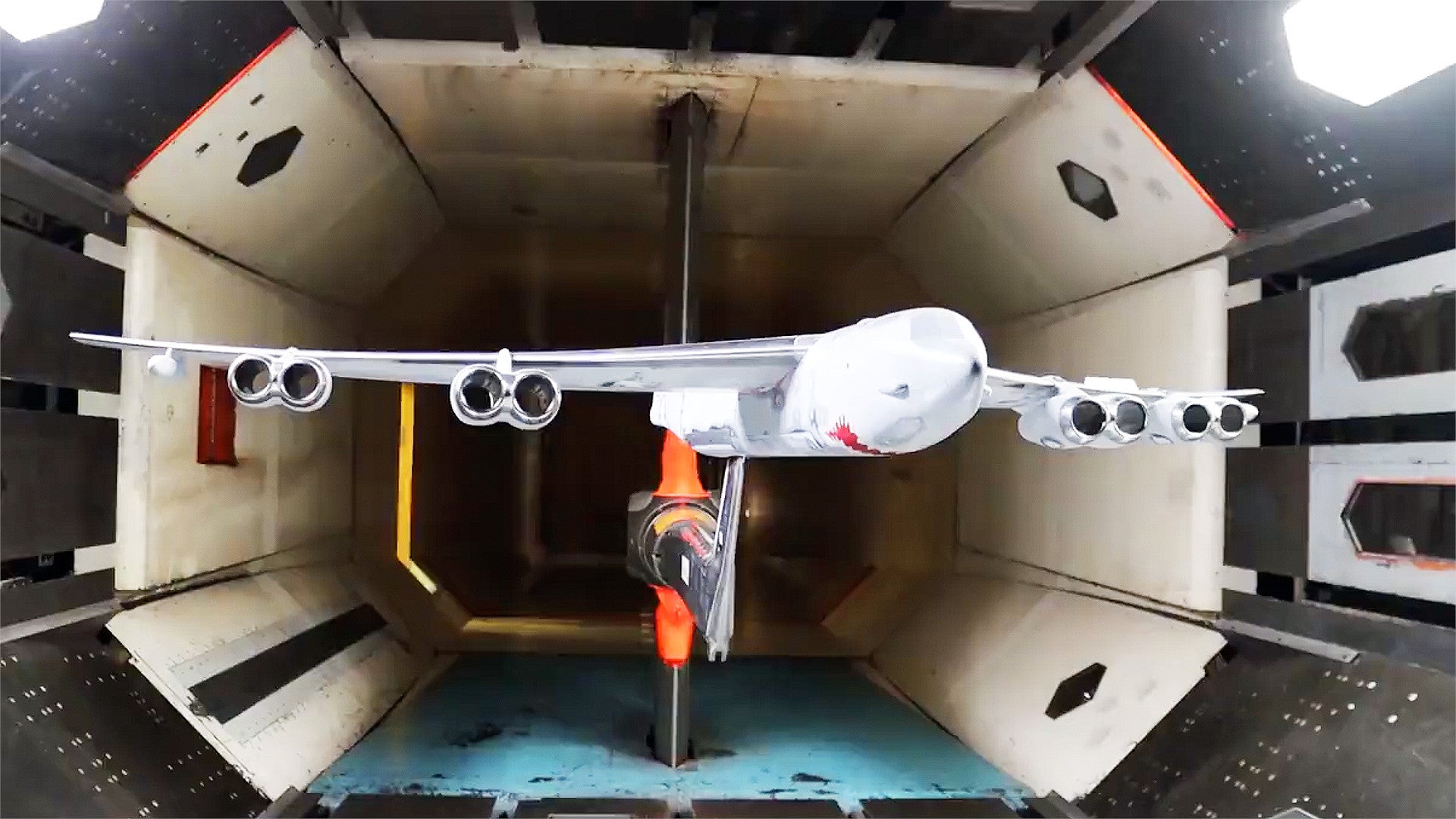
“As part of ongoing design work, officials identified a critical issue regarding engine inlet distortion – a non-uniform flow of air that can affect the engine’s performance and operability – resulting in a redesign of the engine inlet. While the program used a digital model during the rapid prototyping effort that simulated how prospective contractors’ engines would fit in the aircraft, officials said performance data from testing showed that the design did not meet requirements,” the GAO report added. “Officials stated that Boeing will complete wind tunnel testing to fully verify the design in summer 2025. Officials stated that these data are essential to completing the critical design review, planned for April 2026, 3 years later than originally planned.”
Despite the Air Force’s current plan to finally have the first B-52 delivered to Boeing for CERP modification later this year, it is unclear when that work will actually begin or wrap up. TWZ has reached out to the Air Force for more information.
“The [CERP] acquisition strategy extends system development until FY33,” according to an annual report the Pentagon’s Office of the Director of Test and Evaluation (DOT&E) published earlier this year. “The program schedule includes a system-level CDR in FY26 [Fiscal Year 2026], followed by the modification of the two LRIP [low-rate initial production] aircraft in FY27 for testing.”
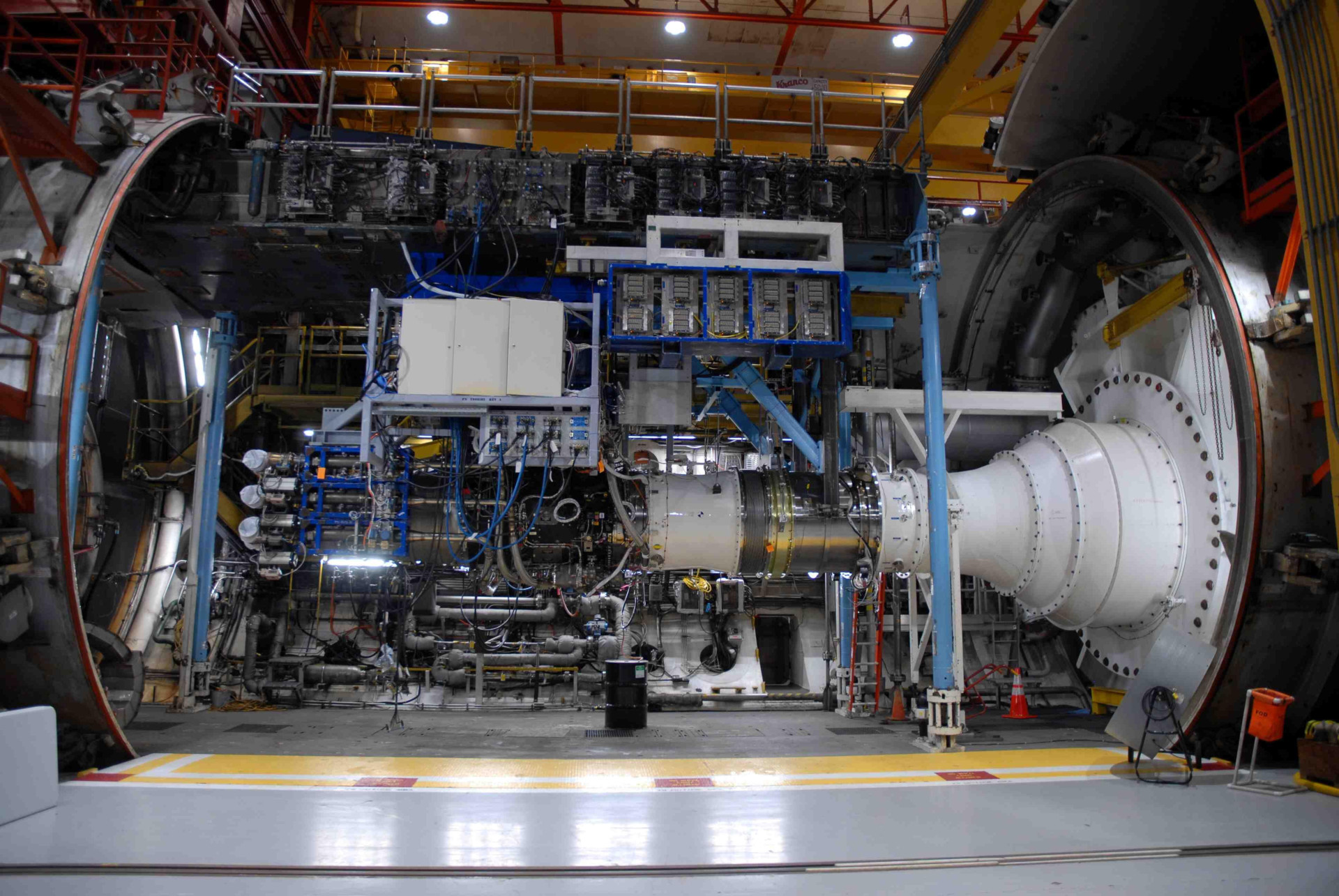
In Febraury, Defense One reported that Rolls-Royce had confirmed that the first batch of F130s intended for integration on an actual B-52 would not be delivered to the Air Force until sometime in 2027. The Air Force, in cooperation with Boeing and Rolls-Royce, has been testing F130s on the ground under CERP.
“Developmental and integrated flight testing is scheduled to begin in FY29, leading to IOT&E [initial operational test and evaluation] in FY32. The proposed production program would award LRIP contracts to procure engines and modify 51 of the 74 B‑52 fleet aircraft (69 percent) prior to the planned completion of IOT&E in FY32,” the DOT&E report also said. “IOT&E will be conducted using the two fully modernized B‑52J LRIP aircraft. Two full‑rate production decisions, planned for FY33 and FY34, will address the remaining 23 aircraft.”
The current estimated cost of the program is also unclear. There were reports in 2024 that it had risen from $8 billion to $9 billion. In December 2025, Boeing received just over $2 billion for a task under an existing CERP contract, which the Pentagon said would go toward “completing system integration activities after Critical Design Review and modifying and testing two B-52 aircraft with new engines and associated subsystems.”
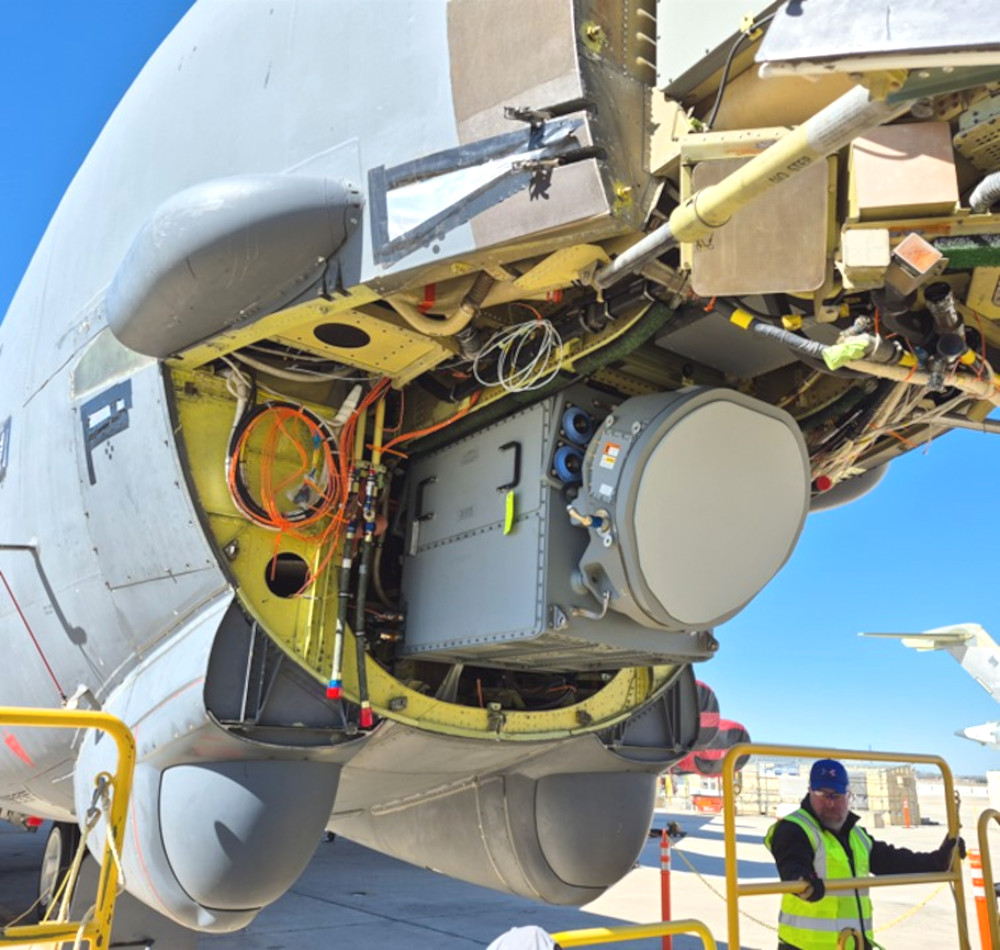
CERP is not the only B-52 upgrade effort that has faced challenges, either. The Radar Modernization Program (RMP) has also suffered delays and cost growth. The first B-52 with a new AN/APQ-188 active electronically scanned array (AESA) radar was finally delivered for testing last year, as you can read more about here.
The relatively small size of the B-52 fleet, combined with operational demands, presents additional complexities when it comes to major upgrades. The B-52’s continued value in supporting conventional operations has been underscored just recently by its participation in strikes on Iran. The bombers also have a key role in the air leg of America’s nuclear deterrent triad. This all puts hard limits on how many B-52s the Air Force can allow to be sidelined at any one time for any other reason.
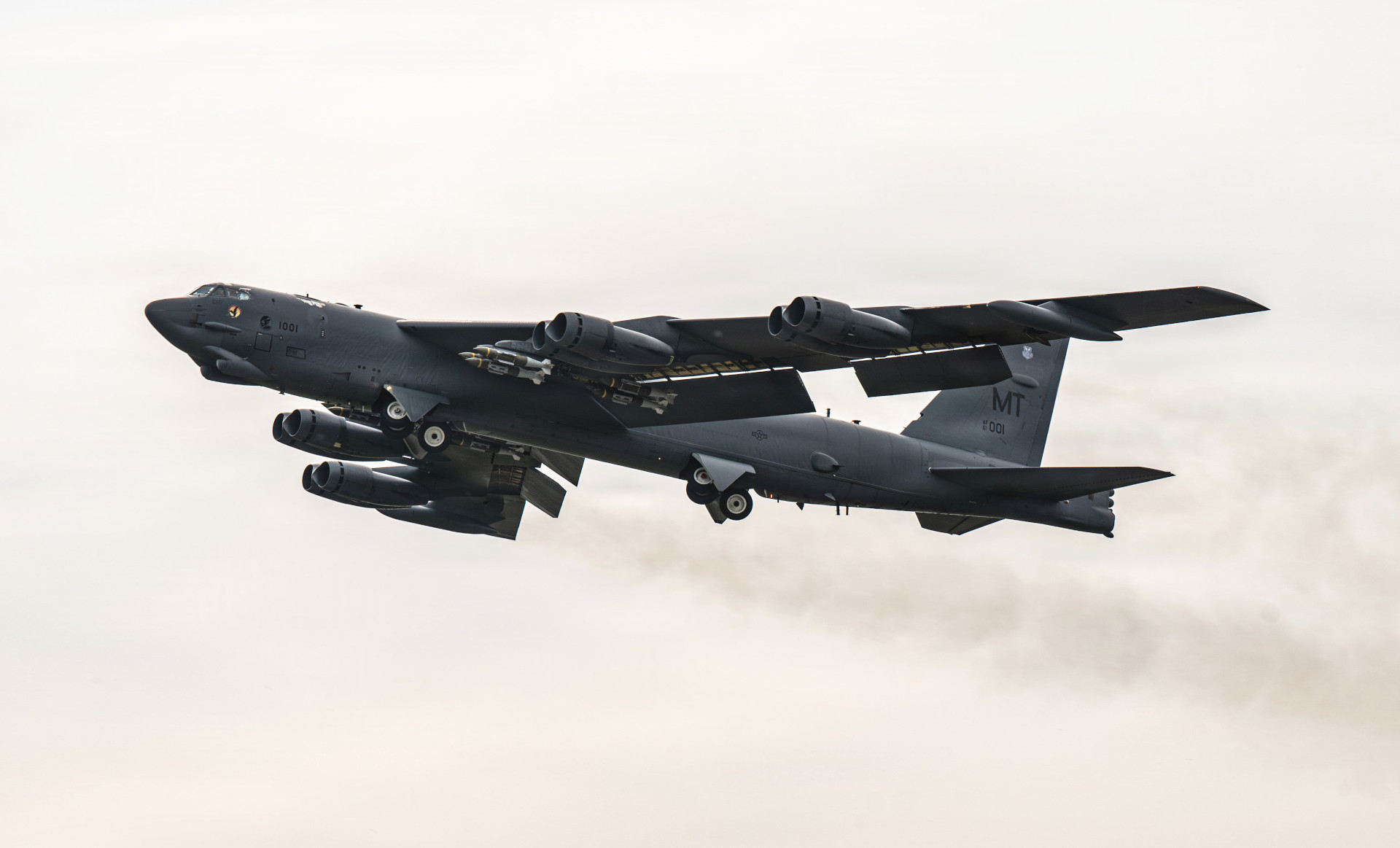
“The challenge with B-52 that I think everybody forgets, it’s such a small fleet that has such a tremendous requirement in terms of readiness,” Air Force Gen. Dale White told TWZ and other outlets at a roundtable at the Air & Space Forces Association’s (AFA) annual Warfare Symposium in February. “You’ve got to have a certain number on the ramp. That’s a requirement.”
Last August, White was named as the Direct Reporting Portfolio Manager for Critical Major Weapon Systems. The role was created to provide a “single empowered leader” to manage several top-priority Air Force weapon systems programs.
Despite these hurdles, the Air Force has continued to frame CERP, as well as the new radars and other upgrades, as being essential to keep the B-52 fleet going for decades to come. The service’s overall bomber plans envision a future fleet made up of B-52 and new B-21 Raiders, though the exact timeline for transition is unclear. The latest Air Force budget request for the 2027 Fiscal Year says the service now plans to retire its B-1 bombers in 2037, one year later than previously scheduled. This has also raised questions what the retirement schedule might be for the B-2.
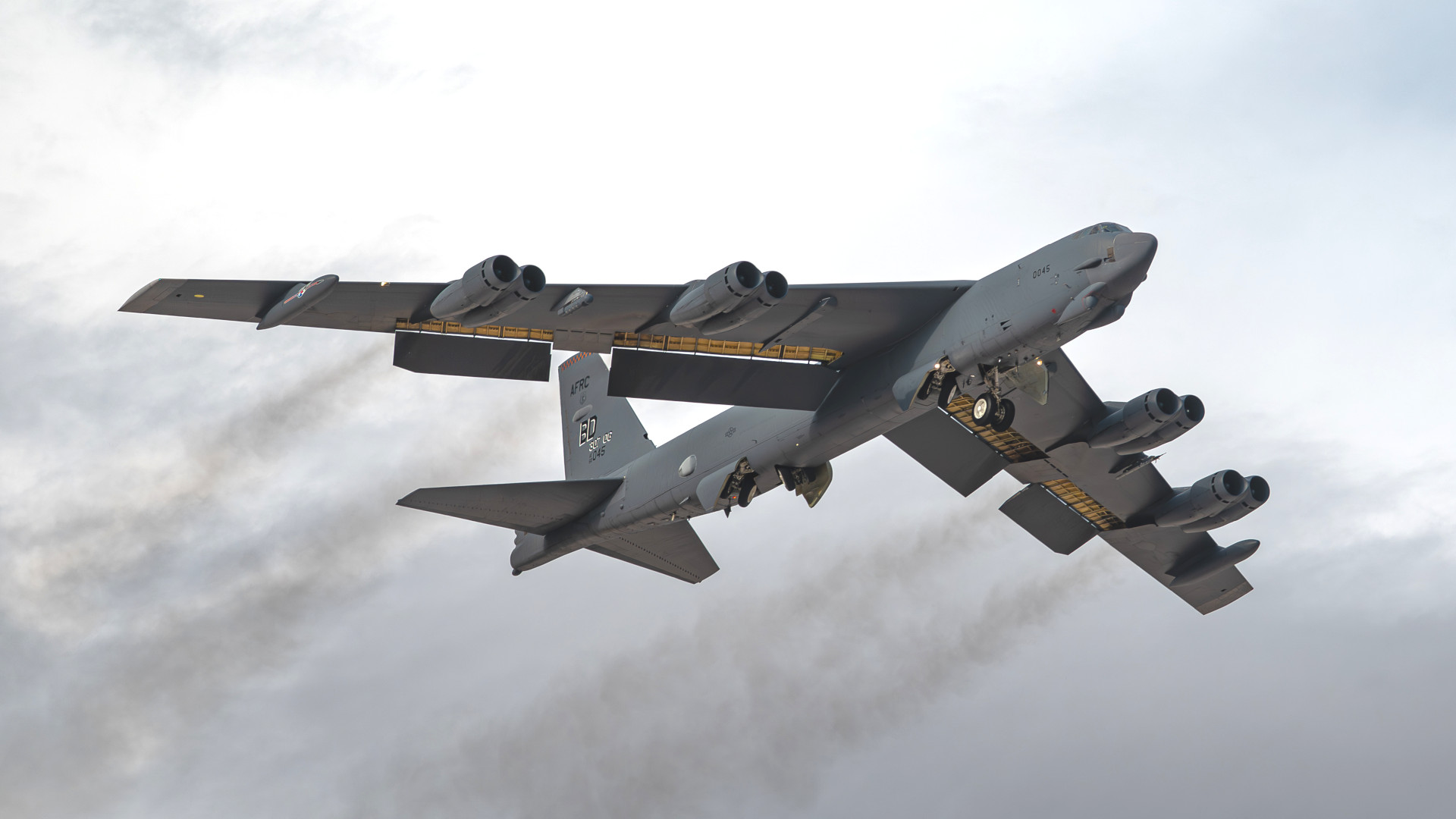
After years of setbacks, there does now look to be a firmer path forward to re-engining the first B-52H with new F130 turbofans.
Contact the author: joe@twz.com
editor's pick
latest video

news via inbox
Nulla turp dis cursus. Integer liberos euismod pretium faucibua