B-1B Seen Carrying ARRW Hypersonic Missile For The First Time
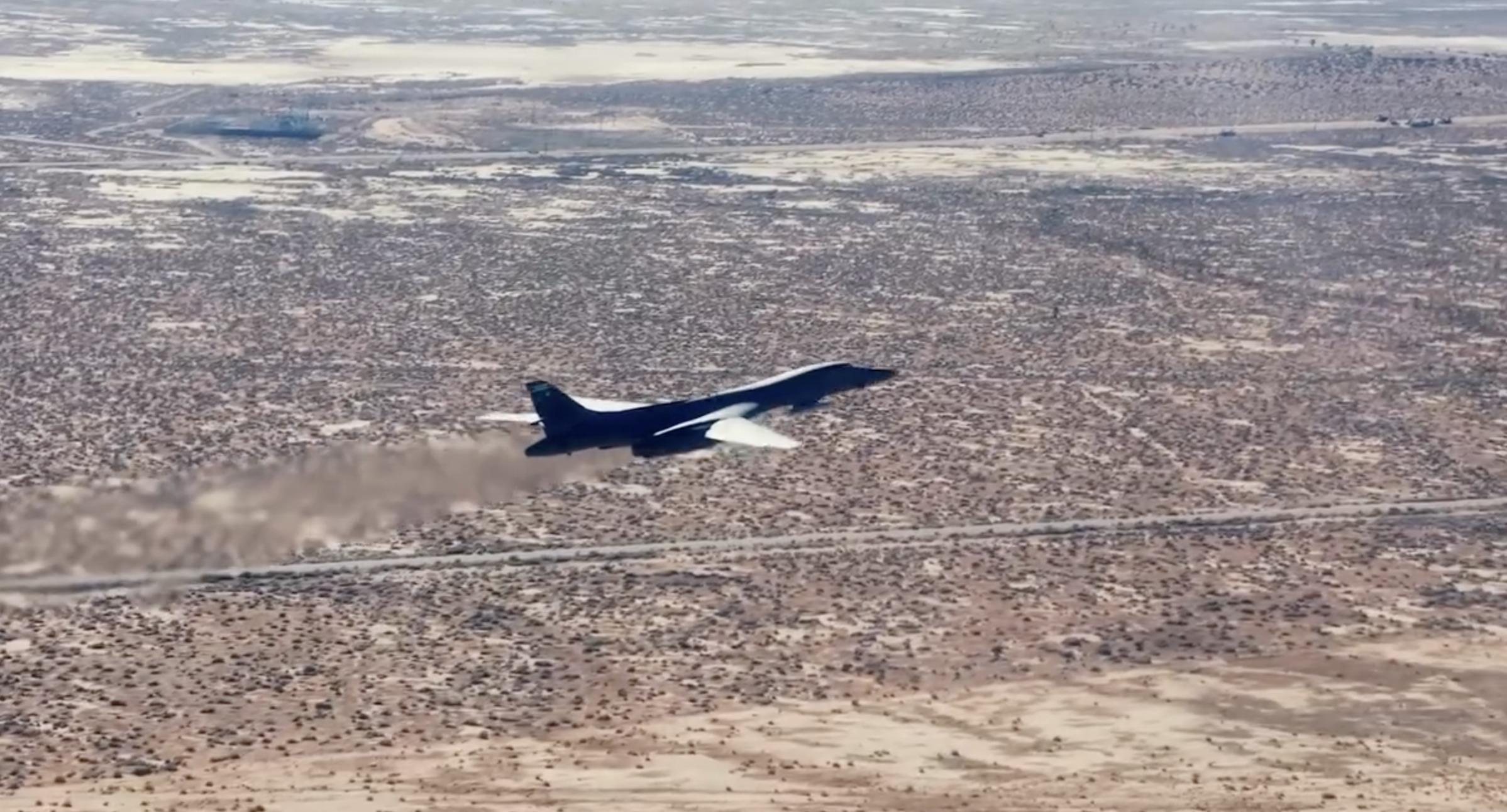
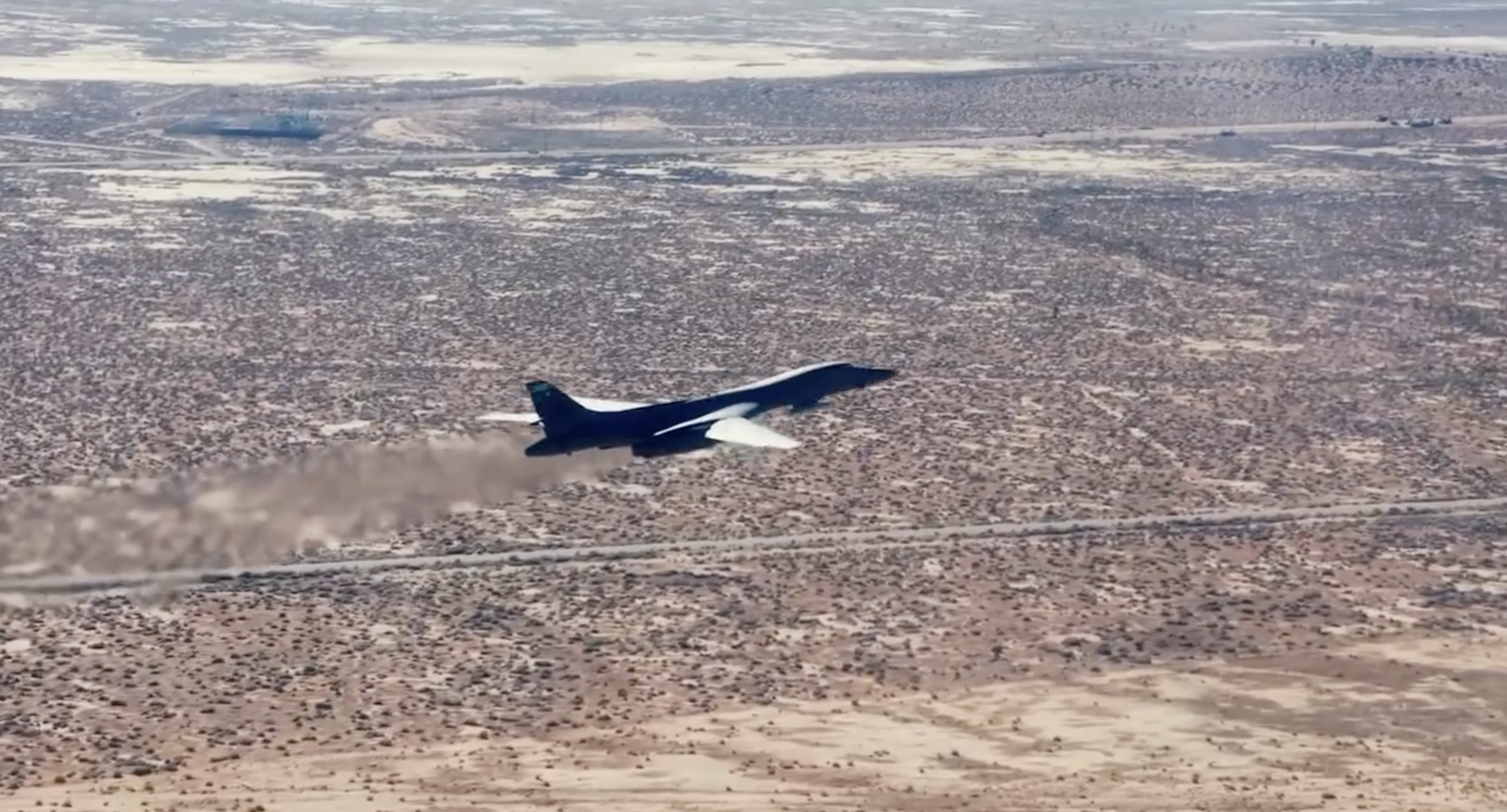
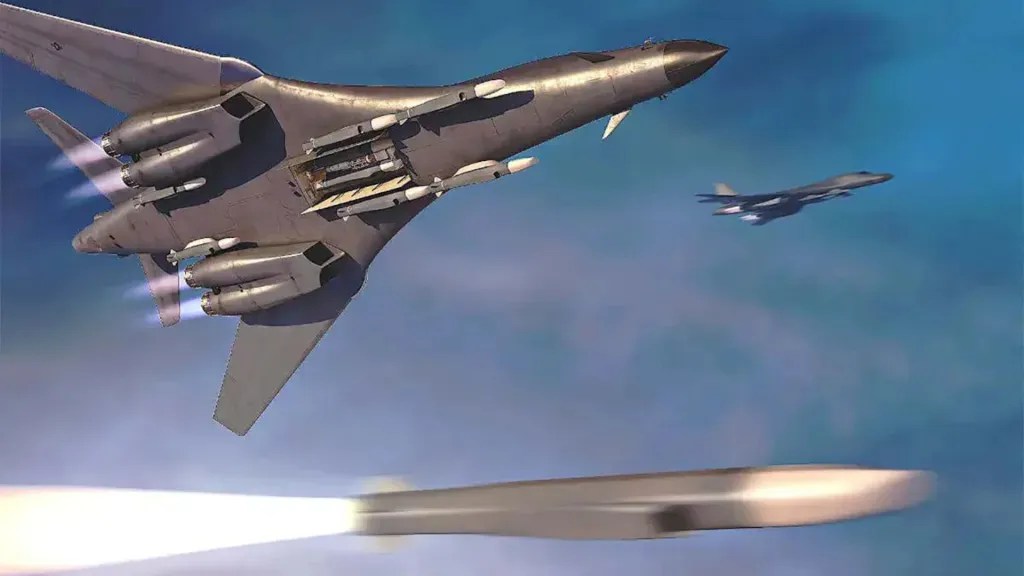
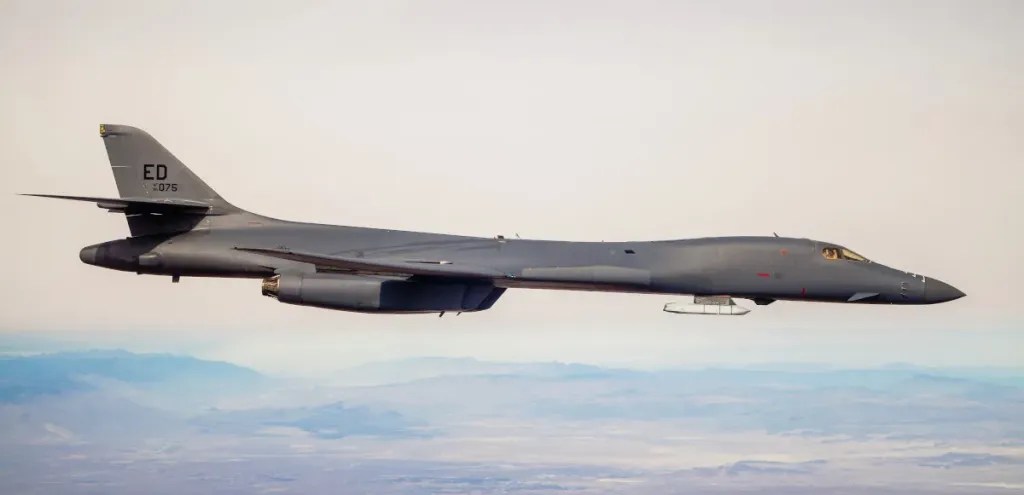
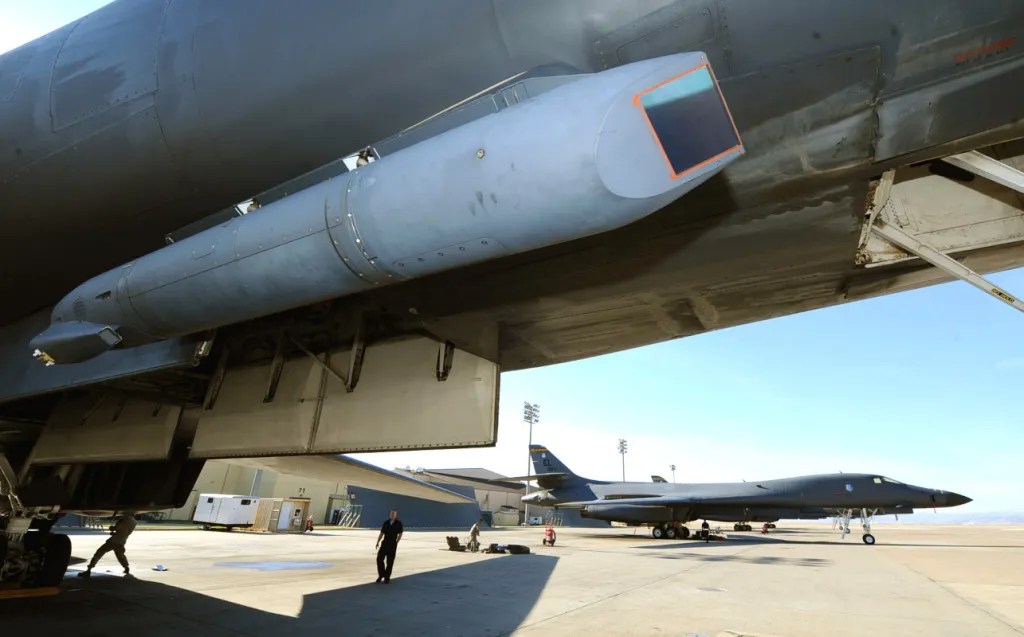
For the first time, the U.S. Air Force has publicly released imagery showing a B-1B Lancer bomber carrying an AGM-183 Air-launched Rapid Response Weapon hypersonic missile, or ARRW. The development comes with the B-1B now officially slated to serve for another decade, while it has been earmarked as a hypersonic weapons test platform. For its part, the ARRW, at one point expected to be the U.S. military’s first operational hypersonic weapon, is also back from purgatory, after continued questions about its future. The Air Force now wants to develop an improved version, as well as a separate air-launched ballistic missile (ALBM).
A brief clip showing a B-1B flying with an ARRW carried on an external hardpoint was released on Edwards Air Force Base’s Instagram page recently. The emergence of the video was first brought to our attention by The Aviationist.
It is unclear when the test-flight footage was taken, and it is not directly referenced in the video, which is otherwise dedicated to the work of maintainers on different aircraft platforms at Edwards.
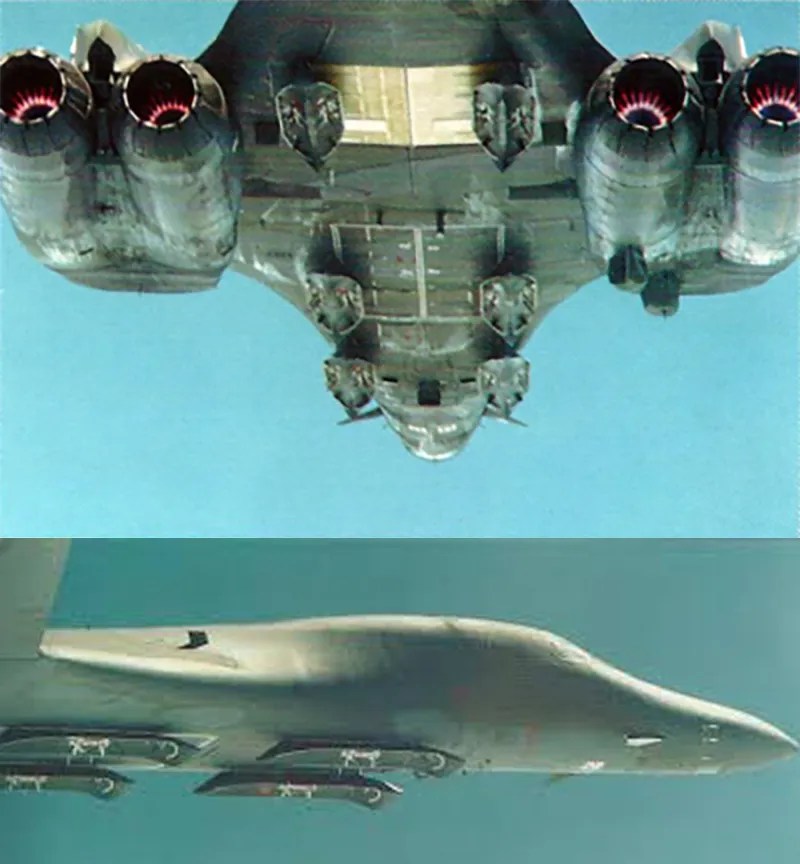
The B-1B was originally designed to carry external stores on up to eight external hardpoints. The Air Force had also developed special pylons that would have allowed the bombers to carry two nuclear-tipped AGM-86B Air-Launched Cruise Missiles (ALCM) on each one. Following the end of the Cold War, the B-1Bs lost their nuclear mission and, as a result, the external pylons fell into disuse, at least as far as weapons are concerned.
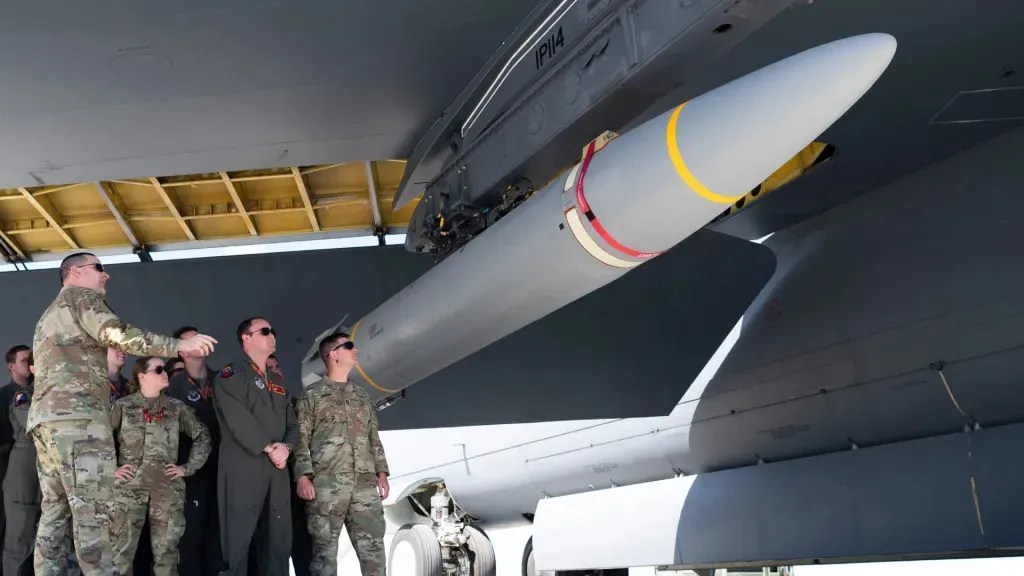
However, as long ago as 2020, the Air Force detailed plans to add the ARRW to the B-1B, after the service highlighted work to expand the bomber’s ability to carry hypersonic weapons and other new stores, both internally and externally.
“My goal would be to bring on at least a squadron’s worth of airplanes modified with external pylons on the B-1, to carry the ARRW [Air-launched Rapid Response Weapon],” Gen. Timothy Ray, then head of Air Force Global Strike Command, told Air Force Magazine. He added that the service had contemplated several options for integrating the missile onto the bombers, “but we believe the easiest, fastest, and probably most effective in the short term will be to go with the external pylons.”
In the meantime, we have seen examples of the ARRW carried under the wing of the B-52H bomber during multiple test sorties, and a live version also notably appeared on a Stratofortress during a training event at Andersen Air Force Base on Guam.
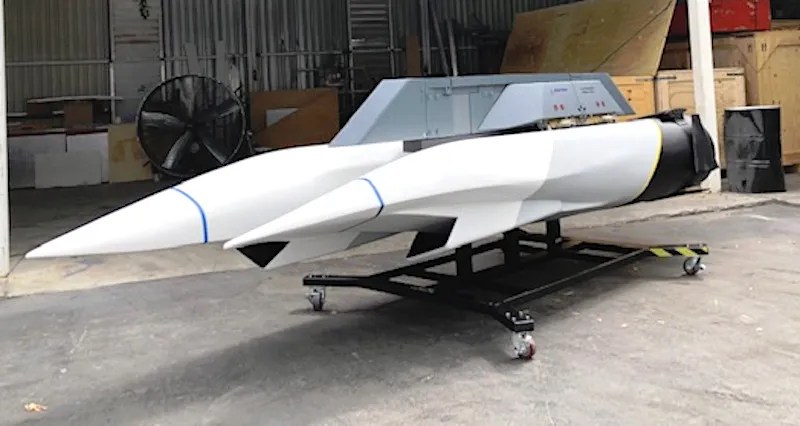
The Fiscal Year 2026 budget request confirmed that the Air Force plans to use the B-1B as a testbed for the Load Adaptable Modular (LAM) pylon, intended for hypersonic weapons and other outsize loads. The B-1B can accommodate six of these pylons, each capable of carrying two 2,000-pound-class weapons or a single 5,000-pound-plus-class weapon. The ARRW would fall into the latter category.
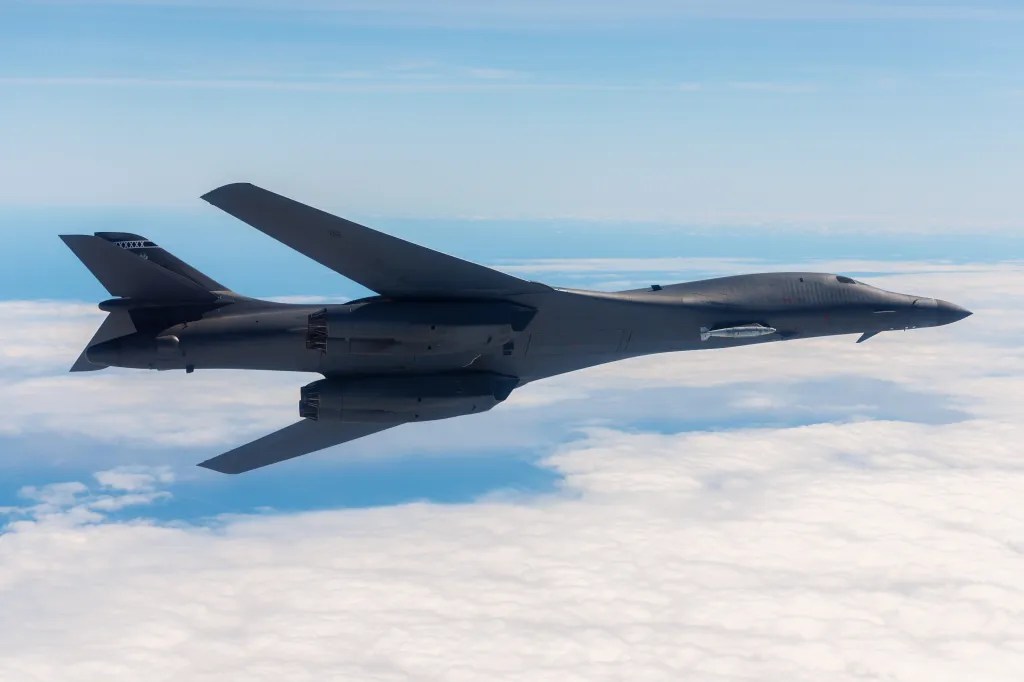
The budget documents noted: “The Hypersonic Integration Program successfully demonstrated the B-1’s ability to execute a captive carry of a 5,000-pound-class store and the release of a proven weapon shape from a Load Adaptable Modular (LAM) pylon.” This suggests that the video we are now seeing could have been taken during this demonstration, but it might also refer to external load tests involving the Air Force’s new bunker-buster bomb, the 5,000-pound class GBU-72/B.
In the same position as seen in the ARRW video, the LAM has also been used for external carriage tests of the Joint Direct Attack Munition (JDAM). More routinely, this same position mounts an external pylon that accommodates a Sniper targeting pod. The same location has previously been used in external carriage tests of the AGM-158 Joint Air-to-Surface Standoff Missile (JASSM) cruise missile, too.
As for ARRW, it carries an unpowered hypersonic boost-glide vehicle as its warhead. A rocket booster accelerates and lifts the vehicle to the required speed and altitude, after which it separates and glides through the atmosphere on a relatively shallow path toward its target. The weapon’s high speed and unpredictable flight path make it difficult for opponents to intercept and engage it, and give very little response time.

B52 ARRW Hypersonic evaluation test at Edwards Air Force Base 12 JUN 2019
The Air Force’s plans to move ahead with purchases of ARRWs notably re-emerged in the Fiscal Year 2026 budget proposal. The service had moved to cancel the AGM-183A in 2023, and refocus resources on the development of the air-breathing Hypersonic Attack Cruise Missile (HACM), but there were steady signs afterward that there was still life left in the ARRW program.
Meanwhile, in its Fiscal Year 2027 budget request, the Air Force seeks funds for the development of what it calls ARRW Increment 2, as well as to kick-start a new air-launched ballistic missile (ALBM) program. The service wants almost $350 million to fund these two efforts. ARRW Increment 2 involves adding undisclosed enhanced capabilities onto the baseline weapon, while the ALBM effort would seek to field a new air-launched, long-range strike capability to complement the ARRW and HACM.
In its Fiscal Year 2027 budget documents, the Air Force further notes:
“We are doubling production rates for our two developmental hypersonic weapons, the Air-Launched Rapid Response Weapon (ARRW) and the Hypersonic Attack Cruise Missile (HACM), with a planned investment of $1.8 billion across the FYDP to accelerate delivery of these critical strike capabilities into the hands of the warfighter.”
The documents don’t give any details on how many ARRWs they want to order.
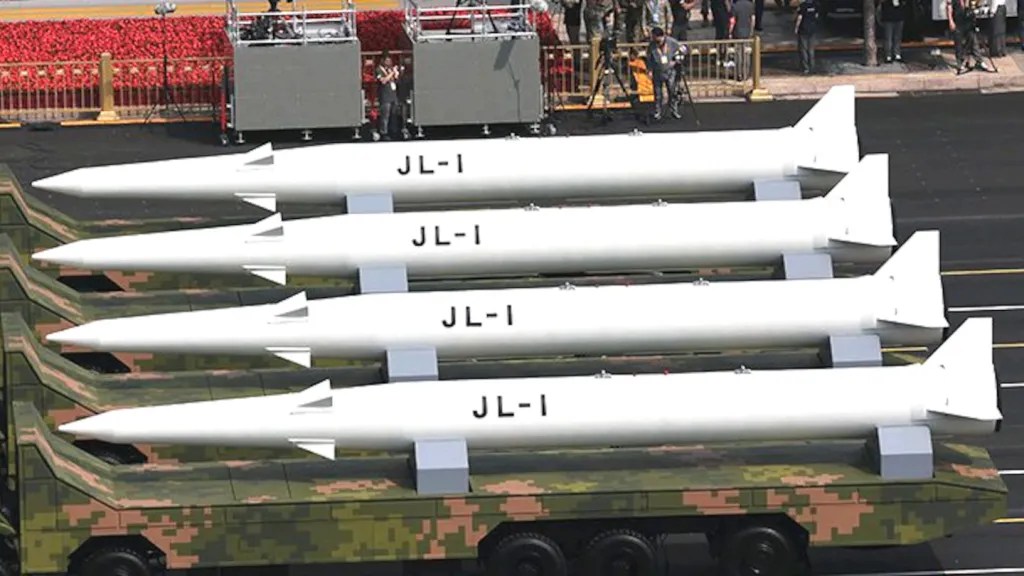
Regardless, these developments are especially notable as China continues to push ahead in the development and fielding of these capabilities, and especially ALBMs.
Despite previous plans to retire the B-1B by 2030, the bomber’s ability to carry outsize loads, in particular, has helped ensure that it’s now expected to remain in service until at least 2037.
Fiscal Year 2027 budget documents indicate that the Air Force plans to spend $342 million on modernizing its 44 remaining B-1Bs from 2027 to 2031. “This request provides the necessary funding to modernize the platform, ensuring its lethality and relevance through 2037,” the budget said.
The B-2 stealth bomber will also be modernized, as the Air Force seeks to address growing demand for bomber capacity, pending the arrival of the new B-21. The intensity of recent operations against Iran, combined with day-to-day bomber task force operations around the globe, and the growing specter of a conflict with China, underscores just how important the bomber fleet is to the Pentagon at large.
B-1s first mission to Iran out of RAF Fairford UK
With a capacity to carry more conventional weapons than any other aircraft in the Air Force’s inventory, we will surely see the B-1B carrying additional external weapons and larger numbers of them, as it continues its service career.
Contact the author: thomas@thewarzone.com
editor's pick
latest video

news via inbox
Nulla turp dis cursus. Integer liberos euismod pretium faucibua