Jet-Powered JDAM Tested From Navy Super Hornet
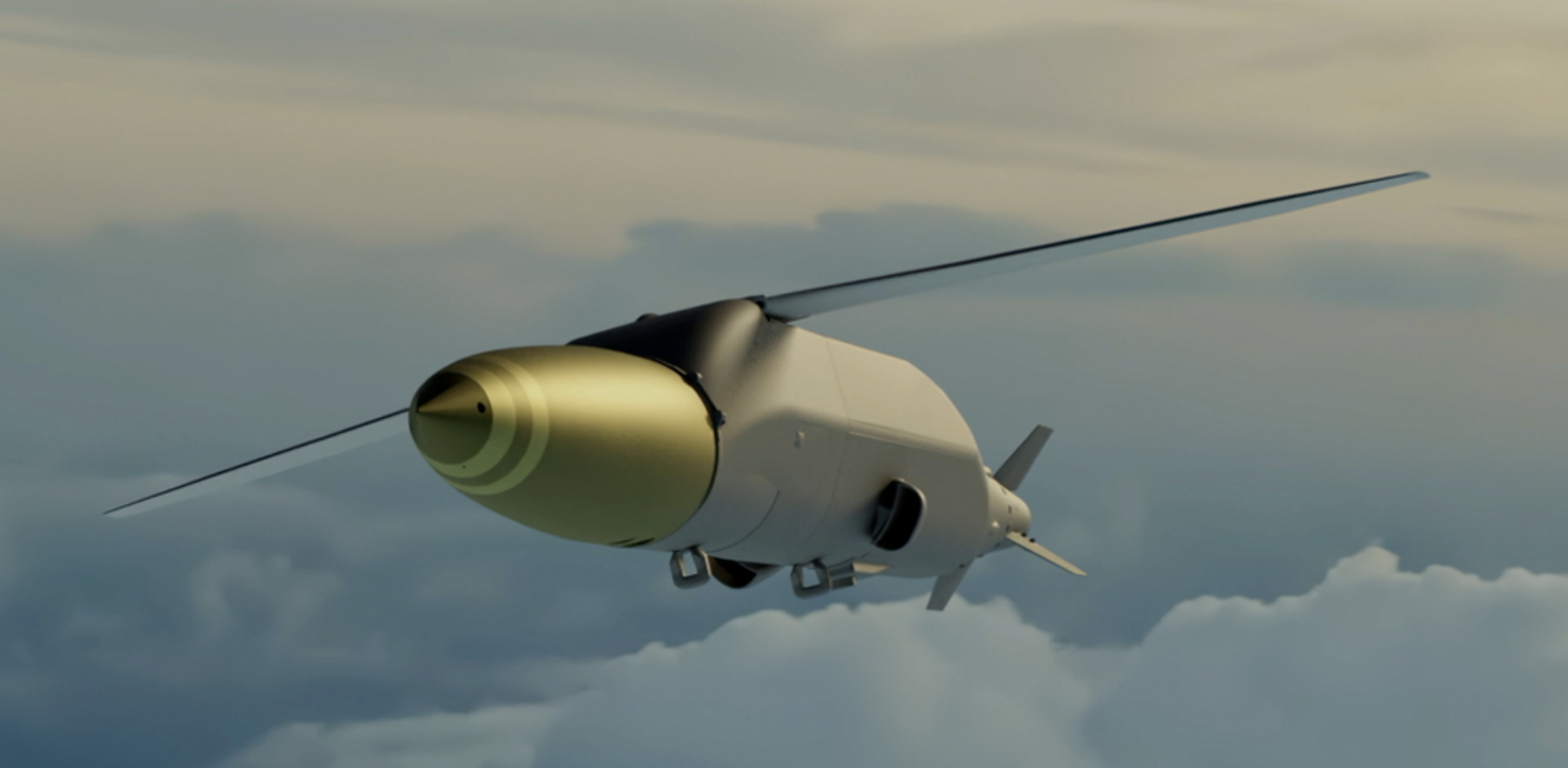
The U.S. Navy has demonstrated a new, powered derivative of the Joint Direct Attack Munition (JDAM) precision-guided weapon from its Super Hornet fighter, signaling a major leap forward in potentially delivering a cost-effective and versatile standoff strike capability to the Carrier Air Wing. The weapon, now known as the JDAM Long Range, or JDAM-LR, can be used to attack targets on land or at sea, effectively being a small cruise missile, and one that offers significantly greater range than even the unpowered JDAM Extended Range (JDAM-ER) series.
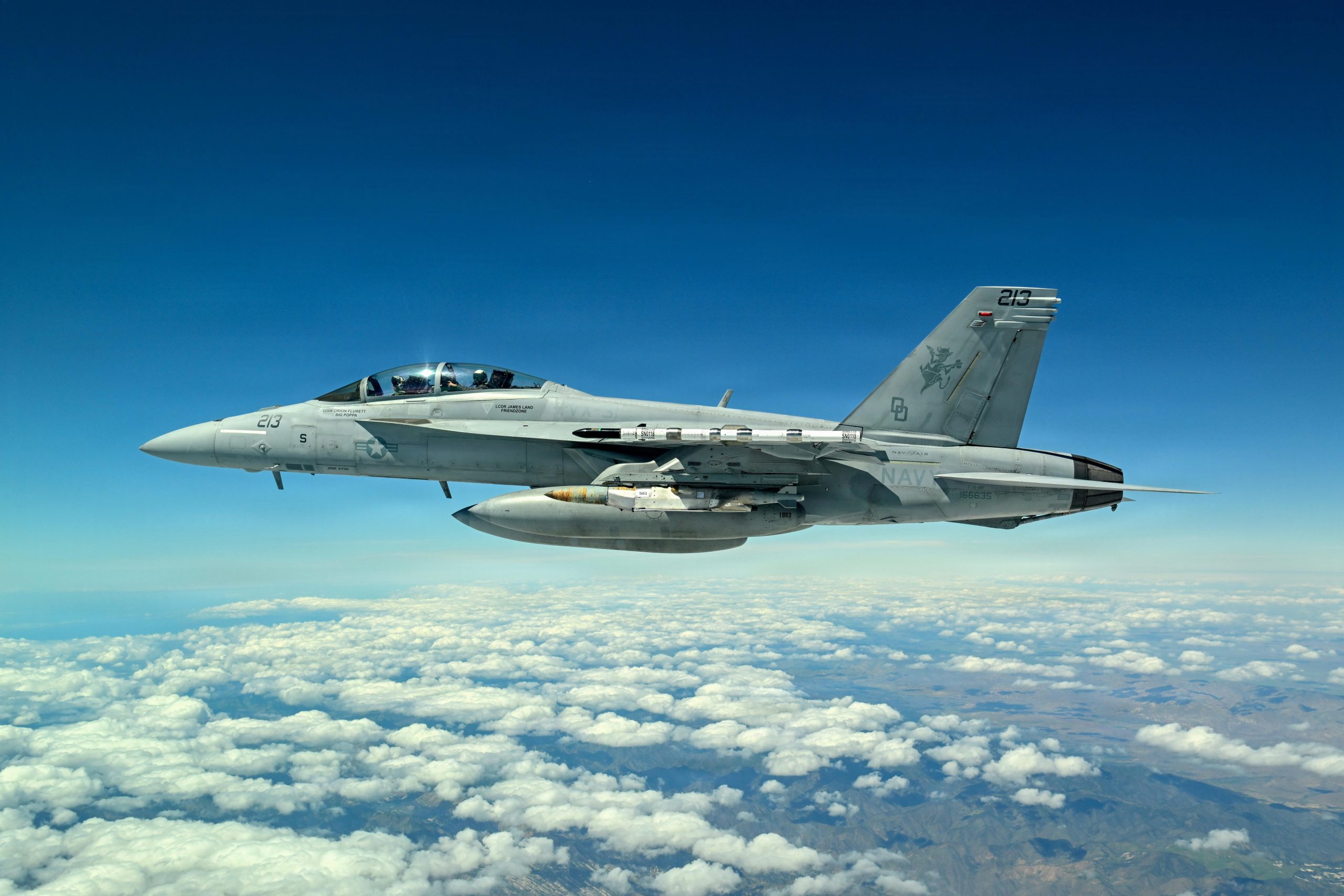
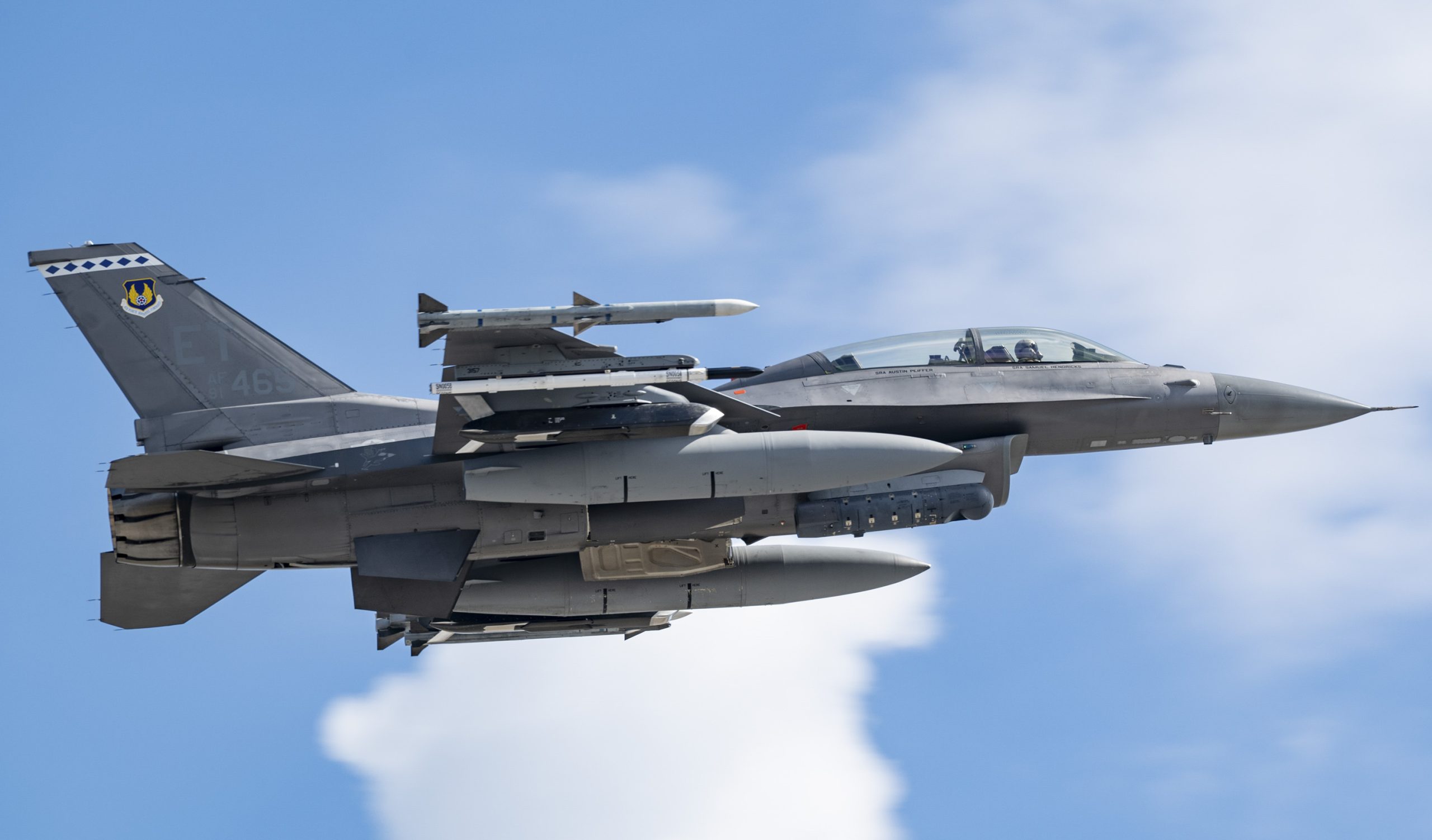
The trials in early April involved two test events at the Navy’s Point Mugu Sea Range, off the coast of California. During these, the weapon proved it could safely separate from a Super Hornet, integrate with existing interfaces, and execute a controlled, powered flight with precise navigation. In each demonstration, the weapons flew roughly 200 nautical miles before reaching their targets. Accuracy “within meters” was demonstrated, Boeing said.
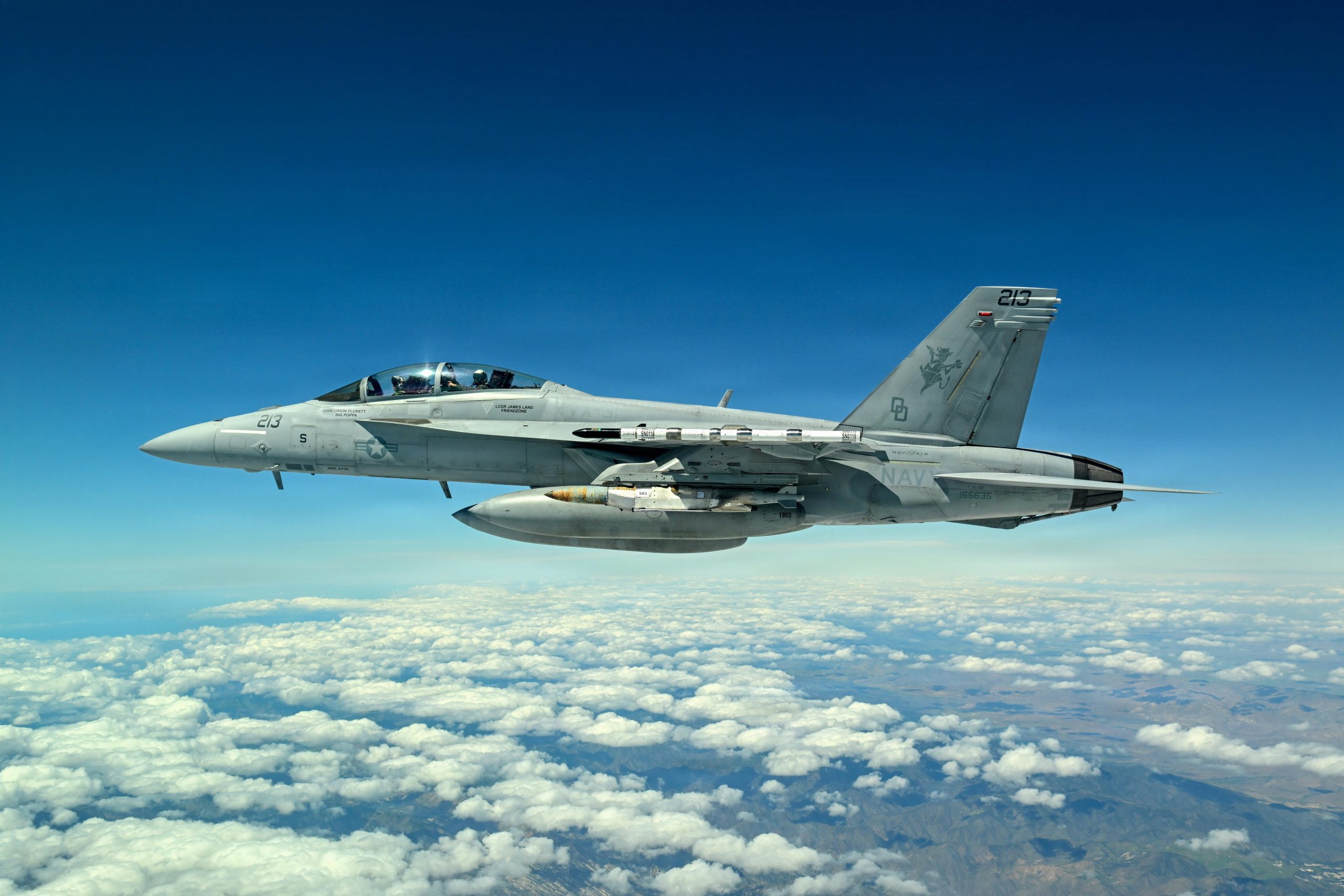
The JDAM-LRs were launched from F/A-18Es and F/A-18Fs assigned to the Navy’s Air Test and Evaluation Squadron 31 (VX-31), the “Dust Devils,” a unit that has also made important contributions to the initial fielding of the AIM-174B air-launched version of the Standard Missile 6 (SM-6) as well as live-fire testing of the secretive AIM-260A long-range air-to-air missile.
“As Naval Air Forces in theater continue to rely heavily on JDAM systems, the program recognizes a critical need to provide the fleet with greater standoff range,” said Capt. Sarah Abbott, Precision Strike Weapons (PMA-201) program manager. “This new capability allows pilots to engage targets from significantly safer distances, maintaining a tactical advantage in contested environments.”
With these demonstrations successfully completed, the JDAM-LR team will now turn to the next phase of qualification, focusing on shipboard integration.
We have reached out to Boeing and the Navy on procurement plans, but the assignment of the GBU-75 designation suggests that a Pentagon order has already been made or is otherwise anticipated.
While by no means a new concept, Boeing originally announced that it was working on a powered derivative of JDAM back in mid-2024. At that point, it had already introduced the unpowered JDAM-ER, which mates the original weapon with a pop-out wing kit.
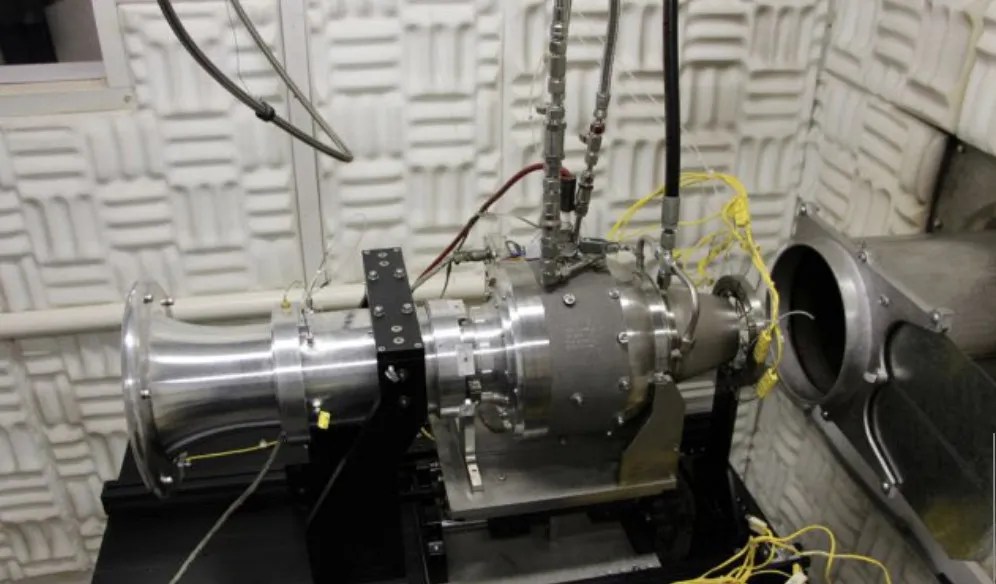
The JDAM-LR uses the same wing kit as the JDAM-ER, but also adds a 200-pound-thrust-class TDI-J85 turbine engine.
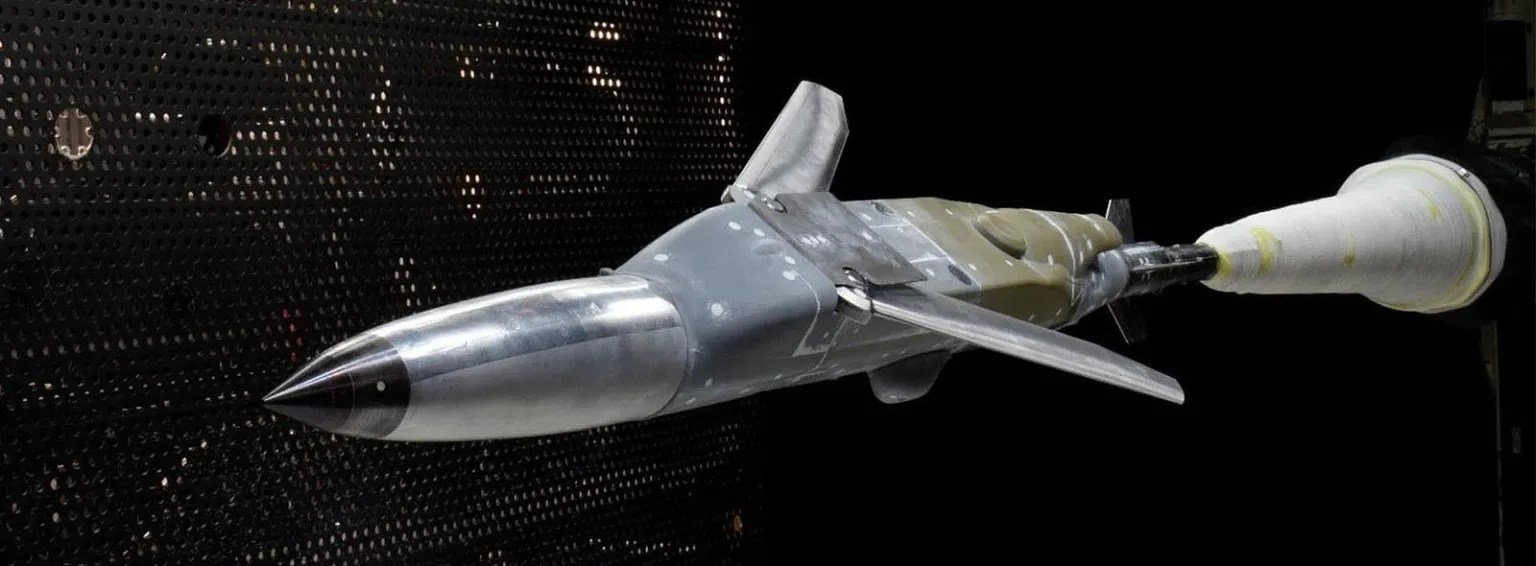
Meanwhile, the main guidance package is derived from the GPS-assisted inertial navigation system found on typical JDAMs, and a standard low-drag 500-pound-class bomb is its warhead.
In terms of range capability, a standard wingless JDAM can glide around 15 miles to its target, depending on the release altitude. With its pop-out wings, the JDAM-ER can hit targets up to 45 miles away. Boeing has said in the past that the JDAM-LR is expected to be able to reach targets at least 300 nautical miles away.
Like existing JDAMs, the JDAM-ER leverages a standardized bomb shape for its warhead, giving the design immediate versatility. A wide range of 500-pound-class bombs and other munitions already share this form factor, including specialized variants, intended to reduce the risk of collateral damage and air-dropped shallow-water anti-ship mines.
Boeing has said that any aircraft onto which the unpowered JDAM types have already been integrated should also be able to employ JDAM-LRs. However, full integration still requires testing to make sure the weapons can be safely released, hence the Super Hornet tests in April.
For the Navy, the maritime strike variant of the JDAM-LR, with a seeker system added to the nose, is especially relevant. We have reached out to Boeing for specific details of this seeker, but it may be related to the dual-mode seeker system for JDAM that has been tested by the U.S. Air Force. This combines a radar and imaging infrared (IIR) camera, specifically for the anti-ship role. You can read more about that project, known as Quicksink, here.

*NEW Camera Views* QUICKSINK Destroys Ship
Also in a maritime context, JDAM-LR can be combined with the Quickstrike family of naval mines, allowing aircraft to seed naval minefields. TWZ has explained in depth in the past about the advantages of using JDAM-ERs with shallow-water naval mines as their warheads, and JDAM-LR allows the same effects to be provided at a significantly greater range.
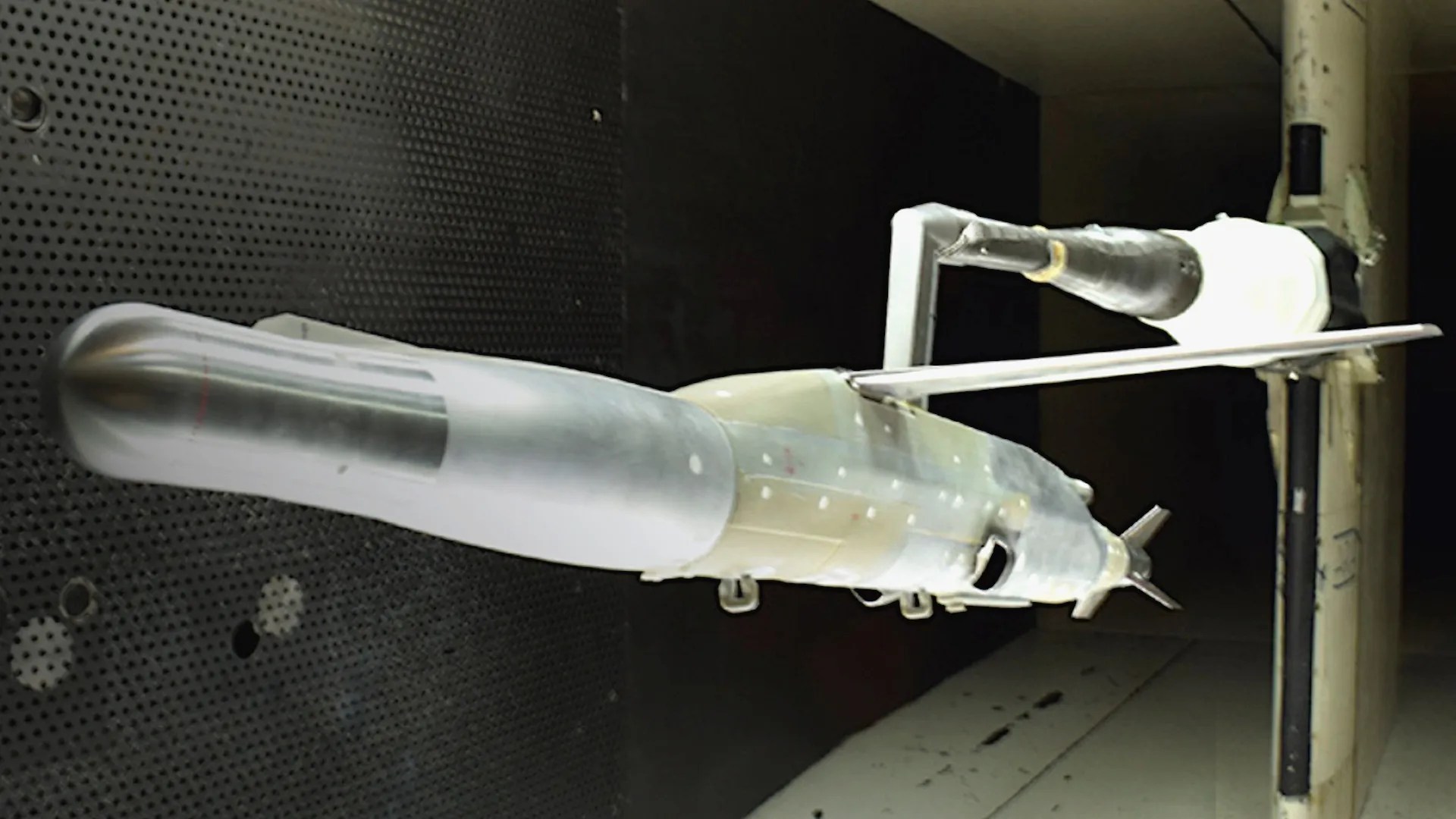
The JDAM-LR has also been pitched as a possible air-launched decoy. In this configuration, its warhead would be replaced with an additional fuel tank designed to extend its range out to at least 700 miles. The decoy version is still listed in the Boeing product catalog.
Taken together, the JDAM-LR offers several notable advantages, beyond its long range. Chief among them is its built-in flexibility, allowing units in the field to rapidly adapt a standoff munition to the mission at hand, or even repurpose it as a decoy when needed.
Another key advantage lies in the ability to readily convert existing stockpiles of standard 500-pound-class bombs into relatively low-cost cruise missiles. Boeing, however, has not yet revealed an estimated unit cost for the JDAM-LR kit.
Each standard JDAM kit has historically cost between $20,000 and $30,000. A typical 500-pound-class low-drag bomb adds another few thousand dollars to that total. The unit cost of the TDI-J85 engine is unknown, but the Williams F107, a larger turbojet also used in various cruise missiles, has been priced at around $190,000 in the past. It’s possible that price could drop significantly if production was increased dramatically. Any additional seeker system or other features would add to the cost of the JDAM-LR. Nevertheless, the result will likely compare very favorably with, for example, a single AGM-158A Joint Air-to-Surface Standoff Missile (JASSM), one of the U.S. Air Force’s go-to air-launched stand-off munitions, which comes with a price tag above $1 million.

On the other hand, the JDAM-LR still has a shorter range than many purpose-designed cruise missile types, such as the AGM-158 and its extended-range versions. Furthermore, the powered version of the JDAM is not stealthy, unlike the members of the AGM-158 family, among others.
Any future high-end conflict involving the U.S. military, and particularly a potential confrontation with China across the vast expanses of the Pacific, will likely involve the need to strike thousands of targets on both land and sea. Given the depth and sophistication of enemy air and maritime defenses, large quantities of standoff munitions would be essential to effectively engage many of those threats.
This creates significant pressure to sustain a continuous, timely, and cost-effective supply of such weapons at scale. In that context, a system like JDAM-LR could prove highly valuable by more rapidly expanding the overall inventory of available standoff munitions. Doing so would also help conserve higher-end systems like the AGM-158 and other cruise missiles for targets requiring greater range or survivability. Meanwhile, decoy-configured JDAM-LRs could further enhance effectiveness by confusing and misdirecting defending forces, improving the chances of other standoff weapons reaching their intended targets.
Commanders across the U.S. military recognize the need for lower-cost standoff munitions that still offer meaningful range. The Air Force, for example, has developed two new Extended Range Attack Munitions (ERAM) under a crash program. While the effort is first expected to provide Ukraine with a relatively low-cost standoff strike capability, it also reflects the Pentagon’s focus on rapidly developing and bringing into operational service new, less-expensive weapons that can be built at scale.
Ukraine’s combat experience with the JDAM-ER, in particular, also highlights the export potential of the JDAM-LR. As well as commonality with other members of the JDAM family, the JDAM-LR could provide foreign air forces with a cheaper and less complex precision air-launched standoff capability than weapons like the AGM-158, for example. These more exquisite weapons might, anyway, be out of reach due to operational security or escalatory concerns.
Altogether, the latest milestone for the JDAM-LR underscores the continued interest in lower-cost cruise missiles, especially those that offer flexibility for use against land-based and maritime targets. With that in mind, it will be interesting to see what the Navy’s procurement plans for the weapon look like.
Contact the author: thomas@thewarzone.com
editor's pick
latest video

news via inbox
Nulla turp dis cursus. Integer liberos euismod pretium faucibua